REVIEW · HISTORICAL TOURS
Small-Group: Culture & History Walking Tour of Amsterdam
Book on Viator →Operated by Trigger Tours · Bookable on Viator
Two hours, and Amsterdam feels years deeper. This small-group walk threads 700 years of Amsterdam through the places you pass every day without really understanding. I like that you get a guided storyline with a local (not just dates on a sign), and I especially like that the group stays small enough for real questions while you move from Dam Square to the canal ring, then on to Oude Kerk and Nieuwmarkt.
One thing to keep in mind: the start can feel a bit abstract in a busy area. The tour meets at Damrak 1-5, so I recommend arriving a little early and double-checking the exact meeting point on your mobile ticket to avoid any last-minute stress.
In This Review
- Key highlights worth planning for
- The Best Part: How a 2-Hour Walk Makes Amsterdam Click
- Damrak and Dam Square: The City’s Power Center, Explained Simply
- UNESCO Canal Ring: Where Urban Planning Becomes a Story
- Oude Kerk: Amsterdam’s Old Church and the Surprising Shift in Purpose
- Nieuwmarkt: Market Life on Top of 17th-Century City Walls
- The Local Guide Factor: Why This Tour Wins on Storytelling
- What You Actually Do During the Walk (And How to Prepare)
- Price and Value: What $41.10 Buys You in Amsterdam
- Who This Tour Suits Best (And Who Might Prefer Something Else)
- Should You Book This Amsterdam History Walking Tour?
- FAQ
- How long is the Small-Group Culture & History Walking Tour of Amsterdam?
- What is the price per person?
- Is the tour offered in English?
- How big is the group?
- Where does the tour start?
- Where does the tour end?
- Is food or drinks included?
- Do I need a printed ticket?
- Is a local guide included?
- What is the cancellation policy?
Key highlights worth planning for
- A tight, central route that covers big-name landmarks in about 2 hours
- Up to 15 people, which keeps the walk friendly and question-friendly
- UNESCO canal ring stop, with context beyond photos
- Oude Kerk’s 13th-century origin, from Catholic church to today’s cultural center
- Nieuwmarkt market square, tied to the former 17th-century city walls
- English-speaking local guidance, with tips you can use after the tour
The Best Part: How a 2-Hour Walk Makes Amsterdam Click
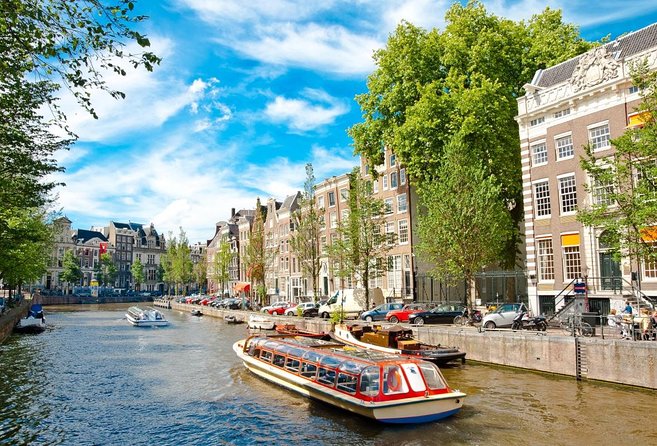
Amsterdam can feel like a photo album at first. The streets are pretty, sure, but the city’s logic takes a minute to show itself. This tour gives you a guided way to connect the dots quickly, so you stop seeing random buildings and start seeing how the city changed.
I like that the focus stays on history and culture, not shopping stops. And I like that you’re walking through core areas where the past is still part of everyday life—squares, churches, and canals you keep noticing after the tour ends.
The timing also matters. With about 2 hours on the clock, you can do this early in a visit and feel oriented fast, without committing your whole day.
You can also read our reviews of more walking tours in Amsterdam



Damrak and Dam Square: The City’s Power Center, Explained Simply

The walk starts near Damrak, at Damrak 1-5. From there, you head into Dam Square, which has held political and cultural importance for centuries. That’s the key idea you’ll carry with you: this is not just a central plaza where people pass through. It’s a long-running stage for how the city thinks and organizes itself.
What makes this stop valuable is the guide’s framing. Instead of treating Dam Square like a landmark you check off, you’ll hear how it functioned as a core civic space. That helps you look at the same streets later and understand why certain parts of the city stayed central while others evolved.
Practical tip: since Dam Square sits in a heavy-traffic area, expect a bit of crowd energy. You’ll move through it efficiently, but comfortable shoes matter.
UNESCO Canal Ring: Where Urban Planning Becomes a Story
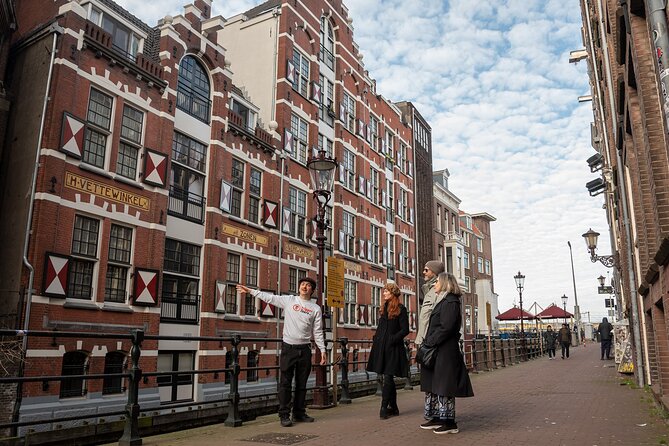
Next comes Amsterdam’s canal ring, a UNESCO World Heritage Site and one of the most scenic sections of the city. The tour’s approach here is smart: you don’t just look at canals. You learn why this design earned UNESCO attention, including the idea of innovative urban planning and engineering.
This is the stop where the tour often changes how you view photos. You’ll start noticing structure—how the waterways shape movement, how the city layout supports life, and how the canals connect culture and daily routines. Even if you’ve already seen canal views from the street, you’ll get a clearer mental map after the explanation.
Since this is still a walking tour, you’ll want to pay attention when the guide points things out. The canals are visually stunning, but the details are what make the time feel worth it.
Oude Kerk: Amsterdam’s Old Church and the Surprising Shift in Purpose
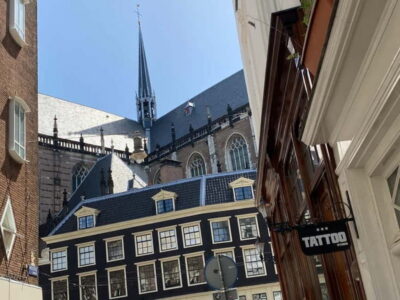
Then you reach one of the emotional anchors of the walk: Oude Church, described as Amsterdam’s oldest surviving building, dating back to the 13th century. The tour also explains the transformation in religious use: it was originally a Catholic church, later used by Protestant congregations, and today it functions as a cultural center.
This stop is more than architecture. It’s about change over time. When a building survives centuries and switches roles, it becomes a witness. You’ll walk away with a clearer sense that Amsterdam’s history isn’t only political or economic—it’s also personal and spiritual, written into the walls and the way the building is used now.
If you’re the type who likes history you can still touch, this is a strong moment. And it’s also a good one for questions because the guide can connect the church’s timeline to the wider city story you’re building on the walk.
Nieuwmarkt: Market Life on Top of 17th-Century City Walls
The final main stop is Nieuwmarkt, once the site of Amsterdam’s 17th-century city walls. Today, it’s a working city square: it’s known for a daily market, plus cafés and restaurants, surrounded by historic buildings.
I love this kind of contrast. You’re standing where the city used to defend itself, then watching everyday life happen right in the same area. It’s one of the easiest ways to feel history without needing a museum ticket.
Nieuwmarkt is also a great place to pick up practical travel instincts. Since locals use it and visitors circulate through it, it’s a useful reference point for how the neighborhood atmosphere changes as you move away from the center.
Note: the tour doesn’t include food and drinks. If you want a snack while you’re out, plan to buy it yourself nearby after the walk—or bring something you don’t mind carrying for the last stretch.
You can also read our reviews of more historical tours in Amsterdam






The Local Guide Factor: Why This Tour Wins on Storytelling
This is where the experience often feels different from a basic walking pass. The guide’s job isn’t just to point. It’s to connect, explain, and answer what you’re actually curious about while you’re on your feet.
In the recent feedback, the guide Gio comes up again and again—enthusiastic, fun, and able to explain details clearly. One big plus: Gio’s style makes the city feel like it’s moving forward instead of staying trapped in textbooks. Another big plus: the guide can answer questions, which turns the tour into something closer to a conversation than a lecture.
If you care about learning how Amsterdam “works” culturally—how people live, gather, and use historic spaces—this guide-led format is the part you’ll remember most.
What You Actually Do During the Walk (And How to Prepare)
You’re out for about 2 hours, moving between central areas on foot. Since this is a walking tour, wear shoes you trust. Amsterdam cobblestones can be charming and also unforgiving, especially if your shoes are slippery or your feet aren’t used to long city walks.
You’ll also want to plan around attention. The best moments on this route happen when you stop briefly, listen, and take in what the guide points out. Try not to treat it like a sightseeing checklist where you can scroll through your phone the whole time. The guide’s value is in the explanations.
Logistically, the tour uses a mobile ticket, and it’s offered in English. You’ll get confirmation at booking, and the tour caps at a maximum of 15 travelers, which helps keep the pace from turning hectic.
Price and Value: What $41.10 Buys You in Amsterdam
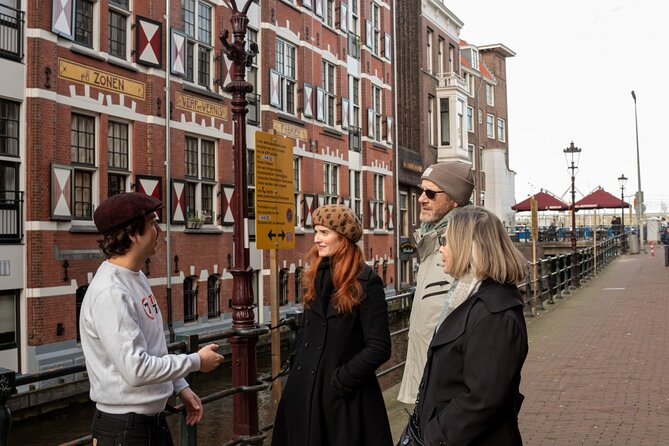
At $41.10 per person for roughly two hours, this is priced like an organized, guide-led experience in the center of Amsterdam. What makes it feel like good value isn’t only the price tag—it’s what’s included.
You get:
- A local guide
- A private tour setup for your group (with a maximum of 15 people)
You also get a route that covers multiple high-interest areas in one go: a central civic square, the UNESCO canal ring, the oldest surviving church building, and Nieuwmarkt’s market square tied to earlier city defenses.
What you don’t get is food or drinks. That’s normal for a walking tour, but it affects value if you expect a full meal included. If you plan ahead with a snack strategy, the cost-to-time ratio feels fair.
Also, this tour is commonly booked about 6 days in advance on average, so if you know you want this day, it’s worth reserving early rather than gambling on last-minute availability.
Who This Tour Suits Best (And Who Might Prefer Something Else)
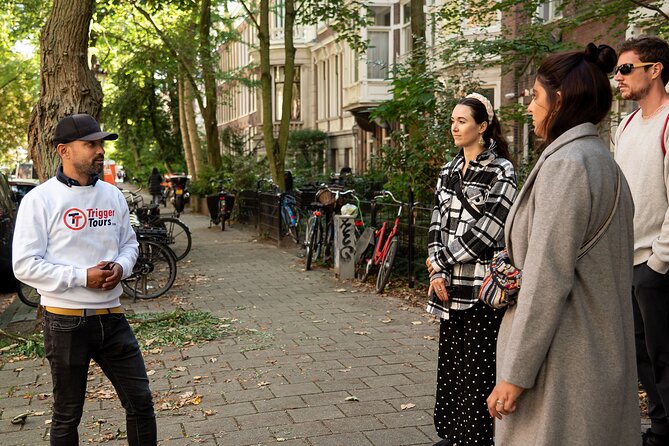
This works best if you:
- Want an overview of Amsterdam’s center without doing everything alone
- Like history that explains why places matter today
- Enjoy asking questions instead of just listening to yourself wander
It’s also a good fit for first-timers because it hits key parts of the city where you’ll keep returning in your plans.
You might consider a different format if you strongly prefer long, self-paced exploration with minimal stopping. This is still a walking tour with guided moments, not a slow drift where you control every pause.
Good news for logistics-minded people: the tour is marked as near public transportation, and most travelers can participate. Service animals are allowed too.
Should You Book This Amsterdam History Walking Tour?
I’d book this if your goal is to understand Amsterdam’s “why” in a short window. The combination of a small group, a guide who can explain clearly (including the standout enthusiasm tied to Gio), and stops that range from Dam Square to Oude Kerk to Nieuwmarkt makes it a smart use of time.
Skip it only if you already feel comfortable with Amsterdam history and you prefer to explore without a guide. But if you want the city to click faster—especially around the places that shape how Amsterdam lives now—this is a practical, high-value way to do it.
FAQ
How long is the Small-Group Culture & History Walking Tour of Amsterdam?
It runs for about 2 hours.
What is the price per person?
The price is $41.10 per person.
Is the tour offered in English?
Yes, it’s offered in English.
How big is the group?
The tour has a maximum of 15 travelers.
Where does the tour start?
The meeting point is Damrak 1-5, 1012 LG Amsterdam, Netherlands.
Where does the tour end?
The activity ends back at the meeting point.
Is food or drinks included?
No, food and drinks are not included.
Do I need a printed ticket?
You’ll use a mobile ticket.
Is a local guide included?
Yes, a local guide is included.
What is the cancellation policy?
You can cancel for a full refund up to 24 hours in advance. If you cancel less than 24 hours before the start time, the amount you paid is not refunded. Confirmation is received at booking, and service animals are allowed. The tour is also near public transportation, and most travelers can participate.