REVIEW · WALKING TOURS
Amsterdam: Guided Cultural Walking Tour
Book on GetYourGuide →Operated by Amsterdamliebe · Bookable on GetYourGuide
Dam Square teaches Amsterdam fast. I love the way the guide connects landmarks to real stories, from Medieval life to the Golden Era and the shock of World War II. I also like the practical route: canal-side stops, bridges, and Begijnhof in just two hours. One thing to plan for: you will be walking the whole time, so bring comfortable shoes and expect to cover ground.
You start at the National Monument in the middle of Dam Square, then you work outward through the city’s central pulse before looping back to the same place. Along the way, you’ll see major civic and cultural sites, plus a few smaller details that make the bigger history feel human.
In This Review
- Key Highlights You’ll Feel on This Walk
- Why This 2-Hour Cultural Walk Is a Smart First-Day Choice
- Dam Square to the Royal Palace: The Civic Heart of Amsterdam
- Beurs van Berlage and Magna Plaza: Trade, Money, and New Use for Old Streets
- Torensluis Bridge and Multatuli’s Tiny-House Detail
- Anne Frank Monument, Westerkerk, and the WWII Thread
- Homomonument and De Negen Straatjes: Identity, Streets, and Where You Go Next
- Begijnhof: The Quiet Courtyard That Changes Your Pace
- The Amstel River Back to Dam Square: Closing the Loop with Meaning
- Price and Value: What $29 Gets You (and What It Doesn’t)
- Who Should Book This Walk—and Who Might Skip It
- Should You Book This Amsterdamliebe Walking Tour?
- FAQ
- Where do we meet for the tour?
- How long is the walking tour?
- How much does it cost?
- What languages are offered?
- Is this tour wheelchair accessible, and is it available as a private group?
- Are there admission fees for the sights on the route?
- Are food and drinks included?
- What should I bring with me?
- Is cancellation free, and can I book without paying right away?
Key Highlights You’ll Feel on This Walk
- Dam Square to the Royal Palace area: why this square matters and how the city grew around it
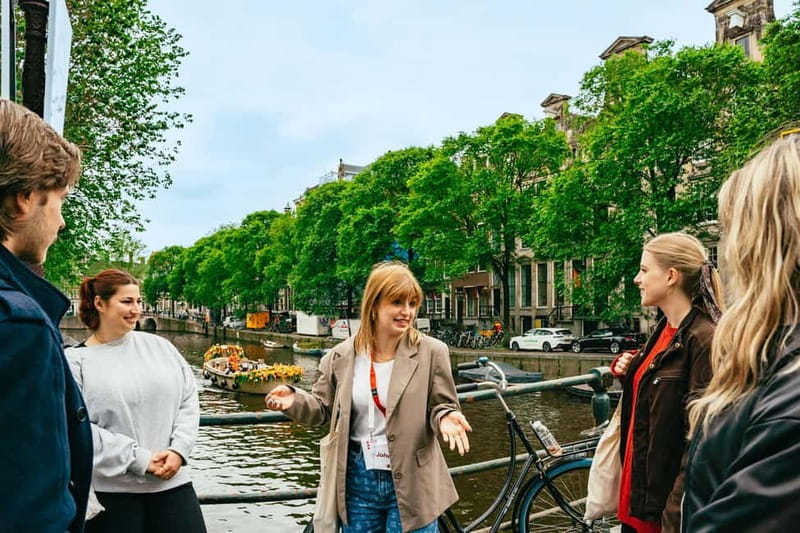
- Amstel River storytelling: the river behind the city’s name, plus canal-house scenery
- Torensluis Bridge and Multatuli: colonial-era context at a spot you might otherwise rush past
- WWII memory stops: Anne Frank Monument plus the National Monument at the start and end
- Begijnhof courtyard: a quieter pocket of Amsterdam tucked behind the main streets
- Nine Streets (De Negen Straatjes): an easy-looking neighborhood that’s actually great to explore later
Why This 2-Hour Cultural Walk Is a Smart First-Day Choice
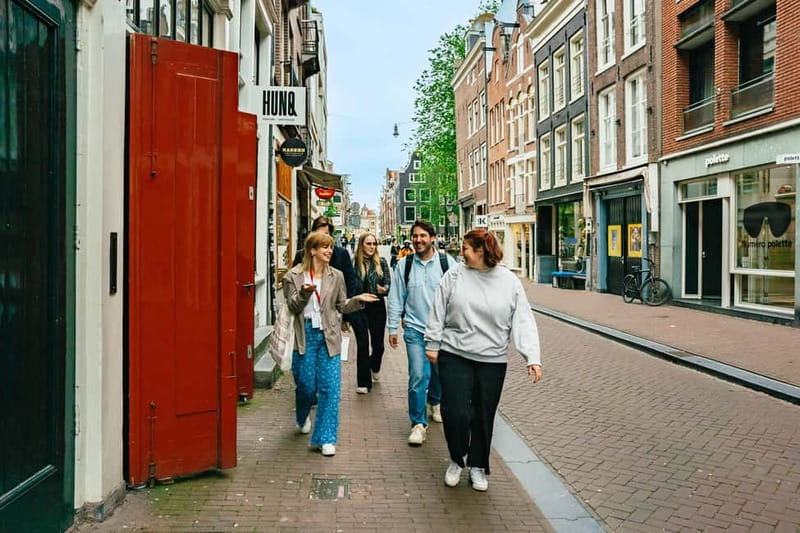
Amsterdam can feel like a giant open-air museum—until you realize you’re not sure what you’re looking at. This tour is built for that moment. It gives you a clean, center-city loop that mixes civic power (royal and national landmarks), everyday life (housing and street patterns), and major historical turns.
The route also keeps your time efficient. You don’t spend your half-day chasing tickets or separate transport plans. Everything is close enough to walk, and you’re done in about two hours, with a pace that includes photo stops and short guided segments rather than nonstop lecturing.
Price is also easy to weigh here. At $29 per person, you’re mostly paying for the guide’s explanations and the walking plan that strings the sights together. You’re also not paying admission fees during the tour, which helps the value math compared to museum-heavy days.
You can also read our reviews of more walking tours in Amsterdam



Dam Square to the Royal Palace: The Civic Heart of Amsterdam
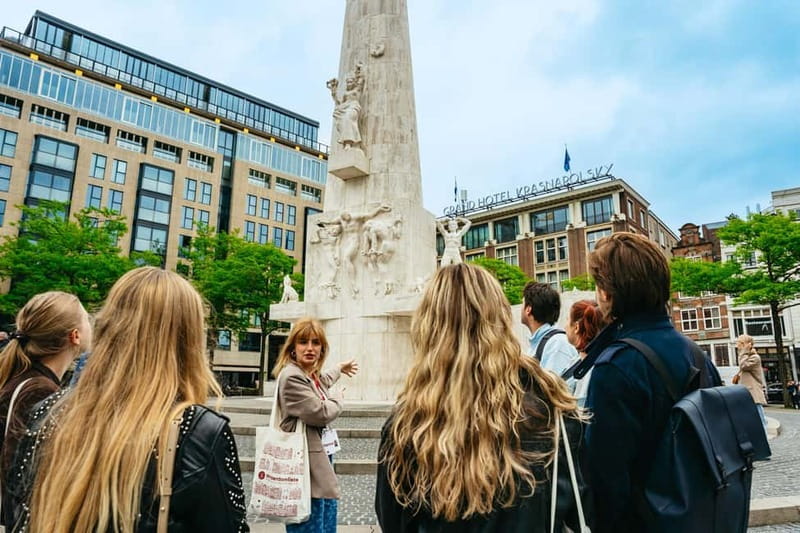
You begin on the steps of the National Monument at Dam Square, a big white obelisk that makes it hard to get lost. Dam Square isn’t just a pretty start. It’s the city’s founding point, so every big story you hear later has a direct link back to this spot.
From there, you move into the Royal Palace area with a quick photo stop and a short guided explanation. You’ll also pass by the New Church (Nieuwe Kerk), the former main post office, and get a feel for how this zone has long attracted attention—from commerce to politics to public life.
What I like about this portion is that it doesn’t treat the center like a lineup of monuments. It frames these buildings as answers to questions people in Amsterdam were asking for centuries: Who has power? How does trade shape the city? What does the public expect from leaders?
Practical tip: This part is easiest if you’re comfortable standing still for a couple minutes while photos happen. If you want constant motion, plan to bring patience—this tour uses short stops on purpose.
Beurs van Berlage and Magna Plaza: Trade, Money, and New Use for Old Streets
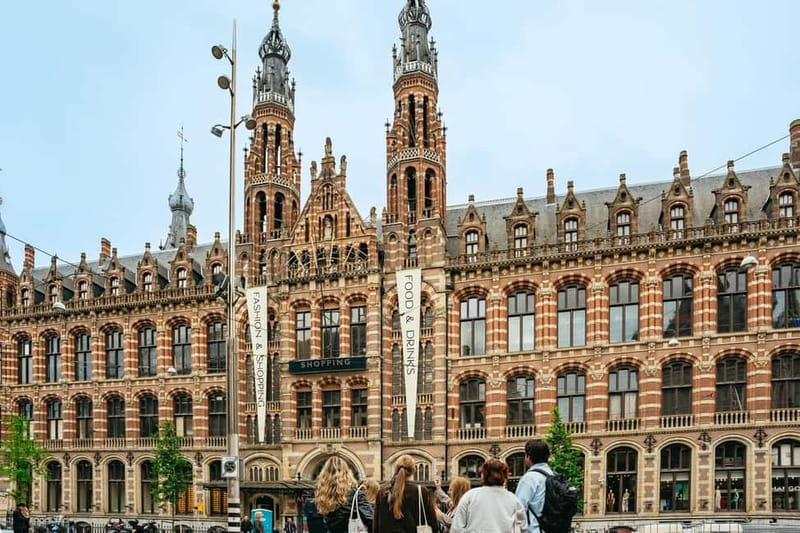
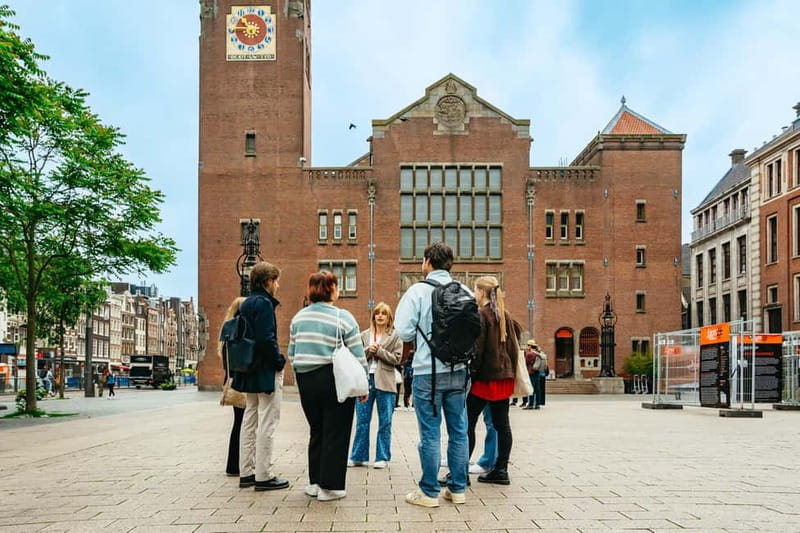
Next, you’re in the orbit of major commercial architecture. Beurs van Berlage is a highlight because it signals Amsterdam’s long obsession with trade and finance. You’ll get a guided snapshot of why this kind of building mattered, not just that it exists.
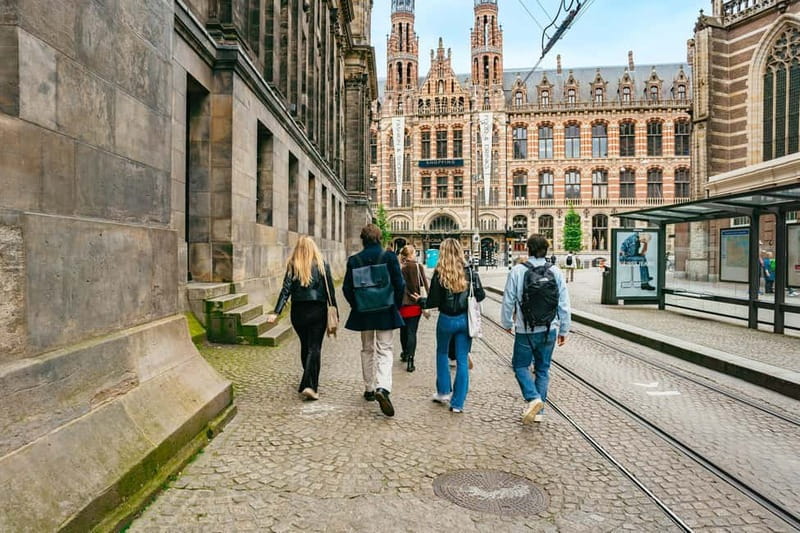
Then you pass Magna Plaza, which adds a modern contrast to the older commercial story. This mix helps you understand Amsterdam as a city that keeps reusing and reframing what’s already here.
This segment is a good example of why a guide matters. From street level, you can see impressive facades and still miss the point. The guide’s job here is to connect the dots: who built these spaces, what they were for, and how the city’s economic identity shaped daily life.
What to watch for: Keep an eye on how street corners funnel foot traffic. Amsterdam’s center often feels “designed” for moving people through busy areas, even when the streets look narrow.
Torensluis Bridge and Multatuli’s Tiny-House Detail
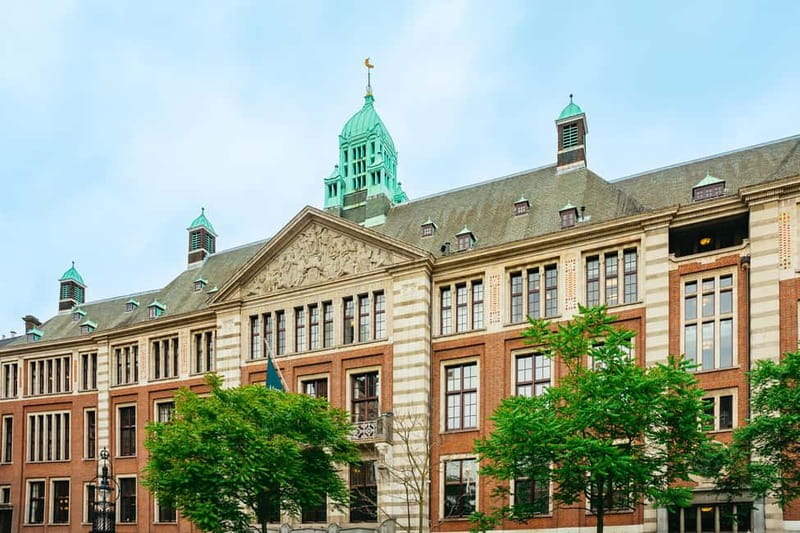
One of the most memorable stops is around Torensluis Bridge and the Multatuli statue. This is where the tour leans into story texture: you’ll hear about the colonial era and why it shows up in Amsterdam in specific ways, not just as an abstract historical topic.
You also get a look at one of the tiniest houses in the city. That detail sounds small, but it’s a powerful teaching tool. When you see a tiny house in context, you immediately understand how crowded medieval living could be and how sharply daily life varied by social class.
The value here is emotional clarity. The guide ties the built environment to real human experiences: where merchants and salesmen likely lived, and how the poor navigated a city that didn’t treat everyone equally.
Practical tip: This is a great section to ask questions during the stop. If you’re curious about colonial history in Amsterdam, this is one of the cleanest places on the route to start.
Anne Frank Monument, Westerkerk, and the WWII Thread
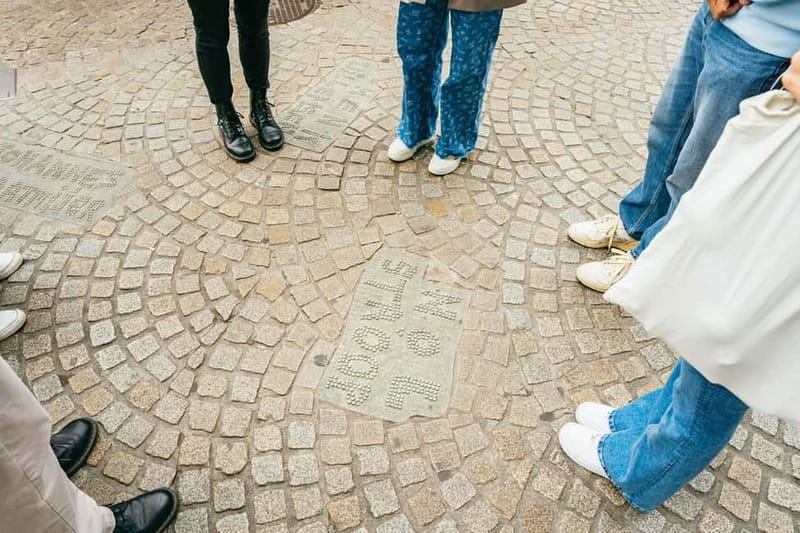
After the colonial-era stories, the tour pivots to WWII memory. You stop at the Anne Frank Monument, then continue through the surrounding area with short photo moments and guided context.
This is where the tour becomes more than “pretty streets.” The guide explains how World War II changed the people of the city. It’s the kind of information that makes you look differently at what you see next—because you start noticing how Amsterdam marks loss, remembrance, and identity.
Westerkerk also enters the picture here. Even if you only have a glance, it helps anchor your understanding of Amsterdam’s religious and civic architecture in the same central footprint where modern history unfolds.
If you’re visiting for the first time and you want to feel grounded, this is the point to slow down mentally. Let the stories land before you move on to the shopping streets and quiet courtyards.
Heads-up: This portion can feel heavier, even with the tour’s lighter tone. If you’re traveling with kids, know that the route still keeps it approachable.
You can also read our reviews of more guided tours in Amsterdam




Homomonument and De Negen Straatjes: Identity, Streets, and Where You Go Next
You’ll then pass by the Homomonument, an important stop that adds another layer to Amsterdam’s identity. It’s a reminder that tolerance isn’t just a slogan—it’s something communities fought for, and the city keeps marking in public space.
From there, you move toward De Negen Straatjes, the Nine Streets area. This is where you transition from “tour mode” to “exploration mode.” The guide keeps the stop short, but you’ll hear how the area fits into Amsterdam life and why it’s worth revisiting on your own.
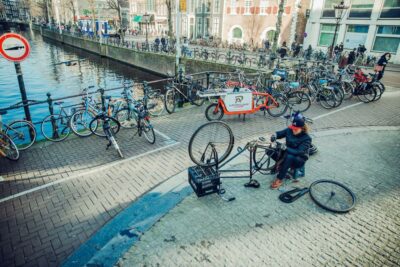
This is also a smart moment for practical planning. The guide can point out how you can discover certain districts independently by bike, which matters in Amsterdam because cycling isn’t optional here—it’s the city’s rhythm.
Practical tip: After the tour, Nine Streets is ideal for browsing at a relaxed pace. Don’t cram it right after ending—give yourself a breather first so it doesn’t feel like one long sprint.
Begijnhof: The Quiet Courtyard That Changes Your Pace
Begijnhof is often the stop that surprises people. The main streets feel like Amsterdam’s busy public face, but Begijnhof is a calmer, tucked-away space. On this walk, you cross Spui Square on the way in, so you feel the shift from movement into stillness.
The guided time here is focused: you’ll learn what makes Begijnhof special and get a sense of local way of life through the architecture and layout. This courtyard works as a contrast to the monumental and memorial stops earlier—like the tour is showing you Amsterdam’s outward voice and inward refuge.
If you remember just one thing from this part, make it this: Amsterdam’s history isn’t only in famous buildings. It’s in the spaces people created for daily living, community, and quiet routines.
What to bring: A light layer can help here if the courtyard feels cooler than the open square streets.
The Amstel River Back to Dam Square: Closing the Loop with Meaning
On the way back, you’ll see the Amstel River—the river that gave the city its name. The walk closes the circle by returning you to the National Monument at Dam Square, the place you started.
This final leg matters because it ties the whole experience together. Earlier you learned about the city’s founding square and major historical changes; now you get the natural geography that helped shape settlement, transport, and the signature canal-city look.
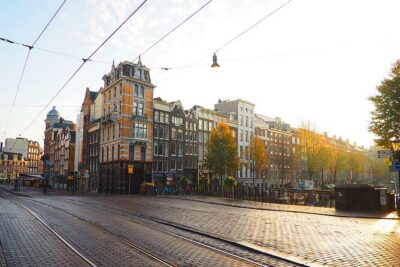
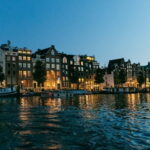
It’s also a good moment to absorb visuals without a nonstop history lecture. Look at the canal houses and bridges as “evidence” of the stories you heard—trade, class, survival, memory, and change.
Practical tip: If rain shows up, don’t panic. Bring an umbrella as the tour suggests, and keep your shoes dry enough for the final stretch.
Price and Value: What $29 Gets You (and What It Doesn’t)
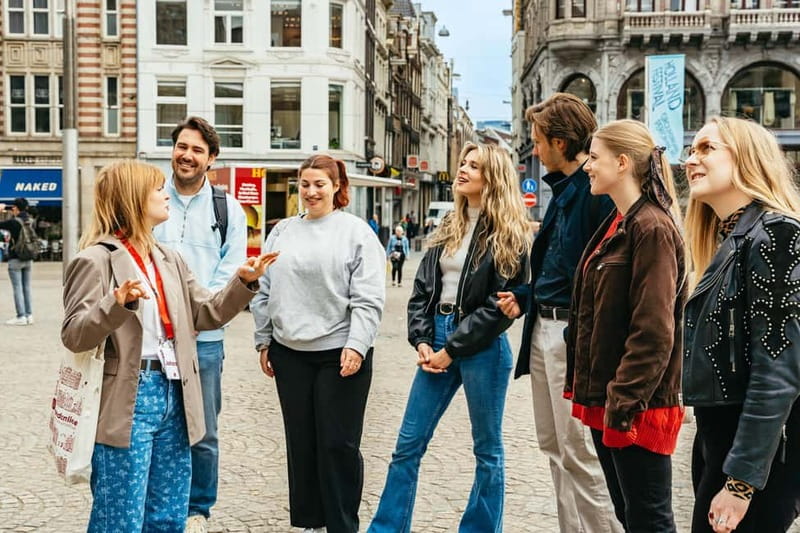
At $29 per person for about two hours, you’re paying for a guided route through central Amsterdam. The big value pieces are:
- You get a structure that links major landmarks into a narrative instead of scattered sightseeing.
- You don’t pay admission fees during the tour, since the stops are free to visit.
- You walk with a guide who can recommend what to do next after the tour, including foods to try and districts worth exploring on your own.
What you should not expect is food included. Drinks and snacks are on your own, so plan to carry water and maybe grab something nearby afterward.
If you’re trying to maximize your first day, this is one of the easiest “bang for buck” options. It’s also a good pick if you don’t want museum crowds or you just want orientation that makes later self-guided wandering way more satisfying.
Who Should Book This Walk—and Who Might Skip It
Book it if:
- You want an Amsterdam overview without committing to a full museum day
- You like historical context tied to real places
- You want a route you can reuse as a mental map later
Consider skipping (or pairing differently) if:
- You hate walking for a solid two hours, even with short stops
- You mainly want art museums and don’t care about memorial and civic sites
This tour is suitable for children, and it’s wheelchair accessible. Private group options are also available if you’re traveling with friends or want a quieter, more flexible vibe.
Should You Book This Amsterdamliebe Walking Tour?
Yes, if you want a compact, high-impact introduction to Amsterdam’s center. The route hits the landmarks you’ll keep running into later—Dam Square, Royal Palace area sights, major bridges, WWII memory points, Begijnhof, and the Amstel River—and it gives you enough story to make those places click.
If you’re on a tight schedule, the timing is the selling point. Two hours is long enough to learn the city, short enough to still enjoy the rest of your day on your own. For $29 with a guide and no admission fees during the walk, the value is strong.
FAQ
Where do we meet for the tour?
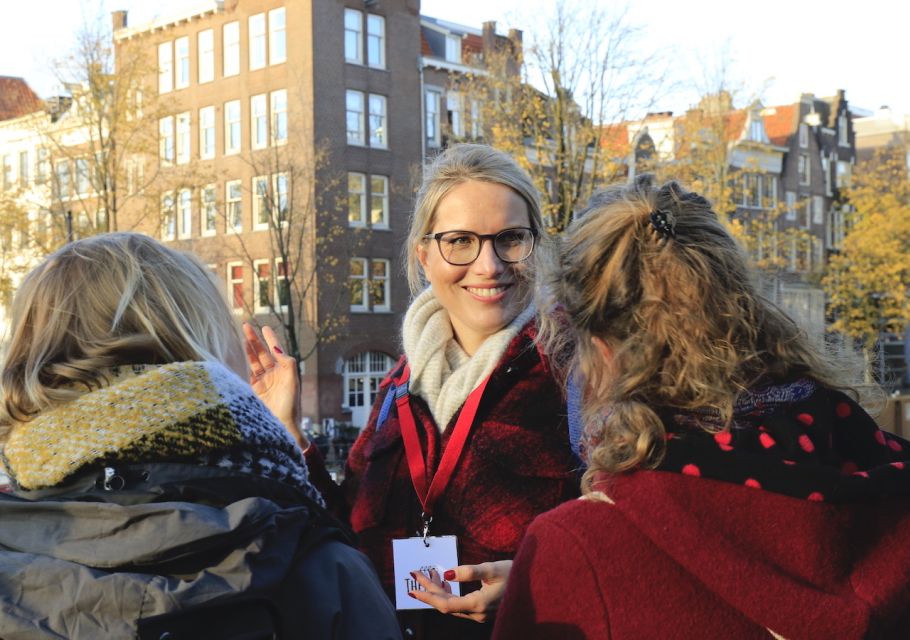
Meet on the stairs of the National Monument at Dam Square. The tour guide will be wearing a red name tag around their neck. The tour ends back at the same meeting point.
How long is the walking tour?
The tour runs for 2 hours. Starting times vary, so you’ll need to check availability to pick the slot that works for you.
How much does it cost?
It’s $29 per person.
What languages are offered?
The live guide offers English and German.
Is this tour wheelchair accessible, and is it available as a private group?
Yes, the tour is wheelchair accessible. Private group availability is also offered.
Are there admission fees for the sights on the route?
No. You will not have to pay admission fees during the tour because all sights can be visited for free.
Are food and drinks included?
No. Food and drinks are not included.
What should I bring with me?
Bring comfortable shoes, an umbrella, and water.
Is cancellation free, and can I book without paying right away?
Yes. There is free cancellation up to 24 hours in advance for a full refund. You can also reserve now and pay later to keep plans flexible.
If you want, tell me your travel dates and what style you like (lighter and funny vs. more reflective history), and I’ll suggest the best starting time and what to do right after the tour.