REVIEW · 2-HOUR EXPERIENCES
2 Hour Making Rembrandt’s Traditional Oil Paints in Amsterdam
Book on Viator →Operated by Rembrandt Paint Maker · Bookable on Viator
If you like art that you can touch, this is it. This Rembrandt oil paint workshop turns Amsterdam sightseeing into hands-on craft, using 14 natural pigments you mix yourself.
What I like most is that you get real process, not just museum-style talk, and you do it in a private class setting with instructor Eric guiding you step by step.
You’ll also leave with a personal small painting you made with your own handmade paint mix. One possible drawback: it’s only about 2 hours, so it’s not the kind of class that gives you days of painting practice or a full-size artwork.
In This Review
- Key points to know before you go
- Why mixing Rembrandt-style paint is a smart Amsterdam choice
- Meeting at Nieuwe Doelenstraat: what the start feels like
- 14 natural pigments and linseed oil: the core lesson
- Creating your mini masterpiece: turning paint into art
- Is it worth the money? Price, value, and what you’re paying for
- Who this workshop fits best (and who might want another plan)
- Practical tips to get more out of your 3:00 PM–7:00 PM slot
- Should you book this Rembrandt paint-making class?
- FAQ
- How long is the Rembrandt oil paint workshop?
- Where is the meeting point in Amsterdam?
- Is the workshop offered in English?
- Is this a private class?
- What will I create during the workshop?
- Is the ticket mobile?
- Can I cancel for free?
Key points to know before you go
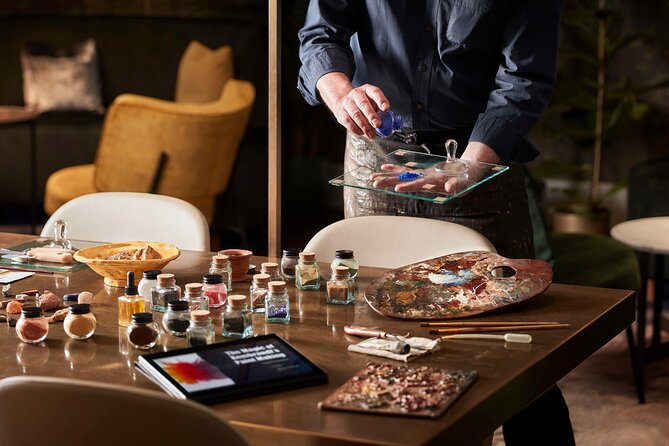
- Handmade oil paint experience: you mix pigments into oil paint the traditional way.
- 14 natural pigments: you’re taught to build a wide color range from simple ingredients.
- Rembrandt techniques, explained in plain language: learn what shaped the look of Dutch master paintings.
- Private class: only your group participates, so questions don’t get lost.
- Eric’s instruction stands out: the guide’s knowledge makes the process feel practical.
Why mixing Rembrandt-style paint is a smart Amsterdam choice
Amsterdam can swallow your time. One day turns into five because you’re bouncing between canals, museums, and neighborhoods. This kind of workshop is different because you’re not just looking at art—you’re making paint, then using it. That swap changes how you’ll see Dutch art afterward.
I also like that the activity is built for people with limited time. A 2-hour format means you can fit it around a museum day, a canal cruise, or a late afternoon stroll. The session runs daily from 3:00 PM to 7:00 PM, so you can usually pick a slot that works with your plan.
And here’s the best part for art lovers: learning color theory through experience. You’re using natural pigments and linseed oil in the style associated with Rembrandt, so the color story becomes physical. You learn why certain mixes behave the way they do—how they feel, how they cover, and how you build a small painting with paint you made yourself.
One more practical note: it’s in English, and most people can participate. So you don’t need an art background to enjoy it.
You can also read our reviews of more tours and experiences in Amsterdam



Meeting at Nieuwe Doelenstraat: what the start feels like
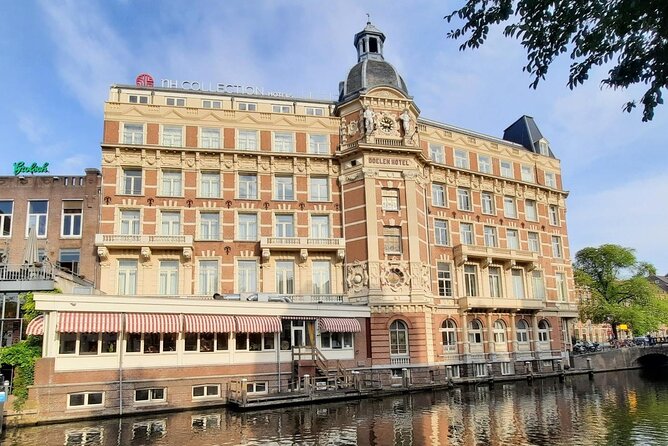
The workshop meets at Nieuwe Doelenstraat 24, 1012 CZ Amsterdam. It’s in the inner city, and the listing notes it’s near public transportation, which matters because Amsterdam traffic and walking can be unpredictable when you’re trying to stay on schedule.
The session returns to the same place at the end, so you’re not building a complicated travel route. That’s a small thing, but it keeps your evening calm. After the 2-hour class, you can head back out for dinner or a canal walk without worrying about getting to a second location.
This is also a private tour/activity. That means only your group participates, which typically makes it easier to ask questions and get tailored help while you’re mixing. In a hands-on setting, that one detail can make the whole experience feel smoother—especially if you’re someone who asks why something works the way it does.
You’ll receive confirmation at booking and the experience uses a mobile ticket. That’s useful in Amsterdam, where last-minute paper tickets can be a hassle.
14 natural pigments and linseed oil: the core lesson
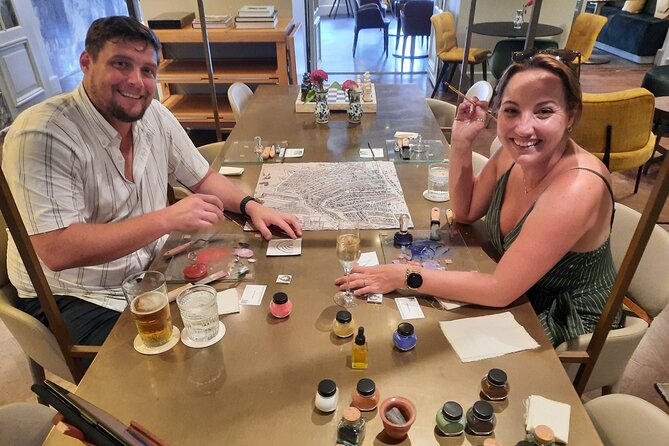
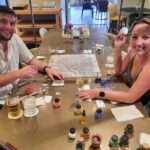
This workshop’s main goal is simple: you make handmade oil paints, inspired by Rembrandt. The method is interactive. You’re not watching someone do everything while you sit back. You get a chance to mix and create your own paint colors using 14 natural pigments.
Why that matters: when you mix pigment and oil, you learn why artists made specific choices. Rembrandt’s look wasn’t magic—it was chemistry plus technique plus patience. In this class, you’re learning the practical side of that connection. The instructor blends a bit of history into the pigment mixing process, so it feels like more than craft trivia.
From the information provided, the session focuses on:
- making your own oil paint using natural pigments
- learning about Rembrandt van Rijn and his techniques
- building an “endless color pallet” by mixing and adjusting tones
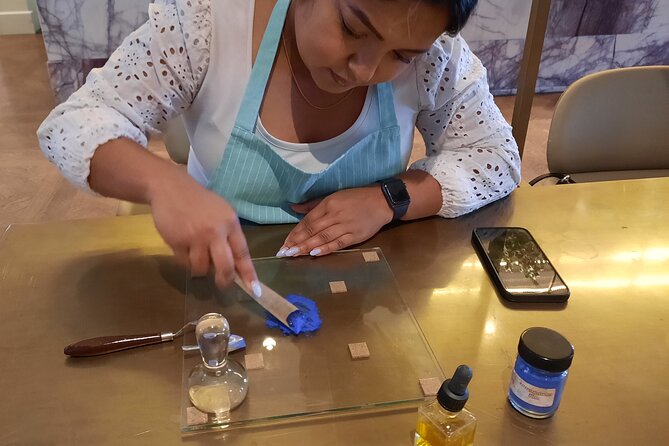
And the reviews highlight the same thing: the way instruction is tied directly to the materials. Eric’s approach is described as mixing along with participants using methods aligned with how Rembrandt would have worked in his time. When a guide explains technique while you do it, it sticks faster. You’re not just hearing about traditional paint—you’re handling it.
One thing to keep in mind: because pigments are natural, you may notice subtle differences in how colors behave compared to modern tube paints. That’s part of the point. Expect a learning curve, not perfection on the first try.
Creating your mini masterpiece: turning paint into art
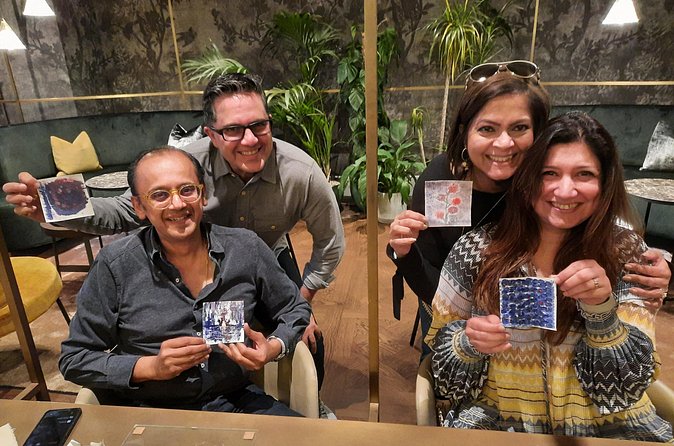
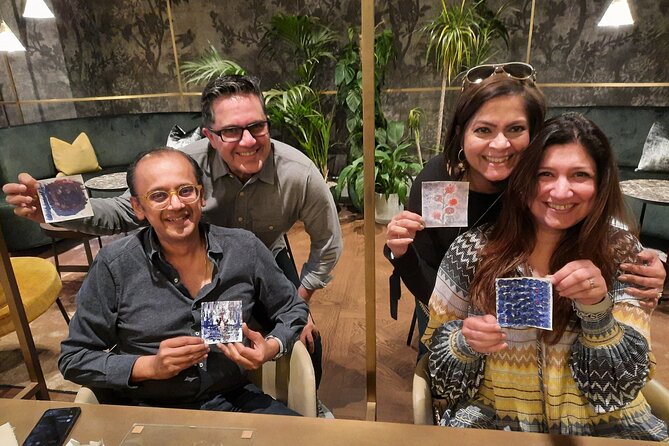
After you’re comfortable with the paint mixing, the workshop shifts to making. You’ll create a mini masterpiece using your handmade paint. The experience is short, but it’s designed so you end with something tangible—something you can take home or at least walk away proud of.
The color mixing isn’t just a classroom exercise. It becomes your palette for painting. That’s why the experience tends to stick with people: you connect the technical process to the final visual effect. You learn how a mix looks on the brush and how it performs on the surface you’re working on.
This is also where the private setting helps. If your mix is too strong, too pale, or just not reading the way you expected, you get personal attention. The reviews specifically praise the level of guidance, including the instructor making the session feel special through hands-on teaching.
If you’re the type who likes structure, you’ll probably appreciate the flow: history and technique come first, then pigment work, then painting. If you’re more freestyle, the class still gives you a safe framework—because you’re working with guided steps, you’re not stuck guessing the entire time.
Is it worth the money? Price, value, and what you’re paying for
The price is $114.88 per person for about 2 hours. On paper, that can sound like a lot—until you compare what you’re getting.
You’re paying for:
- private, instructor-led attention
- a hands-on process of making oil paint from natural pigments
- a chance to create your own finished mini painting
- instruction in Rembrandt-inspired technique, in English
In other words, you’re not just buying entry to a workshop space. You’re buying expertise plus materials plus the time someone guides you through a skill. That’s why the format works well for visitors who don’t want an all-day commitment. You can treat it like a “skill stop” instead of a long-day art project.
One more value clue: the workshop is often booked in advance. It says the average booking timing is about 45 days ahead. That’s not a guarantee you’ll struggle to find a slot, but it’s a sign this isn’t something you should leave to the last minute if your schedule is fixed.



Who this workshop fits best (and who might want another plan)
This workshop is a strong match if:
- you love art and want to understand techniques by doing them
- you’re curious about how Rembrandt van Rijn achieved the look of his paintings
- you want a creative activity that doesn’t eat your whole day
- you enjoy color work and learning through hands-on mixing
It’s also a good choice for a smaller, more personal experience in Amsterdam. When you travel with an art-obsessed partner or friends who want something different from museums, a private class can feel refreshing.
Who might hesitate? If you’re expecting a long painting session, a big studio atmosphere, or a full museum-like lecture, the 2-hour window may feel short. You also won’t get hours and hours of trial-and-error. This is about learning the process and producing a finished piece of the session’s scope.
Practical tips to get more out of your 3:00 PM–7:00 PM slot
You’ll choose a time within Monday–Sunday, 3:00 PM–7:00 PM. Since the experience runs for about 2 hours, aim to plan a clear buffer before and after. Amsterdam evenings can be walk-heavy, and you don’t want to feel rushed while you’re still learning a new process.
Also, build your day around the class pace. If you schedule a museum sprint immediately before, you might show up mentally tired. Better: treat it as the main creative event, then let the city be your reward afterward.
Finally, if you’re sensitive about clothes, it’s reasonable to wear something you don’t mind getting paint on by accident. Oil paint can be stubborn. Even with careful guidance, a workshop is still a workshop.
Should you book this Rembrandt paint-making class?
If you want an Amsterdam experience that feels personal and teaches you something practical, I’d book it. The biggest reasons are hands-on oil paint mixing, the Rembrandt technique focus, and the fact that you do it in a private class with Eric’s instruction leading the way.
It’s especially worth booking if you’re an art lover who’s tired of only looking. This one turns looking into making, and that shift tends to pay off the next time you see Dutch painting up close.
If you’re unsure, ask yourself one question: do you want to spend your limited time in Amsterdam learning a skill you’ll remember? If yes, this is a great use of your schedule.
FAQ
How long is the Rembrandt oil paint workshop?
It lasts about 2 hours.
Where is the meeting point in Amsterdam?
You meet at Nieuwe Doelenstraat 24, 1012 CZ Amsterdam, Netherlands.
Is the workshop offered in English?
Yes, it’s offered in English.
Is this a private class?
Yes. Only your group participates.
What will I create during the workshop?
You’ll make your own hand made Rembrandt-inspired oil paints and paint your own mini masterpiece.
Is the ticket mobile?
Yes, the tour uses a mobile ticket.
Can I cancel for free?
Yes. Free cancellation is available up to 24 hours in advance for a full refund.