REVIEW · AMSTERDAM
Amsterdam: Kultour, Kulturelle Stadtführung mit Herz & Seele
Book on GetYourGuide →Operated by Herzblut Amsterdam Stadtführungen · Bookable on GetYourGuide
A city tour with a giant mosaic. The guide uses the massive mosaic in Beurspassage as a story map, and the small group format keeps the pace human and the questions flowing. The only catch is it is German only, so plan on solid basics or have a translation app ready.
You meet at Beursplein/Damrak opposite Primark, and you’ll spot your guide by a black-and-white striped band. Expect 2 hours of walking, rain or shine, with stops focused on buildings, culture, and what shaped Amsterdam over time.
The second half shifts to the Grachtengordel, where you watch residents go about their day instead of just chasing photos. If you like history told through streets and facades, this type of tour fits well.
In This Review
- Key things that make Kultour worth your time
- Amsterdam Kultour in two hours: what makes it different
- Where the tour starts on Damrak: Beursplein meeting point tricks
- The giant Beurspassage mosaic: your mosaic-powered storybook
- Historic buildings, street art, and architecture with a point
- Grachtengordel canal belt walk: seeing daily life, not only postcards
- Outside the beaten track, with the intimacy of a small group
- Price and value: what $30 gets you in Amsterdam
- What to wear and bring so the tour feels easy
- Language matters: German guide and how to make it work
- Wheelchair access vs mobility limits: check this before you book
- Should you book Amsterdam Kultour? The right fit
- FAQ
- FAQ
- How long is the Amsterdam Kultour tour?
- What language is the guide speaking?
- Where do I meet the guide?
- Where does the tour end?
- How big is the group?
- Is this tour wheelchair accessible?
- Are food or drinks included?
- Are entry fees included?
- What should I bring and wear?
Key things that make Kultour worth your time
- A giant Beurspassage mosaic as your history tool: you use it like a picture book to connect themes across time.
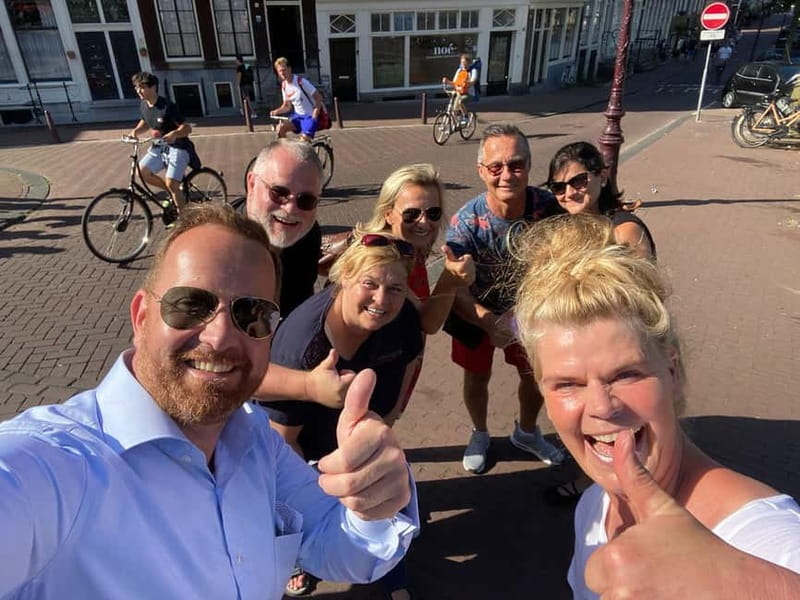
- Small group size up to 10: you get more attention and a calmer rhythm than big-group tours.
- A culture-first Amsterdam walk: not just sights, but the way people live and talk about their city.
- Architecture, street art, and details with explanations: you learn what to notice before you look.
- Grachtengordel canal-belt atmosphere: you get insider context for how the area works day to day.
- German-speaking guide focused on fun facts: the tone is upbeat and entertaining, not dry.
Amsterdam Kultour in two hours: what makes it different
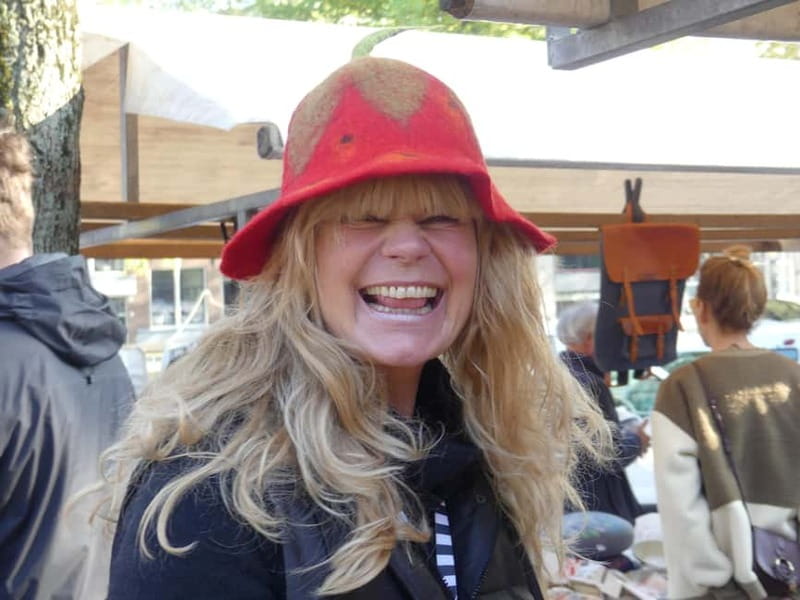
This isn’t a standard checklist tour. The big idea is that Amsterdam’s story comes from what you can actually see on the street, then from the guide’s explanations that connect those visuals to bigger themes like religion, empire, and monarchy.
What I like is the structure. You start with a visual anchor at Beurspassage, then you move through the city in a way that helps you read the architecture and street life like a local would. With a small group (max 10), the pace stays manageable and you’re not competing for attention.
One practical note: this is German-speaking. If you only speak English, you’ll still see a lot, but the main value is the storytelling, so you’ll want to be comfortable following German.
You can also read our reviews of more tours and experiences in Amsterdam.


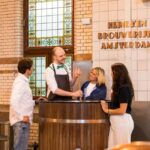
Where the tour starts on Damrak: Beursplein meeting point tricks
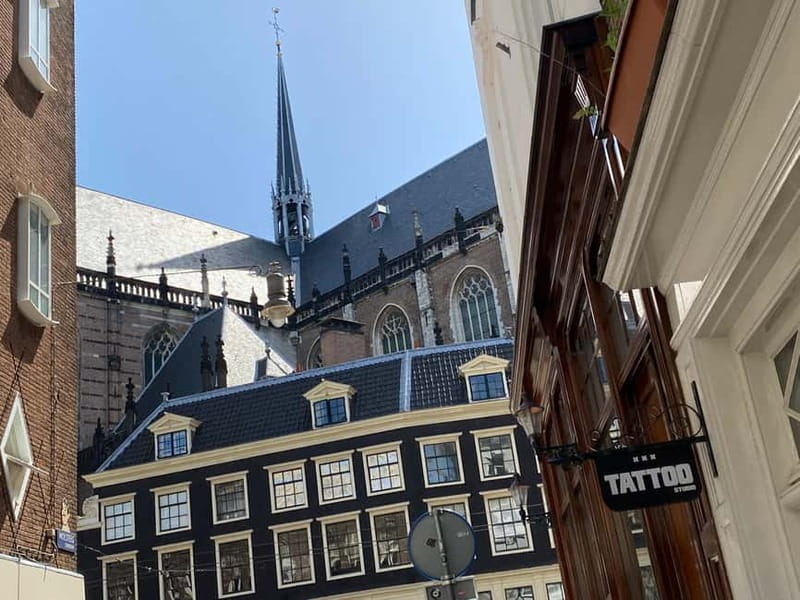
Meet at Beursplein/Damrak, opposite Primark. The operator gives you a clear visual cue: look for your guide wearing a black and white striped band.
This matters more than it sounds, because Amsterdam’s central streets can be busy and easy to get turned around in. If you’re even slightly late, it can be harder to catch the group quickly—so I’d aim to arrive early, get oriented, and then wait where the guide expects to find you.
Also, the tour ends back at the meeting point. That’s handy if you plan a later tram ride, a museum visit, or an evening meal nearby.
The giant Beurspassage mosaic: your mosaic-powered storybook
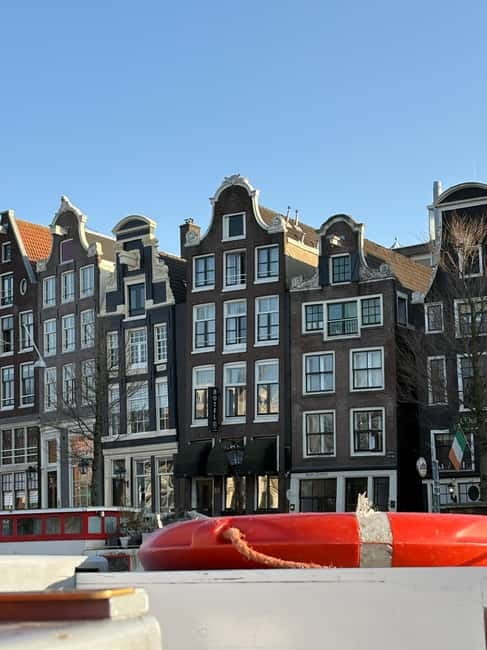
The heart of the tour begins with a welcome and then a creative history lesson: Amsterdam and the Netherlands are explained through a giant picture book format using the unique mosaic artwork of the Beurspassage.
This is smart for two reasons. First, it gives you a single visual thread so the facts don’t feel scattered. Second, mosaics are full of small cues, so the guide can point at details while explaining what they represent—making history feel tangible rather than abstract.
From there, the tour moves into historic buildings, street art, and architectural features. That mix is where the mosaic approach pays off: you’ll start to notice how the city’s look reflects older beliefs, older economic links, and older power structures.
You’ll also hear how religion influenced public life and how the Netherlands’ colonial past shaped the worldview of different eras. Even if you’ve seen canal houses before, this framing helps you understand why certain areas and buildings developed the way they did.
Historic buildings, street art, and architecture with a point
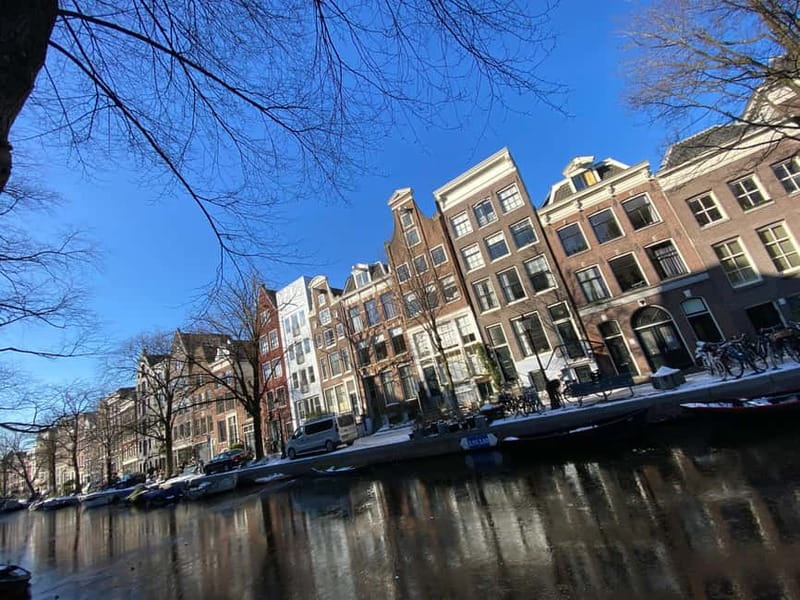
After the mosaic segment, the guide shifts the focus to what you can observe outdoors. The tour is built around historically relevant buildings and the Amsterdam lifestyle—past and present—so you’re not just walking through pretty streets. You’re learning how those streets came to look like this.
Expect a guided walk where the guide connects visible clues (building style, architectural features, street art) to the cultural story. Street art can be random on your own. On this tour, it becomes part of the conversation about identity and the way cities talk about themselves across time.
The tour also touches on monarchy. That’s a topic that can feel distant until someone explains how it shaped social life and public symbolism. Here, the guide brings it down to city-scale observations, so you understand the cultural weight without turning it into a lecture.
I also like that the tone is described as cheerful, informative, and entertaining. That doesn’t mean it’s a comedy show. It means you’re more likely to stay engaged, ask questions, and actually remember what you hear the next time you see a church tower, a canal façade, or an older civic building.
Grachtengordel canal belt walk: seeing daily life, not only postcards
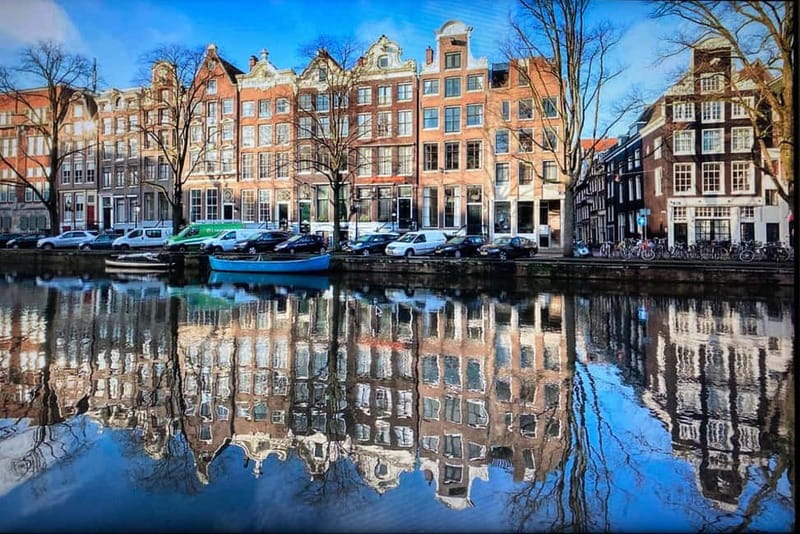
The middle-to-late part of the tour takes you through the Grachtengordel. This is one of the most recognizable areas of Amsterdam, but the tour approach is different: you’re meant to get a sense of local life and culture outside the beaten track.
The guide’s plan here is simple and useful. Instead of treating the canal belt like a theme park, you watch residents go about their day and listen for the insider perspective—why the area feels the way it does, and how people experience it now.
That shift changes how you experience Amsterdam after the tour too. When you’ve heard an explanation about how the canal belt works socially and historically, you start noticing patterns: how streets connect, how daily routines fit into the scenery, and why certain places feel lived-in rather than staged.
It’s also a good moment for photos, but with context. If you take pictures as you go, you’re capturing more than scenery—you’re capturing the setting for the story you just learned.




Outside the beaten track, with the intimacy of a small group
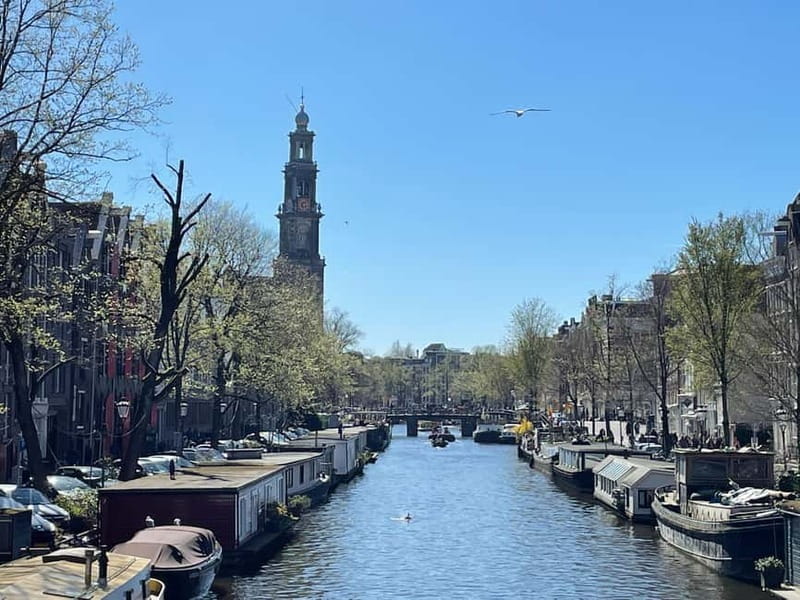
Small group tours can be hit or miss, but this one is designed around intimacy. With a maximum of 10 participants, you typically get more attention from your guide, and the walking stays comfortable.
That’s valuable in Amsterdam, where even a short stroll can feel long if you’re constantly weaving through crowds or trying to hear over street noise. Here, the goal is clarity: the guide shares explanations in a way that you can follow and remember.
Another plus is that the tour is described as outside the beaten tracks. You may still be near famous areas, but the emphasis is on context and local life rather than standing in one spot waiting for the light.
And because it’s a walking tour, it’s easy to plug into a day. You’re not committing to a full afternoon, and you’re back near the center at the end.
Price and value: what $30 gets you in Amsterdam
At $30 per person for about 2 hours, the value is strongest if you want a guided explanation rather than self-guided wandering. You’re paying for a professional local guide and a walking tour, with the time structured to connect big themes to what you see.
It’s also good value because the group size stays small. In a city where some tours feel like a human conveyor belt, getting more conversation time is worth real money.
What isn’t included also helps you budget correctly. There’s no food or drinks, and there are no entry fees. That means you should plan on bringing water (the tour recommends it) and saving paid attractions for other parts of your trip.
If you’re the kind of person who reads plaques, wants context for architecture, and likes history that doesn’t feel like a textbook, $30 for this format is reasonable. If you just want quick photo stops and don’t care about storytelling, you might feel like you could do something similar on your own.
What to wear and bring so the tour feels easy
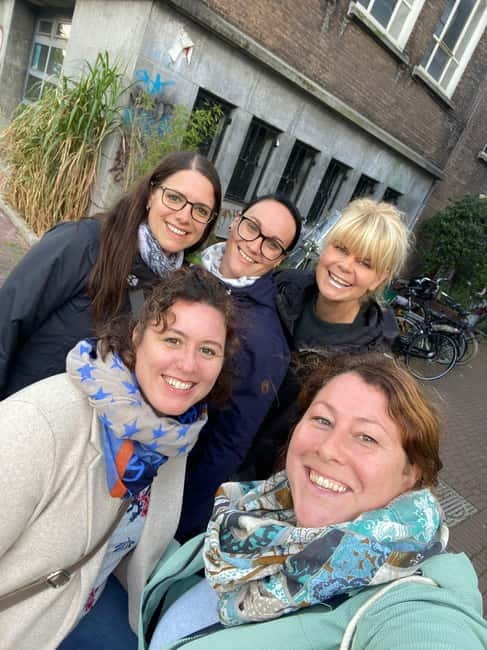
This tour runs rain or shine, so dress for the weather. Comfortable walking shoes are not optional—this is a 2-hour walking experience with outdoor stops.
Bring water and comfortable clothes, plus outdoor clothing if the forecast looks wet or windy. The operator clearly expects you to be ready for the elements, so don’t gamble on flimsy shoes or clothes you hate wearing in the cold.
Also, keep your luggage light. Luggage or large bags aren’t allowed, and alcohol and drugs aren’t allowed either. If you’re traveling with a daypack, you’re usually fine. If you’re hauling big gear, you’ll want to store it before meeting.
One more practical idea: since the guide speaks German, consider downloading a translation app ahead of time. It won’t replace the storytelling, but it can help you catch the main points if your German is rusty.
Language matters: German guide and how to make it work
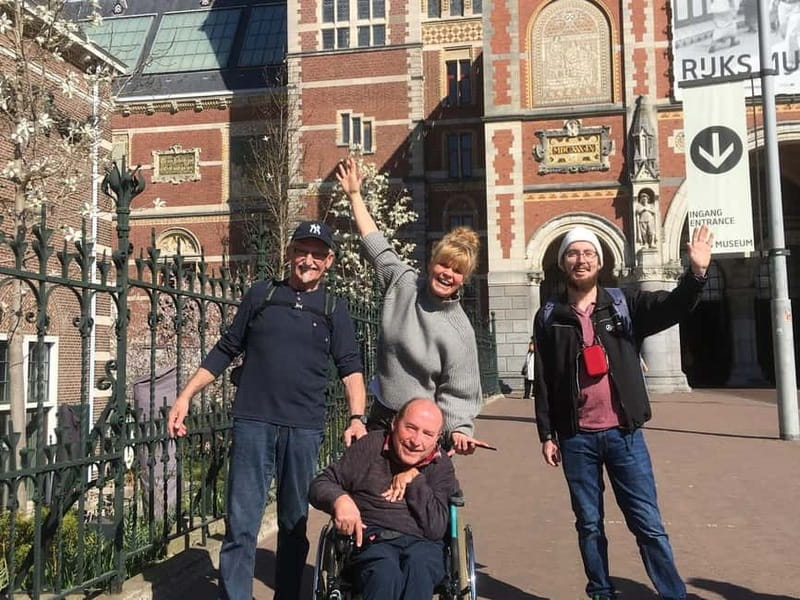
This tour is live with a German speaking guide. That’s the deal-breaker for some people and a friendly advantage for others.
If you understand spoken German, you’ll likely get a lot more out of the mosaic history framing, the explanations about religion and colonial past, and the monarchy context. If your German is basic, you can still follow the visual cues—street art, building features, and canal-belt streets—but the deeper meaning may be harder to catch.
To make it work, I’d recommend:
- Pace your expectations. The tour is built on guided conversation, not just interpretation boards.
- Use your translation app during key explanations, not while you’re trying to keep walking.
- Ask questions if you feel comfortable. In a small group, questions are often easier to fit in.
Wheelchair access vs mobility limits: check this before you book
The activity is listed as wheelchair accessible, but it also states it is not suitable for people with mobility impairments. Those two lines can look contradictory, so the smartest move is to clarify route details with the operator before you commit.
If you use a wheelchair or mobility aid, ask what the walking surfaces and any steps or curbs look like during the route. Since it’s a rain or shine walking tour, weather can also affect comfort and safety.
If mobility is a concern, don’t rely on the wording alone. Ask a direct question and get a clear yes or no.
Should you book Amsterdam Kultour? The right fit
Book this tour if you want history tied to real street visuals—especially if you like architecture, religion and society themes, and a bit of fun fact energy. The giant mosaic at Beurspassage is a clever starting point, and the move into the Grachtengordel is a strong way to learn how Amsterdam feels beyond postcard framing.
You should also consider booking if you appreciate small groups (max 10). That structure helps you stay engaged and hear explanations without strain.
Skip it if German is a problem for you. English-only visitors will likely see the city, but the main value is the German storytelling. Also skip if you’re not comfortable with 2 hours of outdoor walking, given it runs rain or shine and luggage or large bags aren’t allowed.
If you want a guided walk that connects Amsterdam’s past to the lived-in city you’re walking through today, this one is a solid choice for a morning or afternoon slot.
FAQ
FAQ
How long is the Amsterdam Kultour tour?
The tour lasts 2 hours.
What language is the guide speaking?
The live tour guide speaks German.
Where do I meet the guide?
You meet at Beursplein/Damrak, opposite Primark.
Where does the tour end?
The tour ends back at the meeting point.
How big is the group?
The group is limited to 10 participants.
Is this tour wheelchair accessible?
It is listed as wheelchair accessible, but it is also stated as not suitable for people with mobility impairments, so it’s smart to confirm the route details with the provider.
Are food or drinks included?
No. Food and drinks are not included.
Are entry fees included?
No. Entry fees are not included.
What should I bring and wear?
Bring comfortable shoes and water, and wear comfortable clothes with outdoor clothing as needed for the weather.