REVIEW · CANAL CRUISES
Amsterdam All-Inclusive 90-Minutes Heated Cruise by Captain Jack
Book on Viator →Operated by Captain Jack Amsterdam · Bookable on Viator
Amsterdam canals are best from the water. This cruise mixes classic sights with unlimited Heineken beer and wine and a guided route through the canal-ring highlights.
I also like that the timing is simple: you board near either Amsterdam Central Station or the Rijksmuseum and get back with a clearer sense of how the city is laid out. The main thing to consider is comfort and visibility: it’s an open boat, and in cold or damp weather you may rely on blankets and deal with window fogging, plus there’s no microphone so the back seats can miss some commentary.
In This Review
- Key things that make Captain Jack’s cruise worth your attention
- Picking the right dock: Central Station or Rijksmuseum
- Open electric boat comfort: heating, rain, and the stairs to board
- The vibe: unlimited drinks, but keep your voice down
- The quick Rijksmuseum moment: what you’ll get (and what you won’t)
- Canal-ring storytelling: Prinsengracht, Keizersgracht, and Herengracht
- Gliding through Jordaan and the nine-streets vibe (Negen Straatjes)
- Houseboat history near Prinsengracht
- Past Amstel sights: where the city began and beer got named
- Skinny Bridge time: Magere Brug and photo opportunities
- Red Light District edges: what you can learn without rushing
- Waterlooplein and the Old Market energy
- Notes on window fog and seeing the city clearly
- Stops that shape your mental map: from Singel to Central Station
- Practical value: $27.21 for 90 minutes of “Amsterdam orientation”
- Who this cruise is best for (and who might want another option)
- Final verdict: should you book Captain Jack’s 90-minute heated cruise?
- FAQ
- How long is the Amsterdam canal cruise?
- Where can I board the boat?
- What language is the cruise in?
- What’s included in the price?
- Is there a toilet onboard?
- Is the boat heated?
- What happens if it rains?
- Do they use microphones so everyone can hear?
- Is food and drink a party setup?
- Are service animals allowed?
Key things that make Captain Jack’s cruise worth your attention
- Two departure points so you can match the route to where you’re staying
- Unlimited Heineken beer and wine with typical Dutch snacks during the ride
- Small group size (max 24), which keeps the experience calmer than big tourist boats
- A real narrated history-style cruise, not a party-focused booze cruise
- No onboard toilet, so plan ahead before you board
- Heated option depends on how the boat is set up, and blankets help on open-air days
Picking the right dock: Central Station or Rijksmuseum
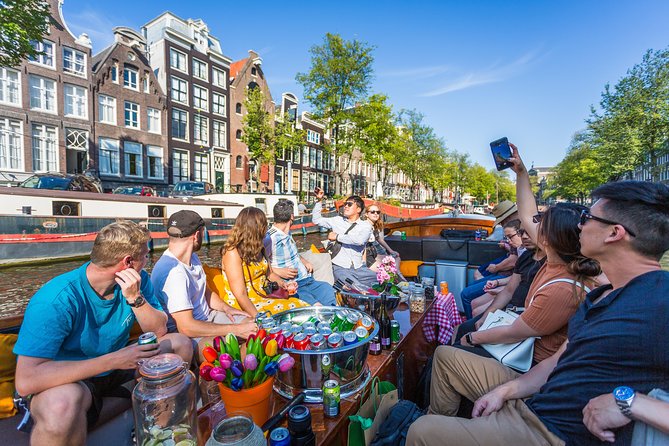
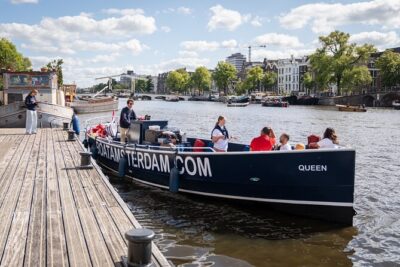
Amsterdam has a way of making you walk “just a little” more than you planned. The nice part here is that you can choose a departure point that fits your day: you’ll board near Rijksmuseum or near Amsterdam Central Station. That can save you time, especially if you’re already in the Museumplein area or you’re starting from the transit hub.
I’d aim to arrive early. The crew notes dock delays can happen because of traffic, and they won’t wait long. Plan to be at the dock about 10 minutes before departure.
You can also read our reviews of more boat tours in Amsterdam

Open electric boat comfort: heating, rain, and the stairs to board
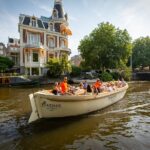
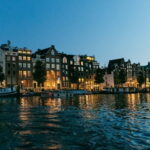
This is an open, electric boat experience—great for air and views, not great if you want to stay bone-dry in weather. The operator also mentions that when it rains, you can get wet, but you can rebook for rain when needed.
About heating: it’s marketed as heated, but the day’s setup matters. On some pleasant weather departures, the boat may stay open and heating may be off by design; if you feel cold, the crew can close things up and turn heating on if they know. Either way, blankets are part of the plan.
There’s also a practical boarding note: expect a fairly big step into the boat, and assistance is available. If you have mobility concerns, I’d take that seriously and ask for help before you commit to the climb.
The vibe: unlimited drinks, but keep your voice down
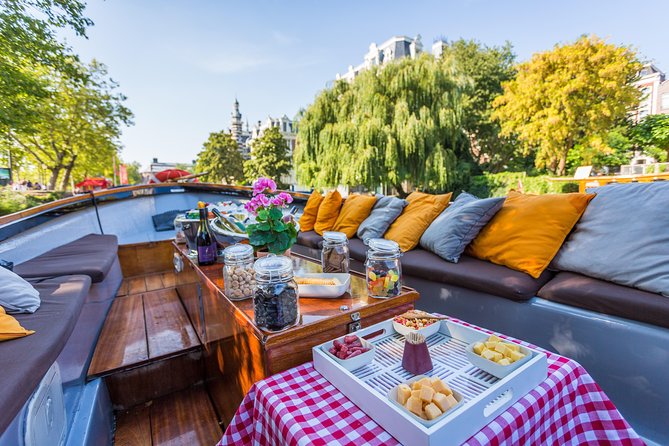
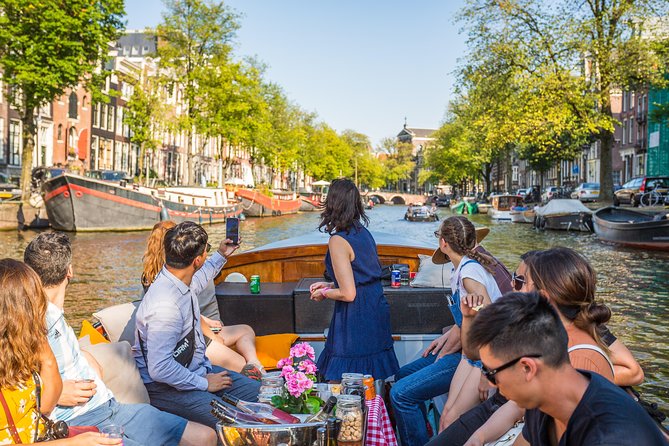
Even with unlimited beer and wine, this is framed as a historical canal cruise, not a rowdy bachelor-party boat. The guide is there to talk and point out sights, so the “rules” are basically: keep voices lower when narration is happening.
This matters because there’s another limitation: microphones aren’t permitted on these small open boats. That means you’re relying on guide projection and seating position. If you sit farther back, you might not catch every line—so don’t assume you’ll hear perfectly throughout.
The upside is that the overall group size is capped at 24, which usually keeps things from turning into a loud group chat. Names from the experience include captains and guides like Captain Joe, Roland, Oliver, David, and Captain J‑P, and the consistent theme is that the host steers the cruise with stories and city context.
The quick Rijksmuseum moment: what you’ll get (and what you won’t)
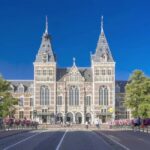
One of the most satisfying starts in Amsterdam is seeing big landmarks from the water. The cruise docks right in front of the Rijksmuseum, and you’re given a short window—about 15 minutes—to take it in.
Important reality check: Rijksmuseum admission isn’t included. So don’t expect a museum visit as part of the ticket. Think of it as a water-level introduction and photo chance, then you’re back on the canals.
If you love art-heavy travel, this dock moment pairs well with the idea of coming back later for the full visit. If you’re already museumed out, it still works as a strong “set the scene” stop.
Canal-ring storytelling: Prinsengracht, Keizersgracht, and Herengracht
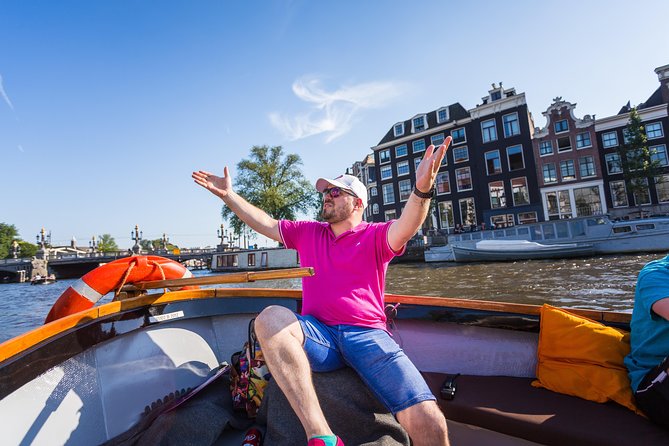
Once you’re moving, the cruise’s core value kicks in: orientation. Amsterdam’s canal system is huge—more than 100 kilometers of grachten, around 90 islands, and about 1,500 bridges—so most first-timers need a map you can feel.
The guide focuses on the three main canals—Herengracht, Prinsengracht, and Keizersgracht—which were dug in the 17th century during the Dutch Golden Age. They form the famous canal belts known as the Grachtengordel, and the area (including the Prinsengracht/Keizersgracht/Herengracht and the Jordaan) is recognized as a UNESCO World Heritage Site.
You also get a sense of the “why” behind the layout: the canal ring isn’t just scenic; it’s how Amsterdam grew, traded, and built a city around water routes. That’s the kind of context that makes later walks make sense.

Gliding through Jordaan and the nine-streets vibe (Negen Straatjes)
The Jordaan area and the smaller canals around it are where Amsterdam starts feeling extra human—homes, courtyards, shop windows, and canal-side life. The cruise route includes commentary as you pass the Jordaan neighborhood and the canal areas connected to it.
One especially fun slice is 9 Little Streets (Negen Straatjes). This is the kind of area you’ll want to explore on foot afterward, and the cruise gives you that “okay, I get where this is” feeling without spending your whole afternoon navigating.
If you like browsing but hate getting lost, this is a smart way to check where your next walk should start.
Houseboat history near Prinsengracht
Amsterdam’s canals aren’t just for views; they hold history. On the Prinsengracht, the narration can include the houseboat museum area—one of those details that makes the city feel more lived-in than postcardy.
Even if you don’t hop out, seeing houseboats from the canal works because you understand the scale. You also get a better read on how canal-side living fits into narrow waterways and bridge-heavy streets.
Past Amstel sights: where the city began and beer got named
You’ll also spend time on the Amstel side of Amsterdam. The Amstel is described as the biggest canal, and the story goes that Amsterdam formed from this waterway—originally a river—where a “dam” helped shape the settlement.
There’s even a neat detail for beer fans: Amstel is also tied to the name behind famous beer traditions. It’s the kind of trivia you’ll remember later when you’re walking through the city’s neighborhoods.
As you glide along, you’ll pass major cultural and architectural points such as the Royal Theatre Carré, the Hermitage Amsterdam (a branch of the Hermitage Museum from Saint Petersburg), and bridges connected to busy Amstel areas like the Blauwbrug (Blue Bridge).
Skinny Bridge time: Magere Brug and photo opportunities
Some Amsterdam sights are basically a photo magnet. The Magere Brug, also called the Skinny Bridge, is one of them. The narration includes the idea that it’s a drawbridge and historically narrow—so narrow that it was hard for pedestrians to pass each other.
There are also the local love-ritual stories associated with this bridge, which is exactly why couples tend to like this part of the route. Even if you don’t do rituals, it’s a great “slow down, look around” moment.
If you want the best photos, pick a seat on the side where the bridge comes into view smoothly. With no microphones and open windows, it’s also easier to watch for scenery if you aren’t constantly twisting to hear.
Red Light District edges: what you can learn without rushing
Amsterdam’s De Wallen area is often misunderstood from afar. The cruise can pass by parts of the city associated with the Red Light District, and it’s framed with some context.
You may also see landmarks tied to Old Church history like the Oude Kerk, which dates to the early 1200s and became a Calvinist church after the Reformation. The route can also reference the Waag, and the Waag area connects to older city activity patterns around markets and entrances to the old city.
There’s a careful balance here: you’re not going to get a deep walk-through on this boat, but you do get a safer, guided “look and understand” angle compared with wandering without context.
Waterlooplein and the Old Market energy
A stop-in-the-air sort of highlight is the Waterlooplein area, known as the oldest flea market in the Netherlands. The details you’ll hear include that it has been operating for about 133 years with roughly 300 stalls.
It’s not just trivia. When you pass this area by boat, you can sense how neighborhoods and markets shape daily life. It also helps you later if you’re deciding whether to browse for vintage items, books, or small fashion finds.
Notes on window fog and seeing the city clearly
One of the biggest practical issues on open boats is visibility through panels. In damp weather, condensation can fog windows, and the cruise can become less about sightline perfection. The operator notes that in those conditions, supplies like squeegees and cloths are provided, but it’s still not the same as having glass-perfect views.
If you’re the type who needs clear photos from every angle, pack patience. It’s still a great way to see Amsterdam’s canal layout; just don’t expect a museum-quality viewing window.
Stops that shape your mental map: from Singel to Central Station
You’ll also pass areas that help you mentally organize Amsterdam. The cruise can reference Singel, the canal that once served as a moat and later became the inner-most canal ring connection toward the city center.
On the Central Station side, Amsterdam Centraal comes up as the big transport hub. If you’re traveling through the city by rail later, seeing the station from the water helps you locate tram and walking routes more quickly.
The key value is mental navigation. After a 90-minute canal loop, you’ll usually understand which streets lead where, and that saves time on your next day.
Practical value: $27.21 for 90 minutes of “Amsterdam orientation”
At about $27.21 per person for roughly 1.5 hours, this sits in the value sweet spot for Amsterdam. You’re not paying just for “being on a boat.” You’re getting:
- a narrated canal route through major landmarks,
- unlimited beer and wine, and
- typical Dutch snacks during the cruise.
Two things to keep expectations realistic. First, the snack service is described as small, tidy portions rather than a full meal spread. Second, because there’s no microphone, the experience is more dependent on you sitting where you can hear.
Still, for a first-time visit, this is one of those tickets that can reduce your “what should I do next” stress. You come off the water with a clearer sense of what parts of Amsterdam you’ll want to walk later.
Who this cruise is best for (and who might want another option)
This tour fits best if you want:
- an easy introduction to Amsterdam’s canal geometry,
- an affordable way to cover multiple neighborhoods in 90 minutes,
- a relaxed historical format with drinks and snacks.
It’s also a solid pick for solo travelers who don’t want to think too hard for the first day—just show up, find a good seat, and let the captain do the hard work.
I’d be cautious if you:
- need a toilet onboard (there is no toilet on the boat),
- are very sensitive to cold wind or wet weather,
- expect amplified commentary from anywhere on the boat (there’s no microphone),
- want a loud party atmosphere (this is not that kind of cruise).
Service animals are welcome, but the operator notes health regulations mean other animals aren’t allowed.
Final verdict: should you book Captain Jack’s 90-minute heated cruise?
I’d book this if you’re looking for a straightforward Amsterdam canal experience with unlimited Heineken and wine and narration that helps you connect the dots between neighborhoods. The small group size and historical framing make it feel more like a guided city moment than a party boat.
I’d hesitate if you’re planning for perfect visibility in foggy weather, or if you strongly rely on onboard audio clarity from the back. If you dress for the open-air reality, show up early at the dock, and sit where you can hear, this is a strong value way to get oriented fast.
FAQ
How long is the Amsterdam canal cruise?
The cruise runs about 1.5 hours.
Where can I board the boat?
You can choose between departure points near Rijksmuseum or Amsterdam Central Station.
What language is the cruise in?
The cruise is offered in English.
What’s included in the price?
Included are the 90-minute canal cruise, unlimited Heineken beer and wine, and typical Dutch snacks.
Is there a toilet onboard?
No. The operator notes there is no toilet on the boat.
Is the boat heated?
It’s marketed as a heated cruise, and blankets are provided. The setup may still feel cold on open-air days, and if the boat is kept open, heating may be off by design.
What happens if it rains?
The boats are open, so you can get wet in rain. The operator says rebooking with rain is possible.
Do they use microphones so everyone can hear?
No. Microphones aren’t permitted, so the guide speaks without amplification.
Is food and drink a party setup?
This is described as a historical canal cruise, not a bachelor-party or party-focused booze cruise, even though drinks are unlimited.
Are service animals allowed?
Yes. Service animals are allowed, but other animals aren’t permitted for health reasons.