REVIEW · RIJKSMUSEUM TOURS
Amsterdam: Rijksmuseum Entry Ticket
Book on GetYourGuide →Operated by GetYourGuide Tours & Tickets GmbH · Bookable on GetYourGuide
One ticket, eight centuries of Dutch art.
I love the sheer focus on masterpieces in the Gallery of Honour, and I also love how The Night Watch is presented with lighting that makes tiny details readable. If you want art-history momentum without needing a guide, this self-paced entry ticket gives you that perfect nudge into the museum’s big stories.
The one thing to plan for is crowds. Expect lines near opening, and the museum can feel busy (and sometimes a bit dim and stuffy), so your best strategy is arriving early and having a simple route in mind.
In This Review
- Key things that make this ticket worth it
- Ticket value at the Rijksmuseum: what your $31 actually covers
- Getting to the museum and entering on time without losing your morning
- First stop: cloakroom and setting yourself up for a better visit
- Gallery of Honour: where you should spend your first calm minutes
- Rembrandt’s The Night Watch: detail, drama, and a live restoration story
- The Jewish Bride and Van Gogh’s proof that art can hit hard
- Dutch art and history beyond paintings: 8,000 objects that connect the timeline
- Photography rules and how to avoid the common picture-taking bottlenecks
- Pacing your visit: 2 hours, 4 hours, or a full museum day
- Audio and extra info: what’s included, what costs extra
- Who this Rijksmuseum entry ticket is best for (and who might want something else)
- Final verdict: should you book this Rijksmuseum entry ticket?
- FAQ
- What is included with the Rijksmuseum entry ticket?
- Is there a guided tour included?
- What time can I visit, and how long is the ticket valid?
- Can I enter after the time printed on my ticket?
- Is the multimedia tour included, and how much does it cost?
- How do I get there by public transport?
Key things that make this ticket worth it

- Gallery of Honour access to world-famous works in a purpose-built setting
- The Night Watch hall with special lighting and a live restoration/research project you can support
- Dutch history across art and objects, not just paintings
- Extra collection variety like Delftware, maritime items, clothing, archaeology, and even Asian art
- You can go at your pace, since no guided tour is included
- Photo rules that are visitor-friendly, as long as you skip flash and selfie sticks
Ticket value at the Rijksmuseum: what your $31 actually covers
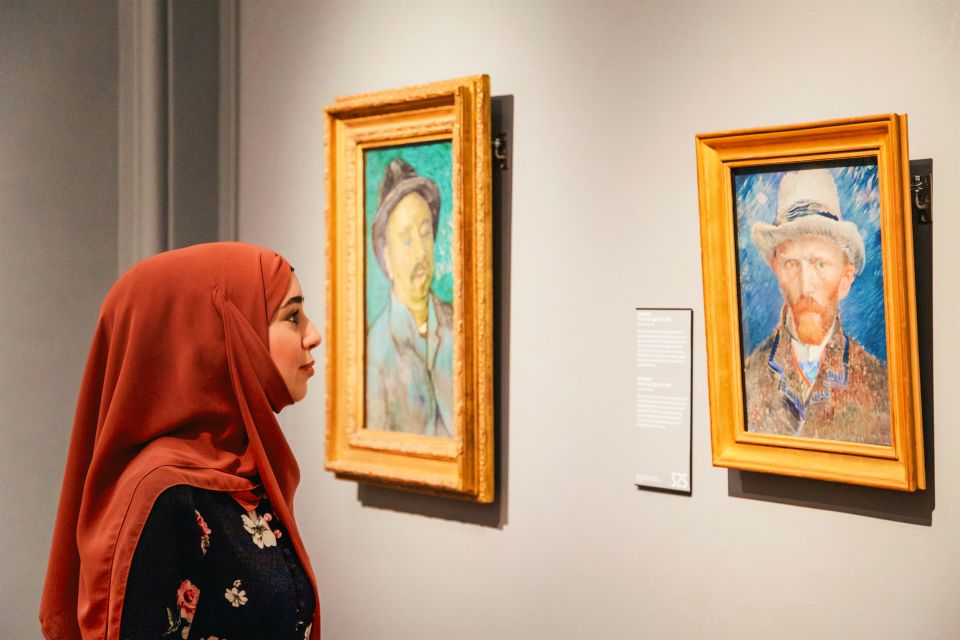
At about $31 per person, you’re paying for a museum visit that’s built to last. This ticket includes museum entry, the permanent exhibition, a cloakroom, and free WiFi—plus a booking fee. You also get the flexibility of a 1-day validity window, meaning you’re not trapped to a single hour of museum life.
That matters at the Rijksmuseum because the place is huge and you’ll likely want to slow down once you find the galleries that match your taste. If you’re the type who wants to linger in front of one painting and then wander into surprises, this ticket style fits well.
One practical note: the museum is open 9:00 AM to 5:00 PM daily, but the ticket desk closes at 4:30 PM. If you’re arriving late-day, you’ll want to keep that end time in mind.
You can also read our reviews of more tours and experiences in Amsterdam



Getting to the museum and entering on time without losing your morning
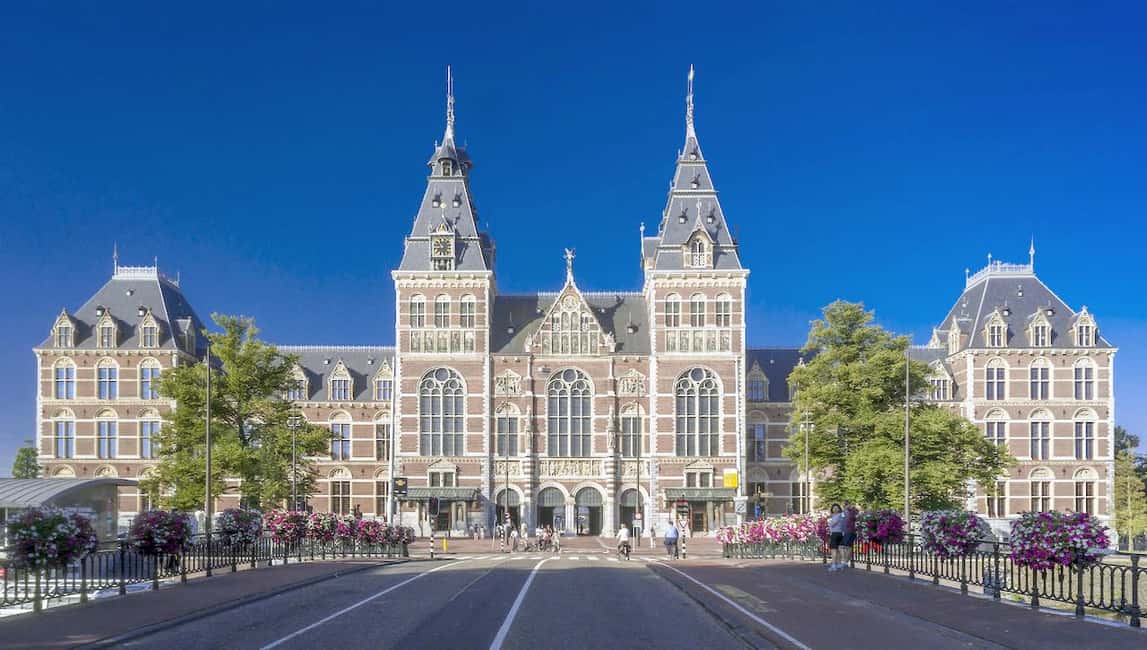
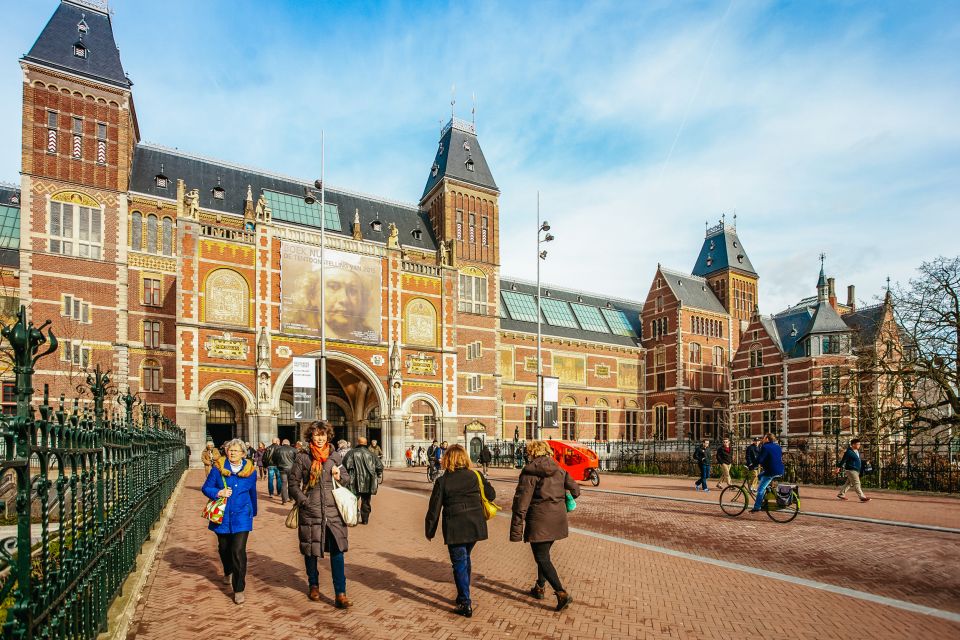
The Rijksmuseum is easy to reach by tram. Use 2, 5, or 12, and get off at Rijksmuseum. From there it’s straightforward walking into the museum area.
Your entry time matters, but not in a stressful way. Your ticket lets you enter up to 15 minutes after the time listed on it. So if you’ve got one more coffee stop or you need a quick bathroom break, you’re still within the window.
Redeeming is also quick if you’re ready. The smoothest approach is to have your QR code ready on your phone and scan it at the entrance. It’s one less thing to think about once you’re there.
First stop: cloakroom and setting yourself up for a better visit
One of the small things I appreciate here is that the cloakroom is included. If you’re in Amsterdam in cooler weather, dropping your bag and coat helps you move faster once you’re inside.
I also recommend using lockers if you need them. Some visitors note that lockers are available for free, which is handy if you don’t want to carry everything around for hours.
Once you’re set, don’t try to conquer the whole museum in one pass. The Rijksmuseum is designed so that if you pick a few anchors (like the Night Watch and the Gallery of Honour), the rest starts to connect in a way that feels natural.
Gallery of Honour: where you should spend your first calm minutes
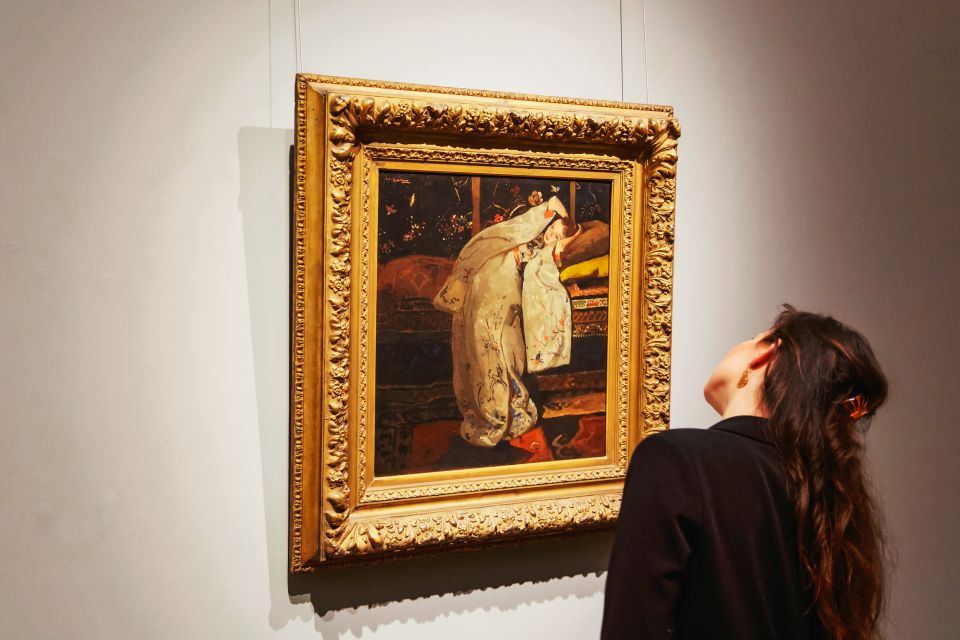
If you only do one thing well, let it be the Gallery of Honour. This is where the Rijksmuseum shows its “yes, these belong in a spotlight” works, and the room layout makes it easier to take in the scale without getting lost.
This is also a good place to reset your expectations. The Rijksmuseum isn’t only Dutch Masters in thick brushstroke mode. Even in the famous rooms, you’re getting a sense of Dutch craftsmanship and storytelling—how art, design, and history sit together.
When it’s crowded, stay practical. Give yourself a short window to see the main works, then move on rather than standing stuck in a traffic jam.
Rembrandt’s The Night Watch: detail, drama, and a live restoration story
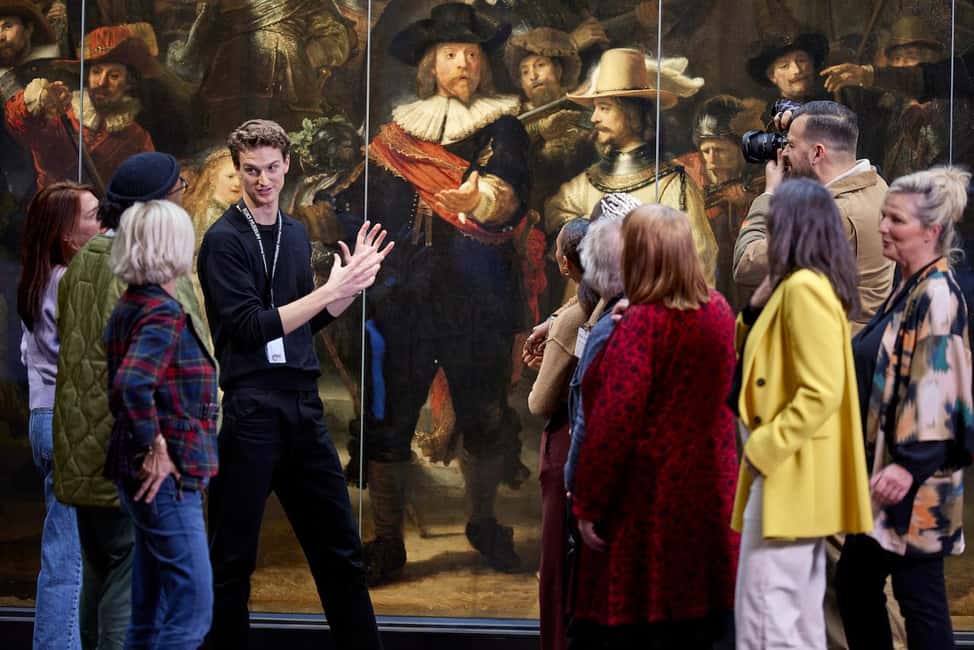
The Rijksmuseum’s star moment is Rembrandt’s The Night Watch. The museum gives it pride of place in a beautifully lit hall, so you can actually enjoy the attention to detail instead of just seeing a dark painting from the edge of a crowd.
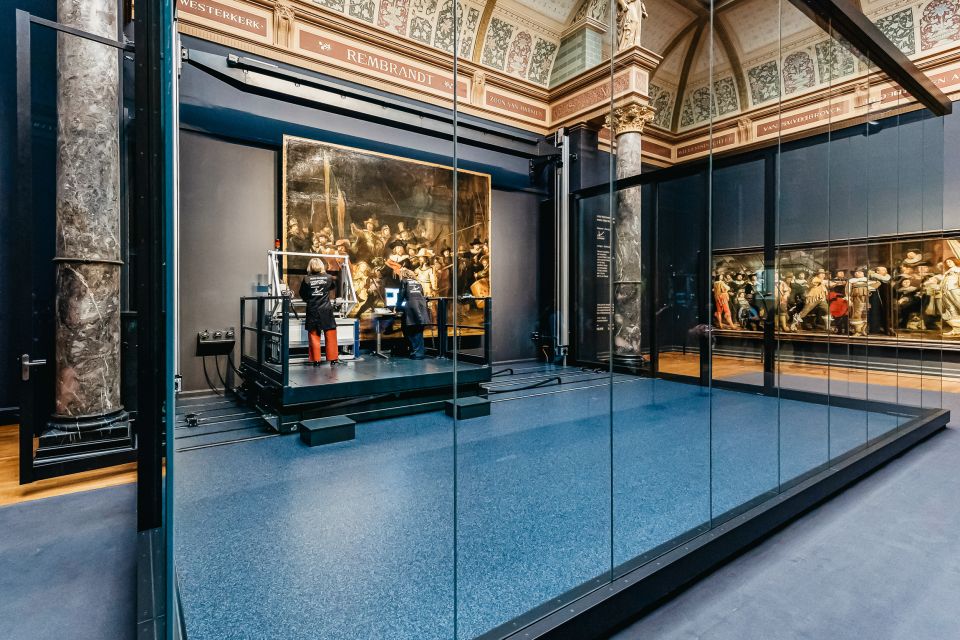
Now for a detail that’s genuinely special: the museum has started the largest research and restoration project ever for The Night Watch. That work is happening live in the museum, and you can support it with a donation.
What that means for you as a visitor is simple: you’re not only looking at a masterpiece—you’re watching the process of how that masterpiece stays readable over time. It adds a behind-the-scenes layer without turning the visit into a lecture.
If you’re going at peak times, this is the area where you’ll see the most pressure from other people with the same plan. Your best move is to treat The Night Watch like a destination, not a rest stop—see it, then go.



The Jewish Bride and Van Gogh’s proof that art can hit hard
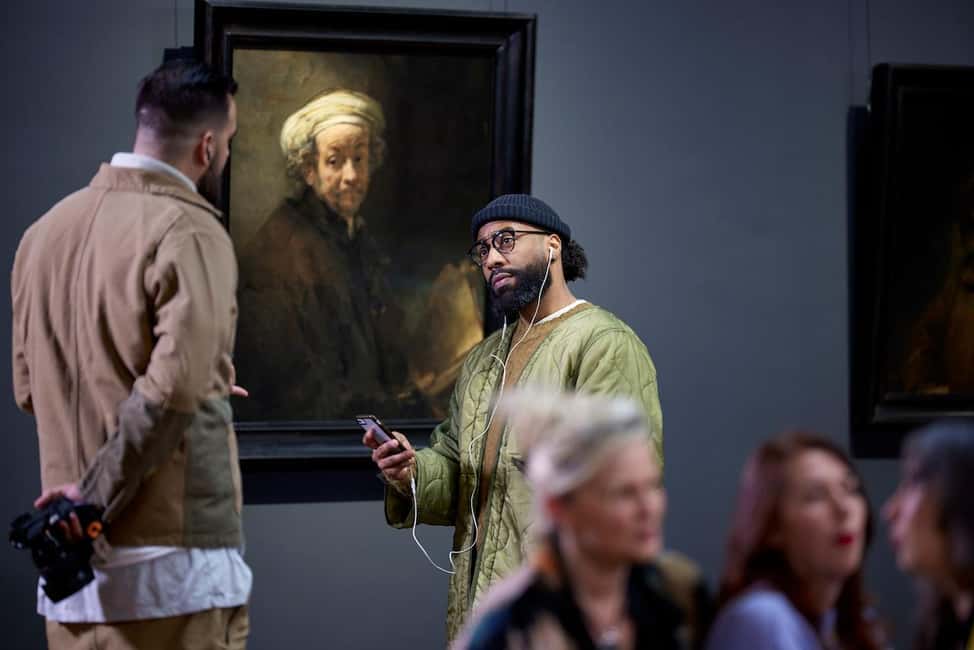
Another painting that draws serious attention is The Jewish Bride. The museum highlights a fascinating reaction to it: Vincent van Gogh visited soon after the Rijksmuseum opened, and he wrote that he would gladly give up ten years of his life to sit in front of the painting for two weeks, eating only a stale crust of bread.
Even if you don’t care about Van Gogh’s biography, this is a useful reminder. Great art doesn’t just impress your eyes—it grabs your attention and makes you slow down. That’s what you’ll feel when you stand in front of this work.
If you like emotional backstories, pair this stop with nearby Golden Age themes so the paintings start to feel like parts of the same long conversation.
Dutch art and history beyond paintings: 8,000 objects that connect the timeline
One of the Rijksmuseum’s strengths is that it tells the Dutch story through more than canvas. You’ll see Delftware, sculptures, archaeological artifacts, clothing, prints, and items tied to Dutch maritime history. You’re also looking at Asian art, which broadens the museum beyond a single local style.
The museum’s framing puts 800 years of Dutch history into view through 8,000 objects. That’s how you avoid the common museum problem: leaving with only a handful of famous images in your head.
Here’s how to get value from the non-painting areas:
- Pick one “tech or craft” track (ceramics or maritime objects) and follow it for a while.
- Then switch to portraits or costume-driven rooms to compare how the culture is shown through materials.
- Use the museum app if you want extra context on numbered pieces—some visitors say it helps.
Also, don’t ignore the modern timeline. The collection isn’t frozen. You can even spot items like a Mondrian-inspired dress by Yves Saint Laurent (1965), which helps you see how Dutch visual ideas kept echoing into later design.
Photography rules and how to avoid the common picture-taking bottlenecks
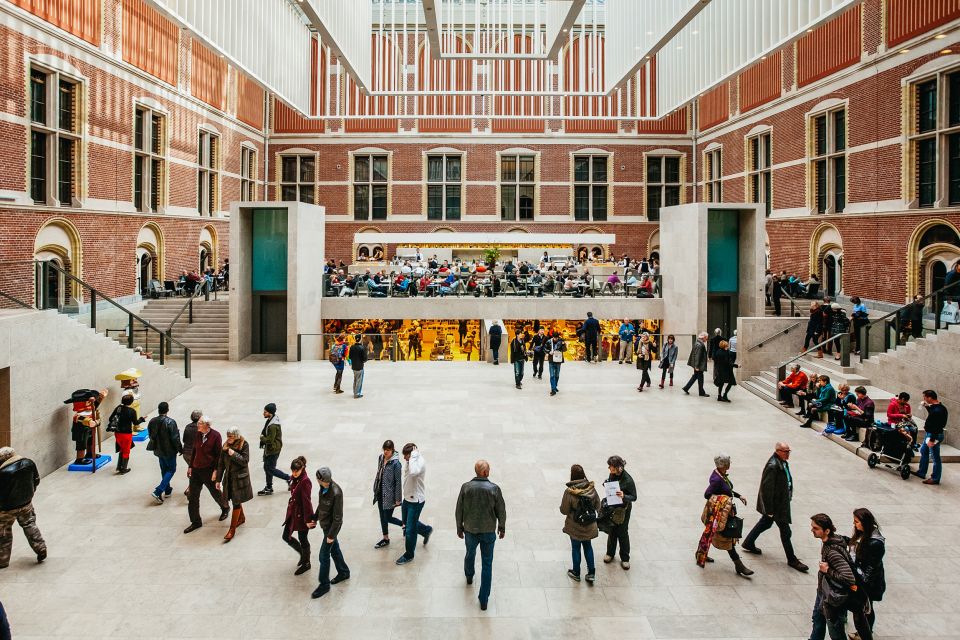
Photo-taking is allowed, but keep it respectful. You can take pictures or video, as long as you don’t use flash or a selfie stick. That rule is worth knowing because it affects how people behave around the most popular works.
For your own sanity, think like this: take one or two pictures for your travel memory, then spend the rest of your time looking for yourself. Standing in one place for a long photo shoot often turns your visit into a traffic standstill.
If you want to get photos with less fuss, aim for quieter galleries after you’ve hit the major attractions.
Pacing your visit: 2 hours, 4 hours, or a full museum day
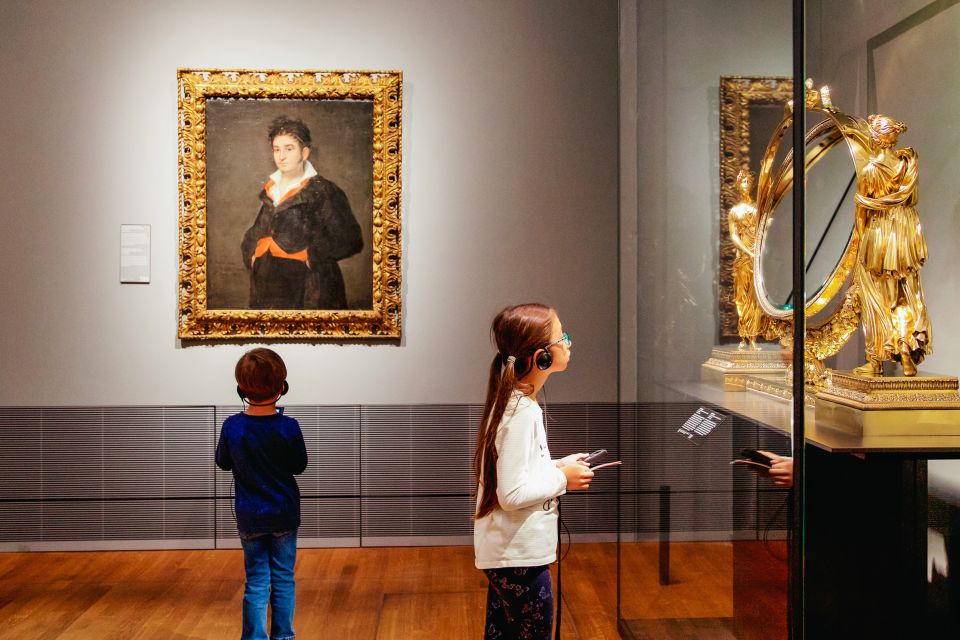
You can see a lot in a few hours, but you shouldn’t feel guilty if you don’t do everything. One useful way to plan is to think in “stops,” not minutes.
Here are realistic pacing styles:
- 2–3 hours: Focus on Gallery of Honour, The Night Watch, and one or two extra rooms that match your taste. You’ll leave satisfied but not encyclopedic.
- Half-day: Add Golden Age paintings beyond the big names, then sprinkle in non-painting collections like maritime objects or Delftware.
- Long visit: If you’re into history and cross-currents, you can easily spend hours and still feel like you scratched the surface.
Also note the atmosphere can feel dark and stuffy in some areas. If you’re sensitive to temperature or lighting, plan your breaks like you would in a big indoor market: step outside or shift galleries every so often.
Audio and extra info: what’s included, what costs extra
Your entry ticket does not include a multimedia tour. A multimedia tour in 10+ languages is available for purchase at the museum for €6.50.
So ask yourself what you want from the visit:
- If you like freedom and self-guided wandering, skip it and spend time looking.
- If you want structured stories and labels that do the heavy lifting, consider buying the multimedia tour when you arrive.
The good news is that the museum layout is generally easy to follow, and many people find it simple to explore at their own pace without needing a guide.
Who this Rijksmuseum entry ticket is best for (and who might want something else)
This entry ticket is best for you if you want maximum museum access with minimal planning, plus a chance to see the headliners.
I’d especially recommend it if:
- You’re a fan of Rembrandt and Dutch Golden Age art.
- You want Dutch history told through both art and everyday objects.
- You like exploring on your own timeline rather than listening to a guide.
You might want to consider a different format if you’re the type who needs expert narration to connect everything. Since there’s no guided tour included, you’ll be doing that linking yourself (or with the multimedia option).
Final verdict: should you book this Rijksmuseum entry ticket?
Yes, I think this is a strong booking for most people. For the money, you get entry to one of the Netherlands’ top museums, the permanent collection, and key comfort extras like the cloakroom and free WiFi, while still letting you plan your own pace.
Book it if you can arrive near opening or soon after, so you’re not fighting the busiest entry lines. And if your must-sees include The Night Watch and the Gallery of Honour, this ticket gets you there fast enough to make the day feel like time well spent.
FAQ
What is included with the Rijksmuseum entry ticket?
Your ticket includes museum entry, the permanent exhibition, cloakroom access, free WiFi, and the booking fee. A multimedia tour is not included.
Is there a guided tour included?
No. This option is for museum entry only, and a guided tour is not included.
What time can I visit, and how long is the ticket valid?
The museum is open daily from 9:00 AM to 5:00 PM, every day of the year. Your ticket is valid for 1 day, and you should check availability for starting times.
Can I enter after the time printed on my ticket?
Yes. You can enter up to 15 minutes after the time mentioned on your ticket. The ticket desk closes at 4:30 PM.
Is the multimedia tour included, and how much does it cost?
No, it is not included. You can purchase a multimedia tour in 10+ languages at the museum for €6.50.
How do I get there by public transport?
You can reach the Rijksmuseum by tram lines 2, 5, and 12. The nearest stop is Rijksmuseum.