REVIEW · AMSTERDAM
Amsterdam: Architektur Er-fahren
Book on GetYourGuide →Operated by Herzblut Amsterdam Stadtführungen · Bookable on GetYourGuide
Amsterdam gets physical when you ride. This Architecture Er-fahren tour turns the city’s buildings into a moving lesson, with canals, warehouses, and newer designs viewed from the bike lane. I especially like how the route follows the water, so every architectural change has a real-world backdrop.
Two things I really value here: the mix of historic canal-and-warehouse areas with a modern, award-winning new-build project, and the way the guide links design choices to Amsterdam’s tougher realities like water and land conditions. You’re not just looking at pretty facades. You’re learning why this city’s architecture looks the way it does.
One consideration: this is rain or shine, and it runs for about 2.5 hours on a bicycle. If you’re not comfortable riding in traffic-heavy city streets or you don’t have a roadworthy bike, plan on renting before you arrive.
In This Review
- Key highlights to look for
- From Beursplein/Damrak toward Amsterdam Central: why the route starts this way
- Canals and warehouses, then modern architecture: the old-new contrast you can actually see
- Amsterdam’s water logic: land conditions, flooding realities, and design choices
- Social housing next to luxury housing: the housing reality behind the facades
- Industrial vs picturesque: docks, working areas, and the charm of function
- Houseboats and the Western Islands: water living as design
- The guide and group size: what a small group changes for you
- What’s included in the $46 price, and where the value comes from
- Cycling reality: timing, what to wear, and bike-readiness
- Who this tour is best for (and who should skip it)
- Should you book Amsterdam Architektur Er-fahren?
- FAQ
- What language is the tour guide?
- How long is the Amsterdam Architektur Er-fahren bike tour?
- Where do I meet the guide?
- What’s the group size?
- Does the tour run in bad weather?
- Is bike hire included in the price?
- What is included in the ticket price?
- What should I bring with me?
- Are there any rules about alcohol or intoxication?
Key highlights to look for
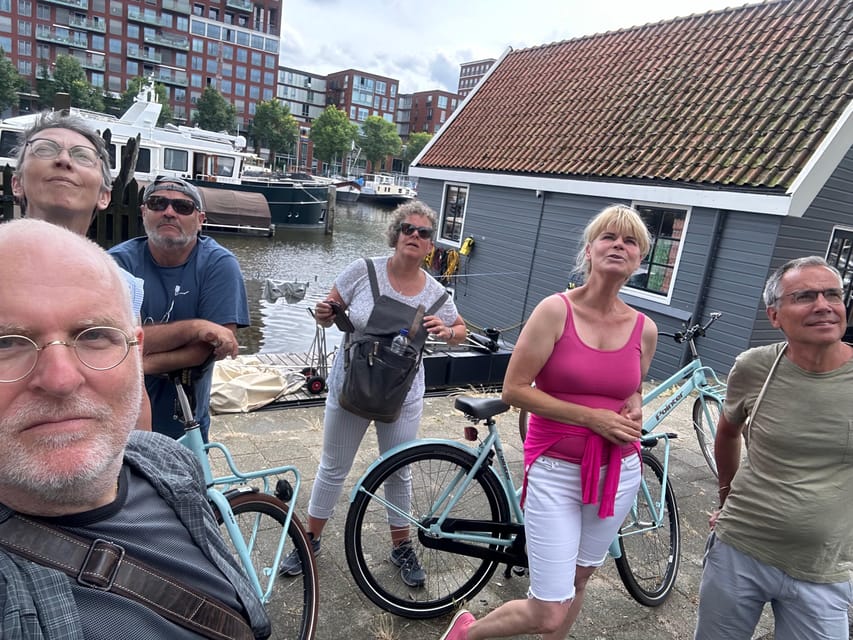
- Damrak to the IJ by bike: you start where the city’s energy is high, then pedal along the water for big views.
- Historic canals meet modern buildings: you’ll see how old and new architecture rub shoulders.
- Award-winning new-build project stops: modern design is explained in practical, readable terms.
- Industrial vs picturesque contrasts: docks and working areas sit right beside charming, human-scaled scenes.
- Houseboats and the Western Islands: water living and tighter spaces become part of the architecture story.
- Function and design under pressure: you’ll hear how housing needs connect to the city’s growth.
From Beursplein/Damrak toward Amsterdam Central: why the route starts this way
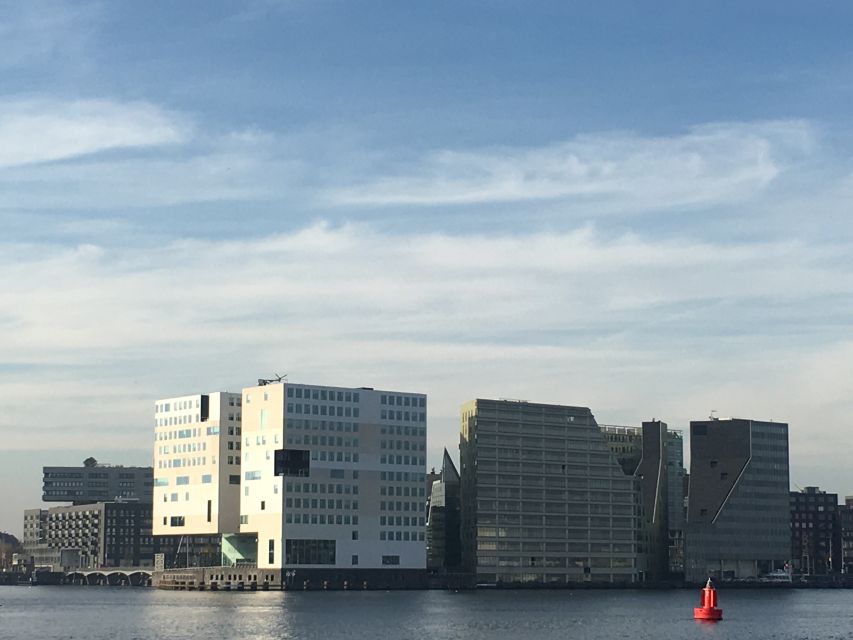
The tour kicks off near Beursplein/Damrak, and that matters. You begin at a busy Amsterdam node, then you quickly shift from street-level movement to water-level scenery. From there, the cycling heads toward the IJ and around Amsterdam Central, so your first real impressions come with views and context rather than only buildings in isolation.
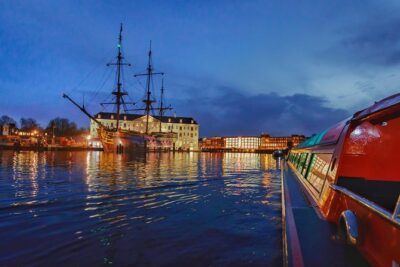
As you ride along the water, the city becomes easier to decode. You get lines of sight that show where canals used to support trade and where newer developments now respond to today’s needs. It’s also a smart way to understand Amsterdam’s layout: you can see how neighborhoods are shaped by water access, and how that shapes architecture decisions.
Practical tip: bring comfortable shoes and water, even if you’re not expecting a long ride. You’ll likely stop to look closely and listen, and that takes energy. This route is designed to be visual and reflective, not a quick zoom through the city.
You can also read our reviews of more tours and experiences in Amsterdam.
Canals and warehouses, then modern architecture: the old-new contrast you can actually see
A big part of why this tour works is the compare-and-spot style. You move through areas where historic canals and warehouses sit near newer development. The guide helps you see patterns you might miss on your own, like how earlier buildings were shaped by commerce and storage needs, and how modern projects respond to new priorities.
You’ll also get at least one stop focused on a price-winning or award-winning new-build project (as described for this tour). The value isn’t the award itself. It’s what the guide extracts from it: design logic you can carry to other buildings later. That means the tour doesn’t end when the ride ends. You’ll start “reading” architecture on your own walks.
What I like about this old-new pairing is that it avoids museum-only thinking. Amsterdam’s architecture isn’t frozen in time. It changes because the city is under constant pressure: water management, population growth, and the need for both everyday housing and higher-end living. You’ll hear the reasons behind that, not just the appearances.
Possible drawback: if you prefer purely scenic neighborhoods with minimal city-story, this will feel more like an informed design walk on wheels than a sightseeing cruise. You’ll want to listen closely to get the most value.
Amsterdam’s water logic: land conditions, flooding realities, and design choices
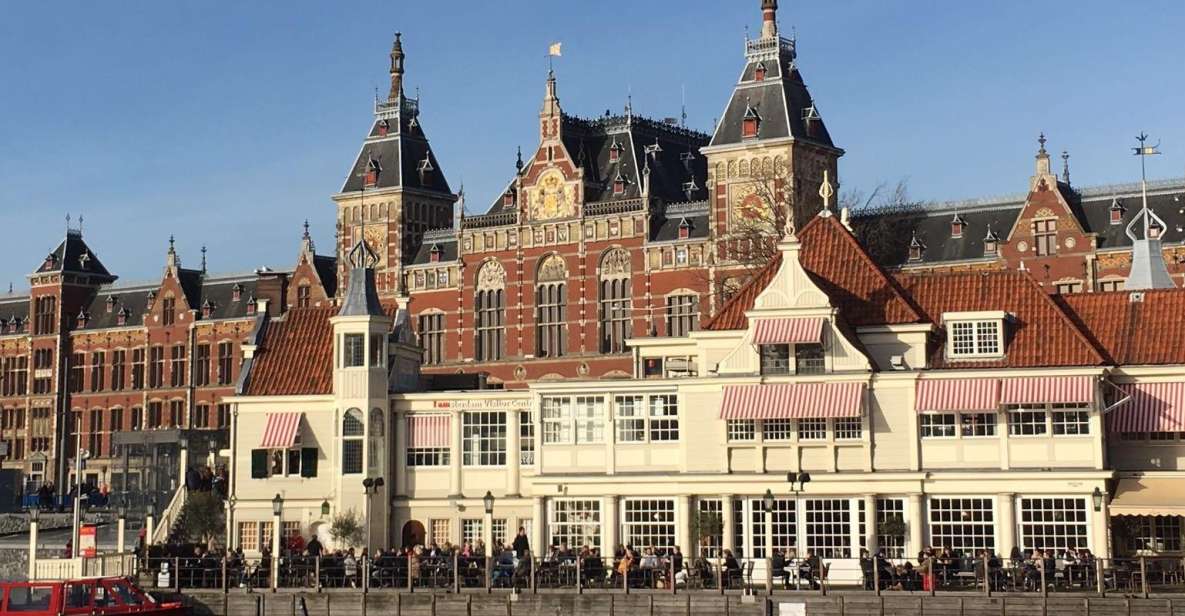
Amsterdam is famous for its romance. The tour balances that with the practical reality: water and tricky land conditions. You’ll learn how the city deals with building on challenging ground and why the architecture you see is tied to survival, not just style.
This is where the guide’s approach really earns its keep. When you understand that the environment dictates construction constraints, details that look random start making sense. The tour connects function and design—how buildings, infrastructure, and water-adjacent development have to work together.
Even the way the route is paced supports this. Cycling along the water lets you experience the city as an engineering problem with aesthetic results. You’re literally moving through the same geography that shapes construction decisions.
If you’re the type who likes explanations you can reuse later, you’ll get a lot out of this. It’s not just architecture talk. It’s architecture with reasons.
Social housing next to luxury housing: the housing reality behind the facades
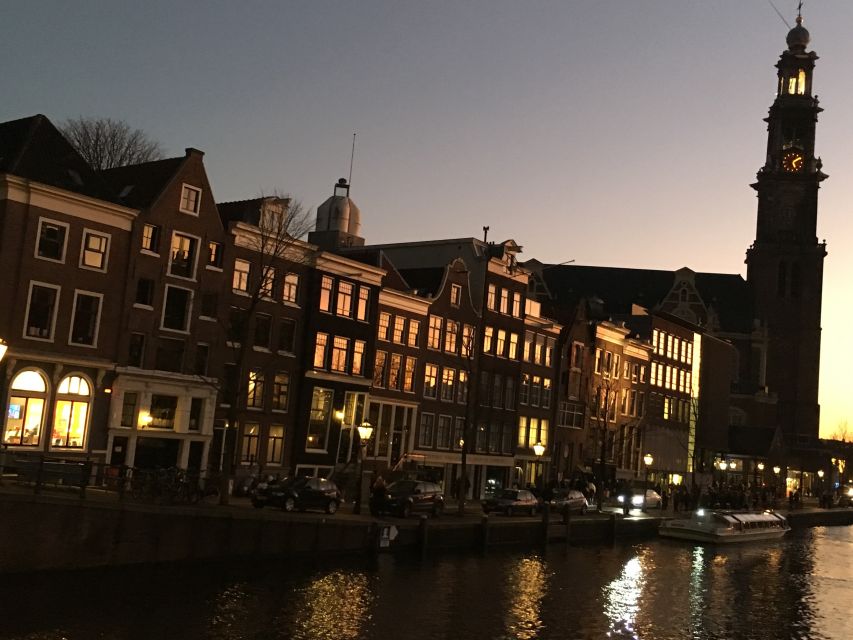
One of the most interesting themes on this tour is the pairing of social housing and luxury housing in the same broader urban picture. The tour frames this as part of Amsterdam’s growth and changing needs: a growing population means more residents must be housed, and that creates strong pressure on space.
So instead of treating architecture as decoration, you learn to treat it as a housing strategy. When you see different building types near each other—sometimes even in the same general zone—it becomes clearer how planning decisions can produce a mixed skyline.
This contrast can be uncomfortable in a good way. It nudges you to think beyond aesthetics. You’ll likely leave with a sharper sense of how cities make choices when they’re both densely populated and socially responsible at the same time.
Note: the tour doesn’t position this as a debate club. It’s more like a guided way to observe what exists and to understand why it’s there.
Industrial vs picturesque: docks, working areas, and the charm of function
You’ll also spend time on the industrial and picturesque architecture contrast. One moment you’re looking at the kind of buildings that once served trade, logistics, and storage. The next you see areas that feel more intimate or storybook-like, with details that match daily life.
This contrast is important because it helps you avoid a common Amsterdam mistake: treating the city as a single aesthetic. Amsterdam isn’t one style. It’s a stack of eras and functions layered on water and near trade routes.
If you like photography, this contrast is a gift. Industrial architecture gives you texture—grids, bulk, and structure. Picturesque areas give you human scale and charm. Seeing both in the same ride means you can capture the full “Amsterdam feel,” not only the most Instagram-friendly corners.
There is one tradeoff: industrial areas may not feel as romantic, and you’ll likely focus more on form and function than on scenic calm. If you want quiet parkland, you’ll get a different vibe than that.


Houseboats and the Western Islands: water living as design
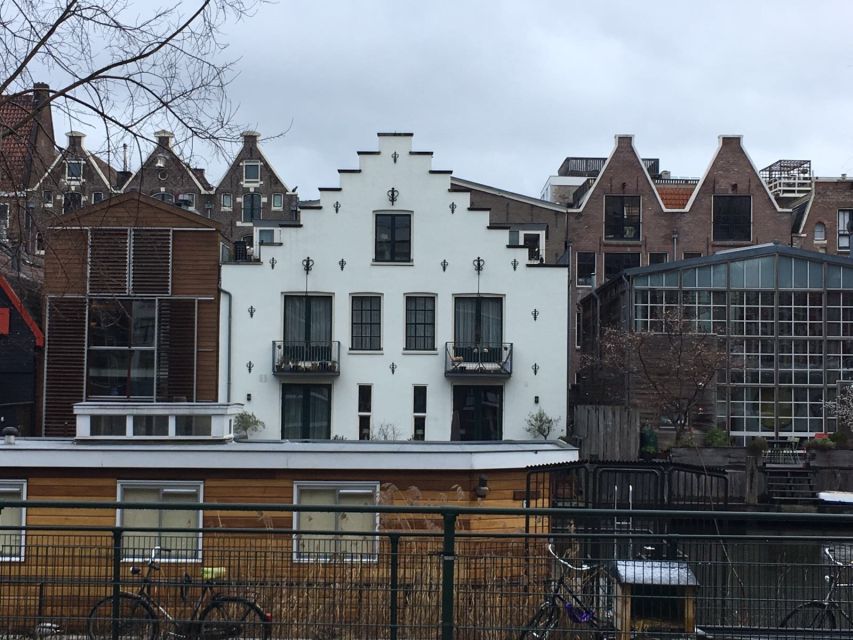
You’ll admire houseboats on this route, and that’s a highlight because houseboats are architecture you can understand instantly. They’re not distant landmarks. They’re living structures, shaped by water, space constraints, and daily practicality.
Then the tour shifts toward the Amsterdam Western Islands. Islands change the feel of the city fast. Even if you don’t see a dramatic skyline moment, the atmosphere tends to feel more shaped by water access and limited space. For architecture lovers, that’s a key lesson: environment and geography become design rules.
The tour ties this island-water context back to what you heard earlier—water and land conditions, design that has to survive and function, and solutions that blend practicality with visual identity.
Practical advice: dress for the weather you actually have, not the weather you hope for. Wind off the water can change how fast you feel cold, and the ride is outdoors through most conditions.
The guide and group size: what a small group changes for you
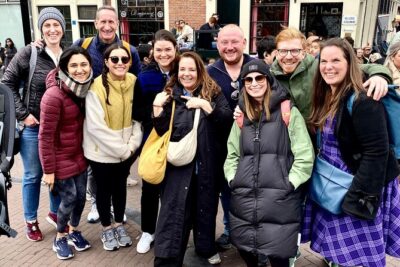
This is a small group limited to 10 participants and guided in German. A small group makes a difference because you can slow down and ask questions without the tour turning into a mass shuffle. It also makes stop-and-look moments feel more intentional rather than rushed.
Meeting point detail helps too. You’re looking for your guide with a black and white striped band around their neck. That’s a simple way to spot them quickly, especially if you’re arriving near a busy start area.
From the descriptions, the tour aims for both facts and humor. Expect amusing stories mixed into architecture explanations—helpful because it keeps the mental load lighter while you’re learning new ways to interpret buildings.
If you don’t speak German, this is still doable if you can understand the general flow of explanations, but you’ll get the most value if you’re comfortable following German narration.
What’s included in the $46 price, and where the value comes from
At $46 per person for a 2.5-hour guided bike tour, the value is mostly in three areas: a focused route, an expert guide, and the time you save doing it solo.
You’re paying for a guided experience where the architecture stops are connected by a theme: canals, warehouses, modern projects, water logic, and housing contrasts. When you do this on your own, you can certainly bike and look. The difference is you’ll likely spend more time guessing what you’re seeing and why it matters. Here, the guide helps you translate design into meaning.
The price includes the guided biketour plus lots of information and details. What’s not included is food and drinks, and bike hire. Since bike rental can run roughly €5 to €25 depending on where you go, factor that into your budget.
To judge value fairly, think of it like this: you’re getting a structured, small-group way to understand Amsterdam’s architecture from a bike-based viewpoint. If you love architecture and want to learn quickly without turning your day into a scavenger hunt, this price is reasonable.
If your priority is lounging and casually wandering, you might prefer free self-guided time with a rental bike. But if you want the “why” behind the buildings, the guide is what you’re really buying.
Cycling reality: timing, what to wear, and bike-readiness
The tour runs for about 2.5 hours, which is long enough to feel like you went somewhere, but short enough that you shouldn’t feel exhausted if you’re in decent cycling shape. Still, the main requirement is simple: you must be able to ride a bike.
The tour is rain or shine, so your clothing matters. Comfortable clothes and weather-appropriate layers are key. You’ll also want comfortable shoes for getting off the bike and standing while you listen.
One important note: the information asks you to ensure your bicycle is functional and roadworthy. If you’re bringing your own bike, great. If you’re renting, check brakes and tire condition before you start.
Also, a small behavioral note: intoxication and alcohol or drugs are not allowed. It’s a guided, listening-focused activity, and the rules keep it safe.
Who this tour is best for (and who should skip it)
This is ideal if you:
- love architecture and want to learn how it connects to real-world constraints like water and housing needs
- like cycling through the city rather than only walking
- enjoy guided stories that explain what you’re seeing, not just where to go
- want modern and historic Amsterdam in the same ride
It’s less ideal if you:
- don’t ride bikes confidently
- can’t handle being outside in changing weather for about 2.5 hours
- want a food-focused or laid-back cultural tour rather than an architecture-and-design learning session
Should you book Amsterdam Architektur Er-fahren?
I’d book it if you want a structured way to understand Amsterdam’s architecture in a short time window. The strongest reason is the theme: old canals and warehouses on one side, modern award-winning design on the other, with practical lessons about water conditions, housing pressures, and industrial vs picturesque contrast. You’ll come away with a better eye for details you can spot elsewhere.
Skip it if your idea of Amsterdam is mostly wandering without planning, or if you’re uncomfortable cycling. Also, if German is a problem for you, confirm you’re okay with a German-led guide before committing.
If you’re flexible, dress for rain, and ride confidently, this is the kind of tour that makes the city feel smarter while you’re still enjoying the views from the saddle.
FAQ
What language is the tour guide?
The live tour guide speaks German.
How long is the Amsterdam Architektur Er-fahren bike tour?
The duration is 2.5 hours.
Where do I meet the guide?
Meet at Beursplein/Damrak. Your guide will be identifiable by a black and white striped band around their neck.
What’s the group size?
This is a small group tour limited to 10 participants.
Does the tour run in bad weather?
Yes. The tour takes place rain or shine.
Is bike hire included in the price?
No. Bike hire is not included. You can usually rent a bike from local shops or get one from your hotel for around €5 to €25.
What is included in the ticket price?
Your ticket includes the guided bike tour with lots of information and fun details.
What should I bring with me?
Bring comfortable shoes, water, and comfortable clothes with weather-appropriate layers. You should also bring your own vehicle if you have one (a bicycle).
Are there any rules about alcohol or intoxication?
Yes. Intoxication and alcohol or drugs are not allowed.