REVIEW · FOOD
Private Amsterdam Red Light District tour with food tastings
Book on Viator →Operated by Trigger Tours · Bookable on Viator
A Red Light District tour can feel awkward. This one turns it into a clear, historical walk with food tastings and a guide who explains the why, not just the what. You’ll pass famous landmarks like the Old Church and Chinatown while you learn how this area became what it is today.
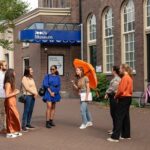
What I really like is the mix of street-level storytelling and practical pacing. Guides like Aaron, Sander, and Tony are praised for giving lots of information, answering questions, and keeping the walk comfortable. You’ll also have a private setup, so you can ask for the kind of focus you want, without the pressure of a big crowd.
One thing to consider: this is a topic that’s not everyone’s comfort zone. If you prefer a light, purely sightseeing vibe, you might find the subject matter and the setting more intense than a typical canal-and-museums tour.
In This Review
- Key highlights that make this Red Light District tour worth your time
- Why this is more than a quick nightlife photo stop
- The Red Light District part: history, prostitution, and coffeeshop culture (with tastings)
- Passing the Old Town landmarks: Old Church and Chinatown atmosphere
- The Dam and Amsterdam’s wooden-pole foundations: City built on trees
- The oldest part of the Old Town: why the area feels layered
- Pub The Ape (Int Aepjen): 1540 wooden survival story
- Waag, the old city gate: from defense wall to guild life
- The smallest house and the VOC storage-to-living shift
- The condom shop since 1987: modern signage with a long context
- Food tastings: what they add to the Red Light District experience
- What makes the guide experience shine (and why it matters)
- Price and value: what $121.52 per person buys you
- Who should book this private Red Light District tour
- Should you book this tour? My take
- FAQ
- How long is the private Red Light District tour?
- Is this tour private?
- What language is the tour offered in?
- What does the tour include besides walking?
- Where is the meeting point?
- What landmarks do you pass during the walk?
- Can I cancel for a refund?
- Is this tour easy to join for most people?
Key highlights that make this Red Light District tour worth your time
- Private, flexible pacing: only your group, with room to tailor what you care about
- Food tastings along the way: you’re not just looking; you’re sampling
- Historic stops that explain the city: wooden foundations, old gate buildings, and VOC-era stories
- Coffeeshop culture explained: context for how this neighborhood works in real life
- Practical, Q-and-A friendly guiding: guides praised for answering questions and guiding gently
Why this is more than a quick nightlife photo stop
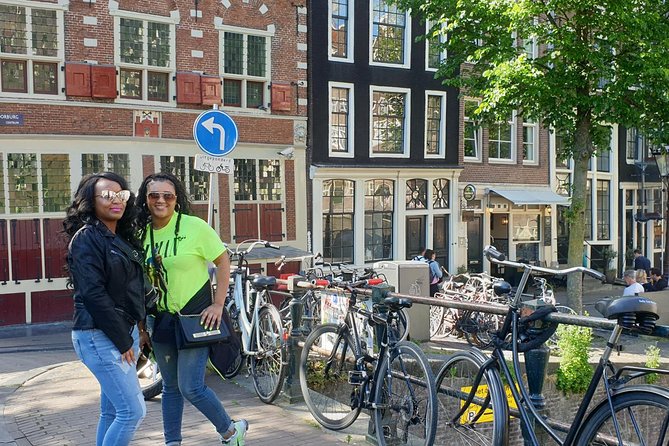
This tour is built for people who want context. Yes, you’ll be walking through the Red Light District. But the point is learning how Amsterdam shaped the area over time, and how different cultures and rules have interacted here.
You’ll spend about two hours on foot. The route is structured, but private means the guide can slow down if you have questions, or shift emphasis if your curiosity runs more toward history, social change, or how the neighborhood’s culture works today.
Also, you’ll see you’re not just walking past “signs.” You’re moving through layers of Amsterdam: old town foundations, surviving wooden architecture, gatehouse structures, and later commercial life that reflects shifting attitudes.
You can also read our reviews of more food & drink experiences in Amsterdam


The Red Light District part: history, prostitution, and coffeeshop culture (with tastings)
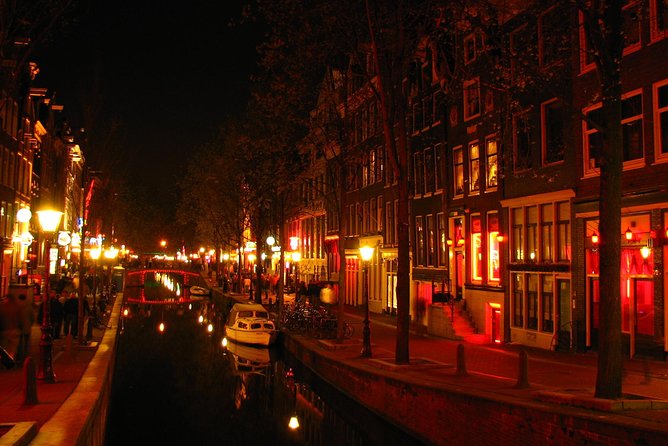
The main experience starts in the Red Light District with your private guide. This is where the tour tries to do something most quick walks don’t: it gives you facts and the bigger picture behind what you’re seeing.
You’ll learn about the area’s history around prostitution—framed with the kind of explanations that help you understand the neighborhood’s role in Amsterdam rather than treating it like a random spectacle. You’ll also hear about coffeeshop culture, so you’re not left guessing what you’re looking at or why it exists.
And then there’s the part that makes this tour feel human: the food tastings. Even though the Red Light District isn’t usually where people plan a “snack crawl,” the guide works tastings into the walk so the experience doesn’t stay all lecture and street views.
If you want a better feel for the area, do this tour early in your trip. It gives you bearings fast, and it helps you read the neighborhood without embarrassment or confusion.
Passing the Old Town landmarks: Old Church and Chinatown atmosphere
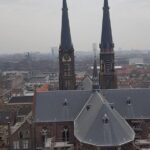
The tour route includes classic nearby landmarks—like the Old Church area and Chinatown. That matters because the Red Light District doesn’t sit in a vacuum. It’s woven into the same city fabric as long-standing neighborhoods and immigrant communities.
When you connect those dots, your visit feels less like stepping into a theme park and more like seeing how Amsterdam’s city life overlaps. The guide’s commentary helps you notice details you might otherwise miss, like why certain corners feel “older” or why streets around it have their own rhythms.
If your goal is understanding place, not just checking off sights, these passes are a real value. You’ll leave with a map in your head, not just photos on your phone.
The Dam and Amsterdam’s wooden-pole foundations: City built on trees
One of the most memorable stops is the one focused on Amsterdam’s engineering history—how the city was built on unstable ground. The explanation is simple but mind-bending: Amsterdam sits on fen and clay, so many buildings stand on wooden poles driven down until they reach a layer of solid sand.
You’ll hear the idea of Amsterdam as a city built on trees, and you’ll get a sense of how deep those foundations go—about 11 meters to reach firmer ground. It’s the kind of fact that changes how you view canals and old buildings. Suddenly the city isn’t just picturesque. It’s a feat of problem-solving.
This stop is also a reminder that the Red Light District is inside a much bigger Amsterdam story. The neighborhood’s history is part social and legal, yes—but it also depends on the physical reality of how and where the city could grow.
The oldest part of the Old Town: why the area feels layered
Another stop connects the Red Light District to the older urban core. This is described as part of the Red Light District that sits within the Old Town area, the oldest part of the city.
That matters because age shows up in street layout and building character. Even if you don’t study maps, you’ll feel it when lanes tighten or when the architecture looks like it had to survive centuries of change.
The guide’s job here is to help you connect the dots: what makes a place old, and what that age means for how the neighborhood evolved. You’re not just walking through a reputation; you’re walking through time.
You can also read our reviews of more tours and experiences in Amsterdam





Pub The Ape (Int Aepjen): 1540 wooden survival story
At Pub The Ape—known in Dutch as Int Aepjen—you’ll hear why it’s special. The building dates to around 1540, and it’s described as one of two remaining wooden buildings in Amsterdam.
This stop comes with a dramatic background moment: a big fire in 1452, after which the government shifted toward brick facades. So standing near this building, you’re basically looking at a survivor from the era before strict rules shaped construction.
Even if you’re not planning to drink, this kind of stop is valuable because it gives you a reason to care about the streets themselves. It turns the neighborhood into something you can interpret: not just present-day scenes, but decisions made by people back when the city was constantly at risk.
Waag, the old city gate: from defense wall to guild life
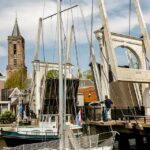
Next is the Waag, once a city gate and part of the defensive wall. It was built around the 1400s and is described as the second oldest building of Amsterdam.
The guide also covers what happened after the gate’s defensive role. The Waag later became a place where guilds and craftsman organizations operated, with craftsman groups situated within and around the square.
Why I think this stop works so well: it gives you a language for understanding old European cities. Amsterdam didn’t always treat commerce, craft, and rules as separate categories. They overlapped. The Waag is a concrete example of that overlap.
As you move through the area, you can start seeing how neighborhoods gained identity: through functions, institutions, and who used buildings—and why.
The smallest house and the VOC storage-to-living shift
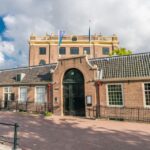
Then comes a stop about the smallest house in Amsterdam, built around the 1700s. It’s described first as storage used by the VOC trading company, and later as a long-term home.
This is one of those stops that makes you think. VOC storage suggests trade and shipping and strict logistics. Then the story shifts: the space became lived-in for a very long time.
That contrast is useful for understanding cities like Amsterdam. People used the city differently depending on era and need. Even a tiny house can be a window into bigger economic history.
If you like details, this stop gives you something concrete to picture. It’s also a good moment to slow down and just absorb the old-town feel.
The condom shop since 1987: modern signage with a long context
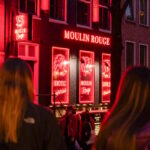
The tour also includes a stop tied to the modern side of the neighborhood: the world’s first condom shop, in place since 1987. It’s described as offering customized condom sizes and a range of special condom options.
This might sound like a weird “history stop,” but it’s actually part of the same story: how society handles sex work, health, and visibility. By pointing out a business that directly serves that reality, the guide is showing how attitudes and needs evolved.
Use this moment as a reality check: Amsterdam’s approach isn’t only about old laws and old buildings. It’s also about how the city adapts practical systems to social realities.
Food tastings: what they add to the Red Light District experience
Food tastings are the secret sauce here. Most people expect a Red Light District tour to be all explanation and street views. The tastings bring in a different kind of understanding: a chance to experience the area in a normal, everyday way.
Because the specific foods aren’t detailed here, I’d plan to treat this as a “try a few bites” situation rather than a full meal plan. The tastings are there to punctuate the walk, keep energy up, and make the tour feel less heavy.
If you’re picky about strong flavors or have dietary restrictions, I’d reach out or ask your guide at the start what the tastings typically include. Since the tour is private and customizable, you’re more likely to get practical accommodations than on a fixed group walk.
What makes the guide experience shine (and why it matters)
The best part of this tour isn’t any single landmark. It’s the way the guide turns a tense topic into understandable information and moves you at a pace that fits your group.
The guides highlighted—Aaron, Sander, and Tony—are praised for delivering lots of facts, answering questions, and keeping things comfortable. One guide is also noted for having a sense of humor, which I think is essential for a neighborhood where people often feel awkward.
Humor isn’t about making light of anything serious. It’s about lowering your stress so you can pay attention. If you tend to get nervous on tours with sensitive themes, this style can help you relax and absorb the story.
And because it’s private, you’re not forced to endure a lecture when you’d rather ask quick questions or focus on one theme.
Price and value: what $121.52 per person buys you
At $121.52 per person for about two hours, this is not the cheapest way to see Amsterdam. But the value isn’t just the walk. You’re paying for a private guide, multiple historic stops, and food tastings woven into the experience.
A public walking tour might cost less, sure. But you usually trade away the ability to customize and the chance to ask questions at your speed. Here, the private format matters because the Red Light District subject can be personal. You can steer the conversation toward what you actually want to understand.
Also, the tour is typically booked about 53 days in advance on average. That suggests it’s in demand—so if this is a priority for you, it’s worth booking early rather than hoping something last-minute appears.
Who should book this private Red Light District tour
This is a strong fit if:
- you want local context, not just photos
- you’re curious about how Amsterdam’s rules, culture, and history shape neighborhoods
- you like a guided walking format with stops that explain buildings and street life
- you’re comfortable with mature subject matter being discussed respectfully
It may be a less ideal match if:
- you want a strictly family-friendly, carefree city walk (this area and topic are clearly adult)
- you dislike guided talk and prefer independent exploring
- you prefer only classic museums and canals, with no nightlife-adjacent neighborhoods
Should you book this tour? My take
If you’re the type of traveler who reads street signs and wants the backstory behind a place, I think you’ll enjoy this. The biggest win is that it connects the Red Light District to the wider Amsterdam story—foundations, old architecture, guild life, trading company era, and then the modern practical reality.
The food tastings also help you avoid the common problem with tours like this: turning everything into “awkward sightseeing.” Here, you get narrative and then you get to nibble along the way.
Book it if you want clarity and a guide who can answer questions without turning the whole thing into a stunt. Skip it if you’re easily uncomfortable or only want light, low-stakes sightseeing.
FAQ
How long is the private Red Light District tour?
It lasts about 2 hours.
Is this tour private?
Yes. It’s a private tour, so only your group participates.
What language is the tour offered in?
The tour is offered in English.
What does the tour include besides walking?
You get to explore the Red Light District with your private guide, learn about its history and related culture, and stop for food tastings.
Where is the meeting point?
Meet at ParkBee Parking NH Collection Amsterdam Barbizon Palace, Prins Hendrikkade 59, 1012 AD Amsterdam, Netherlands.
What landmarks do you pass during the walk?
You’ll pass landmarks like the Old Church and Chinatown, along with other historic spots around the area.
Can I cancel for a refund?
Yes. You can cancel up to 24 hours in advance for a full refund.
Is this tour easy to join for most people?
Most travelers can participate. Service animals are allowed, and it’s near public transportation.