REVIEW · HISTORICAL TOURS
Amsterdam: Haunted History and Ghost Walking Tour
Book on GetYourGuide →Operated by Empire Tours and Productions (Amsterdam) · Bookable on GetYourGuide
Amsterdam has ghosts in plain sight. This 2-hour walking tour pairs spooky storytelling with real places, and I especially like how it blends haunted history with street-level details you’d miss on your own. I also like the human touch: guides such as Sunil, Duncan, and Jan bring humor and answer questions without rushing you. One heads-up: it can feel more history-focused than full-on jump-scare ghost theater, so if you want extra spooky vibes, look for the later departure such as the 8pm slot when available.
You start right in the thick of it near Dam Square, then work your way through corners tied to prison life, religious vows, and even Enlightenment-era science. You’ll hear tales connected to the Nieuwe Kerk, the Spinhuis, the Begijnhof, Blood Street, and the Purgatory of the Waag—each stop adding a new shade of darkness to the city’s story. If you’re visiting in cold or wet weather, dress for it and expect plenty of walking on cobblestones.
In This Review
- Key tour highlights worth your attention
- Starting at Dam Square and finding the tour fast
- Dam Square to Nieuwe Kerk: royal echoes and underground secrets
- Spinhuis: the women’s prison that turns dates into people
- Begijnhof: a peaceful courtyard with a tragic edge
- Blood Street: where centuries of violence live on cobblestones
- Purgatory of the Waag: science in a haunted spotlight
- How the guide can make or break the experience
- Price and time: why $30 can be a smart buy
- How much fear should you expect on this haunted history walk
- Who this tour suits best (and who might want something else)
- Should you book this Amsterdam haunted history tour?
- FAQ
- How long is the Amsterdam Haunted History and Ghost Walking Tour?
- What does it cost?
- Where do we meet for the tour?
- Is the tour in English?
- Is the tour wheelchair accessible?
- What’s included in the ticket?
- Are food and drinks included?
- Is there free cancellation?
- Can I reserve and pay later?
Key tour highlights worth your attention
- Dam Square start: a strong launch point that sets the tone for what the guide plans to explain next
- Nieuwe Kerk stop: stories about royal ceremony echoes plus crypts and vaults tied to notable people
- Spinhuis women’s prison: sorrow-heavy accounts that give Amsterdam’s legal past a human face
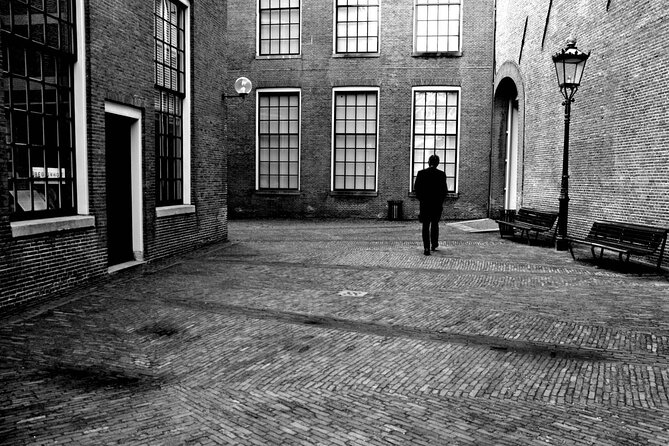
- Begijnhof courtyard: a quiet setting used for a tragic tale about a nun and broken vows
- Blood Street cobblestones: violence and mayhem described in a narrow, uneasy alley
- Purgatory of the Waag: Enlightenment science with a macabre edge
Starting at Dam Square and finding the tour fast
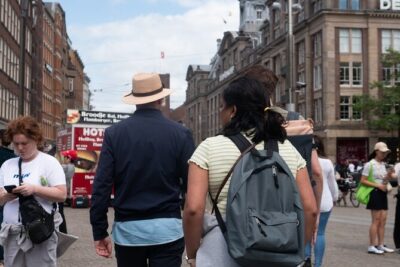
Most good tours begin with a clear meeting point and an easy first beat, and this one nails both. You meet in front of Hotel Krasnopolsky, behind the monument at Dam Square. That location matters because Dam Square is loud, busy, and full of movement. The guide uses that energy to frame Amsterdam’s past: how a city that looks postcard-neat has always had power plays, punishments, and secrets.
I recommend arriving a few minutes early so you can get oriented without feeling rushed. You’ll also want to check the weather right before you go. Several guests talked about cold and wet conditions, and this tour is outdoors for its full length. Wear layers and bring something that handles light rain, because even a short, 2-hour walk gets uncomfortable if you’re shivering.
One more practical note: this tour is designed as a walk through historic spots, not a sit-and-stare museum route. If you like learning while walking—getting your bearings fast and collecting story crumbs along the way—this format fits your travel style.
You can also read our reviews of more walking tours in Amsterdam



Dam Square to Nieuwe Kerk: royal echoes and underground secrets

After you get rolling, the tour heads to Nieuwe Kerk. This is where the tone turns from citywide atmosphere to specific place-based storytelling. The guide sets up the idea that the church has seen royal ceremony—big moments that would have echoed through the building—and then contrasts that with darker threads of what happened afterward.
You’ll hear about the crypts and vaults where notable figures lie in eternal slumber. Even if you’re not the type to believe in ghosts, the “how the space was used” angle is the point. Churches like this weren’t only about worship. They were also about status, commemoration, and memory. That’s why the stories land: you’re not just hearing spooky lines. You’re standing next to a structure that made those lines possible.
Drawback to keep in mind: the scare factor here is mostly narrative and mood, not theatrical. The tour leans on your imagination, guided by location and historical framing. If you come expecting heavy special effects, you may find it more “storytelling walk” than “haunted attraction.” On the plus side, that history-meets-spooky approach is exactly why many people rated the experience highly.
Spinhuis: the women’s prison that turns dates into people

Next comes a major emotional shift: the Spinhuis, a former women’s prison. The guide talks about sorrow and despair and focuses on the feeling of standing in a place shaped by punishment. This is one of those stops where the tour’s value is less about supernatural claims and more about how human life gets caught inside systems.
You’ll hear the kind of stories that make you rethink the word justice. Prisons are often described in modern terms—terms like security, sentences, rehabilitation. Here, you’re being shown the older logic: confinement, power, and control. The guide connects those themes to Amsterdam’s broader history, so it doesn’t feel like random spooky lore.
Practical consideration: you’ll likely spend some time near areas where sound carries and crowds may shift. Keep your eye on the guide and give the group room to form up. This tour works best when everyone can hear the storyteller. If you’re taking photos, do it quickly and then refocus on the guide’s pacing—his or her narration is doing the heavy lifting.
Begijnhof: a peaceful courtyard with a tragic edge
After the heavier prison themes, the walk shifts to Begijnhof, a quieter courtyard that feels like a pocket in the city. That contrast is smart. A peaceful setting makes the next story hit harder, because you start expecting calm, and then you get a tale of vows broken.
The guide shares a tragic account of a nun who was condemned to wander in silence after breaking her vows. You’re encouraged to listen for faint echoes—an invitation to slow down and notice your own surroundings. This stop is less about action and more about atmosphere. It’s the kind of moment where a guided walk turns into a mini reset: you stop moving as fast, and the city feels closer to quiet history.
What I like for you here is that the courtyard isn’t just a stage. You’re surrounded by a space that shows how Amsterdam cared for community life. Even if you’re treating the haunting as narrative rather than belief, the tour still gives you a meaningful connection between religion, punishment, and the way people tried to live under rules.
Blood Street: where centuries of violence live on cobblestones
Now the route gets darker again with Blood Street. This is one of the most atmospheric parts of the tour because it’s an actual old alleyway, narrow and unforgiving in feeling. The guide talks about centuries of violence, despair, and tales of murder and mayhem—then you walk those cobblestones as part of the story.
I like this stop because it’s not only about what the guide says. It’s also about how the environment shapes your attention. In tight lanes, your body naturally slows down. Your senses feel sharper. Whether you buy into ghosts or not, you get that uncomfortable awareness of “things happened here.”
One thing to consider: cobblestones can be slick, especially after rain. Wear shoes you trust. Also, this stretch can feel emotionally intense if you’re sensitive to violent themes. The tour keeps it narrative and historical, but the subject matter is clearly meant to unsettle.
You can also read our reviews of more historical tours in Amsterdam






Purgatory of the Waag: science in a haunted spotlight
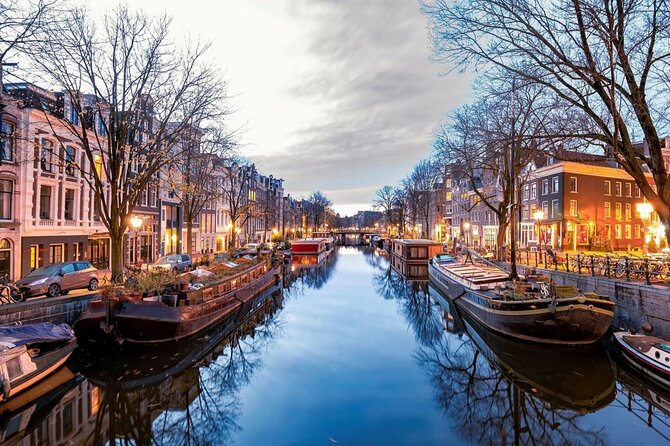
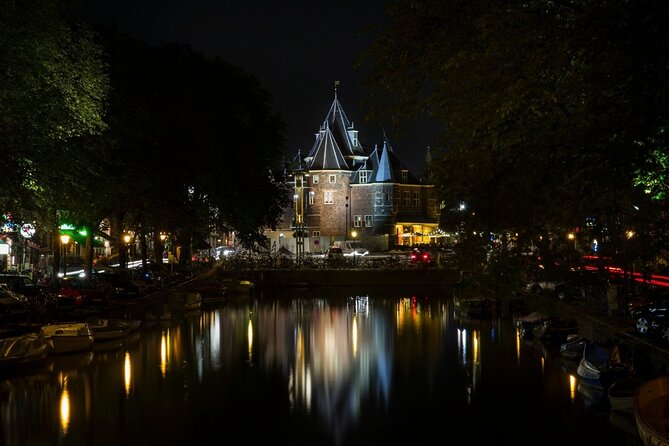
Your final major stop is the Purgatory of the Waag. The tone changes again, shifting from religious punishment and violent street history toward Enlightenment-era curiosity. The guide frames it as science paired with restless souls—those who were dissected within the walls.
This is a key reason the tour feels different from other ghost walks. It treats the “spooky” element as a mix of places, beliefs, and the era’s attitudes toward bodies and knowledge. The Enlightenment wasn’t only books and lectures. It also had a darker side: experimentation, dissection, and the ethical questions that come later.
For practical comfort, this is where your feet may be tired. You’ve been walking for about two hours by now, so pace yourself. Also, take a breath and look up at the building and doorway lines. Even when you’re hearing grim stories, it helps to anchor the moment in what’s physically in front of you.
How the guide can make or break the experience
This is one of those tours where the guide is the product. A lot of guests highlighted the same pattern: the best guides blend history, humor, and a willingness to answer questions. Names that came up often include Sunil, Duncan, and Jan.
What you should look for in the vibe is something guests repeatedly loved:
- a fun, friendly delivery
- clear explanations of Amsterdam’s evolution
- humor that keeps the mood moving instead of getting heavy
There’s also a useful nuance: one guest noted a guide who was a ghost skeptic. That matters if you’re chasing a supernatural feeling only. If you’re open to stories framed as history and atmosphere, that skepticism can actually make the whole thing more believable and grounded, because you’ll focus on what the place represents.
Some guides may also show extra visuals during the walk. One guest specifically mentioned contemporary photos, paintings, and newspaper articles shown on an iPad. If that’s part of your guide style, it’s a big plus: you get context you can’t always “see” just by looking at buildings.
Most important: guests said they felt safe. That’s not just comfort; it affects how well you can listen. When the group isn’t rushing and the guide keeps control, you hear more and stress less.
Price and time: why $30 can be a smart buy
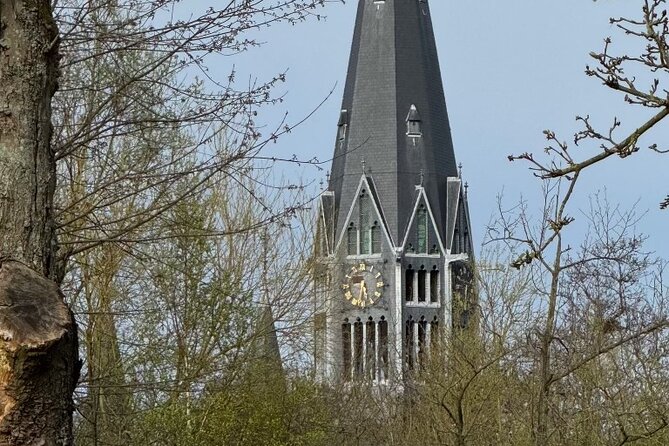
At $30 per person for a 2-hour walking tour, the price is in the range where you’re not overspending, especially in a city like Amsterdam where experiences add up fast. You’re paying for a live guide/storyteller and a guided route through multiple sites, including several you may not cross unless you have a reason.
Here’s the value argument I’d make for you:
- You get a storyline that connects church, prison, courtyard, and alley rather than treating them as separate “checkmarks.”
- You spend time in spots you might not naturally notice on a self-guided walk.
- The short duration makes it easy to fit on a busy day.
What you should watch for: it’s not a food tour, so don’t plan to wander hungry. The tour doesn’t include food or drinks. If you like to eat while exploring, grab something before or after.
Also remember the weather factor. Outdoors + Dutch conditions can mean cold or damp discomfort if you underdress. Still, several guests said the guides pushed hard even when the day was wet.
How much fear should you expect on this haunted history walk
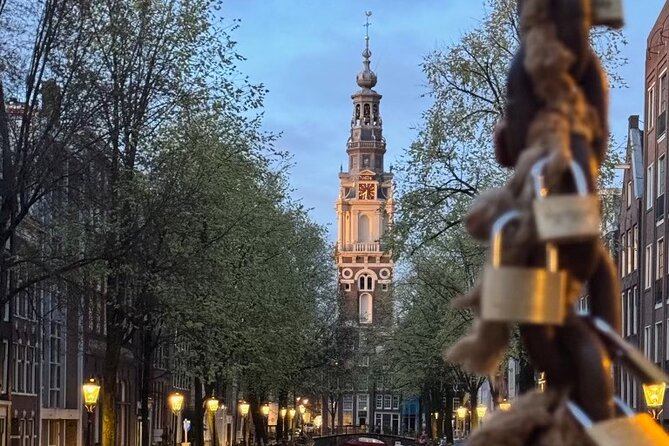
If you want a horror movie experience, this tour may not fully match that expectation. More than once, people described it as a strong mix where the history can feel more prominent than pure haunting effects.
So what do you get instead? You get eerie stories with a sense of place. The guide’s storytelling is designed to make you picture older punishments and older beliefs in real locations. You’ll hear about witch trials, odd medical or scientific ideas, and the city’s harsh side—then you move on to the next corner.
Choosing your departure can change the vibe. One guest suggested that if you want extra scare factor, pick the 8pm slot when available, since the darkness adds to the mood. Earlier tours can still be excellent, especially if you want a calmer walk and don’t want late-night stamina costs.
Either way, go in expecting discomfort from history, not from theatrical jump scares. If you’re curious rather than squeamish, you’ll likely enjoy it more.
Who this tour suits best (and who might want something else)
This is a great fit if you:
- like Amsterdam beyond the canals you already see in photos
- enjoy guided stories tied to actual buildings and streets
- want a short activity that gives you context fast
- travel with someone who enjoys history, not just sightseeing
It’s also a good “first Amsterdam tour” option. Starting at Dam Square and ending near the Waag area makes it a useful orientation loop. You’ll walk into parts of the city where the story of the Dutch past feels more human—prisoners, nuns, victims, and the people behind institutions.
If you’re mainly chasing a supernatural experience with lots of spooky interaction, you might feel slightly underfed. But if you can appreciate ghost stories as a way to understand the city’s darker evolution, this walk hits the sweet spot.
For couples and small groups, it can feel especially personal. One guest mentioned arriving to a tiny group of just two participants, which can mean more back-and-forth and more room to ask questions. No promise here for every departure, but the format supports it.
Should you book this Amsterdam haunted history tour?
Yes, if you want a 2-hour walk that uses real locations to explain Amsterdam’s harder chapters, from the Nieuwe Kerk to Spinhuis, Begijnhof, Blood Street, and the Purgatory of the Waag. The $30 price feels fair for what you’re buying: a guided route, a storyteller, and a narrative that turns buildings into meaning.
I’d say it’s especially worth it when you’re the type who likes to understand why places look the way they do. You’ll come away with names, streets, and themes that make the next day of wandering more interesting.
If you need nonstop supernatural thrills, consider choosing a later departure when you can. And regardless of timing, dress for the outdoors so you can focus on the stories instead of fighting the weather.
FAQ
How long is the Amsterdam Haunted History and Ghost Walking Tour?
The tour lasts 2 hours.
What does it cost?
It’s priced at $30 per person.
Where do we meet for the tour?
Meet in front of Hotel Krasnopolsky, behind the monument at Dam Square, where your guide will be waiting.
Is the tour in English?
Yes. The tour guide provides the tour in English.
Is the tour wheelchair accessible?
Yes, the tour is wheelchair accessible.
What’s included in the ticket?
The included items are the walking tour plus a guide and storyteller.
Are food and drinks included?
No. Food and drinks are not included.
Is there free cancellation?
Yes. You can cancel up to 24 hours in advance for a full refund.
Can I reserve and pay later?
Yes. The booking option includes Reserve now & pay later, meaning you can book your spot and pay nothing today.