Amsterdam has a way of telling stories in stone and brick. This Heritage Walking Tour connects Jewish community life to the Nazi occupation years, then finishes in the Anne Frank House area—without making it feel like a history lecture. You’ll see major landmarks and monuments tied to deportations and resistance, plus a few stops that help you understand the neighborhood as a place, not just a postcard.
I especially like how the tour is paced for a max of 15 people, which keeps the questions flowing instead of getting swallowed by a crowd. I also like that the guide approach is human and sensitive—guides such as Aaron, James, and Andrea have been singled out for mixing strong facts with compassionate storytelling.
One consideration: this walk covers the Holocaust and deportation in Amsterdam. If you want only light sightseeing, this tour may feel emotionally heavy.
In This Review
- Key Things You Should Know Before You Go
- Why This Jewish Quarter Walk Works Better Than a Ticket-Only Visit
- From Amsterdam Sephardic Roots to a Synagogue Still in Use
- The Deportation Story: Monuments, Names, and the Neighborhood Under Pressure
- Jewish Resistance and the Hard Turn Toward Deportation Camps
- Plantage Area: Beauty With a Shadow, Plus the Spinoza Monument
- Dam Square and the Royal Palace: How Local History Expands Into the City Center
- The Anne Frank Finish: Context You Can Carry Into the Museum Visit
- The Guides, the Pace, and Why Questions Matter Here
- Price and Value: What $29.52 Actually Buys
- Getting There in Amsterdam: Meet at Amstel 51C
- Should You Book This Jewish Quarter Heritage Walking Tour?
- FAQ
- How long is the Amsterdam Jewish Quarter Heritage Walking Tour?
- Where is the meeting point?
- What is the group size limit?
- Is hotel pickup included?
- Is the Anne Frank House entrance ticket included?
- Is this tour offered in English?
- What happens if the weather is bad?
Key Things You Should Know Before You Go
- Golden Age Jewish life and a synagogue that’s still an active place of worship
- A route that tracks Nazi occupation and deportation, stop by stop
- Small-group size (up to 15) for real conversation, not head-bobbing
- Finishes right at the Anne Frank House area with your guide’s context
- Plantage area sights plus the Spinoza monument
- Dam Square and the Royal Palace show up as part of the bigger city picture
Why This Jewish Quarter Walk Works Better Than a Ticket-Only Visit
A lot of Amsterdam tours show you buildings. This one explains why those buildings mattered to real people. You start with the Jewish community of Amsterdam and work through the occupation era (1940–1945), so the story lands with more weight than a quick photo stop.
What makes the format feel right is the small-group setup. With up to 15 travelers, you can ask follow-ups and not lose the thread. You’ll also get a guide who knows how to handle difficult material without turning away from it—people have noted guides bringing both historical detail and empathy to the topic.
The other win: you get to see several important locations under one booking. Instead of piecing things together on your own, you get a coherent route that takes you through the Jewish Quarter, Plantage, and major central landmarks like Dam Square.
You can also read our reviews of more walking tours in Amsterdam



From Amsterdam Sephardic Roots to a Synagogue Still in Use
The tour begins by grounding you in the Jewish community of Amsterdam, including the Sephardic community’s role during the Dutch Golden Age. This matters because it frames what was lost later. You’ll hear how the Sephardic community was among the largest and richest in Europe at the time, and how a major synagogue reflected that status.
You also get a built-in reality check: the synagogue is not just a museum relic. It remains an active place of worship and is also a popular tourist attraction. That dual identity can be quietly powerful—history here isn’t sealed in a past box.
Practical note: because this is a walking experience, you’ll want to pay attention to what the guide points out around the building. Even without going deep into interiors, you can learn to read the neighborhood through the same streets locals still use.
The Deportation Story: Monuments, Names, and the Neighborhood Under Pressure
As the walk continues, you move from community life into the machinery of persecution. You’ll visit a monument tied to Jewish deportation, and you’ll hear how deportation unfolded and what it meant for people living in Amsterdam.
This is the part of the experience where the guide’s tone really counts. Several people have highlighted how the storytelling stays compassionate, not sensational. You’re not just ticking off sites; you’re building a timeline in your head.
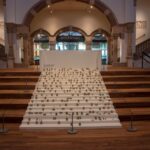
One detail worth knowing for your expectations: the route has been described as including a Holocaust memorial wall listing the names of 102,000 Jews from the area who were killed. Even if your exact stop order varies slightly day to day, expect the emotional intensity to rise here. Plan to move slowly during these moments and let the guide’s context do its job.
Jewish Resistance and the Hard Turn Toward Deportation Camps
A big strength of this tour is that it doesn’t jump straight from persecution to the end of the story. You’ll hear about the resistance of the Jewish community, which helps correct a common oversimplification: people weren’t only victims; they also resisted, supported each other, and tried to survive.
Then the narrative turns toward deportation camps. The guide connects the local story in Amsterdam to what those camps meant in practice. This portion is heavy, but it’s also where the tour becomes more than city sightseeing. You’re learning how the local and human scale connect to a larger system.
If you’re sensitive to difficult topics, it helps to remember what the guide is doing: giving you structure. You’ll feel less lost, because each stop ties to the next one like links in a chain.
Plantage Area: Beauty With a Shadow, Plus the Spinoza Monument
After the darkest chapters, you shift into the Plantage area, with the guide showing you what’s “beautiful” about the neighborhood while explaining the history behind it. This contrast is one of the most useful parts of the walk. It reminds you that what was destroyed lived inside real streets, real homes, and real daily routines.
You’ll also stop at the Spinoza monument. The fact that it’s included in a tour like this is telling. Even if you don’t know every detail beforehand, you’re learning how Jewish intellectual and cultural life connects to the physical geography of the city.
A tip for your own pacing: in Plantage, your feet will still do the walking, but your brain will keep processing. Give yourself permission to slow down for photos. Think of it as your way of absorbing what the guide is building.
You can also read our reviews of more historical tours in Amsterdam






Dam Square and the Royal Palace: How Local History Expands Into the City Center
The tour doesn’t stay locked in the old quarter. You’ll walk to Dam Square, where you’ll also see the Royal Palace. The guide uses these stops to widen your lens: the Jewish story in Amsterdam isn’t isolated in one neighborhood. It connects to the broader city map and the way Amsterdam functioned during major historical moments.
This is a smart move for anyone who feels like “history tours” can become tunnel vision. By the time you reach the center, you’re not just seeing where events happened—you’re seeing how those events sat inside the larger Amsterdam story.
If you’re the kind of person who likes to understand a city’s layout, this section can help you get your bearings fast. After the walk, you’ll be able to navigate the center with more meaning attached to the streets.
The Anne Frank Finish: Context You Can Carry Into the Museum Visit
The walk ends with the guide sharing more about the Anne Frank story, finishing right outside the Anne Frank House area. Even if you’ve heard of Anne Frank before, this part tends to click differently once you’ve already learned the local Jewish history and the broader deportation context.
Important detail: the tour does not include an entrance ticket to the Anne Frank House. That’s not a dealbreaker—it just means you’ll need to plan your museum visit separately if you want to go inside.
Here’s how I’d use this timing if you’re doing both:
- If you plan to enter the museum, go in with the tour’s context fresh in your mind. The stories will feel less like separate facts.
- If you don’t plan to enter, you can still use the finish as a guided orientation point for your next steps.
Either way, the finish feels earned. You’re not arriving at Anne Frank on page one—you’ve arrived after walking through the neighborhood’s past and the occupation era that shaped it.
The Guides, the Pace, and Why Questions Matter Here
This walk is at its best when the guide turns history into something you can hold. People have described guides like Aaron as using a history-focused, fast-moving style, while still keeping the tone sensitive. Others have called out James for heartfelt, compassionate storytelling and Andrea for clarity and warmth.
What you should expect in the real flow:
- A guided pace that keeps you moving through key sites in about two hours
- Enough time for Q&A for a small group
- A guide who checks in on people’s reactions when the topic turns emotional
Also, the walking route is described as easy to manage for most people. It’s a city-center walk, so good walking shoes help, but it’s not framed as extreme.
Price and Value: What $29.52 Actually Buys
At about $29.52 per person for roughly two hours, the value comes from what’s bundled into the guide’s route. You’re not just paying for movement—you’re paying for the “why” behind the streets: synagogue context, deportation monuments, resistance, deportation camps, Plantage, and the Anne Frank finish point.
A few value boosters included:
- A local guide
- Hotel pickup and drop-off for selected hotels (if you’re eligible)
- A mobile ticket
- A small-group size that makes your time feel more personal than a mass group tour
A couple of things you’ll pay separately:
- Food and drinks
- Entrance to the Anne Frank House (ticket not included)
One more practical angle: the tour is offered in English and designed for most people to participate. If you’re short on time and want a route that saves you from researching dozens of stops, this price makes more sense than it looks at first glance.
Getting There in Amsterdam: Meet at Amstel 51C
You meet at Amstel 51C, 1018 EJ Amsterdam. The location is in a central area where public transportation connections are available, which is handy when Amsterdam weather changes fast.
If your hotel is in the pickup zone, hotel pickup and drop-off can save you some hassle. If not, no panic—Amsterdam is built for short walks and tram hopping, and the meeting point is straightforward to reach.
Plan to dress for the weather. The experience requires good weather. If it’s canceled due to poor conditions, you’ll be offered a different date or a full refund.
Should You Book This Jewish Quarter Heritage Walking Tour?
I’d book it if you want a structured, emotionally honest walking route through Amsterdam’s Jewish Quarter—one that doesn’t treat the Holocaust as an abstract topic. The small-group size, the clear timeline from community life to occupation-era deportations, and the way the guide brings context to the Anne Frank finish are the real reasons this tour earns such strong ratings.
Skip it only if you know you want light, upbeat sightseeing. This isn’t that. It’s a “learn the city, then carry the story with you” kind of walk.
If you’re visiting Anne Frank House anyway, this tour can be a smart warm-up, because you’ll arrive with context and not just curiosity.
FAQ
How long is the Amsterdam Jewish Quarter Heritage Walking Tour?
It lasts about 2 hours.
Where is the meeting point?
The meeting point is Amstel 51C, 1018 EJ Amsterdam, Netherlands.
What is the group size limit?
The tour has a maximum of 15 travelers.
Is hotel pickup included?
Hotel pickup and drop-off are included for selected hotels only.
Is the Anne Frank House entrance ticket included?
No. The tour does not include the entrance ticket to the Anne Frank House.
Is this tour offered in English?
Yes, it is offered in English.
What happens if the weather is bad?
The experience requires good weather. If it’s canceled due to poor weather, you’ll be offered a different date or a full refund. You can cancel up to 24 hours in advance for a full refund.