
REVIEW · MUSEUMS
Diamond Museum Amsterdam Admission Ticket
Book on Viator →Operated by Royal Coster Diamonds · Bookable on Viator
Diamonds meet Amsterdam art on Museumplein. This small museum traces how diamonds form deep underground, then connects the stone to Dutch cutting and the sparkle of famous royal jewelry. You’ll see everything from the science of valuation to the showy side of high-carat glamour, all near major museum neighbors.
I especially like the chance to watch professional polishers and goldsmiths creating jewelry, not just reading about it. I also like the royal crowns and Amsterdam-cut legends showcased through major historically famous diamonds tied to Coster Diamonds, including the Cullinan and the Koh-I-Noor.
One thing to consider: if you’re expecting a hands-on live demonstration of cutting or setting, you may find more film or written explanation than active “watch it happen” craftwork during your visit.
In This Review
- Key things to know before you go
- Diamond Museum Amsterdam: what you’re actually buying
- Finding it quickly: Museumplein location and best use of time
- From deep Earth to finished sparkle: your walking route
- The display highlights: crowns, famous cuts, and tiny surprises
- What the craftsmanship section delivers (and where it may fall short)
- The small-room reality: replicas, setup, and comfort issues
- The fun layer: diamond-themed game and a “mission” feeling
- Price value check: is $72 worth it?
- Logistics you should plan for: QR codes and entry timing
- Accessibility and comfort: manage expectations
- Who should book this, and who might skip it
- Should you book the Diamond Museum Amsterdam admission?
- FAQ
- How long does the Diamond Museum Amsterdam visit take?
- Where is the Diamond Museum Amsterdam located?
- What are the opening hours?
- What’s included with the Diamond Museum Amsterdam admission ticket?
- What isn’t included in the ticket price?
- Who runs the experience?
- Is free cancellation available?
Key things to know before you go
- Museum Square location: right between the Rijksmuseum and the Van Gogh Museum, so it fits naturally with a big-art day.
- A big story in a small space: the visit is about 1–2 hours, from diamond formation to valuation and types.
- Famous diamonds with an Amsterdam link: Coster Diamonds is tied to the cutting of the Cullinan and Koh-I-Noor.
- You can watch craft in action: see stone polishing and goldsmithing at work.
- Interactive adds energy: there’s a diamond-themed game on-site, with a fun, playful vibe.
Diamond Museum Amsterdam: what you’re actually buying
For $72, you’re paying for more than “a room of shiny rocks.” You’re buying a guided-feeling experience that moves through the full diamond story: how diamonds form, how they’re assessed, and how they end up in jewelry and royal settings. The museum’s pitch is clear—diamonds start about 200 kilometers below the surface, then spend billions of years turning into crystals with attributes that later matter to value.
The time window is also part of the deal. At about 1–2 hours, you’re not committing to a half-day museum marathon. That’s good value if you like focused, story-led stops between larger sights. It’s less good value if you’re looking for a long, slow gallery crawl with lots of breathing room.
One practical note: the museum is open daily from 9am to 5pm, including weekends and holidays. That flexibility helps in Amsterdam, where museum plans can shift with weather or crowds at the biggest attractions.
You can also read our reviews of more tours and experiences in Amsterdam



Finding it quickly: Museumplein location and best use of time
The Diamond Museum Amsterdam sits on Museum Square, between the Rijksmuseum and the Van Gogh Museum. In plain terms, you don’t have to hunt it down. You can build a simple route: start at one big museum, cross the square, add the diamond stop, then keep walking.
Because the museum is near public transportation, you can also treat it as a “reset” stop between tram/walk segments. Think of it like an easy add-on for the afternoon when you still want something inside, but you don’t want another multi-hour ticket.
In my view, the best way to use this location is to plan it as part of a museum day. You get variety: art history next door, then the science-meets-craft angle inside the diamond galleries.
From deep Earth to finished sparkle: your walking route
The experience is designed as a progression. You start with the origins story: how diamonds are formed through a process that takes billions of years, beginning hundreds of kilometers down. Then the museum shifts gears into how diamonds move from nature into human hands—cutting, selecting, and valuing.
After the early narrative section, you move into the display rooms. These cover diamond types and the attributes that make them special and valuable, which is a big part of what makes this ticket different from a basic jewelry showroom. Instead of only showing finished products, you get the “why it’s worth something” layer—at least in concept form.
A common theme in the positive reviews is that visitors come away feeling they saw the museum’s whole arc: a short film, then displays throughout the galleries. That pacing fits the 1–2 hour visit. You can finish without feeling rushed, but it also won’t stretch into a long, tiring slog.
The display highlights: crowns, famous cuts, and tiny surprises
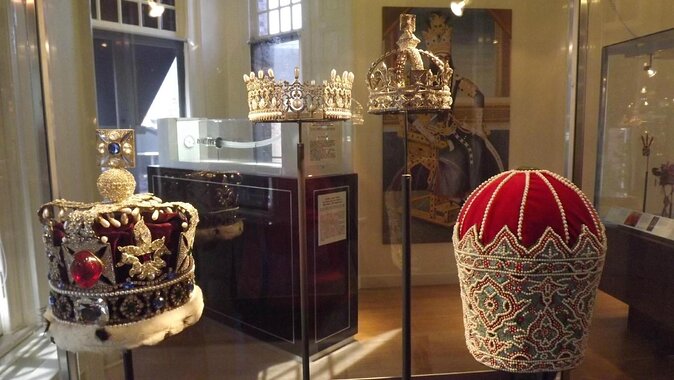
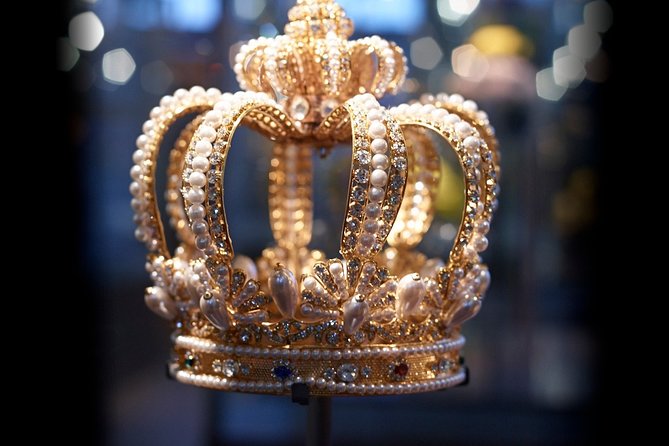
If you like royal jewelry and high-status imagery, you’re going to have a good time here. The museum’s collection includes royal jewels and crowns, and more than one review points out that the crown section is a real standout.
You’ll also see strong emphasis on Amsterdam’s place in diamond cutting history. The museum links notable stones to Coster Diamonds, including major historical names such as the Cullinan (described as the largest diamond ever found) and the Koh-I-Noor (called the mountain of light). That Amsterdam connection gives the museum more meaning than a generic diamond timeline.
Then there are the “wow” details that break the script:
- You’ll see the smallest diamond ever cut.
- You’ll also see a diamond-encrusted version of Van Gogh’s Starry Night (listed as Starry Starry Night in the experience description).
These aren’t just decorations. They’re a way of showing how diamonds perform as light-handling objects, not only as luxury commodities.
What the craftsmanship section delivers (and where it may fall short)
This museum doesn’t just rely on static displays. One of the most praised parts is the chance to watch stone polishing and goldsmithing. That craft-viewing matters because it changes the tone from “diamond history lecture” to “how the work actually happens.”
That said, here’s the main caution: some visitors expected a more live, personal demonstration—like seeing cutting or setting done in front of them. Instead, they found more film or written explanations of the tools, not constant live action. So go in expecting craft observation, not a full hands-on workshop.
If you’re a maker type—someone who likes tools, process, and technique—this will still likely satisfy you. Just calibrate expectations: the museum can show craft work, but it’s still a museum experience first.
You can also read our reviews of more museum experiences in Amsterdam






The small-room reality: replicas, setup, and comfort issues
This place is described as small, and a few reviews raise concerns about how cramped it can feel. If you’re sensitive to tight indoor spaces or you move slowly, plan extra time and be ready for crowded moments inside.
There are also mentions that some items appear to be replicas—including “glass imitations” of real pieces. That isn’t necessarily a deal-breaker, but it’s important to know what you’re looking at. If your goal is to see only the most original, physical artifacts, you might want to mentally frame part of the visit as interpretive presentation rather than a gallery of only priceless originals.
On top of that, some reviews mention audio-visual issues, including broken or outdated listening devices and content that feels incorrectly titled in places. This doesn’t ruin the entire museum for everyone, but it can reduce the polish of the experience if you rely on the tech.
The fun layer: diamond-themed game and a “mission” feeling
The museum includes a diamond-themed game. Several reviews praise this as a highlight, and one person describes the experience as “like Tom Cruise on Mission Impossible,” which tells you the game leans into challenge and movement rather than passive trivia.
That’s a smart choice for a topic like diamonds. If the galleries were only facts and history, you’d probably get the “wait, is this jewelry or science?” feeling. The game helps keep attention and gives you a reason to explore the museum space more actively.
If you’re visiting with kids or anyone who learns better by doing, this game pushes the experience from informative to actually fun.
Price value check: is $72 worth it?
Let’s talk honestly about the math.
A $72 admission for a 1–2 hour museum is not cheap. The value comes from three things working together:
- Depth of content: the museum covers origins, valuation concepts, diamond types, and specific famous examples.
- Craft context: you get the polishing/goldsmithing observation, which adds real-world relevance.
- Extra energy: the game and the crown displays add more “memory hooks” than a simple walk-through.
If you’re the kind of person who loves royal jewelry, the artistry of cutting, or the story behind how luxury objects get made, this price starts to make sense. The museum is built around that kind of curiosity.
If you’re mainly curious about seeing shiny things with minimal explanation, you may leave feeling it’s pricey for what looks, at a glance, like a smaller space. In that case, I’d treat the visit as a “best when combined” stop—fit it with nearby museums rather than making it your only paid activity of the day.
Logistics you should plan for: QR codes and entry timing
Most museums are smooth, but this one has a couple of recurring pain points in the feedback. Some people report trouble getting the QR code or scan code before the event, and at least one review says they didn’t receive the scan code by email, leading to a longer entry process.
To keep your day calm, do this:
- Have your booking info ready on your phone.
- If there’s supposed to be a code, double-check your email and messages beforehand.
- Build a small buffer time so a slow entry doesn’t throw off your whole museum schedule.
Also, note the location between two major sights. If you’re already in the Museum Square zone, that helps. You can get oriented fast just by walking the square.
Accessibility and comfort: manage expectations
A couple of reviews explicitly say the building can be small and cramped and challenging for people with physical limitations. If that’s relevant to you, plan extra time, go with a more flexible pace, and be ready for tight corridors.
This isn’t a “wheelchair-free” claim; it’s a comfort call. The museum experience is short, but the physical flow can feel compact.
Who should book this, and who might skip it
This ticket is a strong match if you:
- Like royal jewelry and historical prestige stories
- Want a clear explanation of how diamonds are valued, not only how they look
- Enjoy craft-process viewing, especially polishing and goldsmithing
- Want a family-friendly stop with a game that adds energy
You might reconsider if you:
- Expect a frequent, hands-on demonstration of diamond cutting or setting
- Are highly sensitive to audio device problems or outdated tech (a few reviews mention issues)
- Really want spacious gallery comfort, since some report the building feels tight
- Prefer only original artifacts and dislike replicas (a few mentions of glass imitations came up)
Should you book the Diamond Museum Amsterdam admission?
I’d book it if you’re planning a Museumplein day and you want a change of pace from painting and architecture. The museum’s mix of craft viewing, royal crown displays, and a diamond story that goes from formation to valuation makes it feel more like an experience than a quick showroom.
I wouldn’t book it as a standalone “must-do” if your main goal is live cutting/setting performance or if you dislike compact spaces and tech-dependent exhibits. In that case, your money may be better spent on a longer, bigger museum nearby.
If you do go, go with the right mindset: diamonds are a light-and-process story, not just bling.
FAQ
How long does the Diamond Museum Amsterdam visit take?
The admission ticket is listed for about 1 to 2 hours.
Where is the Diamond Museum Amsterdam located?
It’s located in Amsterdam, at Museum Square, between the Rijksmuseum and the Van Gogh Museum.
What are the opening hours?
The museum is open daily from 9am to 5pm, including weekends and holidays.
What’s included with the Diamond Museum Amsterdam admission ticket?
The ticket includes entrance to the museum.
What isn’t included in the ticket price?
The information provided says food and drinks are not included, and hotel pickup and drop-off are not included.
Who runs the experience?
The experience provider listed is Royal Coster Diamonds.
Is free cancellation available?
Yes, you can cancel for a full refund if you cancel at least 24 hours in advance of the experience start time.