REVIEW · MUSEUMS
Amsterdam: NEMO Science Museum Ticket
Book on GetYourGuide →Operated by Tours & Tickets · Bookable on GetYourGuide
Science you can touch in Amsterdam. With a fast-track ticket, you walk straight into NEMO—Amsterdam’s go-to place where science is practical, playful, and made for real curiosity. I particularly love the chain reaction style spectacle and the chance to get hands-on in the lab, even if you’re an adult. The one thing to plan around is that it can get crowded, especially with school groups, so you may need patience at peak times.
If you’re looking for a rainy-day plan that doesn’t feel like a compromise, NEMO is a strong pick. You’ll get workshops, videos, experiments, and demonstrations wrapped around big everyday ideas—bridges, visual illusions, lightning, and even optical effects you can test yourself. A fair consideration: some areas are more self-guided than coached, so a few hands-on stations may feel a bit confusing until you experiment your way through.
In This Review
- Key points before you go
- NEMO in one breath: why this museum feels like a playground
- Getting there: Oosterdok 2, about 10 minutes from Central Station
- Your NEMO day plan: a simple order that keeps momentum
- Start strong: chain reactions and big interactive moments
- Move into hands-on science: bridges, illusions, and lightning
- Put on the lab coat: become the scientist
- Add the “dam building” and other construction-style activities
- Watch demonstrations and programming during your visit window
- Chain reaction, lab experiments, and the stuff that makes adults grin
- How long to plan: half a day can work, but leave room
- Crowds and timing: how to avoid the most frustrating moments
- Food and views: rooftop cafe time is worth scheduling
- Value check: is the $25 ticket actually worth it?
- Who this is best for
- Should you book this NEMO Science Museum ticket?
- FAQ
- Is fast-track admission included with the ticket?
- Where is the NEMO Science Museum entrance?
- How far is NEMO from Amsterdam Central Station?
- How long should I plan for?
- Is the museum wheelchair accessible?
- Does the ticket include pickup or drop-off?
- Is the ticket refundable if plans change?
- What language are the experiences in?
- Is this a good activity for kids?
Key points before you go
- Fast-track admission saves you waiting at the entrance
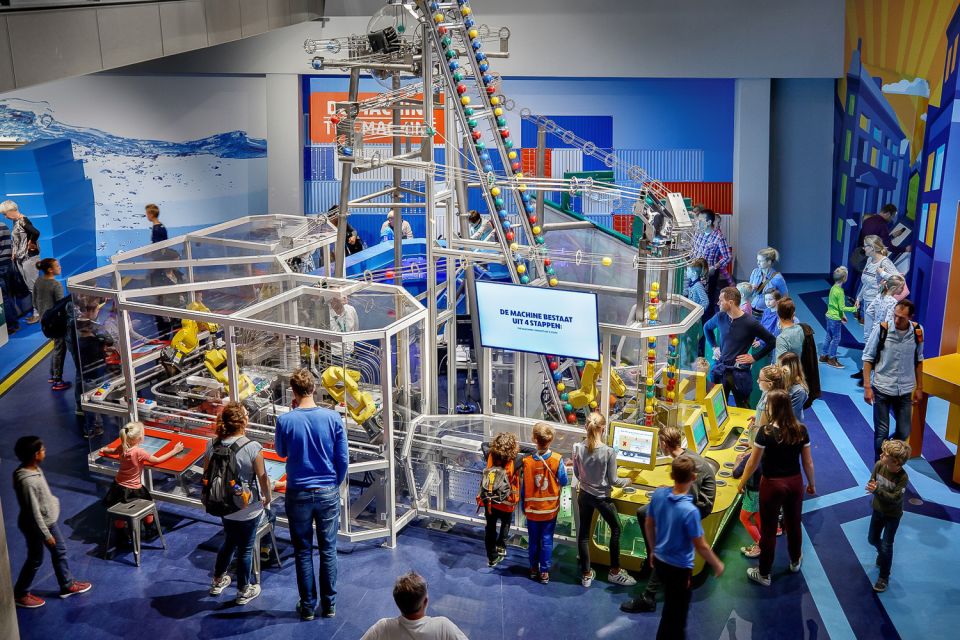
- Chain reaction and Rube Goldberg-style moments keep the energy high
- Lab coat and hands-on experiments make it more than a museum with glass cases
- Multi-floor exhibits let you pace the day the way you want
- Plan for crowds on busy days and school-visit schedules
NEMO in one breath: why this museum feels like a playground
NEMO is the largest science museum in the Netherlands, and it’s built around one idea: science should be something you do, not something you just read about. The museum focuses on everyday science and technology, so you don’t need a background in anything to get value from the day. You’ll be testing concepts with your hands, watching mechanisms in action, and seeing how things behave in the real world.
What makes NEMO work for families is also what makes it fun for adults. The exhibits aren’t just “kid versions” of science—they’re high on interaction, and they ask you to notice how cause and effect really plays out. It’s also unusually approachable in tone; the museum leans into curiosity, questions, and hands-on problem solving instead of lecturing.
Price-wise, the ticket is positioned as a full-day attraction. At around $25 per person for fast-track entry, it can feel like a bargain compared with paying for a single paid activity that’s over in an hour. You’re paying for a whole museum experience across multiple areas, plus ongoing demos and workshop-style programming.
You can also read our reviews of more tours and experiences in Amsterdam



Getting there: Oosterdok 2, about 10 minutes from Central Station
The museum sits at Oosterdok 2. Your mobile voucher is presented at the entrance, and that’s all you need to start—no pickup, no drop-off, just a smooth entry with the fast-track ticket.
If you’re staying near Amsterdam Central, the location is easy: it’s about a 10-minute walk. That matters because it’s one of those days where you’ll likely change your plans on the fly. If your group is moving fast, you can fit in more exhibits. If everyone needs breaks, you can step out and grab a bite nearby or return to the museum without losing the entire day.
Your NEMO day plan: a simple order that keeps momentum
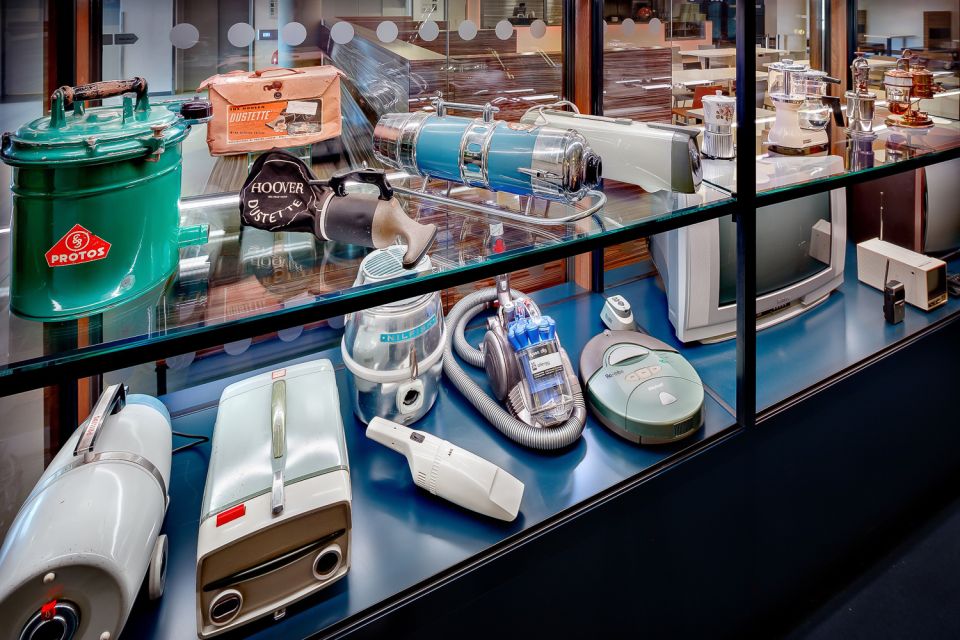
NEMO doesn’t run like a guided tour. It’s a self-directed museum, so the biggest challenge is choosing what to hit first. My advice is to start with the high-energy, visual, hands-on highlights, then move into the experiments and quieter exhibits after you’ve burned off the initial excitement.
Here’s a practical way to structure your time.
Start strong: chain reactions and big interactive moments
Plan your arrival for earlier in the day if you can. People consistently report that going later can make the visit feel tight, especially if you have kids who want to repeat activities or linger at favorite stations. The reason is simple: NEMO has a lot to do, and it’s spread across multiple levels.
Kick things off with the famous chain reaction style experience. This is the kind of demonstration that makes you look closer even when you think you understand what’s happening. It’s also a great “warm-up” because it gets everyone talking and asking questions right away.
If you want another memorable mechanical moment, keep an eye out for the big build-and-test energy—some programming includes a giant Rube Goldberg-style setup, where the fun is watching how one action triggers the next.
Move into hands-on science: bridges, illusions, and lightning
After you’ve got your energy up, shift into the exhibits that explain how the world works. NEMO is particularly good at showing science that feels relevant to daily life, not distant theory.
You can expect interactive content around:
- Bridges: how structures behave and why design choices matter
- Visual illusions: why your eyes and brain don’t always agree
- Lightning-related mechanisms: what creates the conditions for electrical effects
These areas are ideal for families because they turn abstract ideas into something you can test with your own senses. For adults, they’re a reminder that “basic” science still has surprises when you watch the mechanisms closely.
You can also read our reviews of more museum experiences in Amsterdam






Put on the lab coat: become the scientist
One of the most fun parts of NEMO is the “you’re doing science now” zone. You can put on a lab coat and step into activities that feel like mini experiments. This is where the museum becomes less about watching and more about trying.
The lab section is also a good checkpoint for pacing. If the group is tired, you’ll still get value here without needing to sprint across the building. If the group is energized, this is where you can easily spend extra time—because experiments tend to reward repeat attempts.
A small heads-up: a few hands-on stations may feel more self-guided than instructor-led. That’s not a deal-breaker, but it means you should expect to figure things out by trying, not by always having someone hovering beside you with instructions.
Add the “dam building” and other construction-style activities
If you spot construction-themed stations, don’t skip them. Reviews mention a dam building activity, and these kinds of challenges work well because they mix creativity with cause-and-effect. You test your idea, observe how it fails or succeeds, then adjust. Kids usually love this because it feels like a game, and adults usually like it because it’s logic you can see.
Watch demonstrations and programming during your visit window
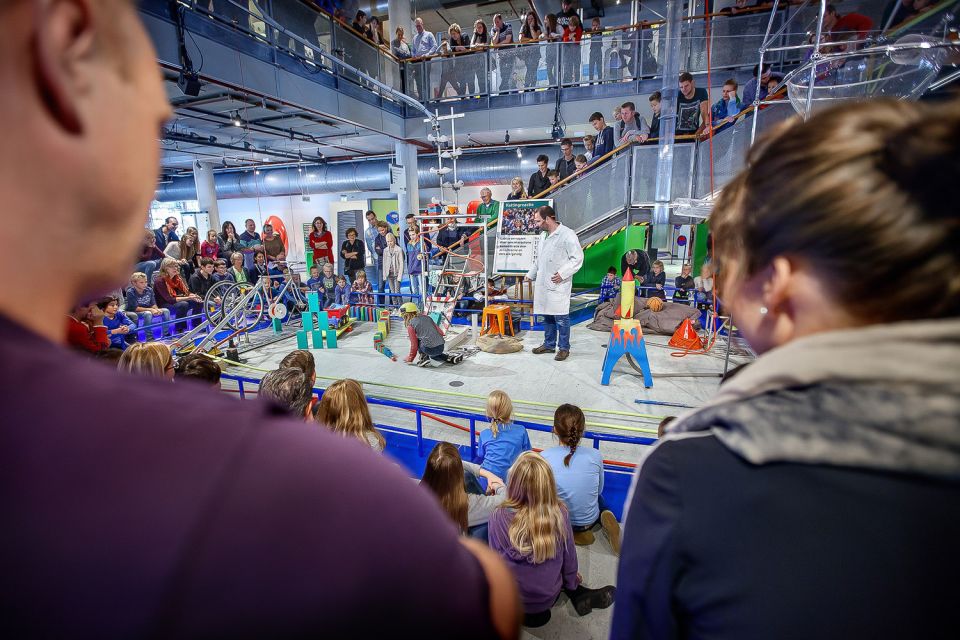
NEMO includes workshops, videos, experiments, and demonstrations. The exact lineup varies by day, but the pattern is consistent: you get scheduled moments that bring exhibits to life.
One highlight people talk about is a show tied to the idea of a big event—there’s mention of excellent audio on BIG BANG, and the programming uses English and Dutch audio cues. Another bonus: if a live science moment is in Dutch, there’s still often a chance to ask questions afterward, and staff may answer in English if you need clarification.
The practical move is to keep a little flexible time in your schedule. If you lock yourself into only one exhibit pathway, you may miss a demo that takes the museum from good to great.
Chain reaction, lab experiments, and the stuff that makes adults grin

For me, the secret sauce of NEMO is how it treats adults like you’re allowed to be a kid at science. There’s plenty for children, yes, but many exhibits are built to reward your attention. You notice patterns, test assumptions, and watch your expectations get corrected in a friendly way.
A few standout types of experiences based on what you can actually do inside:
- Spectacle mechanisms: like chain reactions where tiny actions trigger bigger outcomes
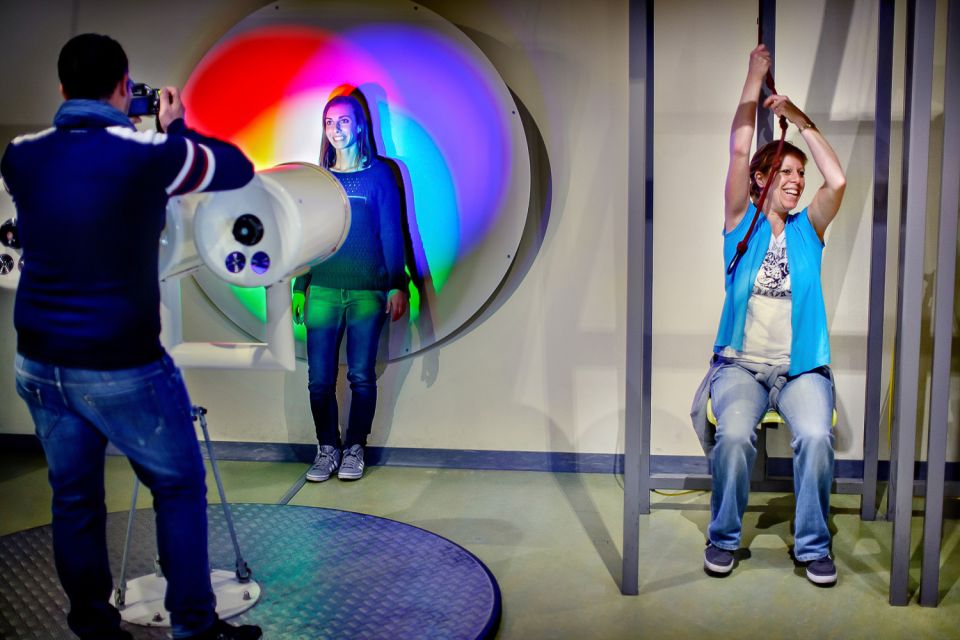
- Optics-style surprises: examples include effects like a crackling sweater or rainbow-like visuals
- Interactive labs: lab coat play plus experiment stations
- Big movement shows: demonstrations that feel like they’re designed for group attention
Even if you’re not traveling with kids, NEMO is a smart choice when you want something active and different from typical “look and walk” sightseeing.
How long to plan: half a day can work, but leave room
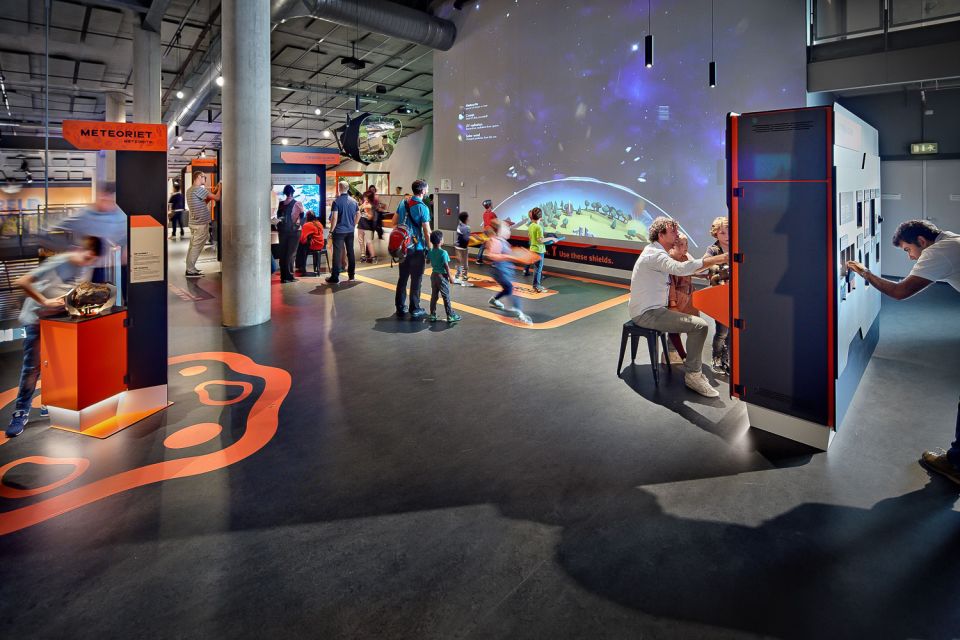
People report everything from around 3 hours to half a day for younger kids, with some families spending 4 hours or more. A sensible rule is this: if your group likes to repeat activities and linger, plan for longer. NEMO rewards slow attention more than a stopwatch.
Also, check the museum’s closing time when you plan. One review notes a 5:30pm close, and that kind of early-ish end can squeeze your last exhibits if you start too late. If your flight or next activity is later in the day, go early anyway and treat the second half as “bonus science.”
Crowds and timing: how to avoid the most frustrating moments

Crowds are real here. The museum is popular with families, and weekends plus school groups can make the place feel busy. One report calls out that it can be crowded, and another suggests that timing matters a lot—after 2pm might not be enough time to cover what you want.
Two things you can do to reduce stress:
- Go early, so popular stations have shorter lines and more breathing room
- Choose a “must-do” list of 3 or 4 highlights, then fill the rest with whatever grabs you
If you’re flexible and keep expectations realistic—this is an interactive museum, so you’ll be moving and waiting sometimes—you’ll have a better experience.
Food and views: rooftop cafe time is worth scheduling

One of NEMO’s practical perks is that you don’t have to leave to eat. There’s a restaurant at the top with good views, plus a cafe. Reviews describe the rooftop views as stunning and the food as good and reasonably priced.
This matters because it gives your group an easy reset. If the kids are spinning from excitement, a meal break can restore energy. If adults are ready for a slower pace, you can sit, look out over Amsterdam’s harbor and city, and then return to experiments with better focus.
Value check: is the $25 ticket actually worth it?

For about $25 per person, you’re buying fast-track admission to a museum that functions like a full-day activity center. The best value comes when you actually use the interactive parts: lab stations, demonstrations, and hands-on exhibits that you can repeat until it clicks.
Here’s what makes it good value:
- You can spend hours without paying for separate activities
- It works for multiple age ranges at once
- You get both active exhibits and scheduled programming
Where the value can slip:
- If you only want one quick exhibit and then leave, you may feel like it’s more museum than you needed
- Crowds can slow down your ability to do everything in the time window
If you’re traveling as a family, or you want a structured indoor plan that still feels playful, it’s a strong deal. If your group hates hands-on spaces and prefers silent, gallery-style museums, you might find it less satisfying.
Who this is best for

This ticket is a great match if you’re:
- Traveling with kids who enjoy touching things and trying experiments
- A science lover who likes seeing how mechanisms work in real time
- Looking for an indoor activity that still feels like an adventure
- Booking a flexible day with time for breaks and snacks
It also works for mixed-age groups. Adults can enjoy the logic and the mechanics, while kids get the movement and novelty.
Should you book this NEMO Science Museum ticket?
Yes, if you want a high-energy, hands-on science day in Amsterdam and you don’t want to waste time waiting in line. The fast-track entry is a real help, and the variety—chain reactions, lab experiments, bridges, illusions, lightning ideas, and multiple floors—makes it hard to get bored.
I’d say book it sooner rather than later if your schedule is tight or you’re visiting during peak times. And if you’re hoping for a calm, quiet museum experience, you may want to adjust expectations. NEMO is built for interaction, so plan to move, share space, and enjoy the fact that everyone gets to experiment.
FAQ
Is fast-track admission included with the ticket?
Yes. The ticket includes fast-track admission, so you can enter using your mobile voucher at the museum entrance.
Where is the NEMO Science Museum entrance?
You’ll present your mobile voucher at Oosterdok 2 at the entrance of NEMO Science Museum.
How far is NEMO from Amsterdam Central Station?
The museum is about a 10-minute walk from Amsterdam’s central station.
How long should I plan for?
The experience is listed as 1 day, and many visitors report spending around 3 to 4+ hours depending on age and how much you do.
Is the museum wheelchair accessible?
Yes. The activity is listed as wheelchair accessible.
Does the ticket include pickup or drop-off?
No. Pickup or drop-off is not included.
Is the ticket refundable if plans change?
No. The activity is listed as non-refundable.
What language are the experiences in?
Your ticket info doesn’t list specific languages, but reports mention that at least some live science show content may be in Dutch, with staff willing to answer questions in English when needed.
Is this a good activity for kids?
Yes. The museum is designed to be enjoyable for all ages, with interactive activities that are especially popular with children.