REVIEW · MUSEUMS
Amsterdam: Red Light Secrets Museum Entry Ticket
Book on GetYourGuide →Operated by Tours & Tickets · Bookable on GetYourGuide
Glass windows hide real stories. This museum uses the setting of a former brothel in Amsterdam’s Red Light District, plus an audio guide and period rooms, to explain the reality behind the glass.
I really like two things: you get to sit in a Red Light District window setup (with the same idea of looking “from the other side”), and the museum leans on sex workers’ own perspectives, not just general facts.
One drawback to plan for: it’s a fairly small experience and can feel intense in places, and the line can get messy at busy times—so arrive early if you hate crowds.
In This Review
- Key things to know before you go
- Entering the Red Light Secrets Museum on Oudezijds Achterburgwal
- A former brothel setting in a 17th-century house
- The window-seat moment: what it’s like on the other side
- The audio guide: moving at your own pace with real viewpoints
- Amsterdam’s sex work story, including legalization in 2000
- Reading the rooms: where the work happened and what the details mean
- The Confession Wall: funny, eye-opening, and sometimes not gentle
- Practical visit tips: timing, queues, and how long it really takes
- Price and value: is $17 worth it?
- Who should go, and who should skip
- Should you book the Red Light Secrets Museum ticket?
Key things to know before you go
- Window-seat experience: you can take a moment in a sex worker’s window setup to understand how it feels on the inside.
- Audio guide is the main event: you move at your own pace while listening in your selected language.
- Sex work history, not scandal: the story covers how Amsterdam came to be liberal-minded, including legalization in 2000.
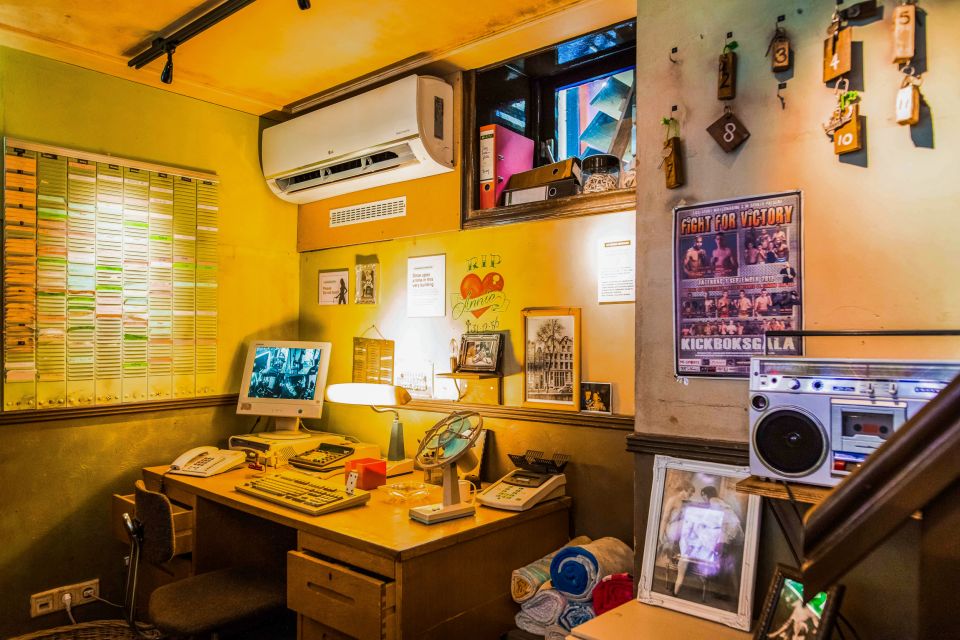
- Rooms staged like the real place: you’ll see where work happened, in a 17th-century house/brothel setting.
- Confession Wall is a finale: written confessions can be funny, surprising, and not for faint hearts.
- It’s not wheelchair-friendly: access is limited, and the venue isn’t suitable for wheelchair users.
Entering the Red Light Secrets Museum on Oudezijds Achterburgwal
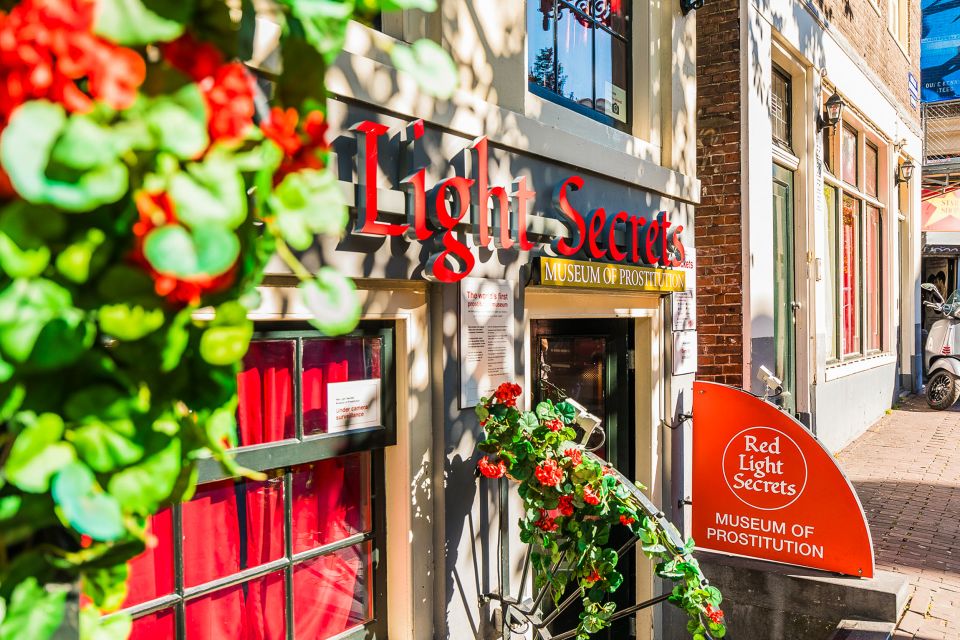
Amsterdam is famous for the Red Light District, but it’s also easy to skim past the hard parts. This museum tries to give you a grounded view of sex work in the Netherlands—through the building itself and through voices tied to the profession.
The museum experience is built around a simple idea: you’ll walk through a former brothel space and learn what daily life, rules, and attitudes look like when you’re hearing it from the people who lived it. You get context first, then you’re guided room-by-room by the included audio guide.
You can also read our reviews of more tours and experiences in Amsterdam



A former brothel setting in a 17th-century house
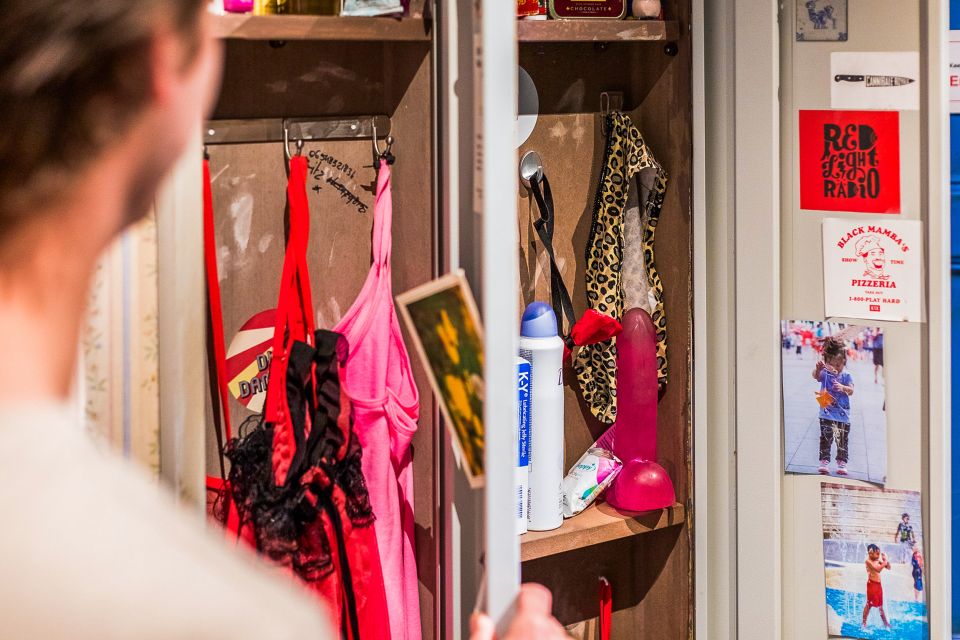
The location matters more than you might expect. Red Light Secrets is set in a 17th-century house that previously operated as a brothel, so the walls and layout are part of the message. You’re not just reading history—you’re walking through a space designed to feel like the reality it describes.
Expect small rooms and staged areas that make the whole topic feel close and specific. That can be respectful and educational, but it also means the museum doesn’t hide behind generalities. If you’re coming for a purely light, casual chat about Amsterdam nightlife, you might find the tone sharper than you planned.
The window-seat moment: what it’s like on the other side
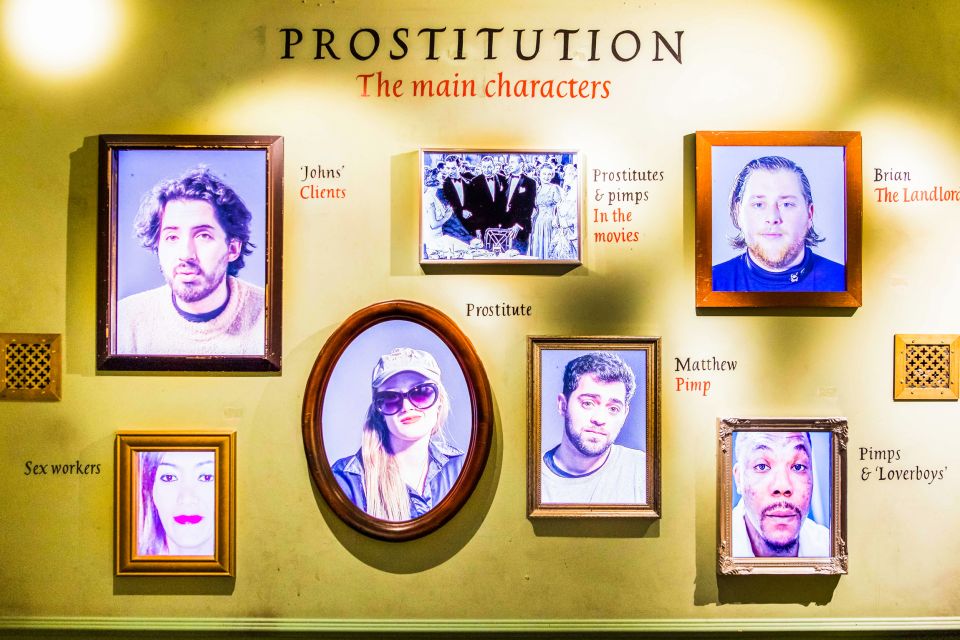
One of the most talked-about parts of the museum is the chance to sit in a Red Light District window setup. The goal isn’t shock value. It’s perspective.
Standing outside the glass is easy—everyone can do that in the street. Sitting inside the window arrangement flips your point of view. You can feel how the space works, how the lighting and layout change what you notice, and how the whole system is designed for viewing and interaction.
It’s also a useful pause in the middle of the story. After you’ve heard some background, the window moment helps you connect the legal and social history to physical reality—rooms, placement, and how the trade is shaped by street design.
The audio guide: moving at your own pace with real viewpoints
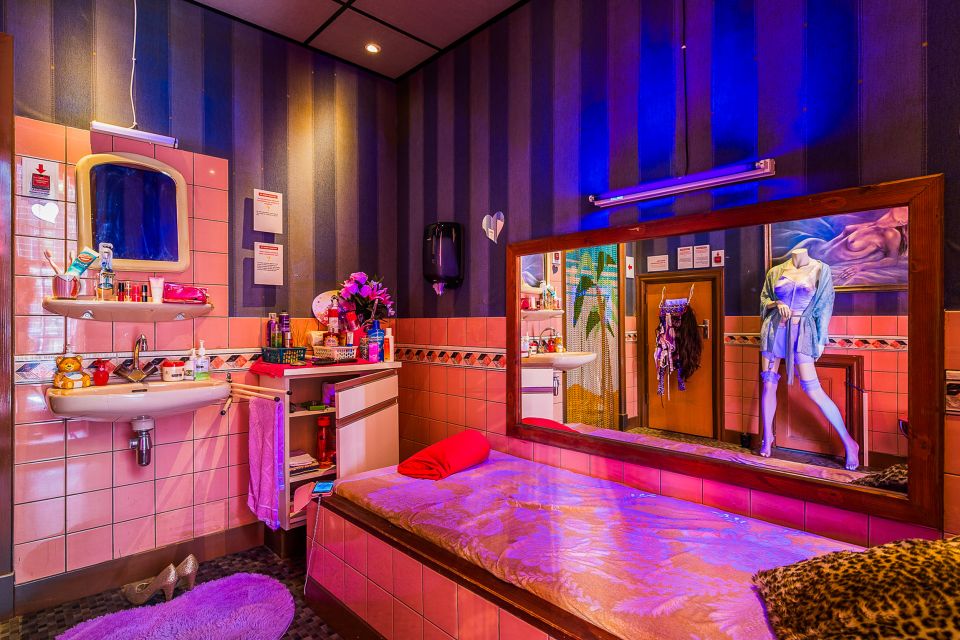
The audio guide is included with your ticket, and it’s the engine of the visit. You listen as you explore, so you’re not stuck in a rigid group schedule. That matters here, because this isn’t the kind of topic where you want to rush.
The audio is available in Dutch, English, French, German, Italian, and Spanish, which makes it a practical pick if your group isn’t all English speakers. You’ll likely spend most of your time following the audio through the rooms and then returning to read any written details you want to linger over.
Many people appreciate that the narration frames the business side of prostituting and explains the thinking behind choices, not just the street visuals. One especially common detail in the experience: the audio guide follows a former sex worker perspective—Inga is named as the voice used in the audio experience. Knowing that upfront helps you tune in: you’re listening for how the profession is understood from within, including hopes, coping, and how people manage stigma.
Amsterdam’s sex work story, including legalization in 2000
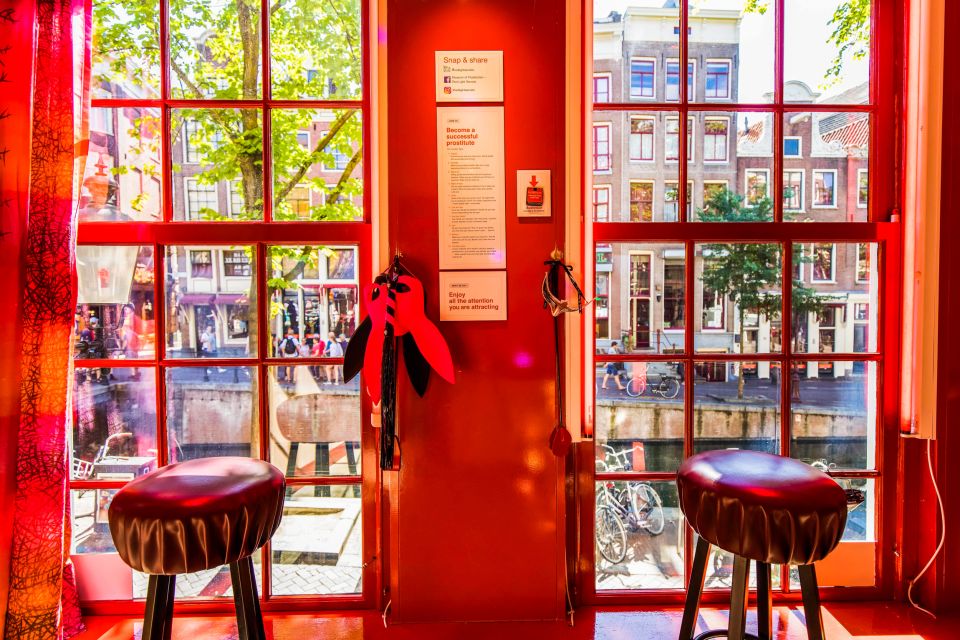
This museum doesn’t treat the Red Light District as a mystery box. It gives you a timeline and a framework for how Amsterdam got to where it is today, including legalization in 2000.
That’s one of the most useful parts for visitors who only know the district by reputation. Instead of stopping at how things look, you learn how Amsterdam’s approach links to safety, regulation, and the attempt to reduce harm. The museum also covers the broader history of sex work in Amsterdam and why the city became known for being liberal-minded.
Importantly, the museum’s tone is meant to reduce taboos. The sex workers’ perspective is presented in a light-hearted and frank way at times, and more serious when needed. You’re meant to walk out with understanding, not judgment—and you should expect to feel both curiosity and discomfort at different moments.
You can also read our reviews of more museum experiences in Amsterdam






Reading the rooms: where the work happened and what the details mean
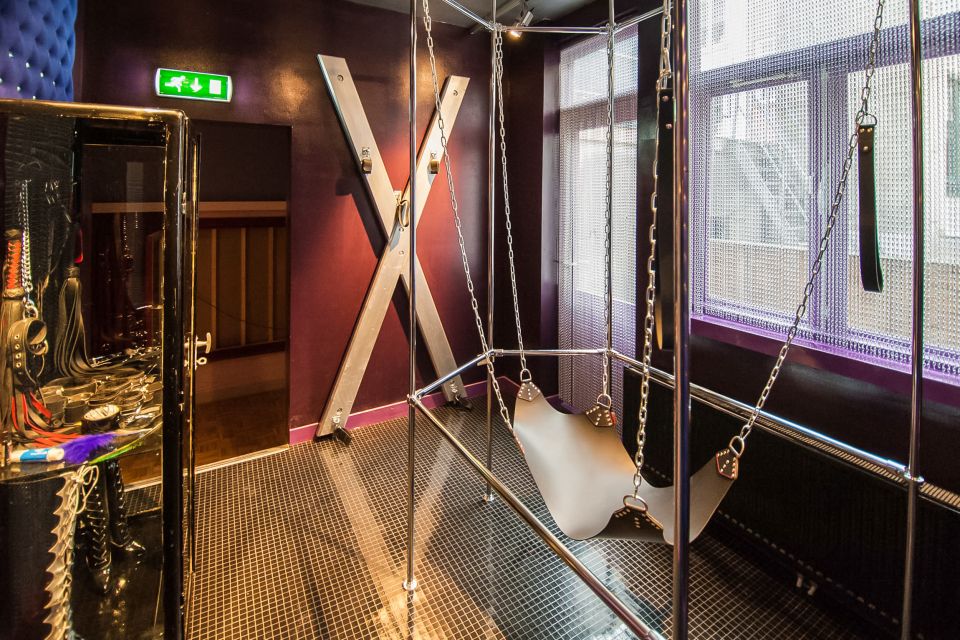
The museum guide path is designed to recreate a typical day in the life of a sex worker, using rooms to show what visitors would usually only imagine from outside. You’ll see the spaces where the work happened, and you’ll get context about how the setting supports the whole system.
This is also where the museum can feel intense. Some scenes may be graphic, and you might want to move slowly or skip a moment if you don’t want that kind of detail. The good news is that it’s self-paced enough that you can keep moving at your comfort level.
Also keep an eye out for any written prompts and information boards. The museum experience isn’t just audio; it includes real text elements placed around the rooms, which help you connect what you’re hearing to specific points and themes.
The Confession Wall: funny, eye-opening, and sometimes not gentle
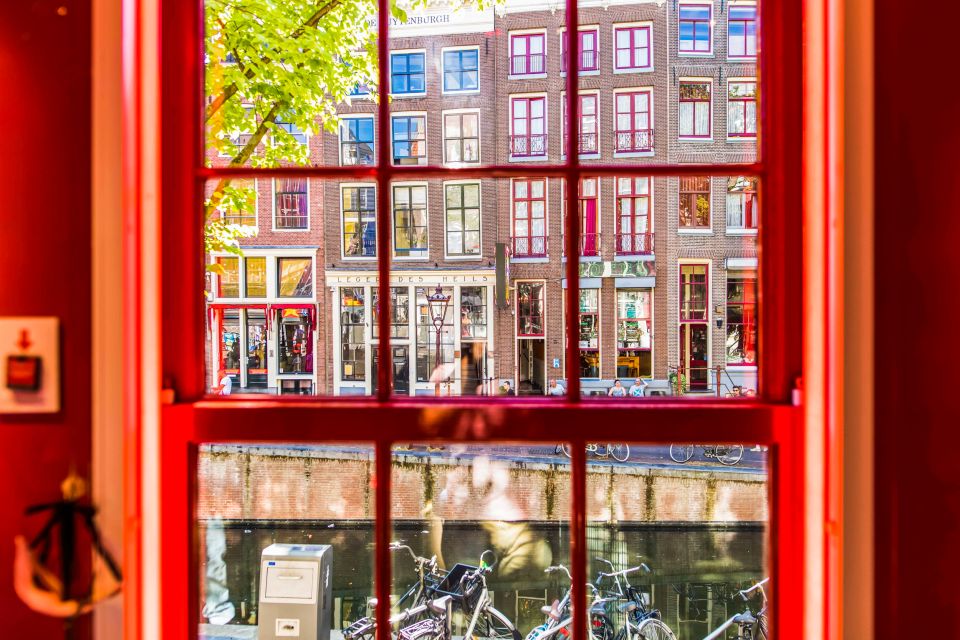
If the museum starts with learning, the Confession Wall finishes with honesty. Visitors are invited to leave written confessions, and the museum collects them—some are funny, some are eye-opening, and some are a bit heavy.
That ending can feel like the museum handing you a mirror. You get to see how people react emotionally to what they just learned. It’s not just entertainment; it’s a social window into attitudes toward sex work.
If you’re the type who gets stressed by personal stories, this might be the part that hits hardest. One common note from visitors: the confession wall is not for the faint hearted. Go in knowing that you may read things that are funny in one breath and uncomfortable in the next.
Practical visit tips: timing, queues, and how long it really takes
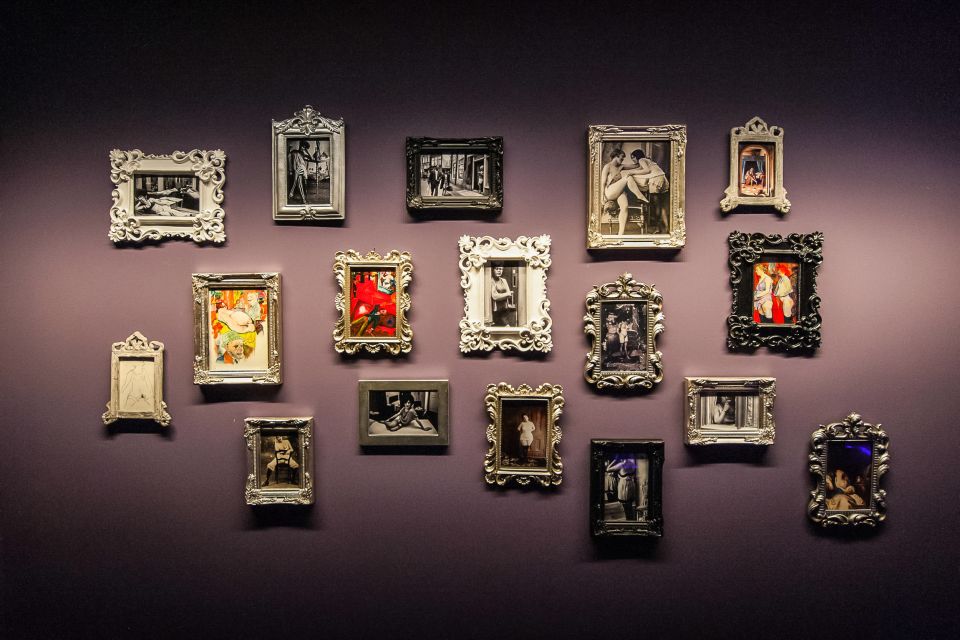
Your ticket is tied to a chosen time-slot, so plan to show up right when you’re scheduled. Because it’s time-specific, you’ll want to treat this like a museum entry, not a casual drop-in.
The experience is relatively short. Based on what people report, you may finish in about 15 to 30 minutes, though you can choose to linger if there are rooms or the confession wall you want to read carefully. In other words, this isn’t an all-day sit-in; it’s a focused stop.
One practical consideration: at busy times, lines can form in a way that feels disorganized, and the space can get loud. If you care about hearing every audio segment cleanly, arriving earlier in the day can help.
Also note: this is only suitable for ages 16 and over. If you’re traveling as a family, double-check that age requirement before you commit.
Price and value: is $17 worth it?
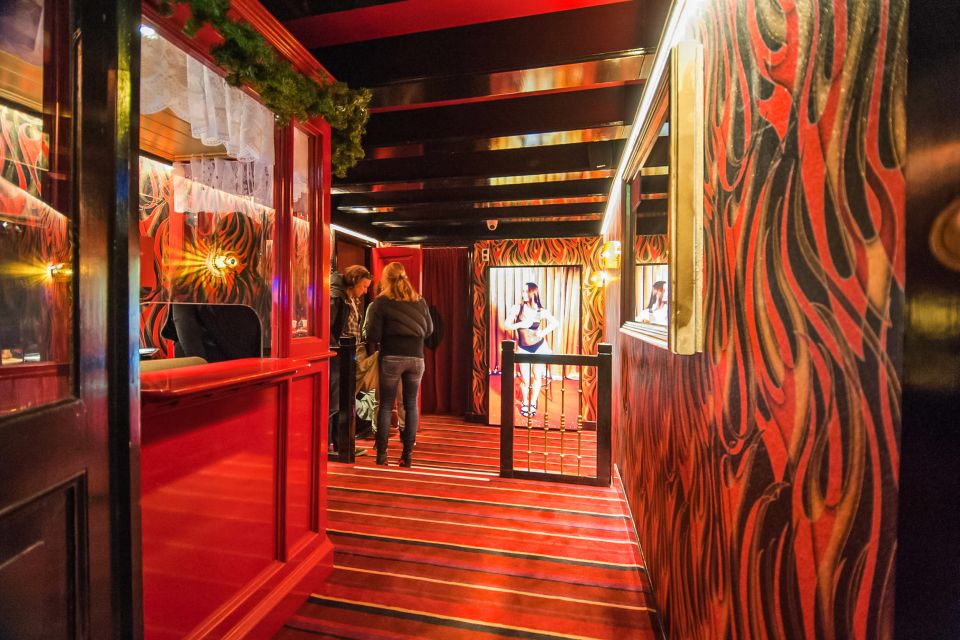
At about $17 per person, this is priced like a compact museum stop with a strong audio component. The value comes from three things working together: the built-in storytelling, the chance to experience the window setup, and the inclusion of the audio guide with multiple languages.
If you’re looking for a deep research project, you might wish it were longer. But if you want an efficient way to understand a major Amsterdam subject—beyond street-level curiosity—this tends to deliver what most people came for.
It’s also good value because you aren’t paying extra for the audio. Many similar attractions in Amsterdam charge for guides or add-ons; here, the audio guide is included.
Who should go, and who should skip
This museum is a good fit if you:
- Want a more human, less sensational explanation of Amsterdam’s Red Light District
- Like museums where you can control your pace
- Appreciate frank storytelling aimed at reducing stigma
- Prefer audio-led interpretation over long guided lectures
It may not be the right pick if you’re:
- Sensitive to graphic content (some scenes can be)
- Hoping for a wheelchair-accessible venue (it isn’t suitable for wheelchair users)
- Visiting with younger teens (it’s 16+ only)
If you’re unsure, treat it like a “perspective upgrade.” It’s not about titillation; it’s about context, regulation, and lived viewpoints.
Should you book the Red Light Secrets Museum ticket?
Yes, you should book this $17 ticket if you want the Red Light District explained in a structured, respectful way, with an included audio guide and a building that matches the story. The window-seat moment and the legalization timeline (including 2000) make it more than a basic walk-through.
Skip it if you need a fully wheelchair-accessible plan, if graphic scenes would upset you, or if you prefer long guided experiences. For most people, though, it’s a short visit that changes how you understand what you see on the streets afterward.