REVIEW · DINING EXPERIENCES
3-course Dinner in the Dark Amsterdam
Book on Viator →Operated by Ctaste Amsterdam · Bookable on Viator
Can you taste in complete darkness? This 3-course dinner in the dark turns Amsterdam dinner into a sensory experiment: you pick your menu outside in light, then get served by blind or visually impaired wait staff once the room goes pitch-black. I especially like how the staff guide you through the meal, and how your hearing and touch start doing real work alongside taste. One possible drawback: you won’t get much help identifying what’s on your plate, so if you want to visually confirm every ingredient, the dark can feel frustrating.
I also like the small-group feel. With a maximum of 5 travelers and a duration around 2 hours, you’re less likely to feel rushed or lost in a crowd. You’ll also store phones/cameras away and keep your focus where it belongs: on flavor and texture, not screens. Dress note matters too: don’t wear white clothes, and know that restrooms are in the light.
In This Review
- Key things to know before you book
- What Dining in the Dark Means in Amsterdam
- Getting Oriented at Amsteldijk 55: coat check, phones, and white-clothes rule
- The 2-hour flow: light lounge to pitch-black courses
- 1) Light lounge: settle in and place your selection
- 2) Guided walk into the dark dining room
- 3) Two amuse bouche before the main courses
- 4) Three gourmet courses inspired by international cuisine
- What you taste when you can’t see: the upside and the risk
- The staff experience: blind waiters who make you comfortable fast
- Food quality notes: high-quality ingredients, but not every bite fits everyone
- Comfort and timing: chilly room, slower pacing, and how to prepare
- Value check: is $59.61 worth a dark dinner for two hours?
- Who should book this dinner in the dark
- Should you book this dinner in the dark?
- FAQ
- What’s included in the 3-course dinner in the dark?
- Are drinks included?
- Do I keep my phone or camera during dinner?
- Is it really dark the whole time?
- What should I wear?
- Is this suitable for kids and service animals?
Key things to know before you book
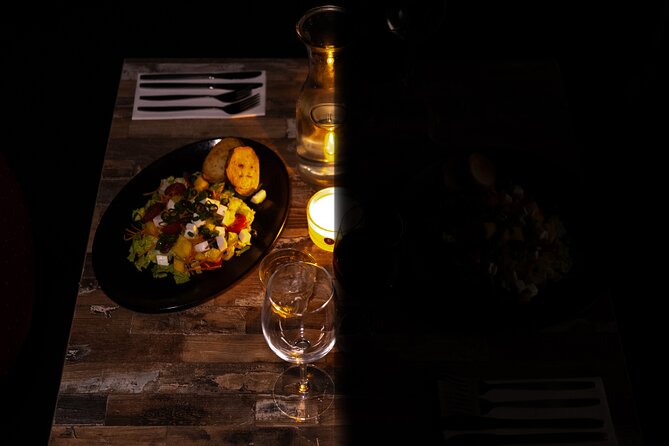
- Pitch-black dining room after you choose from an illuminated menu selection outside
- Blind or visually impaired waiters trained to guide you and reassure you in the dark
- 2 amuse bouche + 3-course dinner served at a private table
- Small group (max 5), which usually makes the experience feel calmer
- Phones and cameras are kept in a personal locker during dinner
- No drinks included, so plan what you’ll sip (and what you’ll pay for it)
What Dining in the Dark Means in Amsterdam
This isn’t just dinner without lighting. It’s dinner where sight is taken away on purpose, so taste and smell can step forward. In Amsterdam, that makes the whole meal feel oddly new. You start paying attention to things you usually ignore: the temperature of the food, the way sauce coats a spoon, and how fast aromas hit your nose.
The big idea is simple. First, you choose your meal from an illuminated selection outside. Then you’re guided into the dark dining room, where you rely on taste buds and the guidance of trained staff. You’re not meant to “solve” the menu like a mystery novel. You’re meant to experience it, even if you can’t identify every component.
You can also read our reviews of more tours and experiences in Amsterdam


Getting Oriented at Amsteldijk 55: coat check, phones, and white-clothes rule
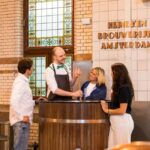
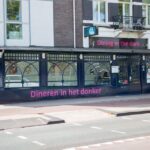
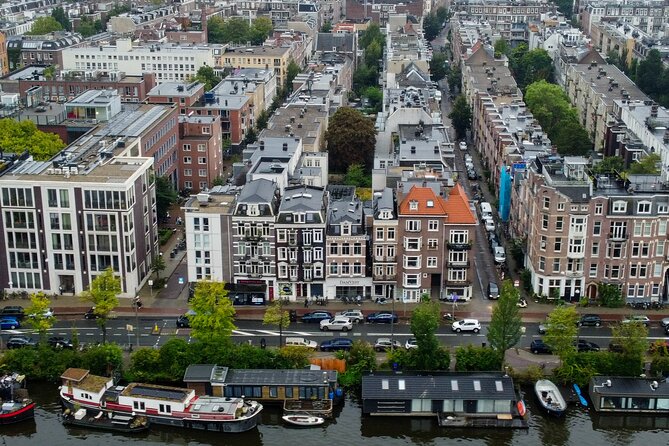
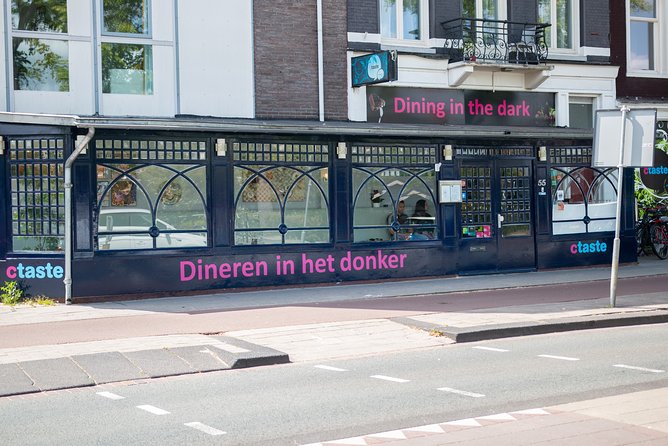
Your start point is Amsteldijk 55, 1074 HX Amsterdam. When you arrive, you’ll begin in a lighted lounge area. This is where you check your coat or bag in the cloakroom, because you won’t need anything else. It’s also where the organizers help set the tone: your job is to show up empty-handed, sensory-ready.
There are a couple practical rules that matter once the lights go out:
- Mobile phones and cameras are kept in a personal locker during your dinner. You’re going to put your attention where it belongs.
- Restrooms are in the light. You can use them, but expect the dark-to-light shift. If you’re sensitive to light changes, plan your timing.
- Don’t wear white. In a dark environment, anything bright can mess with the visual rules of the room. It’s also just safer for the experience.
Also, you won’t have a standard menu in your hands the way you would in a normal restaurant. One practical detail: a candle is listed as not optional, which suggests there’s a controlled, minimal light element for safety and pacing. Even with that, you should expect true darkness during service.
The 2-hour flow: light lounge to pitch-black courses
The experience is about 2 hours total. Here’s how it typically plays out, in the order you’ll feel it:
1) Light lounge: settle in and place your selection
You’ll order after arriving. The menu selection is illuminated outside, which means you can make choices while you can still read labels and textures visually. That’s a smart design. It keeps the experiment fair: you’re choosing in light, then tasting in dark.
2) Guided walk into the dark dining room
Once seated, you plunge into the pitch-black dining room. Your waiters are blind or visually impaired and trained for this. The help they offer isn’t only practical. It’s also emotional. When you can’t see, small cues can reduce anxiety fast, from how to hold utensils to how to pace the first bites.
You can also read our reviews of more tours and experiences in Amsterdam


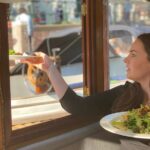


3) Two amuse bouche before the main courses
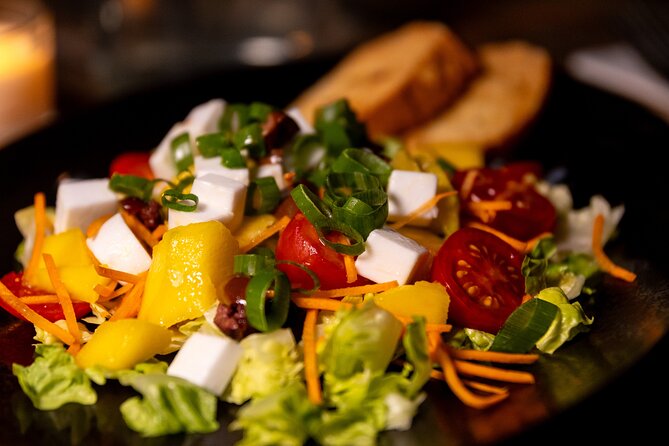
You’re not just dropped into three full dishes. The package includes 2 amuse bouche, which act like a warm-up. They help your mouth and nose adjust before the main courses arrive. Think of them as an early “permission slip” to stop wondering what you’re eating and start noticing how it tastes.
4) Three gourmet courses inspired by international cuisine
Then come the three courses. The theme is cosmopolitan international cuisine, so you’re likely to get flavors that feel familiar but still surprising once you lose the visual cues.
Between courses, you’ll experience a rhythm controlled by the staff. Some people love the calm pacing. Others feel the gaps can run long, especially in a chilly room (more on comfort later). Either way, the dark changes how time feels.
What you taste when you can’t see: the upside and the risk
The upside is that you stop relying on “looks good” and start using your senses like they matter again. In darkness, aroma becomes a louder signal. Texture turns into a clue. Even the sound of eating can feel more noticeable.
Many people end up doing a kind of mental relabeling:
- Crunch becomes clearer because you can’t see what’s crunchy.
- Creaminess and thickness feel more distinct because you’re guessing less.
- Salt, sweetness, and acidity stand out because they’re all you have.
That said, there’s one risk: food identification is limited. One negative comment described the food as unidentifiable to taste and frustrating to eat. Even with good service, if you need certainty—like knowing exactly what you’re eating or what a sauce contains—this format may feel like it’s withholding information rather than offering an experience.
Also, drinks aren’t included. If you like pairing and don’t plan ahead, the meal can feel less complete. You’ll still have plenty to enjoy, but you may pay extra for anything you want to sip.
The staff experience: blind waiters who make you comfortable fast
This is where the dinner earns a lot of its credit. Trained blind waiters don’t just bring plates. They help you orient yourself and stay relaxed. Many diners mention that the waiters were genuinely friendly and made the room feel manageable.
One standout detail that comes up is a waiter named Noele. People described Noele as a delight and said service felt comfortable and reassuring. Another fun, personal touch from the same vibe: one waiter introduced themselves by humming when entering the room. That sort of cue matters in a dark setting because it anchors you to a human presence, not just a moving shadow.
You should expect conversation, too—because being unable to see makes talk feel more intentional. If you want a quiet dinner, you can still do that. If you want to interact, the staff guidance makes it easier to ask questions without feeling awkward.
Food quality notes: high-quality ingredients, but not every bite fits everyone
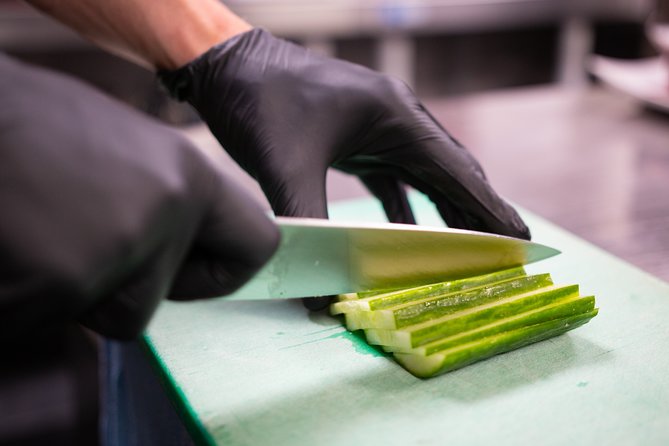
Most of the positive feedback points toward strong food quality. People were pleasantly surprised that the meal wasn’t “just an experience” with average ingredients. They often describe the food as excellent or even better than expected, and the service as impeccable compared with places that use regular lighting.
Still, the dark-room format changes expectations. Some dishes may be playful with textures. Some surprises can be “cheeky,” and not everyone will interpret them the same way. That’s not a flaw in the concept; it’s part of tasting without visual confirmation.
If you’re picky, you might want to think twice about the “challenge” aspect. The menu doesn’t include organs, bones, fat, insects, or extreme ingredients, so you shouldn’t get shock-food in that category. But you still won’t have the same visibility that lets you quickly reject a sauce you dislike.
Comfort and timing: chilly room, slower pacing, and how to prepare
A few people noted two comfort issues:
1) The dining room can be chilly.
2) The time between courses can feel long.
Those aren’t dealbreakers, but they are real. My advice: wear layers. Bring something thin you can keep on without overheating. In a pitch-black dining room, you can’t easily adjust clothing without making noise or losing your place.
Also, accept that this dinner isn’t a sprint. It’s closer to a seated sensory performance. If you’re the type who wants food delivered instantly and cleared fast, you might find the pacing less satisfying.
Value check: is $59.61 worth a dark dinner for two hours?

At $59.61 per person, you’re paying for more than food. You’re paying for:
- the pitch-black environment,
- the training and labor of blind/visually impaired wait staff,
- the structure (2 amuse bouche + 3-course dinner),
- a private table setup,
- and the sensory “game” of eating without sight.
Is it expensive? Compared to a regular dinner, yes. Compared to a typical guided experience with staff time and specialized training, it looks more reasonable. And because your group is capped at 5 travelers, you’re getting a lower-traffic setting than most busy Amsterdam attractions.
My practical take: this is good value if you’re curious and willing to play along. If your goal is purely to eat a predictable meal quickly, you’ll likely feel like you paid extra for theatre.
Who should book this dinner in the dark
You’ll probably love it if you:
- want something different than the usual canal cruise or museum circuit,
- enjoy food experiences that focus on sensory detail,
- like chatting and being guided gently by staff,
- and can treat the dark as the point, not a limitation.
It may not be ideal if you:
- need to see your dish to feel comfortable,
- get anxious when you lose control of your environment,
- or are very sensitive to cold during a seated meal.
Good news: the experience is described as suitable for most travelers, and children from 6 years and up should like and understand it. Service animals are allowed, which helps make it more workable for more people.
Should you book this dinner in the dark?
If you want one evening in Amsterdam that genuinely uses the senses instead of just entertaining your eyes, I think this is a strong pick. The combination of guided service, small group size, and a full 3-course meal makes it feel like an actual dinner, not a gimmick.
Just go in with the right mindset. You’re not going to walk out knowing exactly what every ingredient was called. You’ll walk out knowing how flavors and textures can hit you when sight is gone. If that idea sounds fun rather than annoying, book it—especially since it’s commonly reserved about 43 days in advance.
FAQ
What’s included in the 3-course dinner in the dark?
The experience includes a 3-course dinner in the dark, 2 amuse bouche, and service at a private table. Drinks and water are not included.
Are drinks included?
No. Drinks and water are not included, so you’ll need to budget for anything you want to drink during the meal.
Do I keep my phone or camera during dinner?
No. Mobile phones and cameras are kept in a personal locker during the duration of your dinner.
Is it really dark the whole time?
Dinner is served in a pitch-black dining room after you’re guided in from the lighted lounge. Restrooms are in the light.
What should I wear?
Avoid white clothes. You’ll have your coat or bag checked, and you should wear something comfortable for a seated meal in a room that can feel chilly.
Is this suitable for kids and service animals?
Children from 6 years and up are said to like and understand the experience. Service animals are allowed.