REVIEW · WALKING TOURS
Amsterdam: Sex, Drugs, and Freedom Walking Tour
Book on GetYourGuide →Operated by Trigger Tours · Bookable on GetYourGuide
Amsterdam talks about sex and drugs out loud.
This 2-hour Amsterdam: Sex, Drugs, and Freedom Walking Tour is the rare intro that explains the ideas behind what you see in the streets, from permissive drug laws to the Red-light District’s role in Dutch society. I like that it keeps things readable and grounded, not sensational.
I really like walking with a local guide and getting the city’s angles, not just facts. I also like the way the tour ties together coffeeshops, the history of Dutch equality, and the legalization of prostitution into one coherent story—so the places (like Dam Square and the Royal Palace) make more sense in context.
One possible drawback: this is an adult topic tour, and you may find the sex-industry sights and discussion uncomfortable if you prefer a more traditional sightseeing route.
In This Review
- Key things you’ll notice on this tour
- A tour name that sets expectations
- The 2-hour walking format: why it works
- Starting with big landmarks, then shrinking into the backstreets
- Old Church: history as a compass
- Dam Square: where the city’s identity shows
- Royal Palace: freedom with boundaries
- Coffeeshops and Dutch drug rules: what you’re really learning
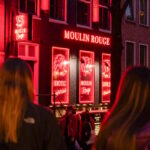
- Red-light District: legalization, operation, and the people behind it
- What “legalization” means on the street
- A note on tone
- Condomerie: the strange stop that makes the whole theme click
- The role of the guide: why it matters here
- “Only locals know” stops: how to use them for better understanding
- Price and value: is $31 worth it?
- Who should book this tour
- Should you book the Amsterdam Sex, Drugs, and Freedom Walking Tour?
- FAQ
- How long is the Amsterdam Sex, Drugs, and Freedom walking tour?
- How much does the tour cost?
- What’s included in the ticket price?
- Is food or drinks included?
- What sights will I see during the tour?
- What languages are the guides available in?
- Where do I meet the guide?
- Is the tour suitable for people with mobility impairments?
- What should I bring?
- Can I cancel and get a refund?
Key things you’ll notice on this tour
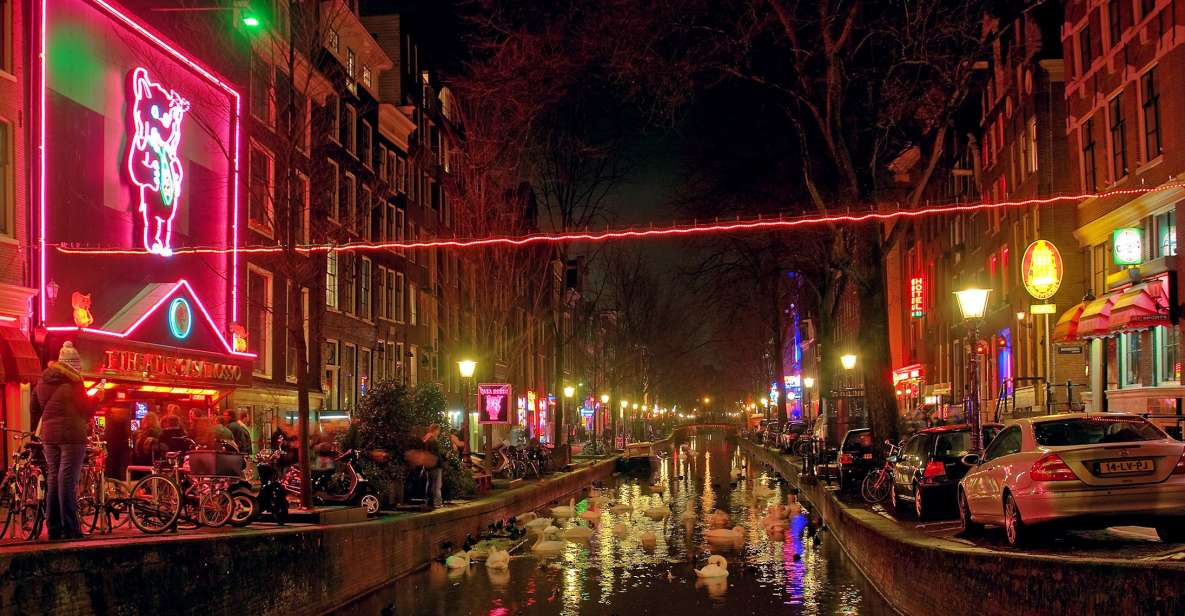
- Local perspective on alternative Amsterdam, with stories that connect neighborhoods to policy and culture
- Straight talk about Dutch drug rules, including where the coffeeshop model came from and what soft drugs are discussed
- How the Red-light District works over time, including the legal framework behind prostitution in the Netherlands
- Landmarks plus alleyways, with major sights like Dam Square and the Royal Palace paired with places only locals tend to point out
- Guides who answer questions calmly, even when the group gets a bit off pace
A tour name that sets expectations
Amsterdam: Sex, Drugs, and Freedom doesn’t pretend it’s a typical “take photos, see canals” walk. It’s built to help you understand why the Netherlands has a reputation for being relaxed about sex, soft drugs, and equality—and how that reputation links directly to laws, public debate, and street-level reality.
In plain terms: you’re not just passing by the Red-light District. You’re learning the logic behind it. The tour also frames Amsterdam as an inclusive city, pointing to the Dutch push for social awareness and gay rights, and tying sexual liberty to how the country thinks about personal freedom.
If that sounds like your kind of history, you’ll get a lot out of the format: short walking segments, frequent explanations, and time for Q&A.
You can also read our reviews of more walking tours in Amsterdam
The 2-hour walking format: why it works
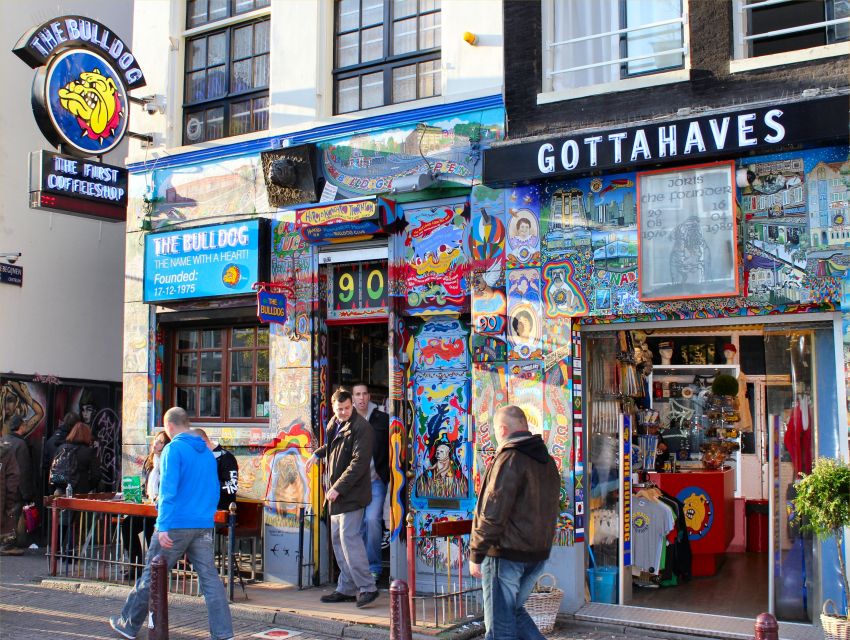
Two hours is an ideal length for this theme. Long enough to connect a few major landmarks to the surrounding streets, short enough that you don’t feel trapped on one topic for an entire day.
Here’s what you can plan around:
- You’ll be on foot through winding streets and alleyways.
- You’ll want comfortable shoes because the route is likely uneven and occasionally tight.
- You should bring water and dress comfortably for typical city walking.
This tour also lists as not suitable for people with mobility impairments. That matters because the “freedom” here is physical too—small streets and historical-area sidewalks don’t make for easy wheelchair or limited-mobility navigation.
Starting with big landmarks, then shrinking into the backstreets
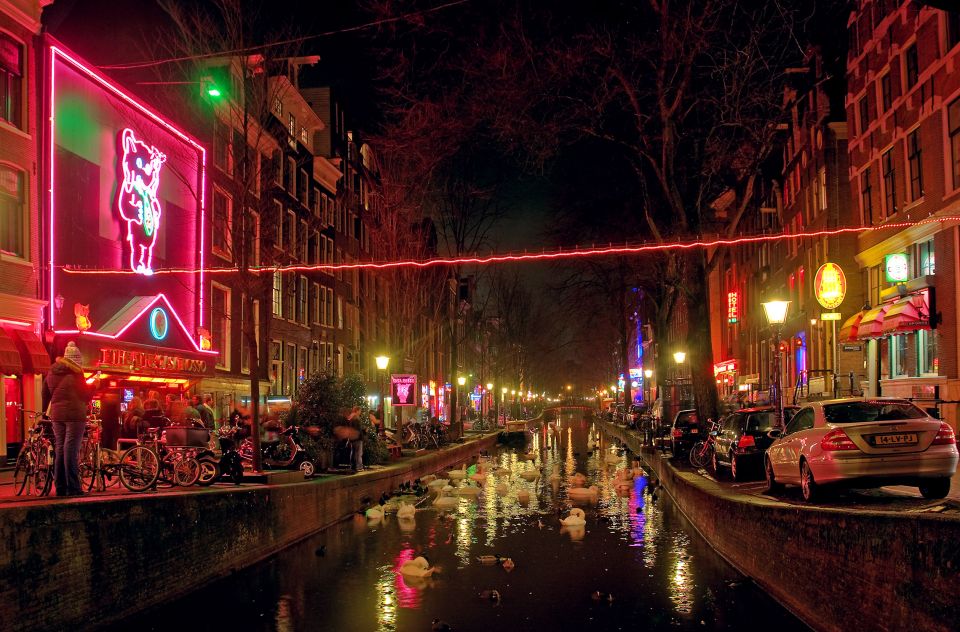
One reason this tour feels different is the mix of scale. You’ll see major “postcard” stops and then connect them to the adult-and-alternative parts of Amsterdam.
You may visit:
- Old Church
- Condomerie
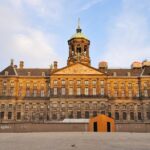
- Royal Palace
- The Dam Square
- Plus additional sights known only to locals
Old Church: history as a compass
Old Church isn’t just a backdrop stop. It helps you reset your brain from modern street scenes to older layers of the city. That’s important because the Red-light District didn’t appear out of nowhere—Amsterdam’s tolerance, debates, and legal choices grew over time.
Dam Square: where the city’s identity shows
Dam Square is one of those places where you can feel Amsterdam’s “public face.” Standing there after hearing about Dutch equality and freedom gives you a better sense of why these conversations happen in public spaces in the first place.
You’ll often find that the guide uses these big squares and palace views to anchor the talk. Without that, the tour could easily feel like it only lives in the alleyways.




Royal Palace: freedom with boundaries
The Royal Palace stop works as a contrast point. You’re not ignoring the official, formal Amsterdam. You’re using it as context while the guide explains how permissive policies can exist alongside traditional institutions.
It’s a good reminder that you’re not looking at one neighborhood’s mood—you’re looking at a national approach that shaped city life.
Coffeeshops and Dutch drug rules: what you’re really learning
The tour specifically includes Amsterdam’s “peculiar drug regulations,” with the history and origins of coffeeshops and the discussion of soft drug use and manufacturing (as covered by the guide).
The value here isn’t in a legal lecture that puts everyone to sleep. It’s in helping you understand how the system is designed to manage behavior and harm—without pretending the topics are clean or simple.
Here’s the practical takeaway you’re aiming for:
- Why coffeeshops exist the way they do
- What the Dutch soft-drug approach means in real life
- How the city’s permissive stance fits into broader thinking about personal freedom
You’ll also likely get a more human view of the policy. One of the best things this tour tends to do is answer questions you didn’t know you had, like how Amsterdam handles contradictions, enforcement, and public expectations.
Red-light District: legalization, operation, and the people behind it
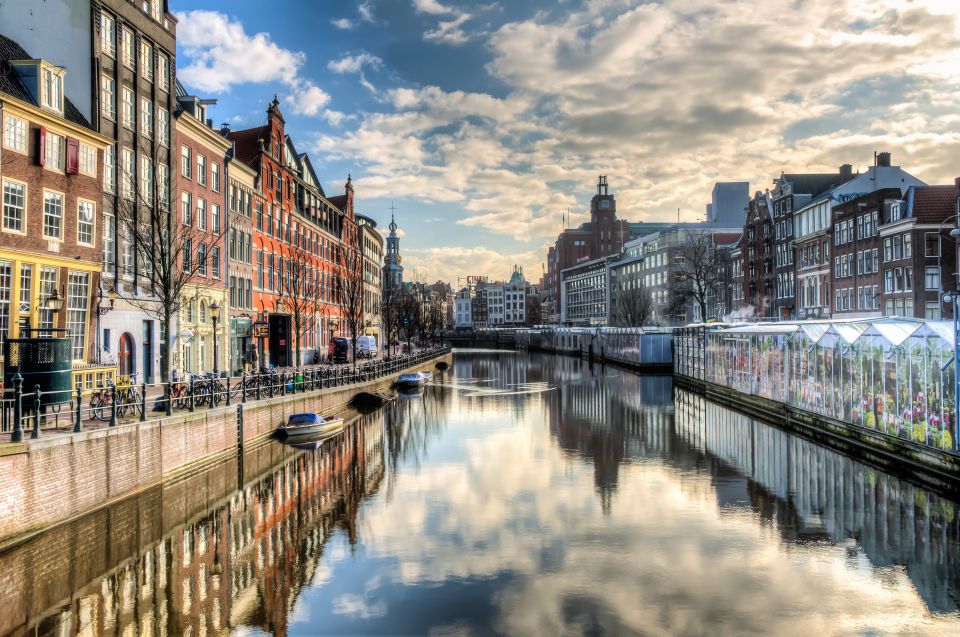
This is the central theme, and the tour treats it as more than shock value. You’ll learn about:
- Legalization of prostitution in the Netherlands
- How that shaped the Red-light District over the years
- What it’s like to work as a prostitute (as explained by your guide)
- The complex issues around sex work, with time for Q&A
What “legalization” means on the street
The guide’s job here is to connect law to lived reality. You’ll get a clearer sense of how the Red-light District operates—not just what people assume about it, but what it looks like when policy, enforcement, and business meet.
This is where the tour can feel more thoughtful than you expect. Even when you disagree with parts of the system, you’re at least hearing the logic people use to justify it.
A note on tone
Because the subject is sensitive, the best guides keep the conversation grounded. The style that stands out from guides like Martin, Jesse, and Stan is that they don’t treat it as a game. They’re focused on explaining what’s going on and why Amsterdam built a public conversation around it.
If you want facts plus context, you’re in the right place.
Condomerie: the strange stop that makes the whole theme click
The Condomerie is a perfect example of why this tour feels more coherent than a standard “adult sights” walk. It’s not only about what’s happening in the Red-light District. It’s about how Amsterdam handles sex education and public attitudes around sex.
So when you see a place with that kind of name in the middle of the route, it’s a signal: the city’s “sexual liberty” isn’t only about permission. It’s also about talking openly and trying to reduce harm through awareness.
Even if you’re not looking to learn about product history or local branding, this stop helps you understand the broader cultural mindset the tour keeps returning to.
The role of the guide: why it matters here
This tour lives or dies by the guide’s ability to balance three things at once:
- Clear explanations
- Respectful handling of sensitive topics
- Humor-light pacing so you can keep up
The guide lineup varies, but the strongest versions share a few qualities. I’m thinking specifically of what you can get from guides such as:
- Martin, praised for being engaging and answering questions
- Jesse, noted for his charisma and patient, thoughtful pacing
- David, highlighted for mixing highlights with local/family perspective
- Stan, known for covering coffeeshops and the Red-light District with strong context
- Even Blake and others who help frame the tour as an easy intro if it’s your first time in Amsterdam
There’s also something very useful when a group gets a little chaotic. One guide handled a situation where someone got tipsy and stayed behind, keeping things calm and focused. That’s the kind of steadiness you want on a walk with real street-life.
“Only locals know” stops: how to use them for better understanding
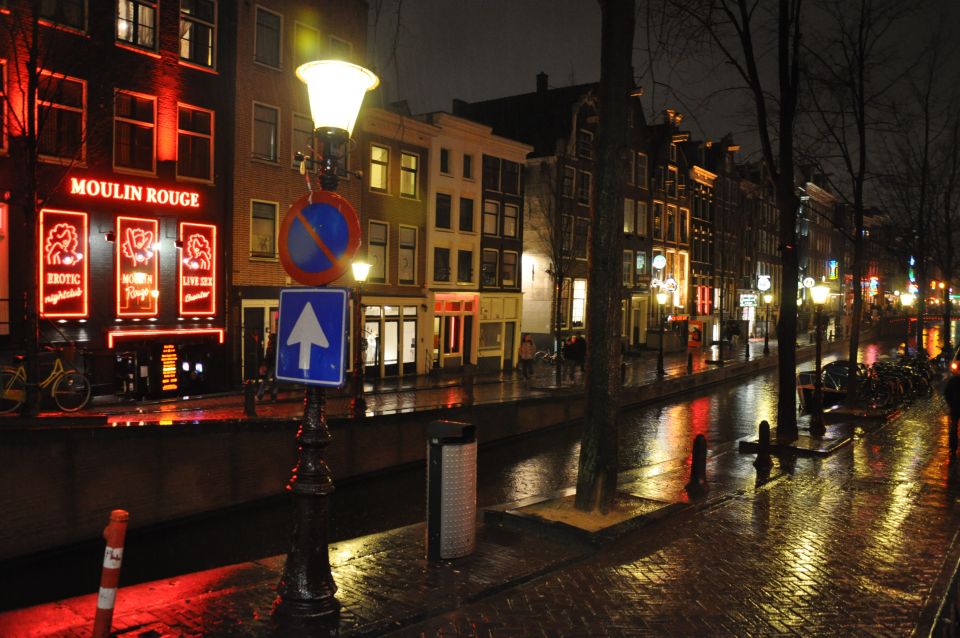
The tour promises sights known only to locals, and that’s not just marketing. In Amsterdam, local knowledge often means:
- Taking you down the right side streets at the right time
- Pointing out what looks ordinary but carries a deeper story
- Helping you notice differences between districts rather than treating the city like one big photo backdrop
My advice: lean into this part. Don’t treat it as random detours. Use the guide’s explanations to compare what you see with what you expected before the walk.
If you’re the type who likes to ask questions—why this is here, why it’s legal, how things changed—you’ll squeeze extra value out of the two hours.
Price and value: is $31 worth it?
At around $31 per person for about 2 hours, the price is fairly reasonable for a specialized walking tour. You’re paying for three things you usually can’t get quickly on your own:
- A structured explanation of drug policy and coffeeshops’ origins
- A guided view of legalized sex work and how the Red-light District evolved
- A local route that pairs landmarks with meaning
Food and drinks are not included, so plan on bringing your own water and saving meals for afterward. But because you’re not paying for dinner, you’re mostly paying for expert guidance and street-level context. For an intro to this side of Amsterdam, it’s a strong value.
Who should book this tour
Book it if you:
- Want a first-time Amsterdam overview that goes beyond canals and museums
- Are curious about how Dutch equality and personal freedom show up in laws and neighborhoods
- Prefer guided walking explanations over reading walls of legal history
Consider skipping if you:
- Want a purely family-friendly, traditional sightseeing route
- Are uncomfortable with adult topics and sex-industry sights
Should you book the Amsterdam Sex, Drugs, and Freedom Walking Tour?
I’d book it if your goal is understanding—real context for the Red-light District, the coffeeshop model, and the Dutch approach to equality and sexual liberty. The 2-hour length is a sweet spot, and the guide-driven Q&A makes it easier to get clear answers instead of guessing.
If you’re nervous about adult themes, you can still make it work by setting expectations up front: this is conversation-based street history. Wear comfortable shoes, keep an open mind, and use the guide’s calm explanations to turn discomfort into understanding.
FAQ
How long is the Amsterdam Sex, Drugs, and Freedom walking tour?
It lasts 2 hours.
How much does the tour cost?
The price is listed as $31 per person.
What’s included in the ticket price?
The tour includes a 2-hour expert-guided walking tour.
Is food or drinks included?
No. Food and drinks are not included.
What sights will I see during the tour?
The tour description includes stops such as Old Church, the Condomerie, the Royal Palace, and The Dam Square, along with additional places known only to locals.
What languages are the guides available in?
Live tour guide languages listed are Spanish, Dutch, English, and German.
Where do I meet the guide?
The meeting point may vary depending on the option booked.
Is the tour suitable for people with mobility impairments?
No, it is listed as not suitable for people with mobility impairments.
What should I bring?
You should bring comfortable shoes, water, and comfortable clothes.
Can I cancel and get a refund?
Yes. Free cancellation is available up to 24 hours in advance for a full refund. Reserve now & pay later is also offered.