REVIEW · DINING EXPERIENCES
Amsterdam: 3 Course Dinner in the Dark
Book on GetYourGuide →Operated by Ctaste - dining in the dark · Bookable on GetYourGuide
Dinner in the dark sounds gimmicky. It can also be strangely calming, because everything shifts from sight to taste and touch. At Ctaste in Amsterdam, you start in a lighted lounge and then move into a pitch-black dining room served by blind waiting staff trained for this format.
Two things I really like about this experience are the human service and the way the menu is designed to feel fair and accessible in darkness. The staff offer guidance and reassurance, and they avoid extreme ingredients like organs, bones, insects, or fat-heavy items, so you can focus on the senses rather than your comfort level.
One consideration: the whole point is total darkness, so if you have claustrophobia or you get anxious in low-light spaces, this might not feel relaxing. Even with patient staff (they can see and hear), you should be honest about how you react when you cannot see anything at all.
In This Review
- Key things to know before you go
- Dinner in Pitch-Black: Why This 3-Course Format Feels So Different
- Getting to Amsteldijk 55: Trams, Metro, and the Walk Along the Amstel
- From Lighted Lounge to Total Darkness: How the Timing Works
- The Role of Blind Wait Staff: What Service Feels Like in Darkness
- The Menu in the Dark: Flavor, Temperature, and What You’ll Notice
- Practical Rules That Matter: Phones, Clean Clothes, and the Candle Detail
- Price and Value: What $56 Buys (and Why Drinks Change the Math)
- Who This Suits Best in Amsterdam (and Who Should Think Twice)
- Making It a Smooth Night: Small Choices That Help a Lot
- Should You Book Ctaste’s Dinner in the Dark?
- FAQ
- How long is the dinner experience?
- What’s included in the ticket price?
- Are drinks and water included?
- Do I need to bring anything or keep my phone with me?
- Where are the restrooms during the dinner?
- Is the experience wheelchair accessible?
Key things to know before you go
- Blind waiting staff: specially trained to guide you through the meal in darkness
- Real sensory swap: taste, sound, and touch take over once the lights go out
- Built for the moment: you check in, store your stuff, and then you eat without distractions
- Clear boundaries: phones and cameras are locked away; restrooms are in the light
- Gentle menu limits: no organs, bones, insects, or other extreme ingredients
- Worth it even for solo dinners: the room is set up so you’re not stuck “performing” for anyone
Dinner in Pitch-Black: Why This 3-Course Format Feels So Different

This isn’t just a novelty meal. It’s a structured lesson in how much sight shapes what you think food is supposed to taste like. When the dining room turns pitch black and you can’t rely on visuals, your brain starts scanning for cues through smell, temperature, texture, and even the sound of cutlery.
I like that the experience stays focused on dinner rather than becoming a science show. You get 3 courses plus 2 amuse bouche, and the staff keep the pace moving so you’re not stuck waiting without context. The result can feel like a proper night out, just with your senses running the show.
You also get a useful reminder: when you remove one sense, the others don’t just “replace it.” They get sharper. That’s why people describe the meal as memorable or oddly emotional, even if you’re not into theatrics. You’re left with the raw materials of eating—flavor, salt, acidity, crunch, softness—and you notice them.
You can also read our reviews of more tours and experiences in Amsterdam


Getting to Amsteldijk 55: Trams, Metro, and the Walk Along the Amstel
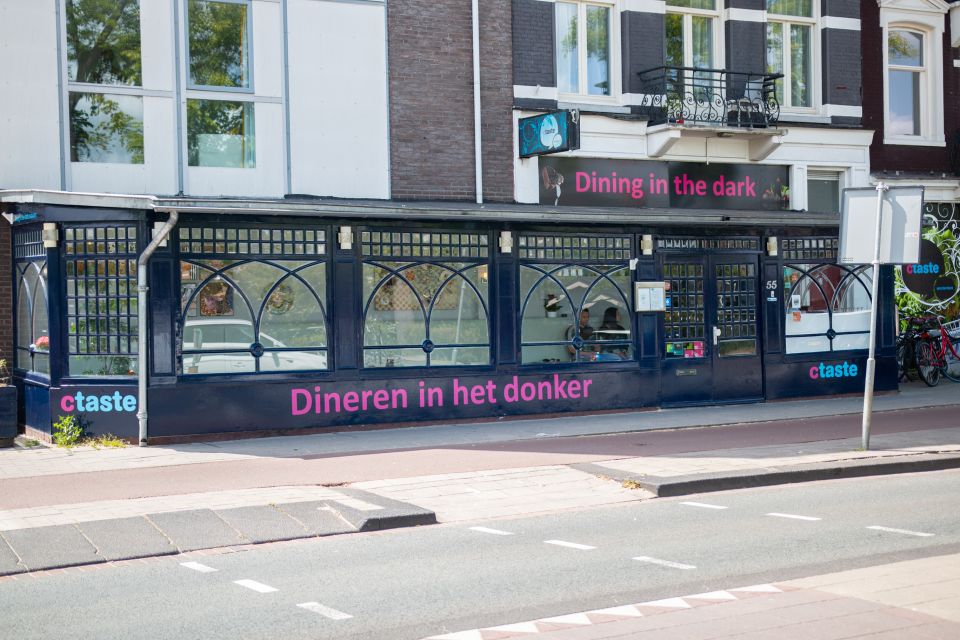
Ctaste is at Amsteldijk 55, 1074 HX, Amsterdam. Transit is straightforward, and that matters here because you’ll want to arrive without rushing or stress.
The nearest tram options are Trams 3 and 4, which stop close to the restaurant. If you prefer the metro, look for Wibautstraat station. You can also walk from Amsterdam Amstel Train Station, which is about a 10-minute walk.
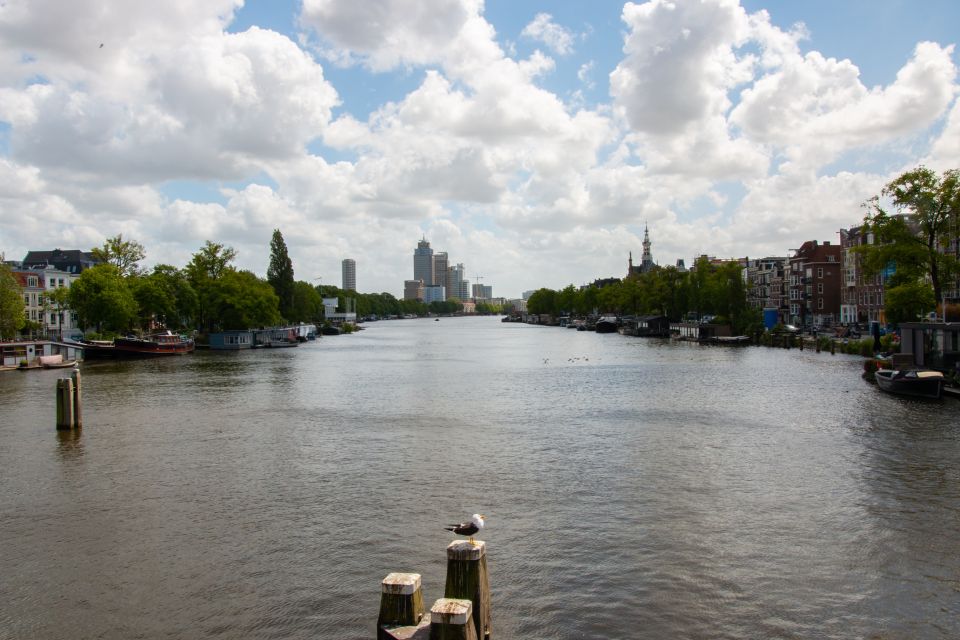
If you’re already near central landmarks, you have two common options: about 25 minutes on foot from Munt Square, or a shorter 10-minute bike ride along the Amstel River. I like that this place fits both casual and planned evenings—no complicated transfers, no guessing.
From Lighted Lounge to Total Darkness: How the Timing Works
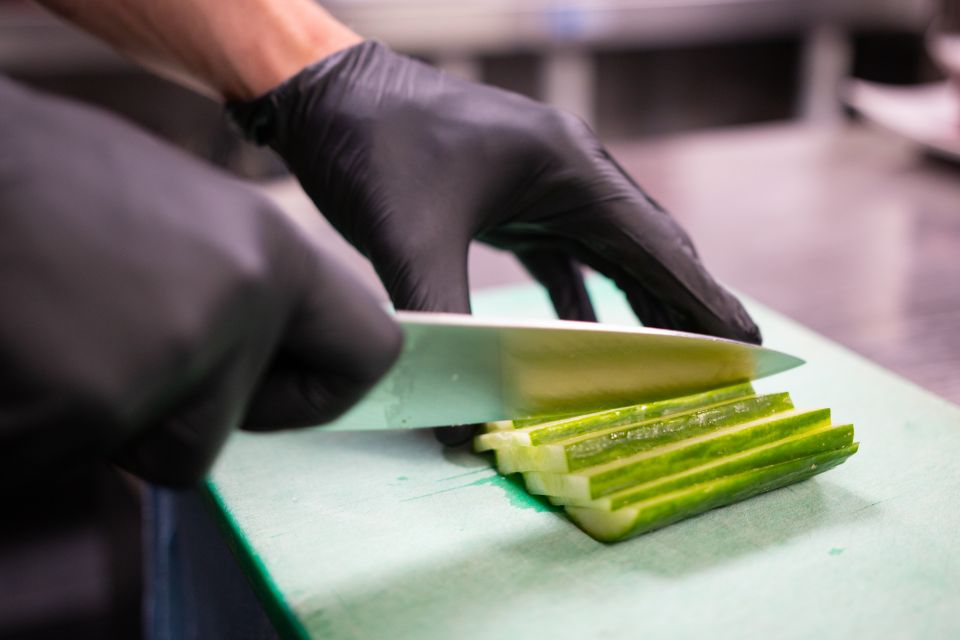
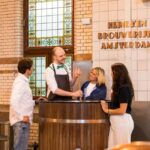
The flow is simple. When you arrive, you’ll be welcomed in a lighted lounge area. That’s not a throwaway detail. It gives you a minute to check in, get comfortable, and mentally shift gears before you enter darkness.
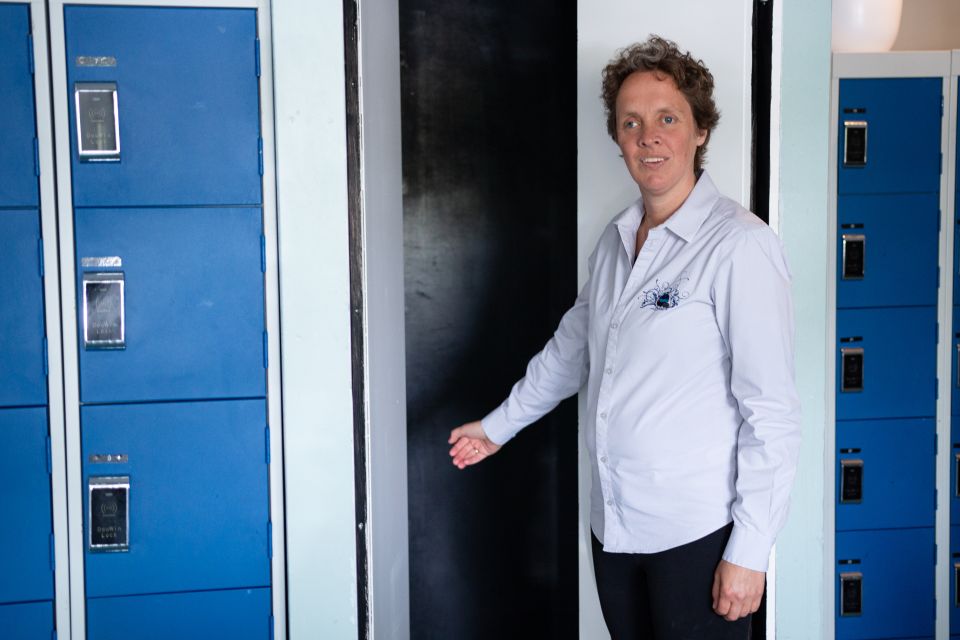
You’ll also use the cloakroom for your coat or bag. The rules are clear: you won’t need your things once you’re in the dark, so you can settle in and let your senses do the work. After you order, staff guide you into the dining room.
The whole experience runs for about 2 hours. Starting times can vary, so check the schedule when you book. If you’d like an aperitif, there’s time for that, but the main event is the dark dining experience itself.
In practical terms, plan to keep your expectations flexible. The pacing isn’t “fast dining,” and that’s intentional. Your brain needs a moment to re-calibrate when you go from full sight to nothing.
The Role of Blind Wait Staff: What Service Feels Like in Darkness
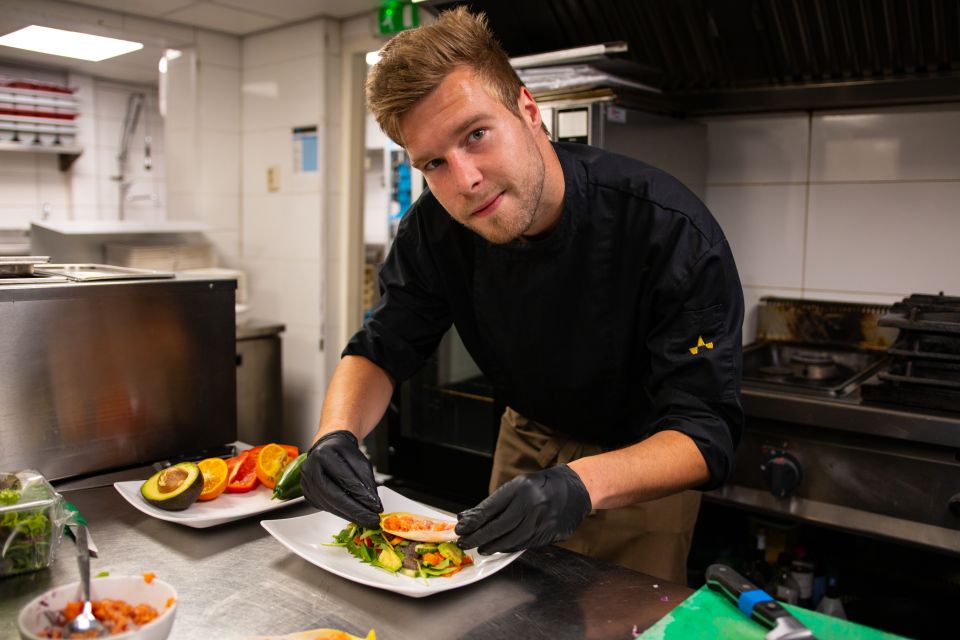
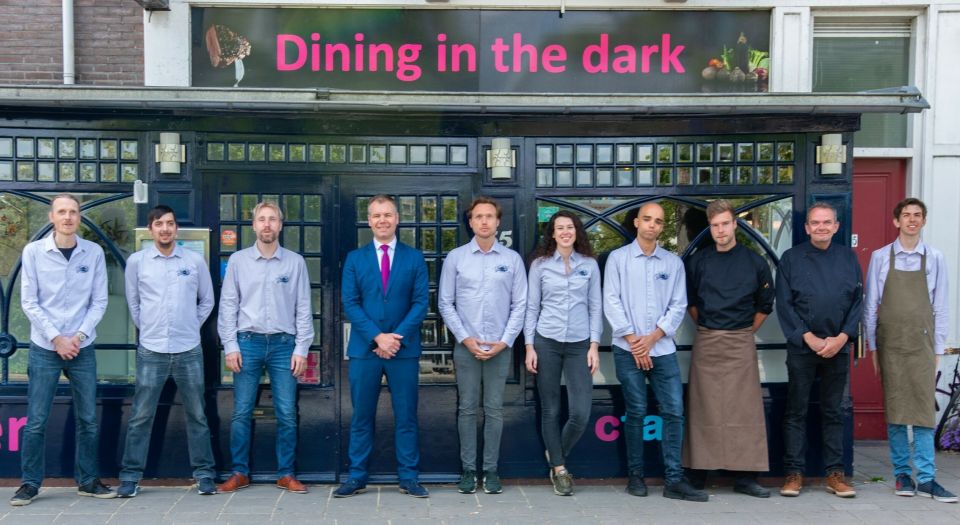
The staff are blind or visually impaired, and they’re trained specifically for this setup. That training is what makes the experience feel safe rather than awkward. They provide guidance and reassurance, which you’ll appreciate right away because you won’t be able to visually scan your table.
The duty managers can see and hear, so the system has oversight even though the room is dark. That also explains why you can ask for help without feeling like you’re on your own.
A detail that matters: because the room is completely dark, you might not know where a waiter is at any given moment. In at least one case, someone had trouble getting a response during the meal. My advice is to ask early rather than waiting until you’re desperate. If you need anything, signal and be specific about what you want.
Also, remember this: restrooms are in the light. That’s a practical reset point, but it means you should plan bathroom timing before your meal gets too far along.
And if you’re celebrating something—birthday dinners came up in the feedback—service can feel extra thoughtful. One person even singled out a waitress named Gladys for going above and beyond.
The Menu in the Dark: Flavor, Temperature, and What You’ll Notice
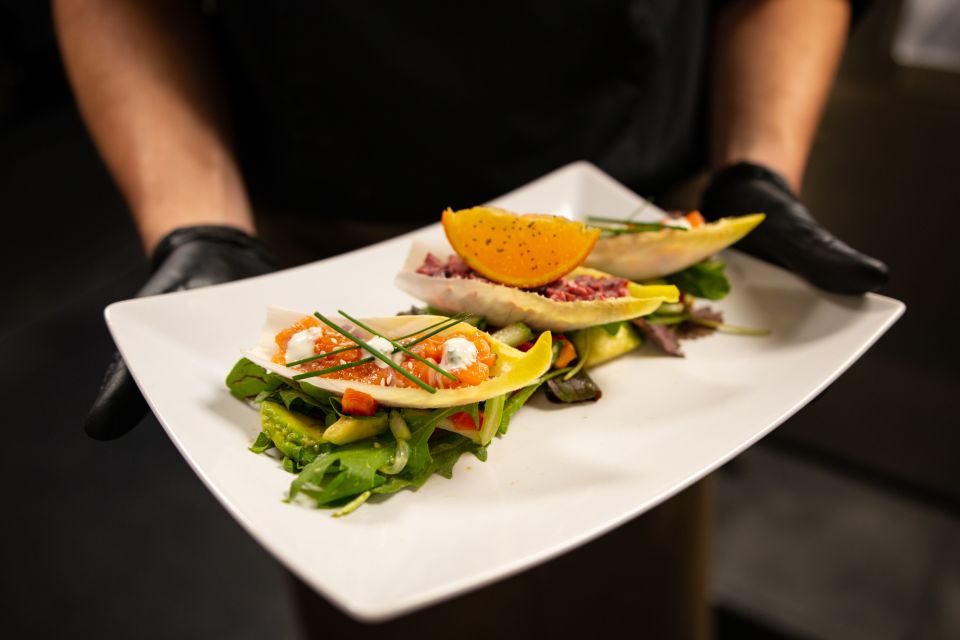
You’re getting a 3-course dinner, and it’s paired with 2 amuse bouche. That’s a nice balance for a format like this: you get enough variety to make the experience feel like real dining, not just a tasting gimmick.
The menu avoids extreme ingredients such as organs, bones, fat, insects, or similarly unusual items. That doesn’t mean the menu is bland—it means you’re less likely to get shocked by something you didn’t expect when you already can’t see what’s coming.
Now, here’s the honest part: darkness changes your perception, and not everyone loves every plate the same way. Some diners loved the flavor depth and called the food delicious. Others felt the flavors could be less bold, or they didn’t connect with certain elements of the menu.
Temperature can also affect enjoyment. One account noted that some dishes felt cold, which can happen more in dark dining experiences where dishes are staged and served differently than in a typical bright restaurant setting. If you’re sensitive to that, go in knowing you might have a mix of warm and cooler bites.
Portions are another point to consider. A few people said the portions felt small. That doesn’t ruin the experience, because you’re paying for the sensory format plus the meal—but if you tend to leave dinner hungry, you might want to plan ahead with an aperitif or a pre-dinner snack elsewhere.
You can also read our reviews of more tours and experiences in Amsterdam




Practical Rules That Matter: Phones, Clean Clothes, and the Candle Detail
This experience has a few rules that sound minor until you’re standing in the room.
First: mobile phones and cameras are kept in a personal locker. That keeps the focus where it should be—on your table, not on screens. You won’t be taking photos during the meal.
Second: smoking isn’t allowed, and pets aren’t allowed either. If you’re coming with a small companion, this is the kind of experience where you’ll need to plan for them.
Third: you’re advised not to wear white clothes, just in case. Most people walk out as clean as they walked in, but darkness changes how careful you can be.
Fourth: there’s a candle detail listed as not optional. I can’t claim how it’s used in your specific seating, but it’s clear that you won’t be able to skip it. If you have any discomfort with smoke or scent, it’s worth thinking about what “candle” means for you, especially if you have sensitivities.
Finally: you don’t need your bag once you’re checked in. That’s part of the “hands free” feeling of the evening.
Price and Value: What $56 Buys (and Why Drinks Change the Math)
At $56 per person, this is priced like a mid-range Amsterdam experience. What you’re paying for isn’t only dinner—it’s the entire sensory setup: the pitch-black room, the training of blind waiting staff, and the controlled environment (including phone storage).
Also, you get 2 amuse bouche and a private table, which is a big deal in this type of experience. Private seating means you’re not constantly negotiating shared space with strangers, and it makes the darkness feel personal rather than chaotic.
What’s not included is drinks and water. So your final bill depends on what you order. If you plan on wine or cocktails, expect the total to move up.
On the value side, I think the biggest reason people feel it’s worth the money is that it’s genuinely different from standard restaurant dinners. You’re not just buying food; you’re buying a structured experience where you can’t rely on sight.
Who This Suits Best in Amsterdam (and Who Should Think Twice)
This works especially well if you want an Amsterdam evening that isn’t another museum ticket or a crowded bar crawl. It’s also a strong choice for people who like interactive experiences that are still grounded in good service.
It can be a fun birthday plan, too, because the format keeps attention on the table. One person described it as going above and beyond for a birthday dinner. It can also work well for solo diners because the room tends to be quiet and you’re focused on eating rather than socializing.
But here are the real “think twice” moments:
- If you get anxious in dark or enclosed spaces, this might trigger discomfort quickly.
- If you need very predictable, consistent flavor every course, remember darkness can shift how you interpret flavors.
- If you dislike waiting or want constant check-ins, you might need to communicate early if you have needs. In one experience, calling for help didn’t feel easy, though staff did guide people throughout.
If you’re with friends, I’d still recommend it. Just don’t treat it like a photo challenge. The best nights are the ones where you stay present and let the senses do their job.
Making It a Smooth Night: Small Choices That Help a Lot
Here’s how I’d set yourself up for success.
Arrive a bit early so you can use the lounge time without stress. That lighted welcome helps you adjust mentally before the dark hits. It’s also easier to check in calmly when you’re not rushing.
Wear comfortable clothes. You’ll be sitting for a while, and you won’t have the usual distractions of checking menus on your phone or taking photos at every step.
Keep in mind that restrooms are in the light. If you’re someone who likes to keep a steady routine, use the restroom before you enter the dining room.
If you’re the type who can get impatient, remind yourself that the darkness changes timing. You might feel like you’re waiting longer than you would in daylight. That doesn’t mean the service is slow—it means your brain is waiting for cues in a different way.
And if you’re sensitive about food ingredients, you’re in luck. The menu avoids organs, bones, insects, and other extreme items, so you can relax.
Should You Book Ctaste’s Dinner in the Dark?
I’d book this if you want a memorable, sensory dinner that mixes good food with a purpose-built environment. The combination of trained blind staff, a structured 3-course meal, and a pitch-black dining room makes it more than a novelty. It’s also good value in Amsterdam terms because you’re not just paying for taste—you’re paying for the whole experience.
Skip it, or at least think carefully, if darkness makes you anxious. And if you’re very sensitive to cold dishes, consider that some menus may be served at cooler temperatures during a dark setup.
If you’re open-minded and want an evening that genuinely feels different, this is the kind of Amsterdam night you’ll remember for the right reasons: not because of spectacle, but because your senses suddenly pay attention.
FAQ
How long is the dinner experience?
The duration is about 2 hours. Starting times vary, so check availability when you book.
What’s included in the ticket price?
Your experience includes a 3-course dinner in the dark, 2 amuse bouche, and a private table.
Are drinks and water included?
No. Drinks and water are not included, so you’ll pay for those separately if you want them.
Do I need to bring anything or keep my phone with me?
You don’t need your bag or coat once you’re checked in. Mobile phones and cameras are kept in a personal locker during the experience.
Where are the restrooms during the dinner?
All restrooms are in the light, so you’ll step out of the dark area if you need to use them.
Is the experience wheelchair accessible?
Yes, the experience is wheelchair accessible. Pets and smoking are not allowed.