REVIEW · HISTORICAL TOURS
Small-Group Women’s History Tour in Amsterdam
Book on Viator →Operated by Badass Tours · Bookable on Viator
Amsterdam gets personal on this women’s history walk. You’ll follow a trained storyteller through the historic core, hearing how less-obvious women shaped the city across centuries, not just stereotypes. I love the small group size and the way the guide brings the past to life with concrete places.
I also like that the stops are practical and specific—Centraal Station, Dam Square, Nes, and the Begijnhof—so you can connect the stories to what you’re seeing. One thing to consider: it’s a good-weather, standing-and-walking experience, and some stops are in busy public areas like Dam Square.
In This Review
- Key things I’d mark on your Amsterdam map
- Women’s History in Amsterdam, Not the Usual Script
- A 2-Hour Walking Route From Prins Hendrikkade to Spui
- Stop-by-Stop at the Old Harbor: Centraal Station and Beurs van Berlage
- Dam Square’s Crowd Noise Meets a Tasteful Scandal Story
- Beurspoortje: Motorcycles, a Gay Bar, and Nazis (Yes, the Story Has Range)
- Nes, Theater Streets, and a First Black Female Millionaire in the Americas
- Queen Wilhelmina: The Statue That Makes Power Visible
- Rokin: Canal Origins, the Miracle, and the Women’s Riot Link
- Begijnhof: Ending in a Women’s Enclave (If It’s Open)
- Price and Value: What $47.47 Buys You in Real Life
- Who This Tour Fits Best (and Who Might Want to Skip It)
- Practical Tips So You Don’t Miss the Good Parts
- Should You Book This Women’s History Tour?
- FAQ
- How long is the Small-Group Women’s History Tour in Amsterdam?
- Where do you meet, and where does the tour end?
- Is the tour truly small-group?
- Does the tour include admission costs for the stops?
- What ticket format do I need?
- What if the weather is bad?
Key things I’d mark on your Amsterdam map
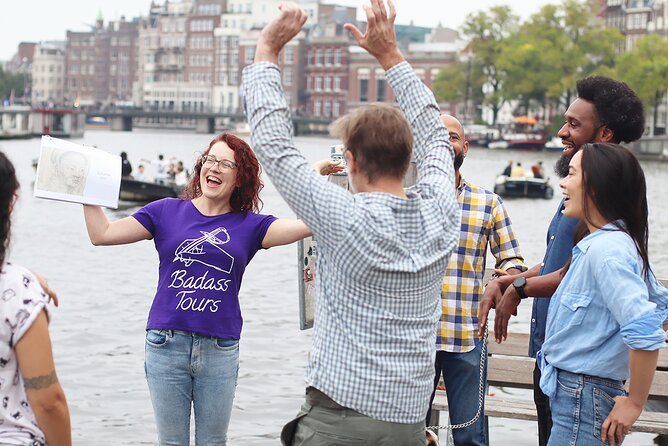
- Small group (up to 12) makes it easier to hear the stories and ask questions
- Free entry tickets at each stop mean you’re paying for the tour, not for add-ons
- Eight story stops connect women’s lives to landmarks you’ll recognize fast
- Guide is a trained storyteller and local women’s history nerd (Elyzabeth is one example)
- Begijnhof at the end can be a rare quiet moment in the middle of the city
Women’s History in Amsterdam, Not the Usual Script
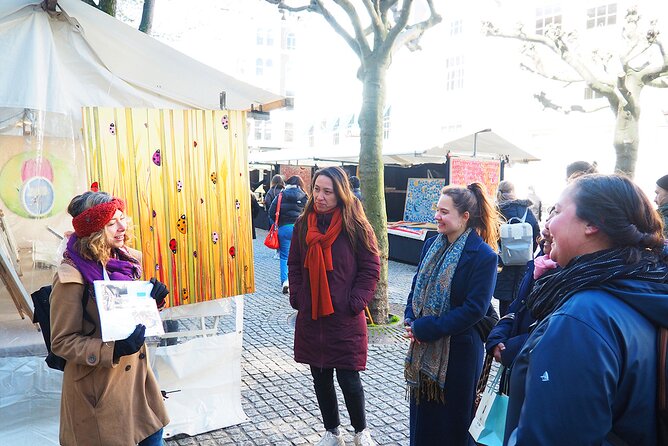
This is one of those tours where the city feels bigger afterward—in a good way. Amsterdam is full of statues, churches, canals, and grand buildings, but too many history tours squeeze women into only a couple roles. This one doesn’t.
Instead, you get a wider range of women: people who worked within systems, people who pushed against them, and people whose influence shows up in art, culture, politics, and street-level life. You’ll hear that women in Amsterdam did far more than fit a single category.
The tone is also important. It’s storytelling-led, so you’re not stuck reading plaques. You’re getting the human angles: what they wanted, what they faced, and how the city’s structures shaped their choices.
You can also read our reviews of more historical tours in Amsterdam



A 2-Hour Walking Route From Prins Hendrikkade to Spui

The whole tour runs about 2 hours and stays in Amsterdam’s historic center. It’s a walking format with a start point at Prins Hendrikkade 48 (near Centraal Station) and an end outside the Begijnhof area in/near Spui.
You’ll also get a mobile ticket, which is a simple win in a city where you’ll probably be juggling transit cards and museum tickets. The tour itself includes admission tickets for the stops, so you don’t have to scramble for extra entry fees mid-walk.
One practical note: because it’s outdoor-heavy and depends on conditions, good weather matters. If skies turn gray and wet, plan for a schedule shift or a refund option.
Stop-by-Stop at the Old Harbor: Centraal Station and Beurs van Berlage
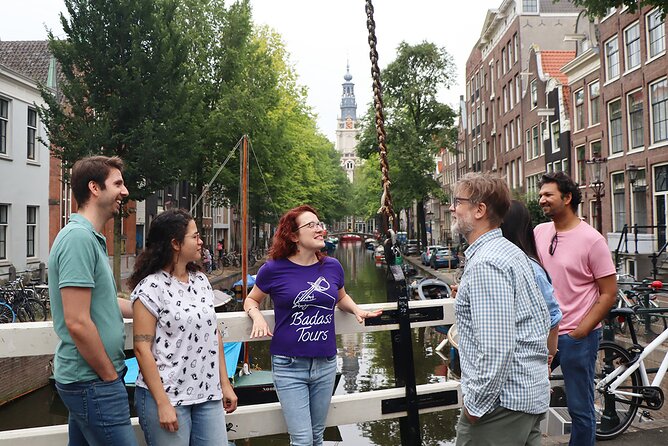
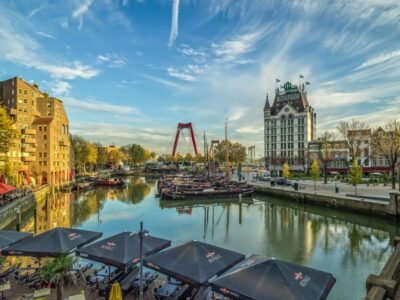
You start across the harbor from Amsterdam Centraal Station, at Prins Hendrikkade. This opening is more than a meet-and-greet. It’s a way to get your bearings fast—you’ll frame the city’s geography before the stories start hopping between buildings.
At Beurs van Berlage, the tour turns toward power and economics. You’ll hear about two female figures tied to the world of Amsterdam’s stock exchanges: the newer one and the older exchange building that’s now an event hall. The point isn’t just that women were involved—it’s that you can trace their presence through places that still define Amsterdam’s image.
If you like history that connects people to institutions, this stop is a strong early anchor. It tells you: the women’s story here isn’t separate from “main” history. It’s part of how Amsterdam became Amsterdam.
Dam Square’s Crowd Noise Meets a Tasteful Scandal Story

Then you move into Dam Square, one of the city’s most instantly recognizable squares. The setting is busy, so you’ll hear the story while looking at a landscape that still feels like the center of things.
Here’s the vibe: you’ll get one of the tour’s most salacious (but tasteful) stories from Amsterdam’s past. This isn’t meant to shock you for shock’s sake. It’s a reminder that public life has always carried tension—between reputations, rules, and how people actually behaved behind the official curtain.
If you’re the kind of traveler who likes humor or edge in historical storytelling, this stop will likely feel memorable. If you prefer quiet, you may want to brace yourself for the square’s noise and foot traffic.
Beurspoortje: Motorcycles, a Gay Bar, and Nazis (Yes, the Story Has Range)
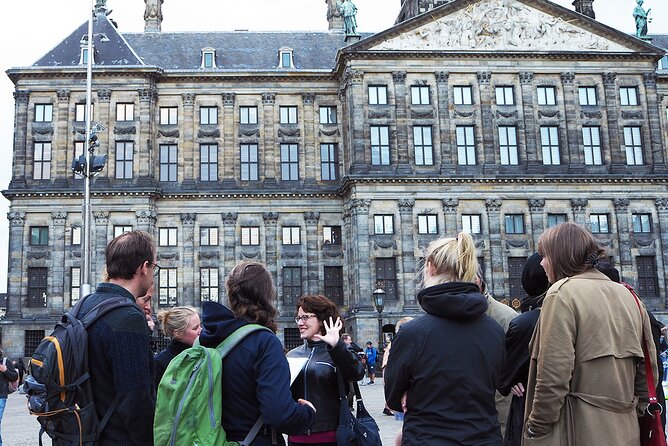
At Beurspoortje, the tour goes for a bigger swing—stories of resistance and social defiance. You’ll take in the surroundings around the building area while hearing about one of the tour’s favorite badasses.
The details are vivid: motorcycles, Amsterdam’s first modern gay bar, and the story includes people drinking Nazis under the table. Even without trying to turn this into a “look how wild history is” pitch, the inclusion matters. It shows women (and women’s worlds) were not confined to one type of behavior or one corner of society.
This is also where the tour’s storytelling style really shows. The guide doesn’t just drop dates. You get a sense of pacing—like you’re moving through chapters of a novel, only the characters are tied to real street-level locations.






Nes, Theater Streets, and a First Black Female Millionaire in the Americas
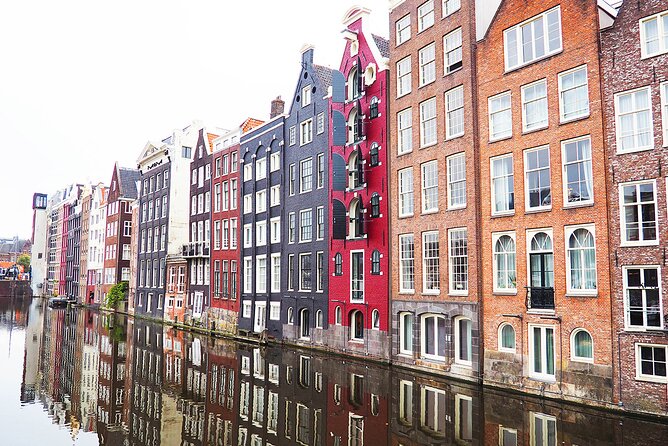
Next comes Nes, an area known as a hub for cutting-edge theater. You’re still walking, but the atmosphere shifts toward creativity and performance, which matches the kind of stories this stop aims for.
You’ll hear about powerful women connected to that world, including the first Black female millionaire in the Americas. There’s a smart hint in the story: she wasn’t in the US. That detail pushes your brain to check assumptions, and it also makes the history feel closer to real life—because the person’s “place” isn’t where you’d automatically expect.
If you enjoy history that expands your mental map, this is a strong stop. It’s not just “a milestone name.” It’s a chance to understand why theater districts and cultural centers often become crossroads for ambitious people.
Queen Wilhelmina: The Statue That Makes Power Visible
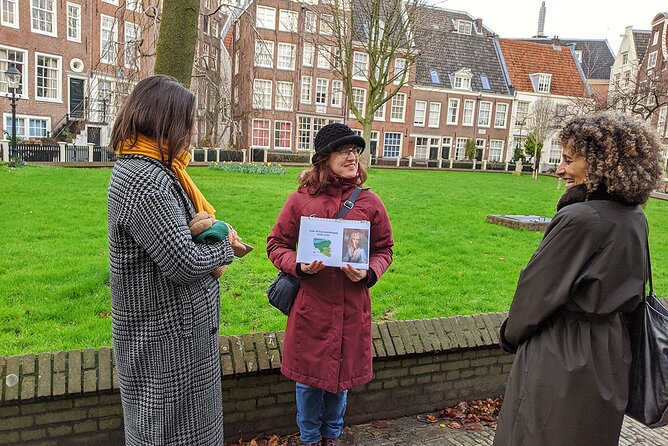
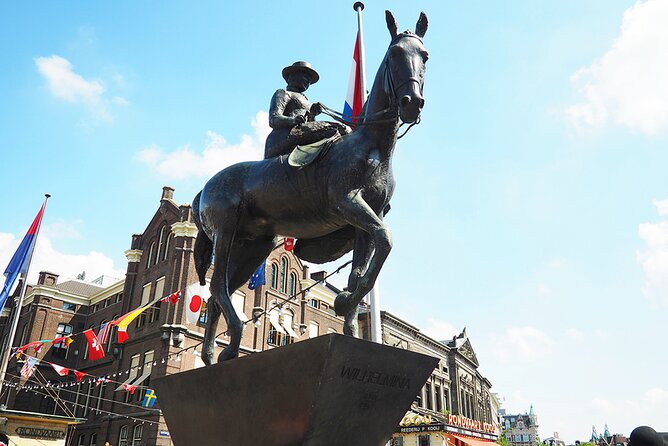
At the equestrian statue of Queen Wilhelmina, the tour slows just enough for you to look up and actually register what’s in front of you. This stop focuses on her role as the Netherlands’ first Queen Regnant.
Even if you’ve passed statues before, this kind of framing changes how you look at the public art. Instead of seeing a figure on a pedestal, you see a statement—how a society chose to represent authority, gender, and national identity in stone and bronze.
It’s a good change of pace from street-crowd storytelling. And it pairs nicely with the earlier “power meets economics” theme at Beurs van Berlage.
Rokin: Canal Origins, the Miracle, and the Women’s Riot Link
You’ll then walk along Rokin, described as Amsterdam’s first main waterway. The canal setting gives you a different kind of perspective—less about one building and more about how movement and water shaped the city.
This stop connects the Miracle of Amsterdam with how it led to The Women’s Riot. Even if you don’t know the legend yet, you’ll leave with a clearer sense that religious and civic stories can create real-world consequences. People respond to meaning, and meaning can become collective action.
I like this stop because it ties together three things you often see separately: belief, city development, and social change. You don’t just learn that something happened. You learn how the story of the city helped drive a reaction inside it.
Begijnhof: Ending in a Women’s Enclave (If It’s Open)
The final stop is the Begijnhof, which the tour frames as an idyllic women’s enclave in the heart of a noisy city. This is the kind of ending that feels like you’re stepping into a different atmosphere without leaving Amsterdam.
Here’s the key practical point: if the Begijnhof is open during your tour, you’ll have the chance to experience it as more than a name on a map. If it isn’t open, you still end in that area, but you may not get the full courtyard feel.
Either way, this ending works. The tour starts in a major public transport hub and ends in a historically protected women’s space. That contrast is the emotional “landing,” and it makes the whole theme stick.
Price and Value: What $47.47 Buys You in Real Life
At $47.47 per person, this isn’t a freebie, but it also isn’t priced like a museum ticket. You’re paying for a trained storyteller and a tightly paced walk through high-impact locations.
The value becomes clearer when you remember what’s included: admission tickets at each stop are covered, plus a guide who’s clearly invested in women’s history beyond surface-level talking points. Also, the tour caps at 12 people, which matters more than you might think. A small group makes it much easier to hear and to feel like the experience is built for listening, not for standing shoulder-to-shoulder.
In plain terms: if you want to see the city anyway, this tour helps you see it with a lens that most guided walks ignore. If you only care about ticking off sights and you don’t care about narrative, you might feel the price less justified.
Who This Tour Fits Best (and Who Might Want to Skip It)
This is a great fit if you:
- like guided storytelling that connects people to places
- want a women’s history angle that’s broader than “a few famous names”
- enjoy walking and can handle about 2 hours on your feet
It might not be your best match if you:
- hate history stories with edge or humor and prefer purely academic explanations
- struggle with crowds, especially around Dam Square
- want a fully indoor, weather-proof experience
In my view, the real strength is that you don’t just learn facts. You walk away with a new habit: noticing what’s around you and asking who built it, benefited from it, or resisted it.
Practical Tips So You Don’t Miss the Good Parts
A walking tour in Amsterdam rewards basics.
Wear shoes you can stand in for a couple hours. Even if the route isn’t long by kilometers, the experience is timed around discussion at each location. Bring a light layer—weather can shift quickly, and since the tour depends on good conditions, you’ll feel more comfortable if you’re prepared.
You’ll be stopping at major landmarks and squares, so expect sound and foot traffic. If you’re sensitive to noise, arrive with the mindset that the guide’s voice will be your anchor.
Finally, go in curious. The tour’s theme is that women in Amsterdam did everything from shaping institutions to influencing culture to defying power—sometimes in surprising ways. If you let that guide how you listen, you’ll get more out of every corner.
Should You Book This Women’s History Tour?
If you want Amsterdam to feel like more than canals and museums, I’d say yes. This tour gives you a small-group women’s history story route with free admission at stops, and it moves through recognizable places that become much more meaningful once you hear the people behind them.
Book it especially if you love guided narratives and you want a fresh lens: the kind that makes you look up at statues, study public squares differently, and understand canals and legends as drivers of real social action.
Skip it if you’re only shopping for quiet, low-stimulation sightseeing or if you’d rather read history on your own time. But for most people who enjoy city-walking with a point of view, this one is an easy yes.
FAQ
How long is the Small-Group Women’s History Tour in Amsterdam?
It lasts about 2 hours.
Where do you meet, and where does the tour end?
You start at Prins Hendrikkade 48, 1012 AC Amsterdam and the tour ends outside the Begijnhof in the Spui (1012 Amsterdam) area.
Is the tour truly small-group?
Yes. It has a maximum of 12 travelers.
Does the tour include admission costs for the stops?
Yes. Each stop lists admission ticket free, and the tour includes those admissions.
What ticket format do I need?
You get a mobile ticket.
What if the weather is bad?
The experience requires good weather. If it’s canceled due to poor weather, you’ll be offered a different date or a full refund.