REVIEW · ANNE FRANK & WWII HISTORY TOURS
Amsterdam: Anne Frank Walking Tour
Book on GetYourGuide →Operated by Trigger Tours · Bookable on GetYourGuide
This walk puts Anne Frank on your map. In two hours, you trace Amsterdam’s WWII Jewish neighborhoods and hear how Anne’s story fits the city’s darker chapter. I like the way the guide connects the bigger context, from Germany to the hiding period, to Otto Frank’s life after the war, and I like the smart mix of stops such as the Portuguese Synagogue and the Jewish Quarter.
One thing to consider: the tour does not include tickets or entrance to the Anne Frank House, so you’ll get guidance and context around it, not admission.
In This Review
- Key things to know before you go
- A 2-hour Anne Frank walk through Amsterdam’s Jewish neighborhoods
- Starting at Waterlooplein (and why meeting points can vary)
- Portuguese Synagogue: an early landmark with real emotional weight
- The Jewish Quarter walking stretch: where the city does the storytelling
- Jewish Historical Museum: short stop, big context
- Waterlooplein and Nieuwmarkt en Lastage: Amsterdam’s WWII neighborhood rhythm
- Auschwitz Monument: a somber turning point on the route
- The Anne Frank House area: guided context without entrance
- Plantage district: why the tour doesn’t end too abruptly
- Price and value: $21 for a story you can place in the city
- Who this tour suits best
- A quick practical game plan before you book
- Should you book this Anne Frank walking tour?
- FAQ
- How long is the Amsterdam: Anne Frank Walking Tour?
- How much does the tour cost?
- Where do I meet the guide?
- What stops are included on the route?
- Is entrance to the Anne Frank House included?
- What languages are the guides available in?
- Is the tour wheelchair accessible?
- What should I bring?
- Is there a free cancellation option?
- Are private or small groups available?
Key things to know before you go

- A tight 2-hour route that hits major WWII-era Jewish landmarks without turning into a museum marathon
- Jewish Quarter walking time is longer than the quick photo stops, so the story has room to breathe
- Small “war traces” details around monuments and streets, including explanations tied to what you can still see today
- A well-paced narrative that links Amsterdam’s wartime events like the February strike and the hunger winter to people’s lives
- A moving finish at the Auschwitz Monument, which changes the tone fast, in a good way
A 2-hour Anne Frank walk through Amsterdam’s Jewish neighborhoods
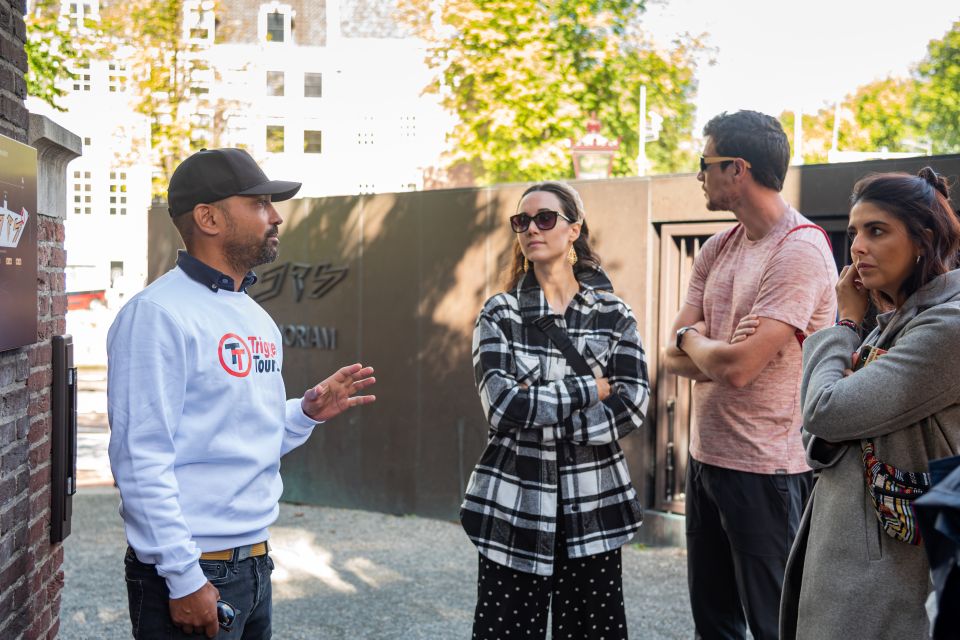
Anne Frank’s name gets so much attention that it’s easy to forget the most important part: she was one person inside a whole community. This tour keeps that scale in your head by walking you through the Jewish neighborhoods where family life, faith, and everyday routines were disrupted. You’re not just hearing facts. You’re watching the city’s geography help you understand the story.
For me, the best value here is the balance. You start in the heart of Amsterdam’s Jewish historic area and you end at a powerful Holocaust-related memorial. Along the way, the guide doesn’t treat the diary as a standalone lesson. The story comes with context: what Amsterdam was like during WWII, how people were harmed, and how surviving and publishing the diary mattered afterward.
The route also gives you a practical kind of learning. If you’ve only got one short window in Amsterdam, this is the kind of tour that helps you place everything you later see at your own pace.
You can also read our reviews of more walking tours in Amsterdam



Starting at Waterlooplein (and why meeting points can vary)
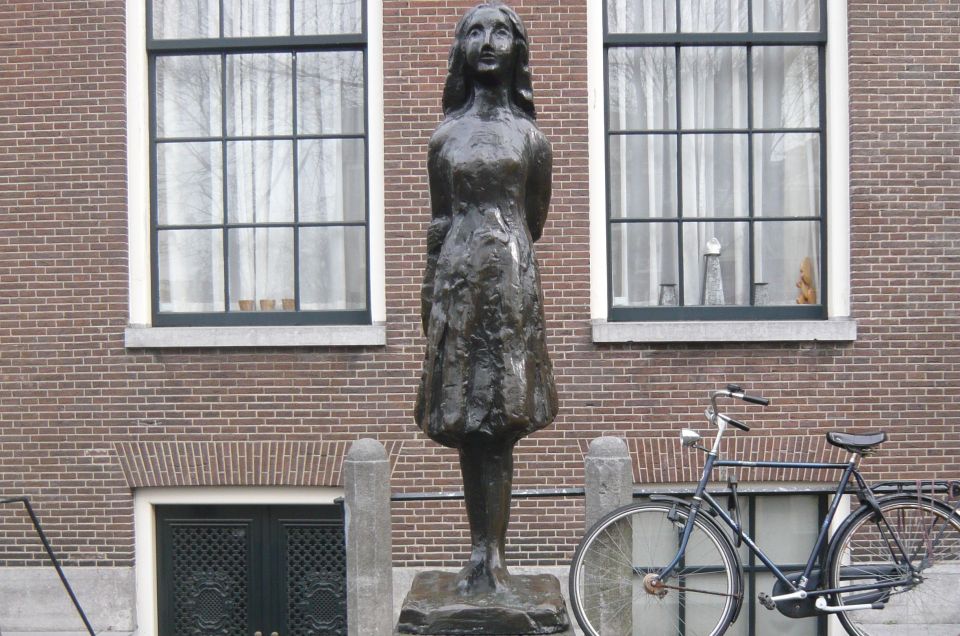
You’ll meet your guide at a listed meeting point that can vary by option. The tour information also notes Waterlooplein as a common start, and some options list Studio Infinity as a starting location. Either way, you’re set up for a neighborhood walk rather than starting deep in a museum.
Why it matters: getting orientation early in Amsterdam helps. This area has narrow lanes, dense blocks, and a “walk-first, understand-later” feel. A guide at the start makes your next hour and a half much easier to follow—especially with a story as layered as Anne Frank’s.
Also, the tour is designed to stay focused on the theme, so you won’t be spending your time wandering without purpose. It’s a guided route with a clear story arc.
Portuguese Synagogue: an early landmark with real emotional weight
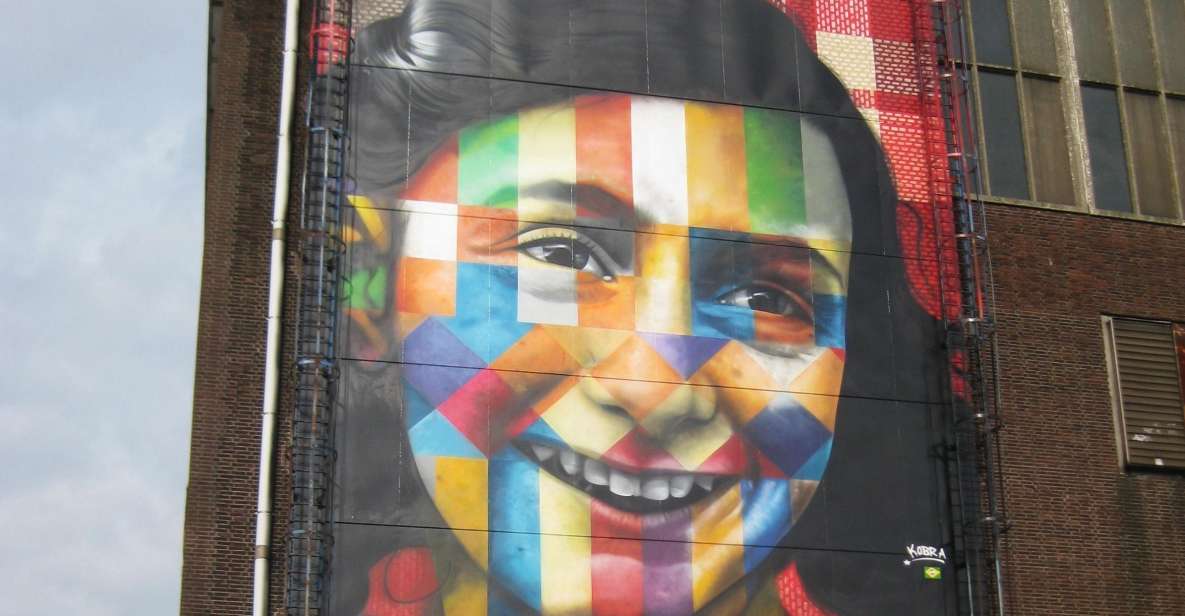
One of the first stops is the Portuguese Synagogue, with a short guided segment (about 10 minutes). Even if you’ve seen photos online, you’ll get something different from a live guide: what this synagogue represented to the community, and why religious identity mattered so much in the WWII period.
This stop works well as an opening. It gives your brain a reference point for “Jewish life before the war,” rather than jumping straight to the hiding and persecution chapters. It also helps you understand why later stops hit harder when you connect architecture, community, and history.
Practical note: you’ll be on foot, so comfortable shoes matter. The route is built around narrow streets and alleys in the Jewish Quarter area.
The Jewish Quarter walking stretch: where the city does the storytelling
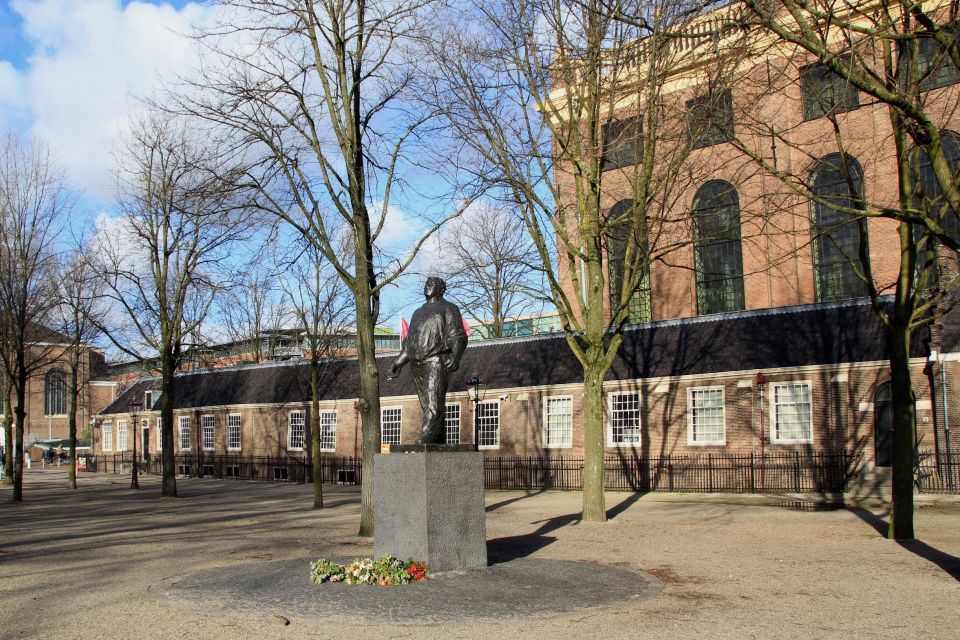
The Jewish Quarter gets the biggest time block (about 40 minutes). That’s the section where you feel the tour doing its job: the guide uses the street layout and historic buildings to show what daily life could look like before things went off the rails.
You’ll hear about centuries of Jewish life in Amsterdam and the community’s role in shaping city culture and heritage. Then the guide ties that longer timeline to WWII realities—so the story doesn’t feel like a sudden tragedy with no buildup.
A detail I’d watch for: the tour route includes explanations connected to what you can still see today, including small metal squares in the pavement that the guide helps you interpret. Those kinds of details are easy to miss on your own, but with a guide, they become part of the narrative instead of random street decor.
This is also where the guide covers more than Anne Frank. The tour description includes references to key community locations such as the Jewish Council headquarters, along with the Portuguese Synagogue and the Jewish Historic Museum area. It’s a strong reminder that Anne’s story is threaded through a broader communal story.
Jewish Historical Museum: short stop, big context
The Jewish Historical Museum stop is brief (about 10 minutes), but it’s an important one. The goal here is not to turn your walk into a full museum day. It’s to anchor the WWII story in a place that already frames the subject in a broader way.
Even if you don’t go inside (and the tour does not include general admission to the big featured house at the end), you can still get value from the guide’s orientation. You’ll learn what to look for when you later decide you want to spend time on your own.
This portion also helps you understand why the war period left traces that people can still point to today. The tour description includes the idea that some buildings and monuments retain visible marks of that time.






Waterlooplein and Nieuwmarkt en Lastage: Amsterdam’s WWII neighborhood rhythm
You’ll have additional guided segments at Waterlooplein (about 10 minutes) and Nieuwmarkt en Lastage (about 10 minutes). These stops act like story bridges. They help the guide explain what Amsterdam looked like during WWII, and how the Jewish neighborhoods fit into the larger city.
In this stretch, the tour doesn’t just stay on one family. You get wider wartime context, including major hardship events. The tour information explicitly calls out the February strike and the hunger winter, which you’ll hear explained in terms of what they meant for people’s lives.
Why this is valuable: if you only hear Anne Frank’s story, it can feel like you’re watching a movie with one plot. These neighborhood anchors remind you that WWII hit everyone in Amsterdam, just not evenly. The tour uses those events to explain the pressures surrounding the people who lived in those streets.
Auschwitz Monument: a somber turning point on the route
The tour includes a stop at the Auschwitz Monument (about 10 minutes). This is the part where the tone shifts. The guide’s job here is careful: respectful pacing, clear context, and a memorial-focused approach that helps you take the significance seriously without rushing you through it.
In the feedback for this type of experience, people often point to this as the emotional highlight. That makes sense. It’s a concrete location. It’s not abstract. It’s also timed well in the route—after you’ve built enough background that the memorial doesn’t land as a random stop.
If you’re traveling with teens or curious adults who want a clear thread, this is where the tour’s storytelling approach pays off: the memorial becomes the visible weight of everything you heard earlier.
The Anne Frank House area: guided context without entrance
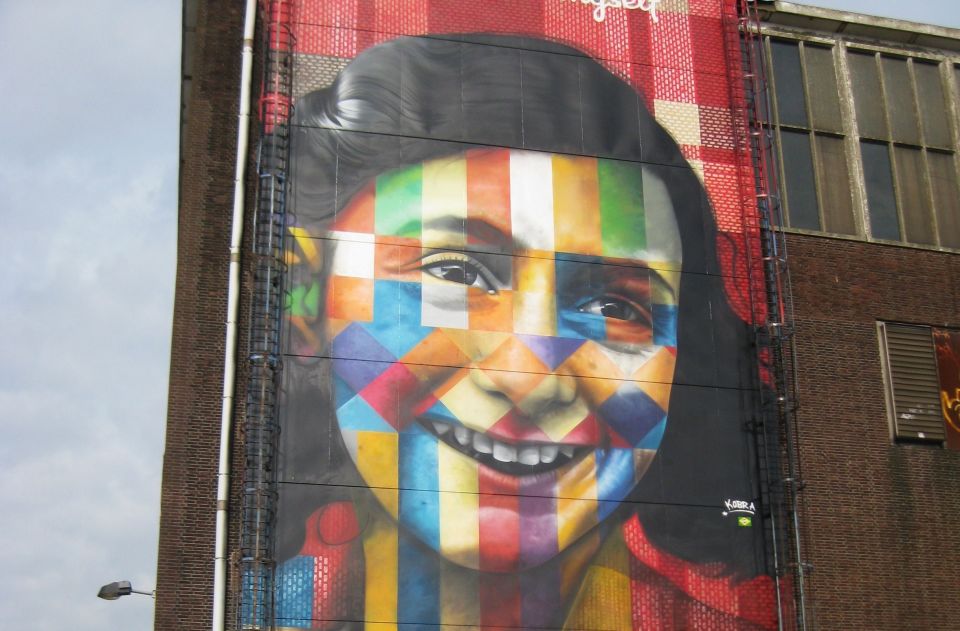
You’ll reach the Anne Frank House area as one of the final stops (about 10 minutes guided). Here’s the practical catch: the tour does not include entrance or tickets to the Anne Frank House.
So what do you actually get? You’ll get guided orientation and narrative context connected to Anne Frank, her family, the move from Germany, the time she spent hiding, and the role of her father after the war—especially how the diary was published afterward and became globally significant.
This setup can be a plus if you’re the type who prefers to experience the House on your own schedule. You’ll arrive with more background than you would otherwise, and you can decide later if you want to buy tickets for entrance.
If you specifically want the House interior as your main event, plan ahead: you’ll need a separate ticket outside of this walk.
Plantage district: why the tour doesn’t end too abruptly
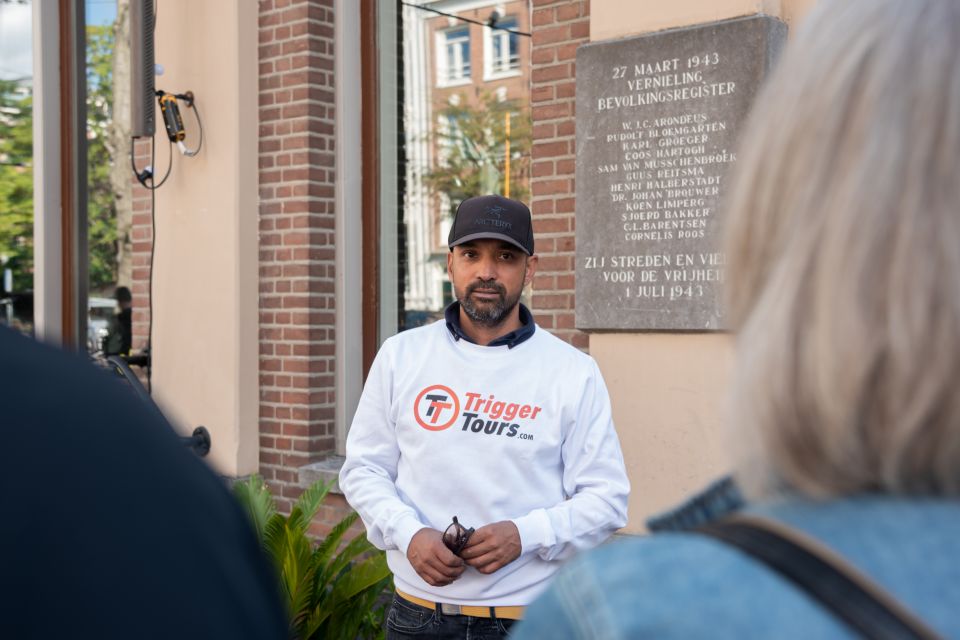
The Plantage district stop rounds out the experience (about 10 minutes guided). It gives you a final neighborhood sense of place—another slice of Amsterdam that helps the story feel rooted in the real city rather than floating only around famous names.
I like this ending style because it keeps you from leaving right after the most intense memorial moment. Instead, you get a small buffer of neighborhood context that helps you process what you learned.
It also helps if you’re trying to keep your overall day efficient. You finish with a better sense of where to wander next, rather than feeling dropped into the city with no direction.
Price and value: $21 for a story you can place in the city
At $21 per person for 2 hours, this tour sits in the “serious value” zone—especially because it includes a local guide and uses your walking time to connect multiple locations with one theme. You’re not paying for a long day of transit or for museum time that you might not use.
The main factor that changes your cost-to-value equation is the Anne Frank House entrance. Since that’s not included, your total spend depends on whether you also plan to book the House visit separately. If you do, budget for that. If you don’t, the walk still offers a meaningful foundation.
Where I see the best payoff: you get a guided narrative of WWII Amsterdam’s Jewish life, plus the Anne Frank story, plus a memorial stop—within a short time window. That’s hard to replicate well on your own in a single afternoon.
Who this tour suits best
This is a great fit if you want:
- A clear, guided WWII story tied to streets and landmarks (not just lecture-style history)
- A fast way to understand Amsterdam’s Jewish neighborhoods in context
- Something that works well for people who know nothing about Anne Frank, as well as those who want more detail
It’s also a good option if you like questions and discussion. Many guides for this topic are trained to handle questions with care, and the tour format is built around that kind of interaction.
Two notes to think about:
- The tour languages are English and Spanish, so it should work well for many visitors.
- Wheelchair information is internally inconsistent: the activity info says wheelchair accessible, but it also states not suitable for wheelchair users. If mobility is a concern, I’d check with the operator before booking.
A quick practical game plan before you book
- Wear comfortable shoes. You’ll be moving through narrow lanes and alleys.
- Bring curiosity. The guide’s strongest moments are when the story ties a place to a human experience.
- Decide early whether you want Anne Frank House entrance. If yes, plan for it separately; if not, treat this as your guided briefing that makes a later visit make more sense.
Should you book this Anne Frank walking tour?
If you’re trying to do Amsterdam thoughtfully in a limited time window, I’d book it—especially because the tour focuses on the Jewish neighborhoods and WWII context in a tight, guided loop. The emotional stop at the Auschwitz Monument feels like a meaningful finish rather than an afterthought.
Book it if:
- You want a 2-hour guide-led Anne Frank experience that connects the diary to the city
- You appreciate walking tours that show you where history sits in real streets
- You’d rather learn from a guide than piece together the story from multiple sources
Skip it or plan differently if:
- You mainly want the Anne Frank House interior experience and don’t want to handle separate ticketing
- Your mobility needs make walking a challenge, especially given the conflicting wheelchair notes
FAQ
How long is the Amsterdam: Anne Frank Walking Tour?
The tour duration is 2 hours.
How much does the tour cost?
The price is listed as $21 per person.
Where do I meet the guide?
The meeting point may vary depending on the option booked, and Waterlooplein is noted as a meeting location in the tour description.
What stops are included on the route?
The tour includes guided stops such as the Portuguese Synagogue, the Jewish Quarter, the Jewish Historical Museum, Waterlooplein, Nieuwmarkt en Lastage, the Auschwitz Monument, the Anne Frank House area, and Plantage.
Is entrance to the Anne Frank House included?
No. Entrance or tickets to the Anne Frank House are not included.
What languages are the guides available in?
Live tour guide languages are listed as English and Spanish.
Is the tour wheelchair accessible?
The activity info lists wheelchair accessibility, but it also notes the tour is not suitable for wheelchair users. You should confirm before booking.
What should I bring?
The tour advises bringing comfortable shoes.
Is there a free cancellation option?
Yes. Free cancellation is available up to 24 hours in advance for a full refund.
Are private or small groups available?
The tour offers private or small groups depending on the option selected.