REVIEW · HISTORICAL TOURS
Financial History Tour
Book on Viator →Operated by Historical Amsterdam Tours · Bookable on Viator
Follow the money and Amsterdam gets more interesting fast. This private Financial History Tour connects the city’s biggest landmarks to the big money ideas that shaped it, from exchange culture around the Dam to the stories hiding in archival walls. I like that it’s not just dates and dates—it turns financial concepts into places you can point at and understand.
Two things I especially like: first, the tour centers on real-world sites like Beurs van Berlage and the Stadsarchief Amsterdam, so you’re learning in the exact rooms where the story happened. Second, the guide Tijs de Boer brings clear local context and practical hints beyond the lecture part, which makes it easier to follow (and easier to spot good photo angles). One thing to consider: since it’s a focused walking tour (with moderate physical fitness needed), you’ll want comfortable shoes and you’ll likely be on your feet for most of the 2 hours 30 minutes.
In This Review
- Key highlights you’ll feel during the walk
- Why Amsterdam’s finance story is different (and more fun)
- Starting at Beurs van Berlage: where exchange became architecture
- The Stadsarchief Amsterdam stop: archives in a former bank setting
- From merchants to bubbles: making tulip mania make sense
- Hidden-gems energy: getting context without feeling trapped in one museum
- Tour pace, walking logistics, and where it ends
- Price and value: what $390.50 buys your group
- Who should book this Amsterdam financial history tour
- Practical booking tips (so you don’t trip on the small stuff)
- Should you book this tour?
- FAQ
- How long is the Financial History Tour in Amsterdam?
- What’s the meeting point for the tour?
- Where does the tour end?
- Is this tour private?
- What language is the tour offered in?
- How much does it cost?
- Do I need tickets or admission for the stops?
- What should my fitness level be?
- Is it close to public transportation?
- What is the cancellation policy?
Key highlights you’ll feel during the walk
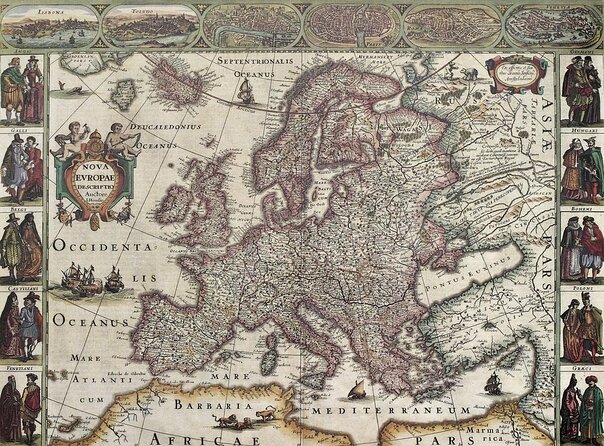
- Private and flexible: it’s only your group, so you can set the rhythm and ask questions without racing the clock
- Money-history at landmark scale: you start at Beurs van Berlage and end on the Rokin side of the Dam
- Archives inside a 1920s bank building: the Stadsarchief Amsterdam adds a physical sense of banking and storage
- Dutch tulip mania context: you get the bubble story tied to the Amsterdam floating flower market
- Photo-friendly stops: you’ll hit several iconic viewpoints as part of the route
Why Amsterdam’s finance story is different (and more fun)
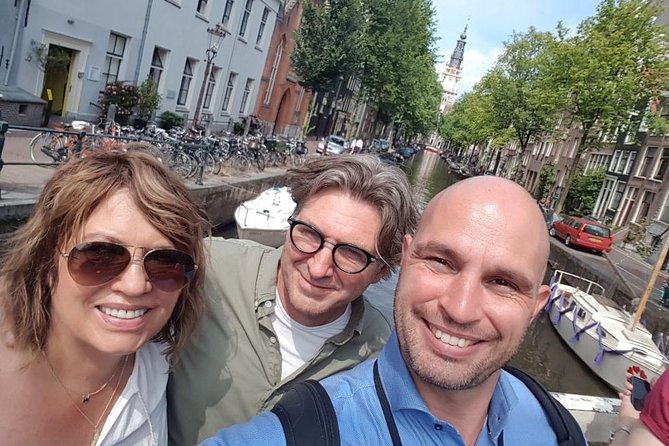
Amsterdam’s reputation for trade and banking can feel like a textbook topic until you connect it to the streets. This tour does that job quickly. You’re walking through the city’s financial brain area—around the Dam—and seeing how commerce turned into institutions, buildings, and habits.
If you like travel that explains cause-and-effect, you’ll enjoy how the guide frames money as culture. It’s not just about who was rich; it’s about how the system worked, how ideas spread, and how risk got priced. And because the pacing is private, you can ask follow-ups on what you care about—merchants, markets, bubbles, or how these stories show up in architecture.
There’s also a practical side: the route is planned so you can end up in a good location to keep exploring afterward. You finish on the other side of the Dam at Rokin, about 500 meters from where you started, which makes it easy to switch gears to museums, cafés, or canal walks without a long commute.
You can also read our reviews of more historical tours in Amsterdam



Starting at Beurs van Berlage: where exchange became architecture
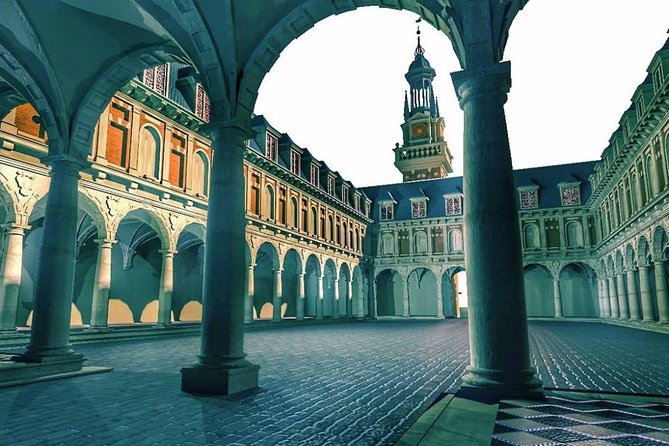
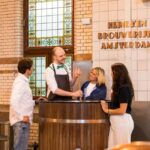
Your tour kicks off at Bistro Berlage, right by Beursplein. From there, you begin at Beurs van Berlage, a key exchange building that stands near the heart of Amsterdam’s older financial district. It’s a smart first stop because it sets the theme immediately: Amsterdam didn’t just trade goods—it built places to manage trust, exchange, and information.
Even if you only get about 10 minutes at the site, it’s the kind of orientation that sticks. The tour frames Beurs van Berlage as one of those buildings that tells you how people thought about money. You start to notice details you might otherwise overlook: how the structure presents stability, how the exchange idea becomes a public-facing space, and why being “near the Dam” mattered for the flow of business.
Good news for planning: admission for this stop is listed as free. That removes one small worry when you’re budgeting and deciding whether it’s worth stacking another paid activity on the same day. I also like starting early enough in the route so you’re fresh for the story, not tired halfway through.
The Stadsarchief Amsterdam stop: archives in a former bank setting
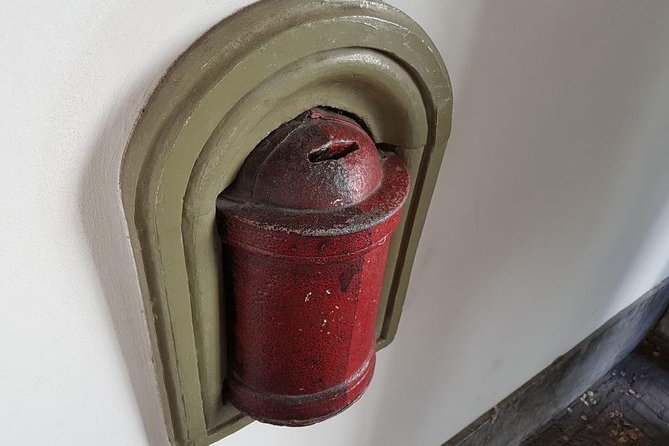
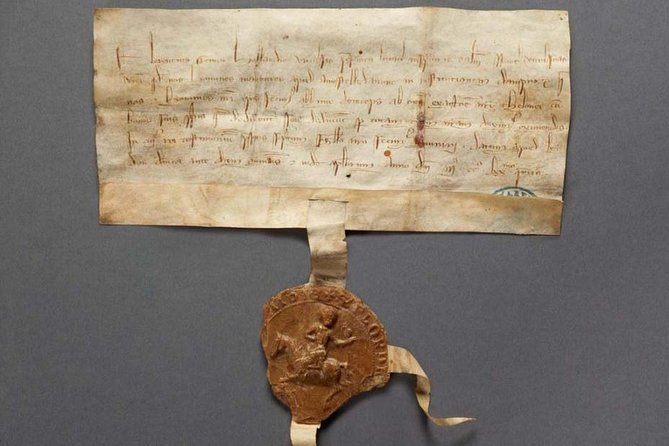
Next you move to Stadsarchief Amsterdam, the city archive. The tour turns to a very tangible theme here: who preserved financial records, and what those records reveal. It’s described as a place where the basement holds a treasury of the city’s archives, and that framing matters. Financial systems create documentation, and archives are where you see what mattered enough to keep.
The setting also adds extra texture. The tour mentions the idea of visiting the faults of a 1920s bank building, and then uses that atmosphere to explain what was stored and why. Even if you don’t go deep into building-history facts, the effect is clear: you get the sense that banking was a serious, organized world—with paperwork as a core tool.
This stop is also scheduled for about 10 minutes, with admission included. That’s a good value point because “included” matters more than you’d think. It removes friction at the door, and it means your time stays focused on the guide’s narrative instead of logistics.
If your interest leans toward how money is recorded and governed, you’ll likely appreciate this stop most. It connects finance to civic memory, and it hints at a major truth: the past isn’t just stored in old documents—it’s stored in systems that were built to function.
From merchants to bubbles: making tulip mania make sense
Some financial stories sound unbelievable until you place them in their real context. This tour gives you that bridge when it reaches the tulip bubble topic—Dutch Tulip Mania—and ties it to the Amsterdam floating flower market angle.
Instead of treating tulip mania like a weird footnote, the tour positions it as an early lesson in how bubbles can form. That’s valuable even if you’re not a finance nerd. You learn the mechanics of hype—how people talk, how expectations rise, and how markets can shift faster than common sense.
I like this part because it helps you read Amsterdam differently afterward. You might still see flowers and canals, sure—but you’ll also spot the bigger pattern: Amsterdam was a place where new economic ideas moved quickly. Merchants didn’t just sell goods; they helped spread confidence, and confidence can turn into risk.
There’s also an angle in the tour about the people behind the money—rich merchants and how they made it. Even though this segment isn’t timed separately in the information I have, the way the stops are described suggests the guide weaves it into the route as you move through the financial core. If you like understanding who benefited and how wealth worked on the ground, this portion should land well.
Hidden-gems energy: getting context without feeling trapped in one museum
A big reason I’d recommend this format is how it keeps you moving while still delivering depth. The tour promises “hidden gems,” and the structure supports that. You’re not stuck in one indoor venue for the whole 2.5 hours. You’re walking through the city’s financial landscape and getting small, meaningful cues along the way.
The route also includes chances for photos at iconic locations. That doesn’t mean it turns into a sightseeing bus stop parade. It means you’ll likely get a few intentional “stand here, look that way” moments where the story and the architecture line up. If you like travel photos that actually mean something, this helps.
Also: because it’s private, you can match your pace. If you’re the type who pauses to read details on a building plaque, you can do that. If you’re the type who wants to move quickly between stops, you can keep it brisk. The tour is described as flexible, which is a big deal when you’re traveling with people who have different interests.
One practical note: Amsterdam streets can be uneven, and weather can shift fast. Since moderate physical fitness is mentioned, I’d plan for normal city walking—comfortable shoes, water if it’s warm, and a light layer if it’s windy.




Tour pace, walking logistics, and where it ends
This is a 2 hours 30 minutes experience, listed as approximate. The itinerary gives two specific stops (each about 10 minutes), but the rest of the time is clearly used for guided narrative as you move through the city. So think of it as story-led walking more than “tour equals two door entries.”
Your start is Bistro Berlage, Beursplein 1, 1012 JW Amsterdam, and you end at Rokin 24HS, 1012 KS Amsterdam. The tour ends on the other side of the Dam and notes that it’s about 500 meters from the starting point. Translation: you’re not traveling across the whole city. You’re touring the core area, then finishing in a central spot.
It’s also described as near public transportation. That matters for two reasons. First, it makes it easier to arrive without stress. Second, it makes it easier to extend your day afterward—because Rokin and Dam-area connections are useful if you’re hopping to another neighborhood.
If you want a clean plan for the rest of your day, this works well as a mid-day or late morning activity. You’ll get context for the area, then you can decide what else to add based on what parts grabbed you most: exchange buildings, archives, or the tulip mania bubble story.
Price and value: what $390.50 buys your group
The price is listed as $390.50 per group (up to 10 people) for about 2.5 hours. That’s not a cheap “per person” number if you’re traveling solo, but the structure makes sense for a private experience.
Here’s the practical way to think about value:
- If you’re a small group (say, 2–4 people), you’ll pay more per person than a typical group walking tour, but you get a personalized pace and the chance to ask questions.
- If you’re a larger group up to 10, the per-person cost drops a lot because the price is per group.
Also, this tour includes admission for Stadsarchief Amsterdam and indicates free entry at Beurs van Berlage. Included admission isn’t just a money detail—it saves time and keeps you from scrambling at the start of a story segment. Add in the fact that it’s offered in English, with a mobile ticket, and the experience becomes easier to fit into real schedules.
Finally, the reviews show an unusually strong consensus: 100% recommendation and a 5.0 rating across 16 reviews. That doesn’t guarantee you’ll love it, but it does suggest the guide quality and the tour flow are consistently hitting the mark.
Who should book this Amsterdam financial history tour
This is a good fit if you:
- enjoy travel stories that connect buildings to how people lived and traded
- want a private format so you can ask questions without feeling rushed
- like learning about Dutch culture through economics—merchants, markets, bubbles, and institutions
It’s also a strong option for couples or small friend groups who want something different from the standard canal-and-museum mix. The topic is specific, but the approach is accessible. Even if finance jargon makes you yawn, the tulip mania and merchant framing helps keep it human.
If you’re someone who needs long museum time or lots of indoor exhibits, you might find the pace more walking than deep-gallery. The tour is structured for short, focused stops plus guided storytelling as you go.
Practical booking tips (so you don’t trip on the small stuff)
You’ll receive confirmation at booking time. The tour uses a mobile ticket, which is convenient because you don’t have to chase paper. It’s also listed as frequently booked—on average 28 days in advance—so if your dates are firm, I’d avoid waiting until the last week.
Finally, plan for moderate walking. The information calls for moderate physical fitness level, which usually means normal city walking rather than intense hiking. Still, it’s wise to wear shoes you trust on uneven pavement.
Should you book this tour?
I’d book it if you want Amsterdam context that goes past the obvious. This is one of the rare tours where the theme—finance—turns into something you can see in buildings and understand through clear stories, especially around the Dam area. Starting at Beurs van Berlage, then moving to the city archives, sets up a logical arc: exchange systems, stored records, and the market behavior that comes out of it.
The biggest reason to choose it is the guide quality, with Tijs de Boer specifically praised for insight and local hints. If you care about learning in a practical, grounded way, this tour is likely to feel worth the money.
If you hate walking tours in general or you’re looking for long, fully indoor museum time, you might feel less satisfied. For everyone else—curious minds, history lovers, small groups—this is a smart, efficient way to understand Amsterdam’s financial DNA.
FAQ
How long is the Financial History Tour in Amsterdam?
It lasts about 2 hours 30 minutes.
What’s the meeting point for the tour?
The tour starts at Bistro Berlage, Beursplein 1, 1012 JW Amsterdam, Netherlands.
Where does the tour end?
It ends at Rokin 24HS, 1012 KS Amsterdam, Netherlands, on the other side of the Dam, about 500 meters from the start.
Is this tour private?
Yes, it’s a private tour/activity, and only your group will participate.
What language is the tour offered in?
The tour is offered in English.
How much does it cost?
It’s $390.50 per group (up to 10 people).
Do I need tickets or admission for the stops?
You’ll have a mobile ticket. Admission for Beurs van Berlage is listed as free, and admission for Stadsarchief Amsterdam is listed as included.
What should my fitness level be?
The tour lists a moderate physical fitness level.
Is it close to public transportation?
Yes, it’s near public transportation.
What is the cancellation policy?
You can cancel for a full refund up to 24 hours before the experience starts. Cancellation less than 24 hours before start time isn’t refundable.