REVIEW · MUSEUMS
Amsterdam: ARTIS-Micropia Microbe Museum Entry Ticket
Book on GetYourGuide →Operated by ARTIS · Bookable on GetYourGuide
Microbes on your skin. Who knew? At ARTIS-Micropia, the invisible world turns concrete with microscopes, interactive exhibits, and real lab storytelling. You don’t just read about microbes, you track them through the museum—small enough to be everywhere, big enough to explain your health and nature.
I love the self-scanner that lets you discover microbes living on and inside you, and the way your results guide the rest of the visit. I also love the stamp trail, which keeps you moving and makes it feel like a proper mission, not a slow walk past glass cases.
One thing to consider: at $21 per person, it can feel pricey if you want a long exhibition. Plan for about 45 minutes to around 2 hours, and note the recommended age is 8+ (kids younger than that may need patience).
In This Review
- Key things to know before you go
- Micropia at ARTIS: what a microbe museum is actually like
- Arriving at Plantage Kerklaan and making a smooth day of it
- Your first mission: lockers, the body scan, and stamp-collecting
- Inside the exhibits: microscopes, living microbes, and the visible laboratory
- Lab talks in front of the Laboratorium: the best “schedule-based” part
- Micro Mission during spring break: what kids learn and why adults might like it too
- How long to plan (and who this fits best)
- Price and value: is a $21 ticket fair?
- Pairing options at ARTIS: Groote Museum and the Zoo
- Practical tips that make your visit easier
- Should you book Micropia tickets?
- FAQ
- Is ARTIS-Micropia the only microbe museum in the world?
- How long should I plan for my visit?
- Can children enter for free?
- What is the recommended age for Micropia?
- What are the opening hours?
- Is the museum wheelchair accessible?
Key things to know before you go
- World-famous concept: the world’s only microbe museum, in the middle of Amsterdam
- 10-minute walk factor: it’s close enough to fit into a normal city day
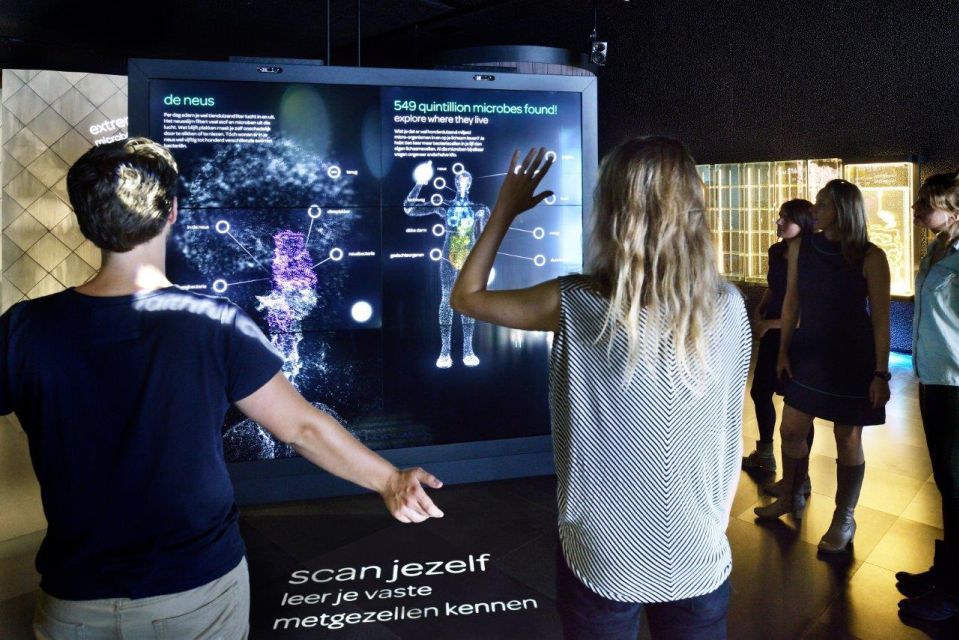
- Scan and find out: check microbes living on and inside your body
- Stamp collection: collect stamps as you go to guide your route
- Daily lab talks: talks happen in front of the Laboratorium
- Spring break bonus: the Micro Mission workshop is available daily during spring break
Micropia at ARTIS: what a microbe museum is actually like
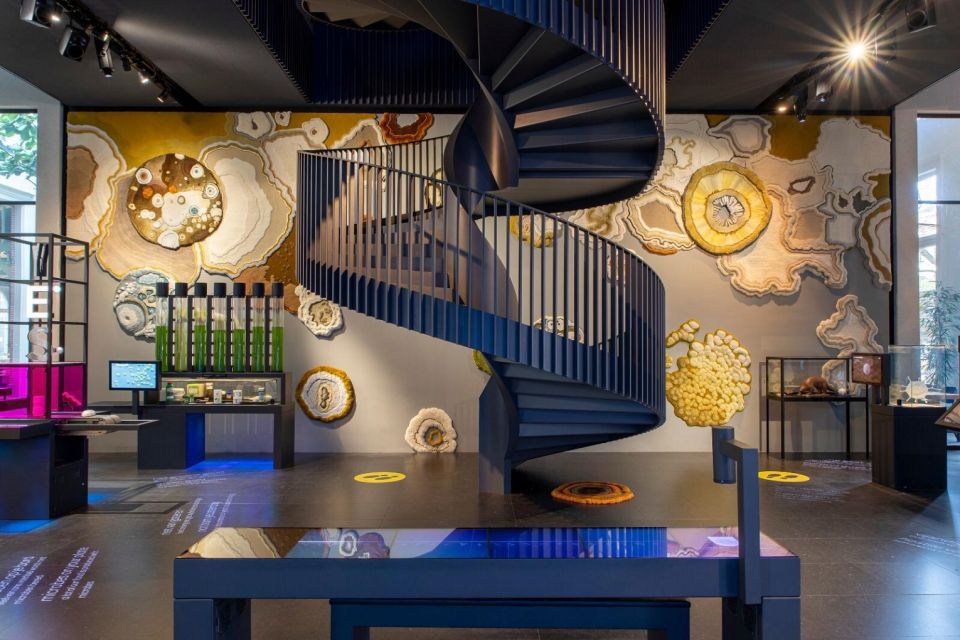
Micropia is built around one simple idea: microbes are everywhere—on your skin, in your gut, in the air, and all through nature. The museum doesn’t treat them like a scary side topic. It treats them like a main character.
What makes it fun is that you get both sides of the story. You’ll see scientific visuals (microscopes and displays), and you’ll also get explanations tied to everyday life—like how gut microbes help digest food. That mix is why it works for families and for adults who want real science, not just a poster wall.
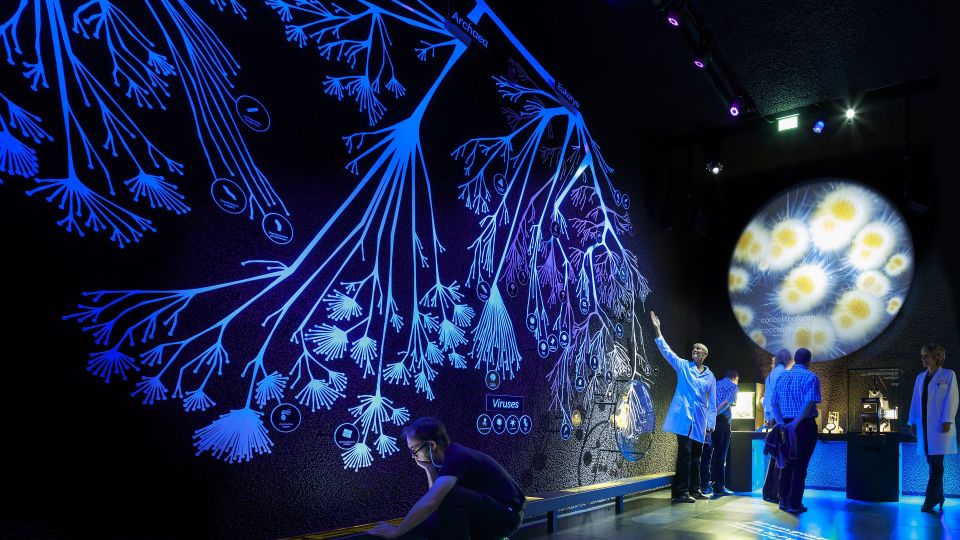
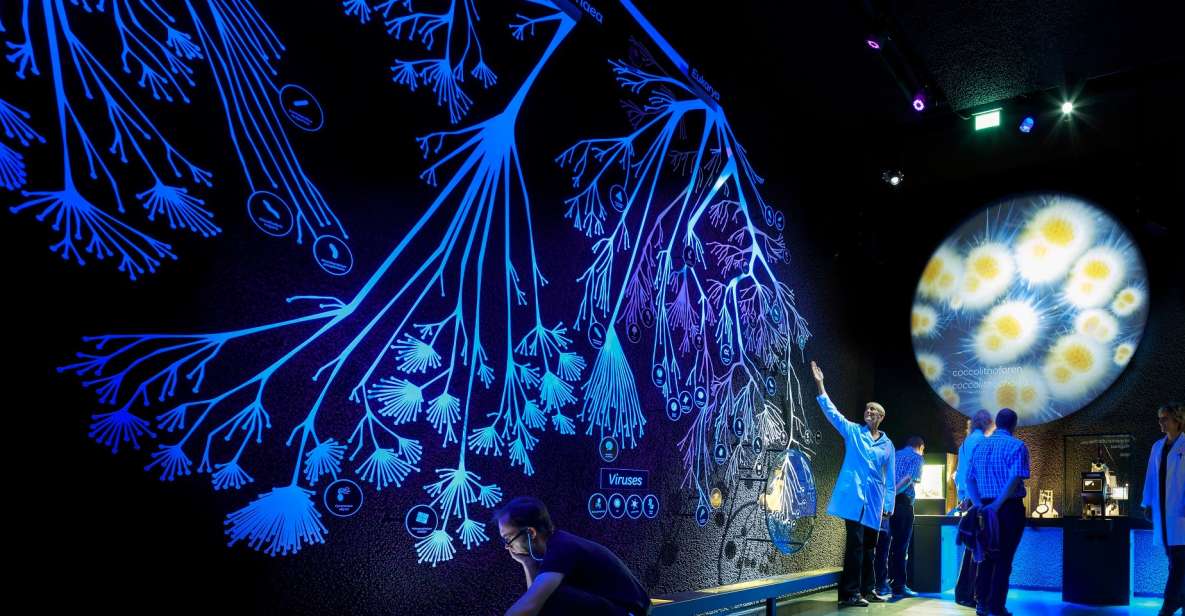
And yes, some of it feels a bit like a lab experience. You can see the laboratory setting as you move through. One review also singled out the visual sculptures of bacteria and viruses as unusually beautiful, which is a nice reminder that science can look great when it’s designed well.
You can also read our reviews of more tours and experiences in Amsterdam



Arriving at Plantage Kerklaan and making a smooth day of it
Micropia sits at Plantage Kerklaan 38-40, in the ARTIS area. It’s about a 10-minute walk from the city center, which matters in Amsterdam. When a museum is this walkable, you’re less likely to turn the day into a stressed transportation puzzle.
This neighborhood is also handy for waiting. Reviews mention cute cafes and a park right by ARTIS—so if your entry time is later, you can grab a sandwich, stretch your legs, and not feel trapped in a line.
If you’re planning your route, I’d treat Micropia as a focused stop, not a whole-day commitment. Even the people who went longer time-wise often framed it as a couple of hours worth of exploring. That makes it easy to pair with other ARTIS options (more on that later).
Your first mission: lockers, the body scan, and stamp-collecting
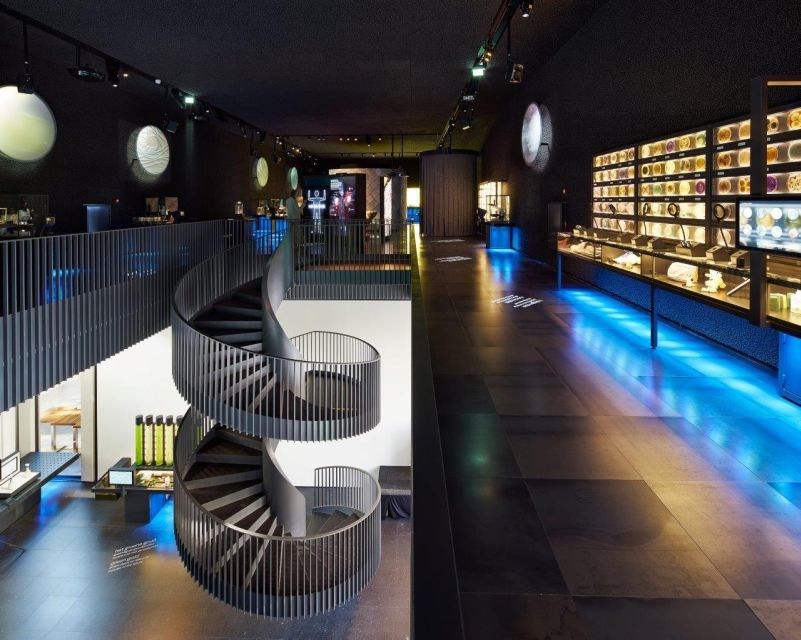
The museum’s flow nudges you into action right away. You’ll likely want to start by getting organized, and reviews mention free lockers to store bags and coats. That’s a smart detail in a museum like this, because you’ll move between stations and interactive pieces.
Then comes the star interaction: you scan yourself. The museum uses that scan to show you what microbes are present on and inside you. Reviews describe the results as sometimes alarming—which, honestly, is part of the point. You come in thinking you know microbes are important. You leave with the reminder that they’re personal.
After that, follow the museum’s pacing system: collect all microbe stamps throughout the museum. This is a quiet genius design choice. Stamps turn wandering into progress. You’re not constantly checking a map or guessing what you’ve missed. You just keep collecting and the museum leads you onward.
If you’re visiting with kids, this stamp idea is one of those rare features that feels like a game without turning the learning into nonsense. Reviews specifically call out how collecting stamps engaged both adults and children.
Inside the exhibits: microscopes, living microbes, and the visible laboratory
Once you’re scanning and stamping, the exhibits do what they’re supposed to do: they connect the tiny world to big systems.
Expect a mix of:
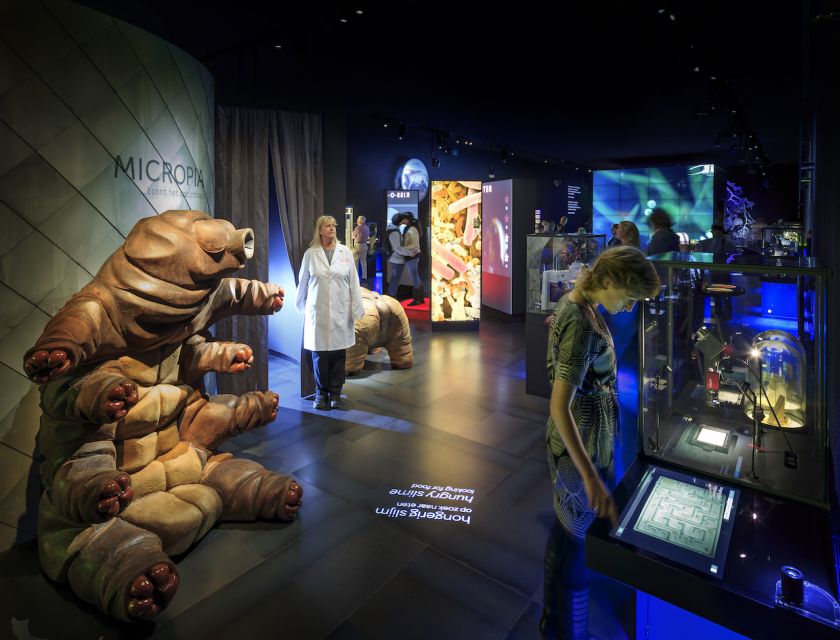
- interactive stations that help you “see” microbes through digital and microscope-style presentations
- living microbes and stories from lab technicians
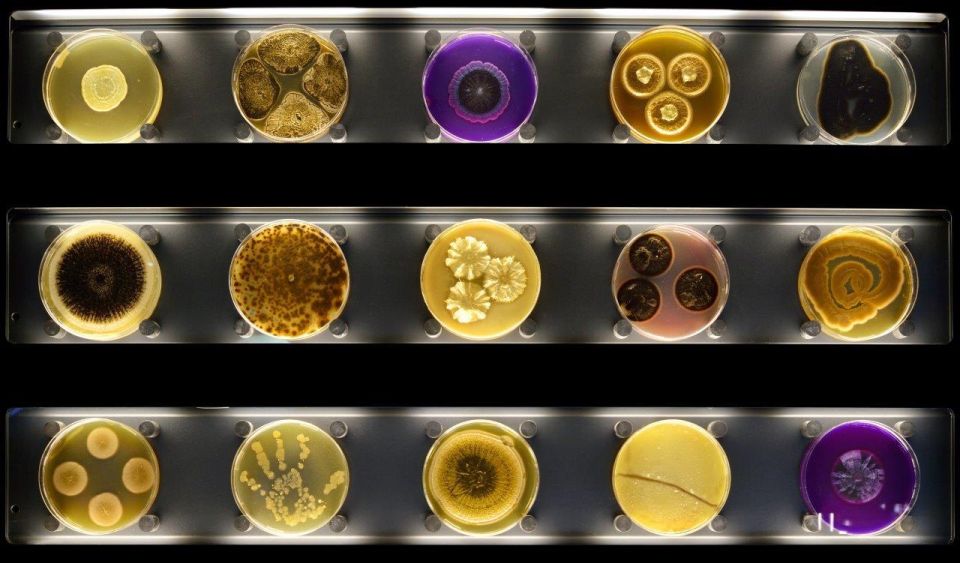
- growing moulds on plates (a favorite for people who like hands-on science visuals)
- sculptures of bacteria and viruses
- a sense that the museum isn’t just static; it’s tied to a real lab environment
One review highlighted the ant farm as a standout. Even if the ant farm isn’t your thing, the takeaway is clear: the museum uses classic science-meets-interaction formats, then applies them to microbes. That makes the subject feel tangible, not abstract.
A practical note: this kind of museum is easier when you read a little and slow down for the interactive moments. If you rush, you’ll still get the highlights, but you’ll miss the explanations that make everything click.
Lab talks in front of the Laboratorium: the best “schedule-based” part
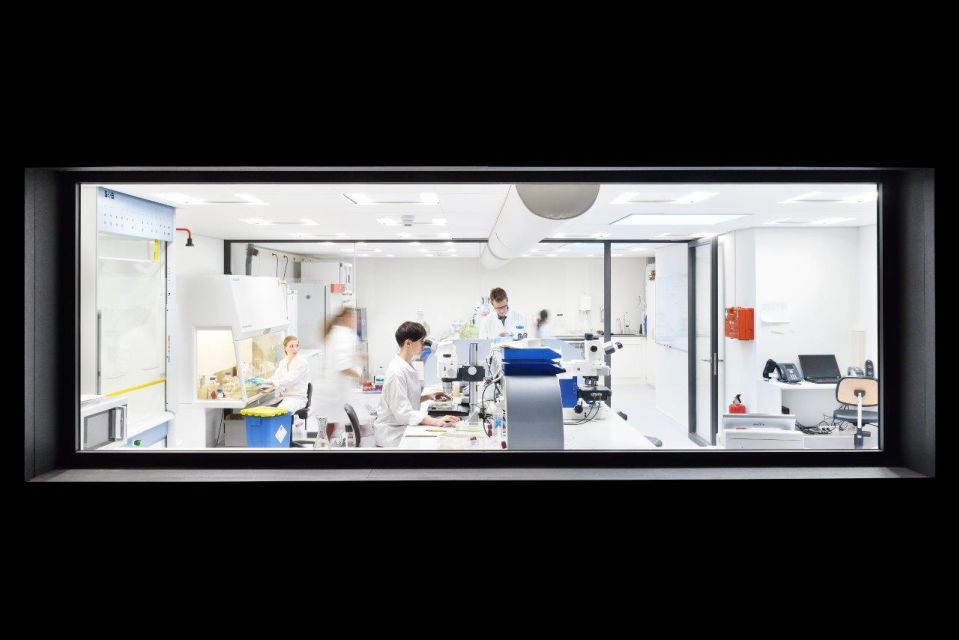
Micropia isn’t just self-guided. It also has daily lab talks in front of the Laboratorium. That’s a good reason to time your visit rather than just arrive whenever.
You don’t need to treat it like a performance, either. The talks are meant to translate the science and answer questions—exactly what you want when the museum is trying to explain invisible organisms in a way that makes sense.
If you’re traveling with children, this is also a good moment to reset attention. Shows and talks create a natural checkpoint, especially when kids start to wonder if microbes are going to get boring.
If you’re an adult who cares about biology (or just likes learning how systems work), lab-talk time is where you’ll often get the most useful context—like how microbes fit into balance in nature, not just human health.
You can also read our reviews of more museum experiences in Amsterdam






Micro Mission during spring break: what kids learn and why adults might like it too
During spring break, Micropia adds Micro Mission and a creative workshop. It’s available every day during spring break between 10:00 and 17:00, and you can collect it for free at the ticket desk.
The core idea is teamwork in nature: no species truly lives on its own. Young explorers discover how plants, animals, and microbes work together. If you have ever struggled to explain microbes to kids, this approach is built for that exact problem.
One example the program uses is the gut: microbes in your gut help you digest food. That’s a simple, believable connection to daily life—so kids can remember it later.
Even if you don’t need the workshop, it can make the day feel more structured. It also gives you an activity anchor if you’re visiting with younger kids who like doing something, not just looking.
How long to plan (and who this fits best)
The ticket is valid for one day, but your time on site will vary.
From real-world pacing clues in reviews:
- Some visits feel closer to 45 minutes when someone focuses on highlights.
- Many visitors land around nearly 2 hours when they read and interact at a comfortable pace.
I’d plan about 1 to 2 hours if you want both the major interactions (scan + stamping) and enough time to absorb the exhibit explanations.
Who it suits best:
- Families with kids old enough to engage with science (the museum recommends age 8 or older)
- Adult biology fans and microbiology-curious visitors
- Couples who like museums that have a hands-on element, not just a quiet walk
If you’re bringing very young children, you might still have fun, but go in with flexible expectations. The interaction and visuals help, but the recommended age suggests the learning is designed for older kids.
Price and value: is a $21 ticket fair?
Let’s talk money in plain terms. At $21 per person, Micropia isn’t the cheapest museum ticket in Amsterdam. If you’re expecting a massive, all-day building of galleries, it may feel short.
But here’s where the value calculation changes:
- The museum includes a unique interaction: the body scan.
- The stamp system turns the visit into an active experience.
- Reviews repeatedly describe the place as highly interesting and interactive, with many people spending close to two hours.
- Children enter for free up to age 12, which is a big deal if you’re traveling with a family.
So the value depends on your travel style. If you love hands-on science, this is one of those tickets that actually earns its price. If you only want passive exhibits and you hate interactive stations, it may feel expensive for the time.
Pairing options at ARTIS: Groote Museum and the Zoo
Micropia is a standalone ticket, but it sits inside the ARTIS ecosystem. That matters because you can turn a short visit into a bigger day without adding extra transit stress.
A combination ticket can include ARTIS-Groote Museum, where the connections between human, animal, plant, and microbe are explored. That pairing makes sense if you want Micropia to be step one, and then a broader systems view as step two.
There’s also ARTIS Zoo, and at least one review mentions getting a discount on the zoo afterwards when pairing. Even without assuming every discount works the same, the general logic holds: you can bounce from invisible life (microbes) to visible life (animals) in one afternoon.
If you’re short on time, my practical advice is simple: pick one extra ARTIS add-on. Two extras plus Micropia can turn into a rushed marathon.
Practical tips that make your visit easier
A few things will help you get more out of your ARTIS-Micropia time:
- Arrive with enough buffer. If you’re on a timed plan, you’ll feel better when you can have a coffee nearby and not sprint through Amsterdam streets.
- Don’t skip the science moments that feel slightly slower. The museum’s best value is the explanations tied to the interactive exhibits and the lab context.
- Let the stamp trail guide you. It’s not just for fun; it reduces the chance you miss stations.
- Check opening hours for your dates. Micropia is open daily from 10:00 to 17:00, with holiday hours listed for 24, 25, 26 December (9:00 to 17:00) and 31 December (9:00 to 16:00). On 1 January it’s 10:00 to 17:00. If you’re visiting around holidays, those hours matter.
One last heads-up: one review complained that the toilets were very dirty. That’s not enough to predict your experience, but if cleanliness is a dealbreaker for you, it’s worth knowing there is at least one recent complaint on that point.
Should you book Micropia tickets?
I think Micropia is an easy yes if you want something memorable that’s truly different from the usual Amsterdam museum mix. The scan + stamp design makes it feel active, not academic. And if you’re visiting with kids 8+ (or you just like interactive science), it’s one of the rare attractions that holds attention without turning into a gimmick.
I’d be more cautious if your travel style is mostly passive museum wandering, or if you’re trying to cram in too many activities in one day. In that case, the ticket might feel pricey for the time you’ll realistically spend.
If you’re choosing between Micropia and another ARTIS option, consider this: Micropia is about the invisible living world. If that idea appeals even a little, booking is a smart move.
FAQ
Is ARTIS-Micropia the only microbe museum in the world?
Yes. The museum is described as the world’s only microbe museum.
How long should I plan for my visit?
The ticket is valid for one day, and visits are typically around 45 minutes to about 2 hours depending on how much you read and interact with the stations.
Can children enter for free?
Yes. Children aged 0 to 12 can enter for free.
What is the recommended age for Micropia?
The recommended age is 8 years or older.
What are the opening hours?
Micropia is open daily from 10:00 to 17:00. Holiday hours are listed as 24–26 December (9:00 to 17:00), 31 December (9:00 to 16:00), and 1 January (10:00 to 17:00).
Is the museum wheelchair accessible?
Yes, it is wheelchair accessible.