REVIEW · WALKING TOURS
Private Amsterdam WW2 walking tour
Book on Viator →Operated by Trigger Tours · Bookable on Viator
A WW2 story in walking distance. This private Amsterdam WW2 walking tour strings together Jewish life, resistance, and deportation sites in about two hours, with a local guide handling the flow. I love how the route links big historical themes to real places like the Portuguese Synagogue and the Holocaust memorials, and I like the personalized pace of a tour just for your party. The main thing to consider is that the tone is heavy, and the stop at Anne Frank House requires separate planning since admission isn’t included.
You’ll start in central Amsterdam near Amstel, then spend your time mostly on short walks and focused explanations. It’s the kind of tour where you leave with clearer connections instead of a pile of disconnected landmarks, which is exactly what you want when time is tight. Just keep in mind that with a private guide, the experience can vary a lot depending on who’s leading.
In This Review
- Key things to know before you go
- Why this private WW2 walk feels different than a normal sightseeing loop
- Start at Amstel 51C and get oriented fast
- Portuguese Synagogue: Jewish community roots in the Dutch Golden Age
- Auschwitz Monument: deportation explained where the message matters
- Verzetsmuseum Amsterdam: how resistance fit into daily survival
- Hollandsche Schouwburg: the deportation-camp connection in Amsterdam
- De Plantage and the surrounding history: pause on place, not just dates
- Spinoza Monument: philosophy and Jewish identity, in public space
- Dam Square and the Royal Palace: history in the center of everything
- Anne Frank House: the one stop that needs separate tickets
- What the guides really change: respect, tone, and pacing
- Price and value: is $126.31 pp worth it?
- Who this tour suits best
- Quick practical tips so your feet and heart cooperate
- Should you book this private Amsterdam WW2 walking tour?
- FAQ
- How long is the private Amsterdam WW2 walking tour?
- Is this tour private?
- What languages is the tour offered in?
- How much does it cost?
- Where do we meet, and where does the tour end?
- Are admissions included for all stops?
- Is food or drinks included?
- Are service animals allowed?
- Is it close to public transportation?
- What is the cancellation policy?
Key things to know before you go
- Private for your group: you won’t get blended into a big crowd, so questions and pacing are easier.
- A tight, story-driven route: synagogue life, then deportation sites, then resistance and the Anne Frank connection.
- Mostly free stops: several major memorial-related stops are listed with free admission, but not Anne Frank House.
- Service animals welcome: if you need one, this format allows it.
- English mobile-friendly ticket: you’ll receive a confirmation at booking and use a mobile ticket.
Why this private WW2 walk feels different than a normal sightseeing loop
Amsterdam can be deceptively beautiful while teaching you something brutal. This tour leans into that contrast in a practical way: you don’t just look at plaques, you get a guided thread through the places that mattered to Amsterdam’s Jewish community during the Nazi occupation era.
The private format is the real advantage. With only your group, the guide can adjust to how much detail you want, how long you linger at emotionally heavy spots, and whether you need a breather before moving on. And since the itinerary is short and concentrated, you don’t waste half your time figuring out logistics or playing catch-up.
It also packs a lot into two hours without turning into a race. You’ll have multiple short stops, each with a specific focus, so you’re not stuck listening to one long monologue while your feet protest.
You can also read our reviews of more walking tours in Amsterdam


Start at Amstel 51C and get oriented fast
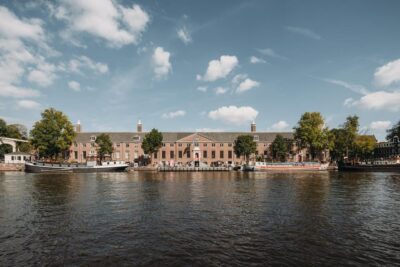
The meeting point is Amstel 51C, 1018 EJ Amsterdam. That’s a central spot, and the tour also notes it’s near public transportation, which helps if you’re arriving from elsewhere in the city.
Why this matters: when your tour starts in a good location, you waste less time in transit and more time learning what you came for. And because it ends back at the meeting point, you don’t need to worry about your route changing at the end of the walk.
The duration is listed as about two hours, and with short stops along the way, that time feels realistic rather than overwhelming. Plan for steady walking, but it’s not a long trek.
Portuguese Synagogue: Jewish community roots in the Dutch Golden Age
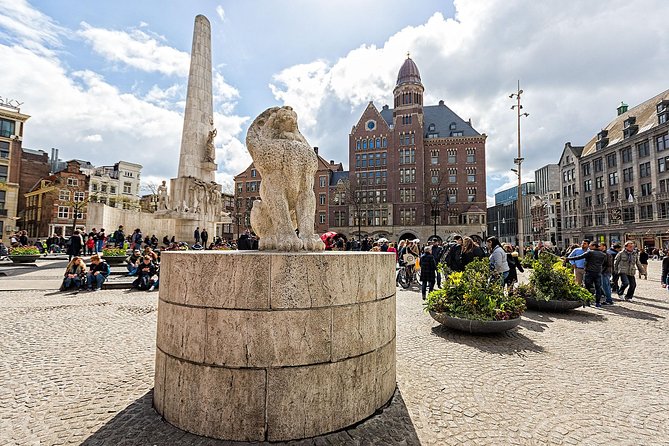
Your first major stop is the Portuguese Synagogue. This is where the story begins before the occupation era. You’ll hear about the history of the Jewish community of Amsterdam, especially the Sephardic community, described as one of the largest and richest in Europe during the Dutch Golden Age. The synagogue’s size and importance are presented as part of that historical success and visibility.
This opening stop works because it changes your mental picture. Instead of starting with tragedy, you start with a community that had structure, status, and cultural influence. That context makes the later deportation and resistance themes hit harder.
The stop lists free admission, and since it’s an active place of worship as well as a tourist attraction, your guide’s framing is key for keeping the tone respectful.
Auschwitz Monument: deportation explained where the message matters
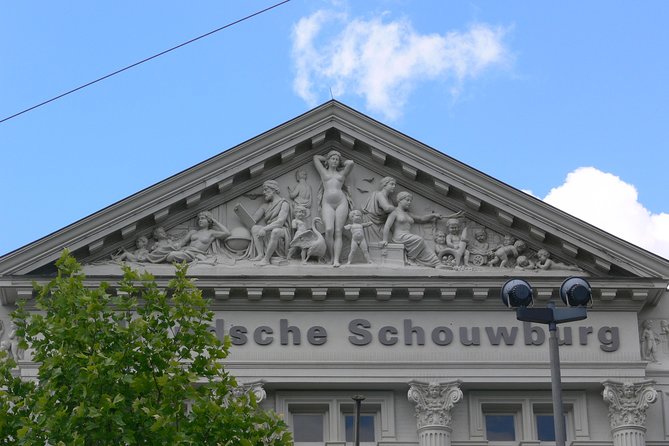
Next you’ll visit the Auschwitz Monument. Here the focus is on the Jewish deportation—what happened, and why this memory has been preserved in Amsterdam.
This is one of those stops where you don’t want to rush. Even though the time at each stop is short on paper, the emotional weight asks for pauses. The tour’s strength is that the guide doesn’t treat it like a checkbox; the monument is part of the sequence connecting life, then persecution, then forced removal.
The stop also lists free admission, which is a nice practical bonus. You can put your money into the parts that are not free, like your own ticket for Anne Frank House.
Verzetsmuseum Amsterdam: how resistance fit into daily survival
After the deportation stop, you head to Verzetsmuseum Amsterdam. This is where the tour shifts to resistance of the Jewish community.
That turn is important. WW2 stories can get stuck on suffering alone, but resistance changes the narrative from victim-only to people with choices, courage, and strategies under extreme pressure. The guide’s job here is to make resistance understandable, not glorified—focused on the reality of survival and how communities responded.
This stop is also listed as free admission, so you get this big historical theme without paying extra on the spot.
You can also read our reviews of more private tours in Amsterdam




Hollandsche Schouwburg: the deportation-camp connection in Amsterdam
Your next stop is Hollandsche Schouwburg. The focus is the deportation camps.
This site is a reminder that the Nazi machinery wasn’t only about distant concentration camps. Amsterdam played a role in the steps leading to deportation. Having it on your route after the resistance museum helps everything feel connected rather than like separate museum stops.
Again, the time on the ground is short, so the guide’s explanations matter. If you’re the type who likes to ask questions, a private tour is where you’ll get the most out of moments like this.
De Plantage and the surrounding history: pause on place, not just dates
Then you move into De Plantage. Here you’re not only hearing about events; you’re also shown the beautiful area and history of the Plantage area.
This stop is valuable because it gives you a break from the hardest parts while still staying in the historical frame. It’s a change of pace: less monument reading, more “here’s what this neighborhood was like” and how place shapes memory.
The stop lists free admission, and it’s the kind of segment where you’ll appreciate a guide who can connect what you see outside to what you heard inside.
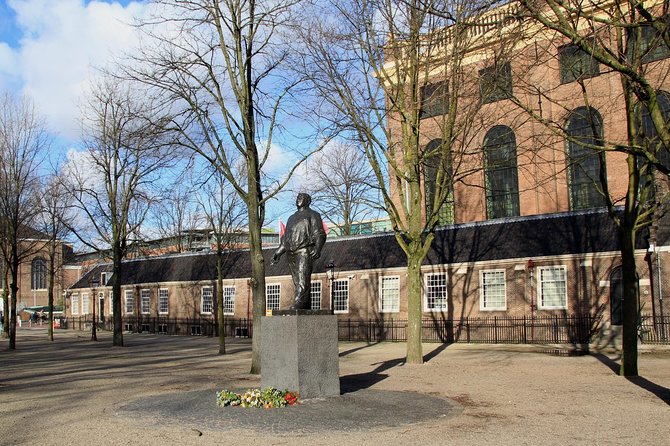
Spinoza Monument: philosophy and Jewish identity, in public space
Next is the Spinoza Monument. This stop focuses on Spinoza and what the monument represents in terms of Jewish identity and cultural legacy.
It’s a thoughtful contrast: you’ve been learning about forced removal and resistance, and now you’re reminded that Jewish life in Amsterdam extended into public intellectual history as well. Your guide’s framing should help you understand why a simple monument can carry big meaning for a city’s memory.
This stop is also listed with free admission.
Dam Square and the Royal Palace: history in the center of everything
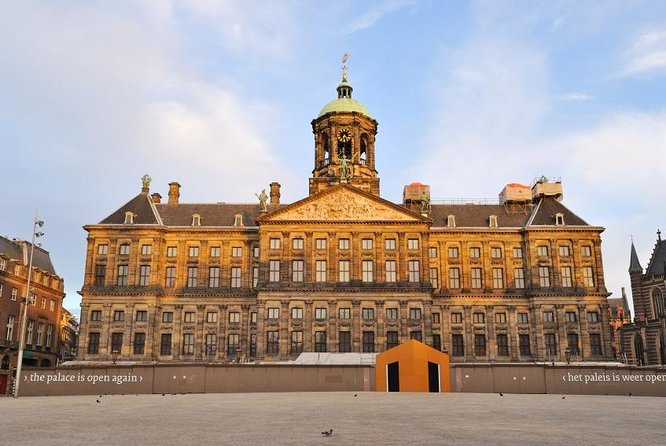
After the Jewish-history-focused part of the walk, you end with classic Amsterdam center-stage landmarks: Dam Square and the Royal Palace Amsterdam.
You’ll explore Dam Square for about 10 minutes and then the Royal Palace for about 5 minutes. This portion works best if you listen for how your guide connects national story and city story. Even if these are famous spots, the value here is the contrast: from monuments of memory to the symbols of Dutch public life.
The tour lists free admission for these stops as well. If you like tying big national landmarks to the smaller human story you’ve just been hearing, this ending will feel satisfying instead of abrupt.
Anne Frank House: the one stop that needs separate tickets
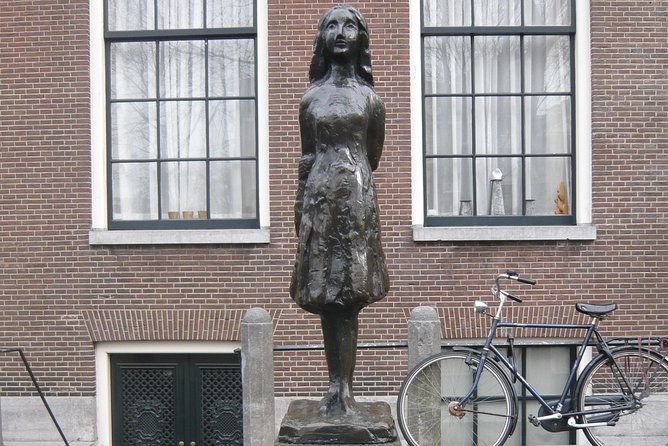
The last stop is Anne Frank House, with the guide telling you more about the Anne Frank story. The tour notes that the admission ticket is not included.
So here’s the practical call: arrive ready to handle the Anne Frank House part separately if you want to do more than look and listen from the outside. Since the tour includes the story-sharing stop but not the admission, you may want to plan your timing so you don’t end up with an extra step that throws off your afternoon.
This is also emotionally intense. If you prefer lighter topics right after, consider building in time before or after your Anne Frank House segment so you can reset.
What the guides really change: respect, tone, and pacing
The quality of a private tour depends heavily on the guide. In the past, this route has been led by guides with very different styles, including Aaron, James, Stan, and Masha.
That matters because you’re dealing with subjects where tone is everything. A good guide keeps the pace humane, explains without minimizing, and makes room for questions. Even when the content is tough, you should feel cared for, not rushed or judged.
If you can, confirm your guide name before you lock in your day. And if you have questions about how they handle sensitive topics, ask directly. A private tour is supposed to feel like support, not like an oral exam.
Price and value: is $126.31 pp worth it?
At $126.31 per person for an approximately two-hour private walk, this is not a cheap activity. But value isn’t just price—it’s what you get per hour and how much of the learning is guided rather than self-directed.
Here’s why it can be worth it:
- You get a local guide guiding a full WW2 Jewish-history storyline instead of random landmarks.
- Several major stops are listed with free admission, so you’re not constantly paying entry fees.
- The private setup helps you get answers instead of just listening to a group.
The biggest value factor is how engaged you want to be. If you love context and want your questions answered, you’ll use those two hours well. If you mainly want scenery and don’t care much about interpretation, the price might feel steep.
Who this tour suits best
This is ideal if you:
- Want a focused WW2 and Jewish history walk without juggling tickets for most stops.
- Prefer private pacing and questions over group crowds.
- Like city walking tours that tie together places into one narrative.
It’s also a good choice for visitors who feel overwhelmed by Amsterdam history. The route gives you clear signposts: start with community roots, move through deportation and resistance, then end at central landmarks and the Anne Frank story.
Quick practical tips so your feet and heart cooperate
- Wear shoes you trust for steady walking. Even with short stops, you’ll still rack up time on your feet.
- Bring a layer. Amsterdam weather can change quickly, and you’ll be outside for most of the tour.
- If Anne Frank House matters a lot to you, plan your separate ticket ahead of time so you’re not stressed at the end.
Should you book this private Amsterdam WW2 walking tour?
I’d book it if you want a guided, structured WW2 storyline tied to real Amsterdam sites, with a private format that keeps the experience personal. The mix of synagogue context, deportation memorials, resistance, and ending at Dam Square gives you both depth and a logical finish.
I would pause before booking if you know you need a very specific guide style or you want Anne Frank House fully handled end-to-end. Since admission there isn’t included, you’ll want to line up your own plan for that piece.
If you do book, choose a day when you have a little breathing room afterward. This is history that deserves time, not just a quick walk-by.
FAQ
How long is the private Amsterdam WW2 walking tour?
It’s listed as approximately 2 hours.
Is this tour private?
Yes. It’s a private tour/activity, and only your group participates.
What languages is the tour offered in?
The tour is offered in English.
How much does it cost?
The price is listed as $126.31 per person.
Where do we meet, and where does the tour end?
The meeting point is Amstel 51C, 1018 EJ Amsterdam, Netherlands. The tour ends back at the meeting point.
Are admissions included for all stops?
Most stops are listed as free admission. Admission for Anne Frank House is not included.
Is food or drinks included?
No. Food and drinks are not included.
Are service animals allowed?
Yes, service animals are allowed.
Is it close to public transportation?
The tour notes it’s near public transportation.
What is the cancellation policy?
You can cancel for a full refund up to 24 hours before the experience starts.