
Amsterdam hides stories in plain sight.
This private walking tour is built for people who want more than the usual walking-loop, with a local guide translating what you’re seeing as you move through Old Town, the Red Light District, and the Jordaan. I like the focus on culture and architecture, and I like that you get context for big landmarks instead of just names. One thing to consider: the route can include several churches and some parts may feel more major-sights than you expect.
You’ll pass by standout Amsterdam scenes like the Dam Square palace (originally built as the city hall), the Nieuwe Kerk, and the former main post office, while learning how the canal district and the Dutch Royal Family fit into the story. Along the way, you’ll also go through areas such as the Noordermarkt, Westertoren, Anne Frank’s House, and Westerstraat, so you’re not stuck only on the most famous corners.
In This Review
- Key highlights that matter
- Private Hidden Gems Discovery Tour in Amsterdam: What You’re Really Buying for $35
- The 2-Hour Walk: How the Route Fits Together Without Feeling Rushed
- Dam Square and the Palace: The Start That Sets the Tone
- Nieuwe Kerk and the Nearby Stops: Churches as Story, Not Just Buildings
- Anne Frank’s House and Westerstraat: Staying Respectful While Learning Fast
- Noordermarkt and the Canal District Logic: What Makes Amsterdam Work
- Westertoren and Courtyards: The Quiet Details You’d Miss Alone
- The Red Light District: How to Walk Through It Without Getting Wrong-Footed
- Local Guide Impact: What People Seem to Get Right
- Price and Value: Is $35 Worth It for Two Hours?
- Who This Tour Fits Best
- Quick Tips to Get More From the Walk
- Should You Book This Tour?
- FAQ
- Is this a private tour?
- How long is the Amsterdam walking tour?
- What does the tour cost?
- What’s included in the price?
- Are food and drinks included?
- Where does the tour go?
- What is the language of the guide?
- Does the meeting point stay the same?
- Can I cancel for a refund?
Key highlights that matter
- Local POV throughout: you’re not just shown sights; you’re taught how to read the city
- Dam Square to Jordaan flow: key icons plus quieter streets in one compact walk
- Canal district origins explained: you get the logic behind Amsterdam’s layout
- Architecture spotting time: church towers, courtyards, and city buildings get your attention
- Flexible guide style: examples include guides like Peter, Andrea, and David keeping things tailored and question-friendly
Private Hidden Gems Discovery Tour in Amsterdam: What You’re Really Buying for $35
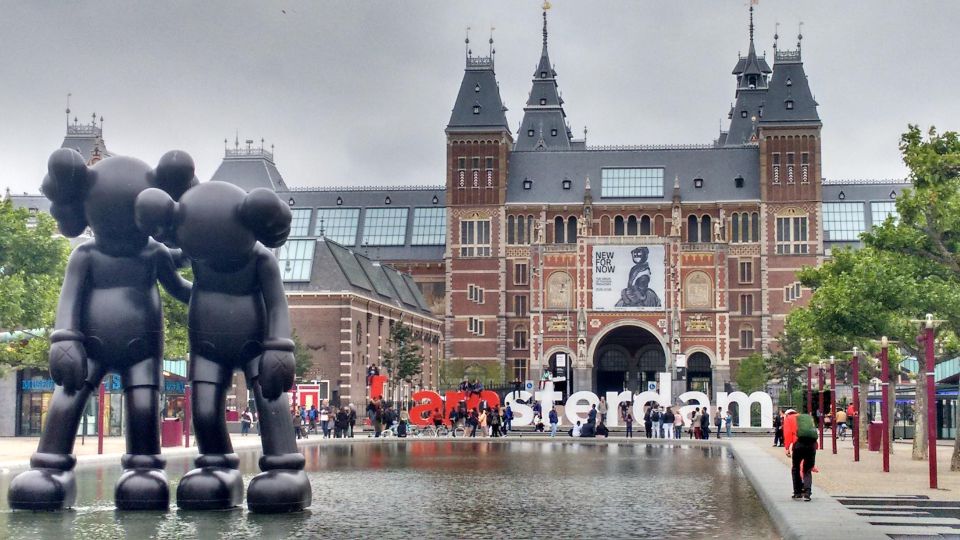
At $35 per person for a 2-hour private walking tour, what you’re really paying for is translation. Amsterdam can look like a postcard even when you’ve just started walking—until someone points out why a canal bends, why a street feels the way it does, or what a building’s original purpose was. That’s the value here: someone helps you see details you’d likely miss on your own.
And because it’s private, the pace can be calmer and more conversational. You can ask questions as you go. That matters in Amsterdam, where the city rewards curiosity—especially in the older neighborhoods where the layout still tells you how people used to live and move around.
The main trade-off is that a “lesser-known” emphasis depends on your guide and your interests. If you’re hoping for lots of tiny, off-the-map stops every few minutes, be aware the tour also covers major landmarks, including church buildings.
You can also read our reviews of more private tours in Amsterdam



The 2-Hour Walk: How the Route Fits Together Without Feeling Rushed
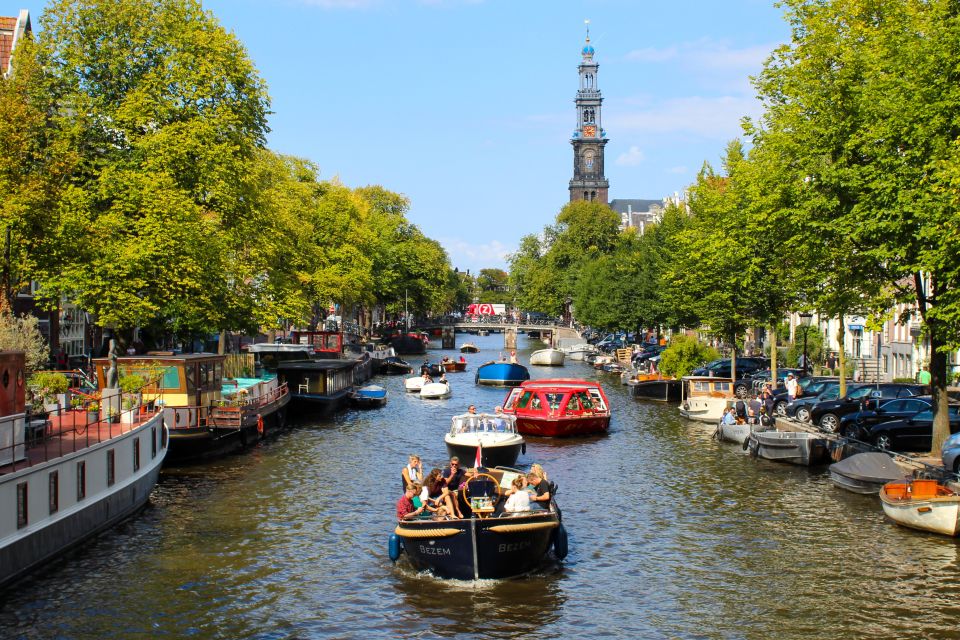
Two hours is short enough that you’ll move steadily, but long enough that you shouldn’t spend the whole time just orienting yourself. This tour runs through the historic center and connects three broad areas: Old Town, the Red Light District, and the Jordaan. That trio is a big part of the point—Amsterdam isn’t one single vibe, and walking across those zones helps you feel the shift in tone.
A practical way to think about it: you’re getting a “guided course correction.” You’ll see familiar landmarks, but you’ll also get direction on what’s meaningful, what’s symbolic, and what’s just scenery. That makes your later self-guided wandering more efficient.
Also, timing expectations matter. One reviewer felt the schedule ran shorter than expected and that the walk included many churches. So if churches aren’t your thing, I’d go in with an open mind—or ask your guide early what the balance will feel like.
Dam Square and the Palace: The Start That Sets the Tone
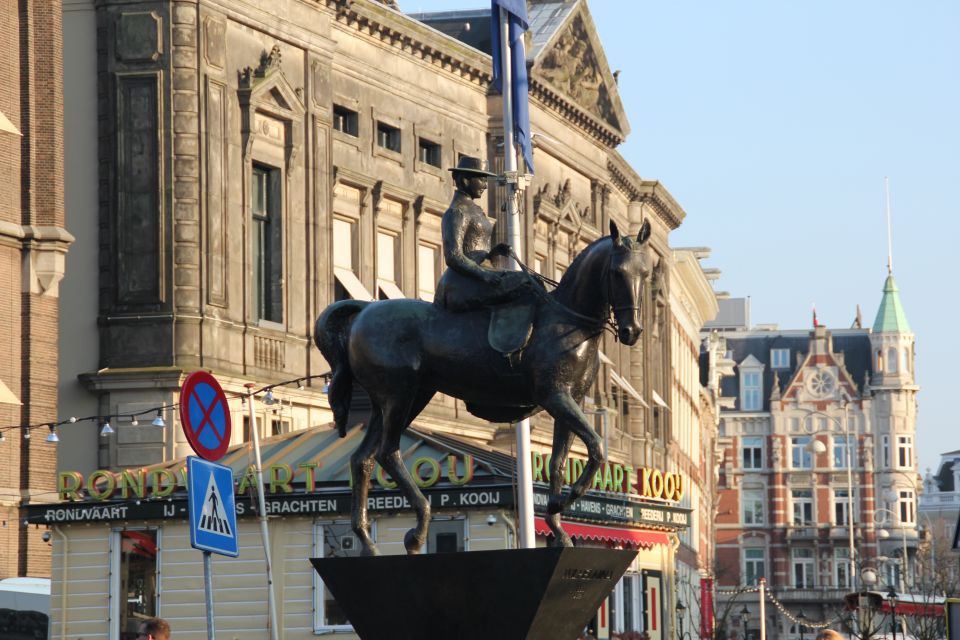
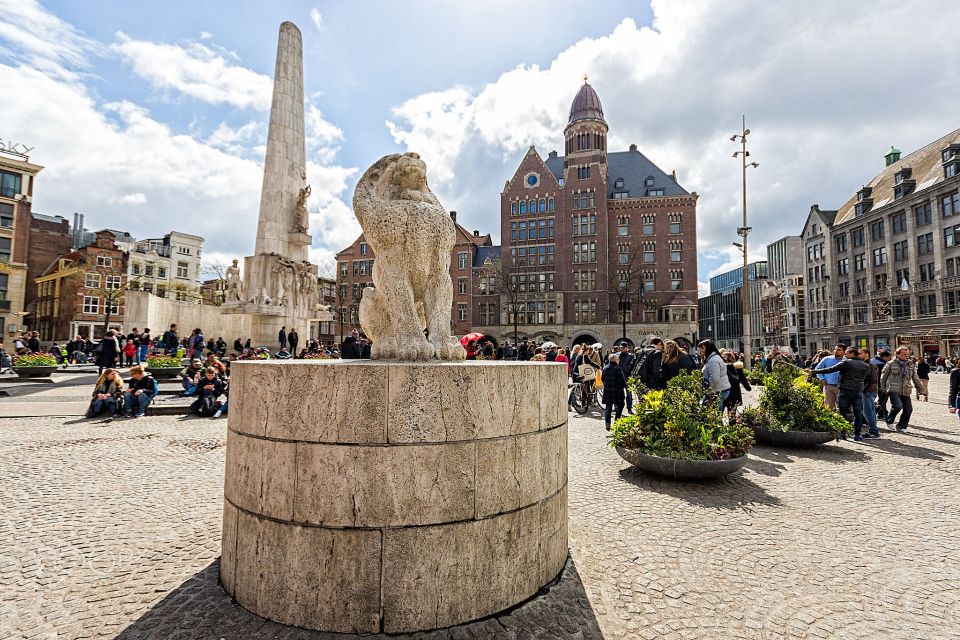
Dam Square is where Amsterdam’s story becomes official business. You’ll see the palace on the square, and you’ll hear how it was originally built as the city hall. That detail is easy to miss if you only treat the square as a photo stop.
Why it’s worth including in a “hidden” tour plan: Dam Square isn’t just a centerpiece. It’s a snapshot of how civic power shaped the city. When you know that the building started as city hall, the square stops feeling like a random traffic hub and starts feeling like a historical stage.
From here, the tour keeps moving into the core landmarks so you can connect civic life, religious architecture, and the wider urban plan of the canal district.
Nieuwe Kerk and the Nearby Stops: Churches as Story, Not Just Buildings
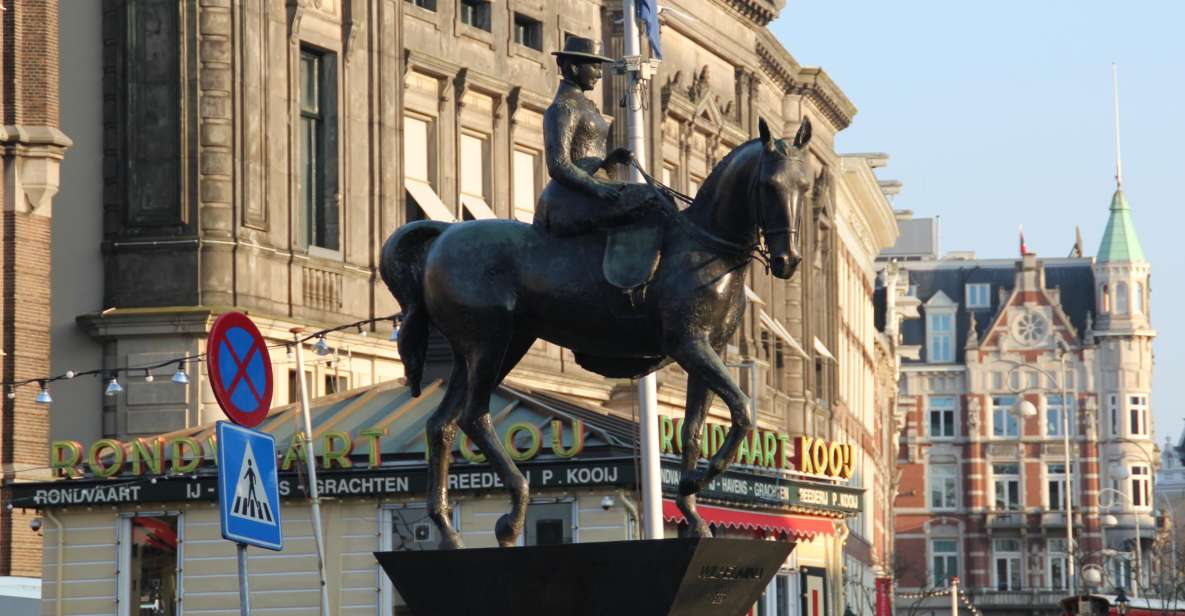
You’ll visit the Nieuwe Kerk and pass the former main post office. Those two stops work well because they anchor the walk in places that reflect major social functions—religion, communication, and public life.
Church stops can be hit-or-miss for some people, and you should know that’s part of the experience. One point that comes up in feedback is that the walking route may feel church-heavy. If you love architecture and symbolic details, this can be a strong section. If you’d rather focus more on streets and courtyards, you might want to lean on questions during the walk: ask what role each church played in the city’s life, and how its placement fits the neighborhood.
That question-and-answer style is exactly where a good guide shines. Guides like Andrea and David have been noted for being personable and for making the tour more interactive through questions.
Anne Frank’s House and Westerstraat: Staying Respectful While Learning Fast
You’ll pass by Anne Frank’s House and also areas like Westerstraat and Westerkerk’s neighborhood area via the larger route. You don’t need to treat it like a checklist. When a guide explains what you’re seeing, it helps you approach the site with the right tone—focused and respectful—rather than rushing for a landmark photo.
This section also matters because it gives you a better sense of how Amsterdam’s neighborhoods sit next to historic memory. The city isn’t arranged into separate “museums” and “everyday streets.” The everyday is part of the story.
If you want to get the most out of these passes, use the guide’s explanations to connect dots: how the local streets relate to canal growth, how the community shaped itself over time, and why certain areas became prominent.






Noordermarkt and the Canal District Logic: What Makes Amsterdam Work
The tour includes Noordermarkt, and it also aims to explain the origins of the canal district. This is one of the most useful parts of any walking tour in Amsterdam because it turns the canal map into something you can understand.
Without context, canals feel like decoration. With context, canals become infrastructure—about trade, housing, and city planning decisions that shaped daily life. When your guide ties the canal district origins to the way Amsterdam grew, your future walks become easier. You start reading the city like a system instead of a maze.
If you love architecture, this is also a strong area for spotting patterns: street widths, how buildings face the water, and how open spaces get placed in a dense city. And if you enjoy local culture, a market area like Noordermarkt helps you see that Amsterdam isn’t only old stone and famous names.
Westertoren and Courtyards: The Quiet Details You’d Miss Alone
You’ll pass Westertoren, along with other sights described as courtyards and beautiful viewpoints you might not find without local knowledge. This is where a tour earns its “private” advantage. In a busy city, it’s hard to pause and really look when you’re trying to keep yourself on track.
Courtyards matter in Amsterdam because they show how private life happened inside a public street grid. Even a short look can change how you understand the city—how people carved out calm from density.
So if you want the most out of this section, slow down. Let your guide point, then take a minute to look around on your own. Amsterdam rewards that habit.
The Red Light District: How to Walk Through It Without Getting Wrong-Footed
You’ll travel past the Red Light District as part of the historic-center route. This can feel uncomfortable for some people, and that’s normal. The key is not to treat it as shock value. A good guide helps you understand what the neighborhood represents in the city’s history and how it functions today.
This is also why the Red Light District inclusion can be practical: it prevents the tour from feeling like a one-sided, curated Amsterdam postcard. You see more of the city as it is, not only as it sells itself.
If you’re sensitive to the area’s vibe, you don’t need to stare. Look where your guide directs you, keep the walk moving, and focus on explanations about Amsterdam culture and how different districts developed.
Local Guide Impact: What People Seem to Get Right
One reason this tour tends to work well is the guide component. The tour explicitly supports multiple languages—English, German, Spanish, and Dutch—and the experience is designed as an interactive walking conversation rather than a lecture delivered at a distance.
Feedback highlights guides such as Peter, Andrea, and David as examples of people who keep things interesting, adapt to the group, and encourage questions. That question-friendly style is especially helpful in Amsterdam, because you’ll often run into details you don’t know how to ask about until you see them.
If your goal is maximum learning per minute, show up ready to ask. A simple question like what changed here over time can turn a street corner into a mini lesson.
Price and Value: Is $35 Worth It for Two Hours?
$35 for a 2-hour private walking tour is a reasonable rate if you care about interpretation. You’re not paying for transport or entry tickets; you’re paying for a local guide and a guided route through multiple major areas.
Here’s how to evaluate value before you book:
- If you enjoy history and architecture explanations, you’ll likely get your money’s worth quickly.
- If you prefer wandering solo, you might not feel the same benefit, because you could replicate some routes with a map.
- If you’re expecting nonstop “tiny, unknown stops,” the mix of major sights (including churches and Dam Square area landmarks) may not match your mental picture.
The good news: the tour is short. You’re not signing up for half a day. If the guide’s style clicks with you, the experience can feel like a smart shortcut.
Who This Tour Fits Best
This tour is best for you if you want structure in a city that can be overwhelming. It also fits well if you’re curious about how Amsterdam works—civic power at Dam Square, canal district origins, neighborhood architecture, and the way culture shifts across districts.
You’ll likely enjoy it most if you like:
- walking at a steady pace without long breaks
- learning from a local guide’s explanations
- seeing several key areas in a single session
If your priorities are mostly nightlife culture or only the most famous viewpoints, you may find this tour feels broader than expected. And if churches aren’t your focus, go in ready to ask your guide to steer attention toward courtyards, streets, and architecture details.
Quick Tips to Get More From the Walk
Amsterdam’s best experiences often come down to small preparation choices.
Wear comfortable shoes. You’ll be walking through older streets and across multiple neighborhoods. Bring a rain layer if the weather looks changeable. And come with at least one question you genuinely want answered—about canals, architecture, or how districts developed—so the guide can shape the conversation around what you care about.
Should You Book This Tour?
I’d book it if you want a private, guided way to connect Amsterdam’s major places to the city’s logic. The Dam Square-to-Jordaan flow, the canal district context, and the chance to see quieter courtyards and architecture details are exactly the kind of payoff that makes a short tour feel worthwhile.
I’d skip it or adjust expectations if you’re expecting only lesser-known streets and mostly non-church stops. Some routes can lean toward major sights, and you don’t want to be surprised by that balance.
If you’re the type who likes asking questions and getting a local’s interpretation, this is a solid value at $35 for two hours.
FAQ
Is this a private tour?
Yes. A private group option is available.
How long is the Amsterdam walking tour?
The tour lasts 2 hours.
What does the tour cost?
The price is listed as $35 per person.
What’s included in the price?
A local guide and the 2-hour walking tour are included.
Are food and drinks included?
No. Food and drinks are not included.
Where does the tour go?
It covers the historic center, passing the Old Town, the Red Light District, and the Jordaan District, and it includes sights such as Dam Square, the Nieuwe Kerk, and the canal district area, plus stops/passes like Noordermarkt, Westertoren, Anne Frank’s House, and Westerstraat.
What is the language of the guide?
The live tour guide is available in English, German, Spanish, and Dutch.
Does the meeting point stay the same?
The meeting point may vary depending on the option booked.
Can I cancel for a refund?
Yes. Free cancellation is available up to 24 hours in advance for a full refund.