REVIEW · PIZZA & PANCAKE CRUISES
Learn to Make Dutch Pancakes in a Beautiful Amsterdam Canal House
Book on Viator →Operated by eatwith · Bookable on Viator
Flip pancakes in an Amsterdam canal home. This 2-hour Dutch pancake class in a beautiful canal house on the Amstel river mixes hands-on cooking with a real taste of everyday Dutch food. I especially liked the small-group vibe with Fusina and the way you learn by actually making and flipping the pancakes, then eating them with classic Dutch sides. You also get a proper meal feeling: starters, lunch, dessert, and drinks, all tied to Dutch recipes and stories.
One possible drawback: the experience is in a private home setting, and the meeting address can be confusing—so read your full directions carefully and give yourself a few extra minutes.
In This Review
- Quick reasons this Amsterdam pancake class works
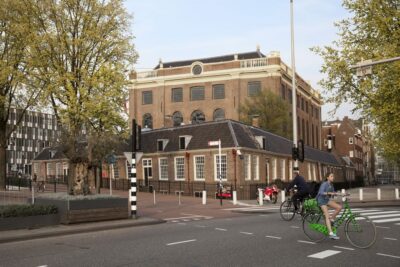
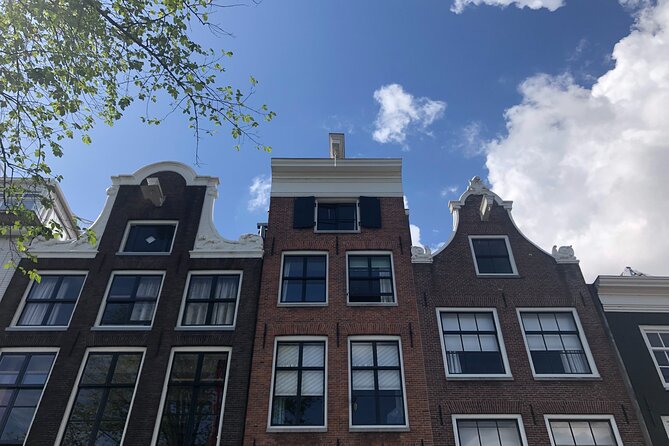
- Dutch pancakes in a canal house on the Amstel: what you’re really signing up for
- Meet Fusina: the heart of the experience
- What you’ll cook: Dutch pancakes with apples and bacon
- The Dutch tasting table: cheese, applesyrop, and soused-style herring
- How the morning flows in real life (not just theory)
- Groups, pace, and what to expect from the kitchen setup
- Drinks and the meal-style value: more than a “snack class”
- Logistics that matter: meeting point, directions, and arriving on time
- Who should book this Dutch pancake class (and who might not)
- Should you book this Amsterdam Dutch pancake experience?
- FAQ
- How long is the Dutch pancake cooking class?
- What’s included in the price?
- How big is the group?
- What language is the experience offered in?
- Is it family-friendly?
- What time does the class start?
- What if I have food restrictions or allergies?
- Is there free cancellation?
Quick reasons this Amsterdam pancake class works
- Canal house setting on the Amstel makes this feel like dinner at a friend’s place, not a factory classroom
- Fusina leads the cooking and guides you through sweet and savory Dutch pancake technique
- You taste more than pancakes: grass cheese with applesyrop and herring with pickles and onions
- Two textures in one skill: thicker than French crepes, thinner than American pancakes
- Portion expectations vary since you may end up making just a couple of small pancakes as a group
Dutch pancakes in a canal house on the Amstel: what you’re really signing up for
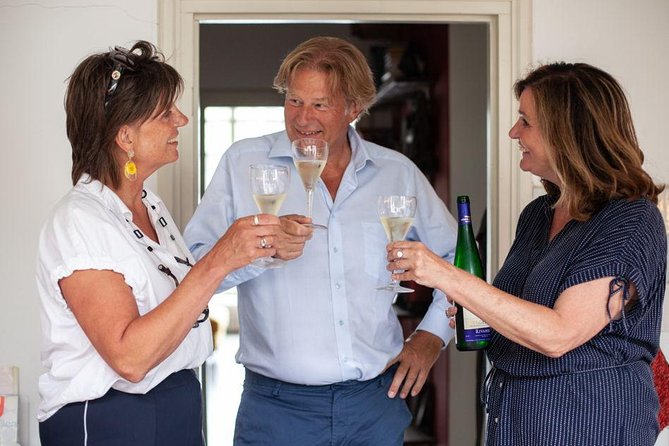
This isn’t just a recipe lesson where you watch someone cook and then leave with a warm memory. You’re stepping into a real Amsterdam home on the Amstel, learning how Dutch pancakes are made from scratch, and then sitting down to eat what you made alongside traditional Dutch delicacies.
If you like the idea of “food + place + people,” this fits well. You get the cozy context of a canal house, plus the practical payoff of learning a batter-based method you can repeat later. And because it’s a small group, the pace stays friendly instead of rushed.
Also, the topic is smart. Dutch pancakes are a great gateway dish because they’re different from the crepes you already know and different from the thick American-style pancakes you might expect. You’ll learn that sweet-and-savory style really is part of the Dutch way of eating pancakes.
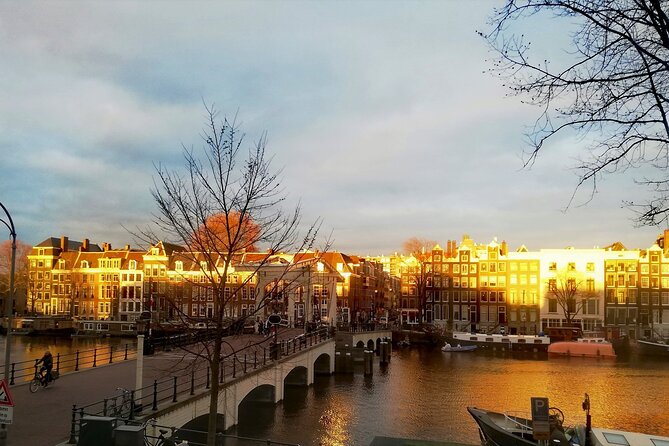
You can also read our reviews of more tours and experiences in Amsterdam.


Meet Fusina: the heart of the experience
The host for this class is Fusina, and the vibe you’re likely to get is warm, personal, and conversational. Multiple reviews highlight that she welcomes people into her home, lets you work at the kitchen steps (including flipping), and shares background on Dutch food and daily life in Amsterdam.
That matters more than it sounds. In a home kitchen, the “teacher energy” is everything. When it clicks, you feel like you’re learning from someone who genuinely enjoys hosting. When it doesn’t, it can turn awkward, because it’s still a real home with real personality and real pacing—not a scripted show.
Practical note: if you’re hoping for a very formal, step-by-step class only, remember you’re in a family-style setting. One guest reported an uncomfortable tone and interruptions, so consider this a home experience first, cooking class second.
What you’ll cook: Dutch pancakes with apples and bacon
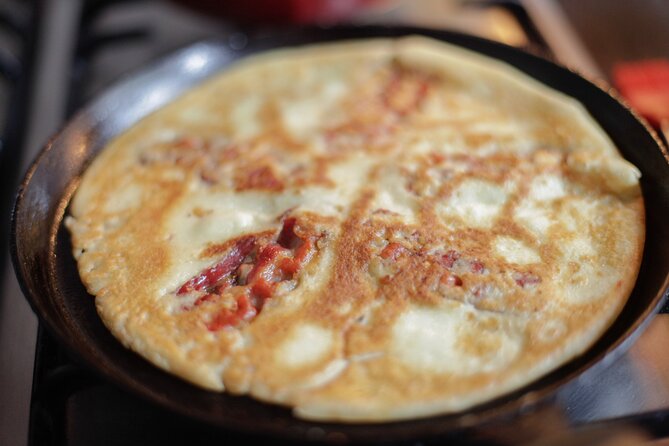
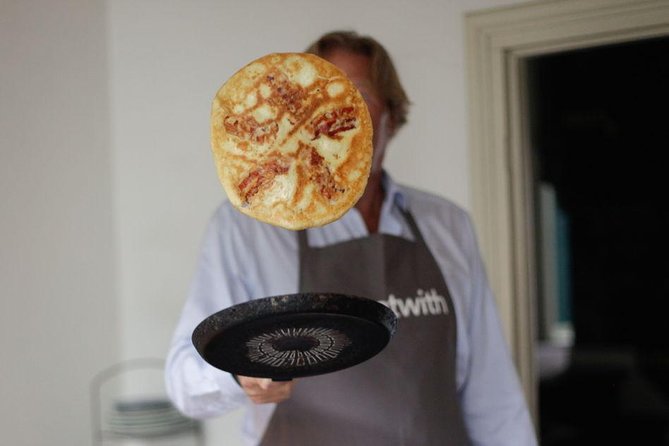
Here’s the core of the morning: you make Dutch pancakes from scratch and flip them. The menu example for the pancake component is apple & bacon, which is a classic mix of sweet fruit notes with savory richness.
The batter technique is what makes Dutch pancakes “Dutch.” They’re thicker than French crepes but thinner than American pancakes. That thickness hits a useful middle ground: you get a lacy, pliable pancake that still has body, so toppings don’t slide off. It also means your flipping timing matters more than you might expect.
You’ll be involved in the making, baking, and flipping. And that hands-on piece is what turns this from “food tasting” into a skill you can take home. One review even mentioned getting recipes afterward, which is a nice bonus if you want to recreate the results.
The Dutch tasting table: cheese, applesyrop, and soused-style herring
Before the pancakes hit the pan, you’re not eating only a snack. The experience includes a starter and more Dutch specialties alongside your cooking.
From the sample menu:
- Grass cheese with applesyrop: this is the sweet-salty pairing that Dutch cheese lovers go for. Applesyrop (also seen as appelstroop) brings deep caramelized apple flavor that turns a simple cheese plate into something memorable. One review specifically called out gouda with apple syrup as a favorite, which lines up with this theme.
- Herring with pickles and onions: this is very Amsterdam. The herring is served with the crunchy, tangy partners you want for balance. If you’ve only had pickled fish once or twice, this may change your mind about how good herring can be with the right toppings.
This is where you learn what “Dutch food” really means day to day: less about heavy sauces, more about smart contrasts—sweet vs. savory, rich vs. tangy, creamy vs. sharp.
And yes, the food is part of the lesson. When you learn how the pancake batter behaves, it makes sense to taste the sides that Dutch pancakes traditionally get along with.
How the morning flows in real life (not just theory)
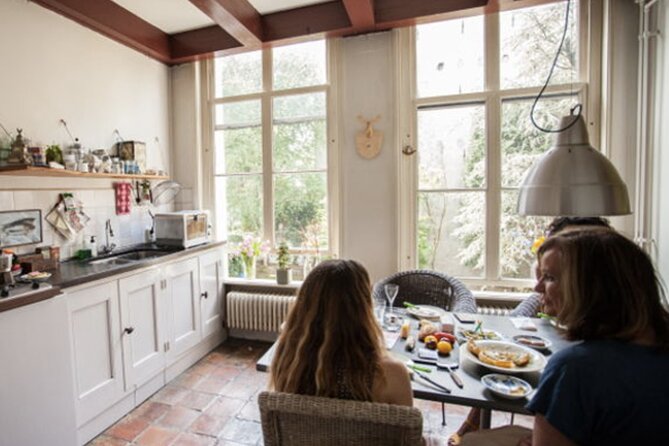
Your class runs about 2 hours, starting at 11:00 am. You’ll meet at the provided meeting point (the full address is included on your confirmation voucher), then settle into the home and start with the Dutch tastings.
A typical flow looks like this:
- Welcome + starters: cheese with applesyrop and herring with pickles and onions set the tone.
- Pancake lesson and cooking: you learn to make the batter, then bake and flip.
- Lunch-style eating: pancakes are served with your chosen fillings (like apple and bacon).
- Dessert finish: appleschnitt, a homemade apple pie using Fusina’s grandmother’s recipe.
That last part is a big deal. One of the most satisfying things about this class is that it ends with dessert that feels tied to the household story, not just a generic “cake is included” situation.





Groups, pace, and what to expect from the kitchen setup
This is a guaranteed small-group experience. The info you have lists a maximum of seven travelers (so you’re unlikely to feel lost in a crowd).
Also, because it’s in a canal house home kitchen, it’s not a professional cooking school with separate stations. You’re sharing the space and working together in the same kitchen environment. One guest noted the setup wasn’t what they pictured, and another mentioned making only a couple of small pancakes as a group. That doesn’t mean it’s bad, but it does affect expectations.
So here’s my practical take:
- If you want to flip and cook as part of a group, this is a good fit.
- If you’re expecting one full pancake per person and tons of extra food labor, you might feel short-changed.
If you’re the kind of person who likes an apron, bring one. One review mentioned no aprons were provided.
Drinks and the meal-style value: more than a “snack class”
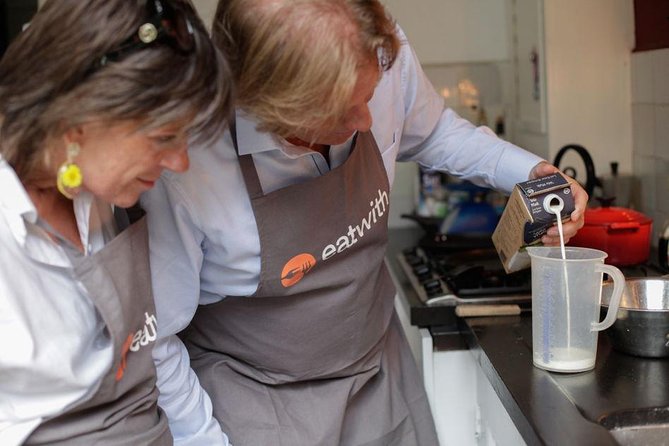
Included in the experience are tea and coffee, plus a glass of wine. You’re not just tasting—your session is structured like a casual brunch with alcohol.
That directly impacts value. Cooking classes can get expensive fast when you’re paying for ingredients and labor without a real meal. Here, your price isn’t only paying for the batter lesson; it’s paying for the full spread of Dutch flavors you eat during the session.
Speaking of price: it’s listed at $108.47 per person. For Amsterdam, the best way to judge this is by what you actually receive:
- a real canal house setting
- a hands-on cooking component
- multiple Dutch dishes (cheese, herring, pancakes, apple pie)
- tea/coffee and a glass of wine
- a small group size
If you’re already the type who loves markets, local food, and “eat first, learn while eating,” this can feel like a solid deal. If you only want pancakes and want the biggest possible portion, there may be cheaper ways to fill your plate without the extra home-hosting experience.
Logistics that matter: meeting point, directions, and arriving on time
The start time is 11:00 am and the experience ends back at the meeting point area. Because it’s in a residential neighborhood, timing matters more than you might expect.
One important lesson from reviews: people can have trouble locating the exact address even when they’re standing in the right general area. Your voucher includes the full address under the Before You Go section, and you should follow it closely.
My advice:
- read the whole reminder letter in advance (not the short version)
- arrive early enough to handle one wrong turn
- if you’re walking from a hotel, check the route twice
Also note the class language is English, and you’ll have a mobile ticket.
Who should book this Dutch pancake class (and who might not)
This is a good match if you:
- want a small-group food experience in a real Amsterdam canal house
- enjoy sweet-and-savory combinations (apple and bacon makes sense here)
- like learning by doing, including flipping pancakes
- want a cultural food experience that goes beyond one dish
It may be less ideal if you:
- want a big quantity meal where everyone expects to leave with lots of pancakes
- prefer a highly formal classroom setup with separate cooking stations
- get uncomfortable if conversation gets too personal or intense (since home-hosting styles can vary)
It’s also described as family-friendly, so if you’re traveling with kids who like to cook, it can be a fun, educational start to a morning in Amsterdam.
Should you book this Amsterdam Dutch pancake experience?
I’d book it if you want an Amsterdam morning that mixes cooking you can repeat with the pleasure of eating Dutch favorites in a home setting on the Amstel. The strongest reasons are the hands-on flipping with Fusina, the classic Dutch starter pairings, and the way the apple pie connects the meal to family recipe history.
I wouldn’t book it if your main goal is maximum food quantity or a perfectly predictable, textbook-style cooking lesson. And I’d take the address-location issue seriously by planning extra time and reading the full directions carefully.
If your priority is learning Dutch pancake technique while enjoying a real canal-house meal, this is exactly the kind of experience Amsterdam does best.
FAQ
How long is the Dutch pancake cooking class?
It’s approximately 2 hours.
What’s included in the price?
The experience includes the cooking class, local delicacies, lunch, tea, coffee, and a glass of wine.
How big is the group?
The activity has a maximum of 7 travelers.
What language is the experience offered in?
It’s offered in English.
Is it family-friendly?
Yes, it’s described as family-friendly.
What time does the class start?
The start time is 11:00 am.
What if I have food restrictions or allergies?
You’ll need to communicate any food restrictions (allergy or special diet) at booking.
Is there free cancellation?
Yes. You can cancel for a full refund up to 24 hours in advance of the experience start time.