REVIEW · ANNE FRANK & WWII HISTORY TOURS
Amsterdam: Private Anne Frank and Jewish History Tour
Book on GetYourGuide →Operated by Amsterdam Experiences · Bookable on GetYourGuide
This tour makes Amsterdam feel close. You’ll walk the streets of the old Jewish quarter with a guide who connects what you see to what happened under Nazi rule, then you finish at the Anne Frank House with included entry options.
I especially like the way it starts at the Portuguese Synagogue area and uses local landmarks to explain why Amsterdam became a refuge for Jewish families. I also love the pacing: you get both the heavy stories of fear and persecution and the practical, human side of survival—including time for apple pie and a drink. One possible drawback: the Anne Frank House has very narrow, steep staircases with no lift, so it can be hard for anyone with mobility limits.
In This Review
- Key highlights worth your attention
- Why the tour starts at the Portuguese Synagogue
- Walking Amsterdam’s Jewish quarter, one landmark at a time
- Under Hitler: fear, persecution, and what day-to-day life meant
- Dutch resistance stories that explain why hiding was possible
- Anne Frank House: tickets, timing, and the narrow stair reality
- Apple pie and a drink: the break that improves the walk
- Optional tram ride and how it affects your comfort
- Price and value: what your $261 is really paying for
- Who this tour fits best (and who should think twice)
- Practical tips so your day runs smoothly
- Should you book this Amsterdam Jewish history and Anne Frank tour?
- FAQ
- What is the duration of the tour?
- Where does the tour start and end?
- Is entry to the Anne Frank House included?
- What is included in the tour price?
- What languages are available for the guide?
- Is the tour wheelchair accessible?
Key highlights worth your attention
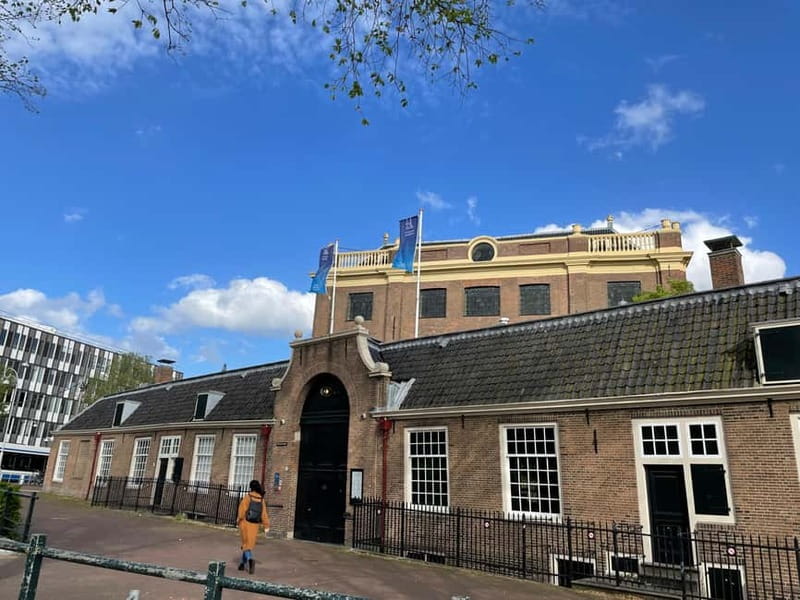
- Portuguese Synagogue start: you begin with context in the right place, not just a generic briefing
- 16th-century Amsterdam as a refuge: learn why the city drew Jewish families fleeing danger
- WWII stories tied to specific streets: persecution, tension, and survival shown through neighborhood details
- Dutch resistance and children saved: hear how people hid and protected Jewish children from deportation
- Anne Frank House entry plan built in: tickets if you book far enough ahead, otherwise a virtual reality option
Why the tour starts at the Portuguese Synagogue
Starting at the Portuguese Synagogue sets the tone fast. Instead of jumping straight to WWII, you get the longer arc of Jewish life in Amsterdam—how a community formed, grew, and found space to worship and organize. It’s also a smart “before you go in” move: by the time you reach the Anne Frank House, you’ll understand this wasn’t a sudden, isolated story. It was part of a community that had deep roots in the city.
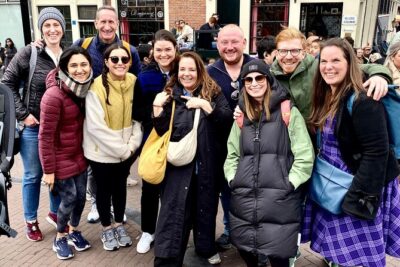
As you meet outside the main entrance, your guide frames what you’re about to see with clear, street-level context. The experience runs as a private group, which matters here. You can ask questions as you go, and the guide can tailor the emphasis. One guide, for example, pivoted a route toward resistance stories and made sure the group had time to go inside the synagogue area to understand it from the inside, not just from the sidewalk.
You can also read our reviews of more private tours in Amsterdam


Walking Amsterdam’s Jewish quarter, one landmark at a time

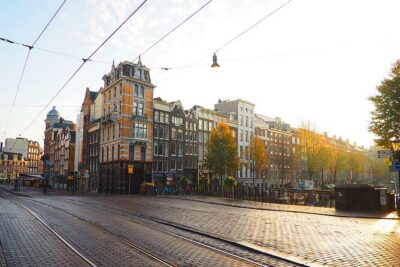
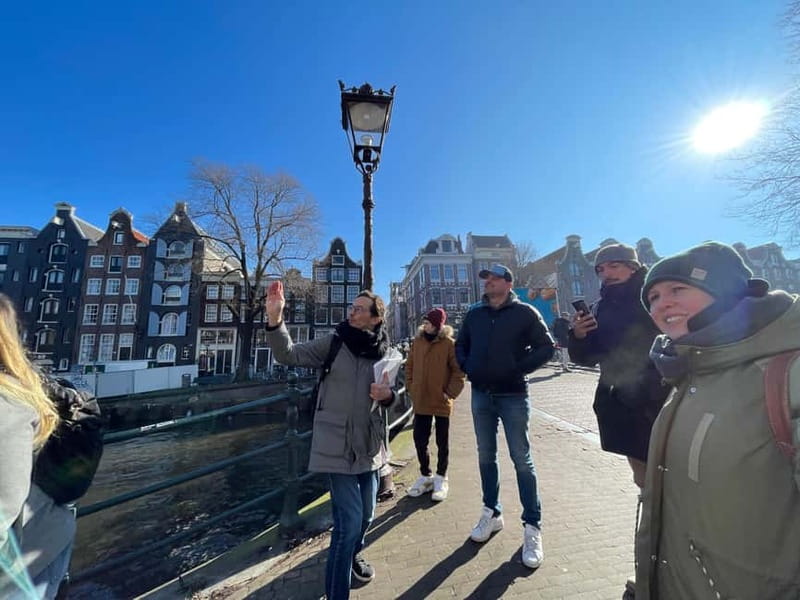
This is a walking tour through the former Jewish Quarter area, so you’ll feel the city’s scale in a very literal way—by moving through it. Your guide helps you “read” the streets. You’ll pick up why Amsterdam became known as a safer haven for Jewish families fleeing Southern and Eastern Europe, and how that safety was shattered during the Nazi occupation.
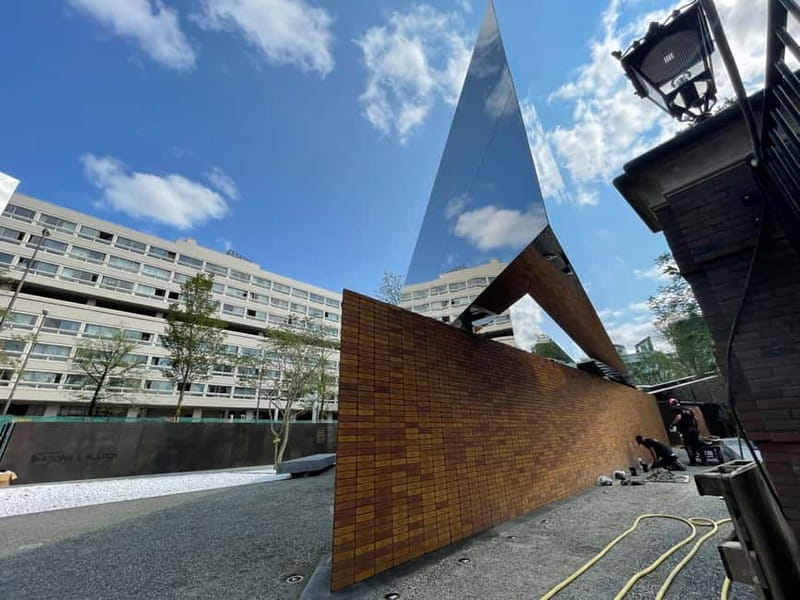
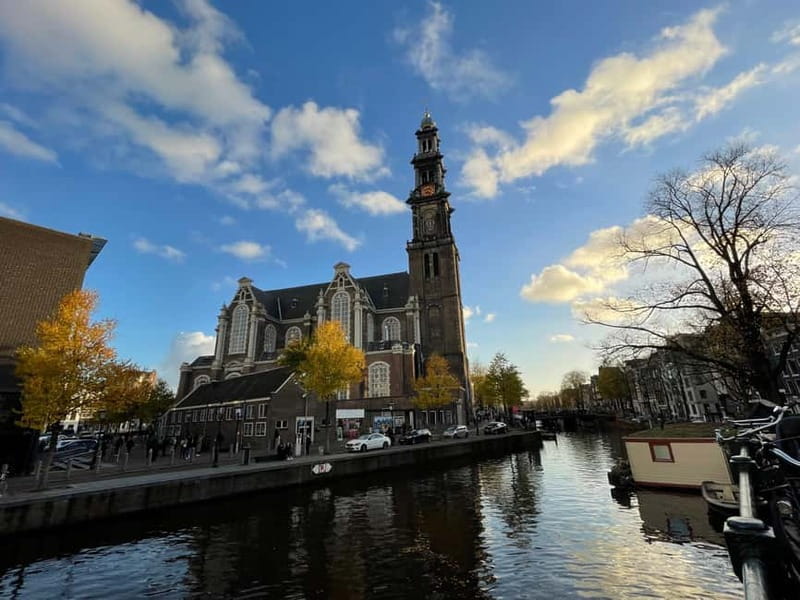
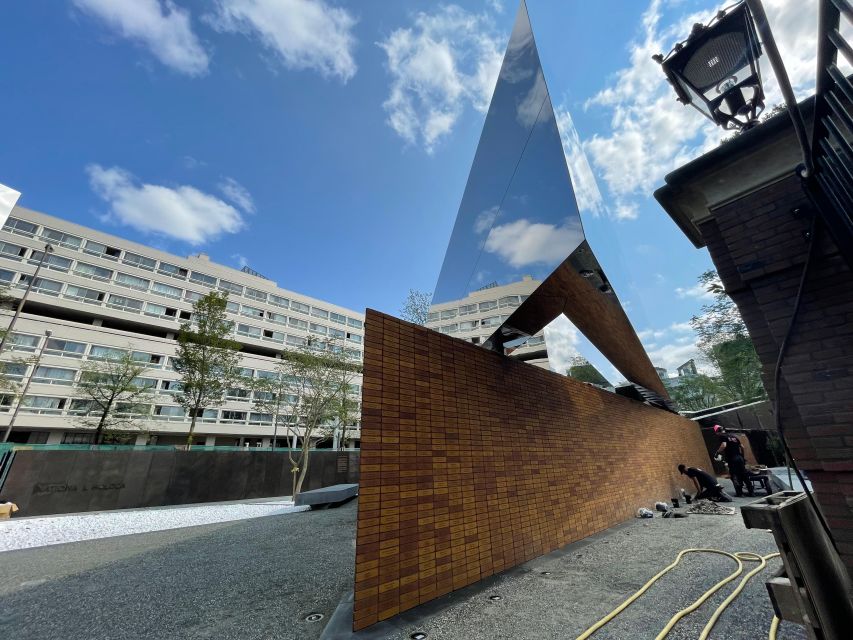
Expect stops and stories that connect to famous and less-famous markers in the neighborhood. You’ll also hear about the Westerkerk and its connection to Anne Frank’s story. Along the way, you may notice small memorials in the streets, plus references to other WWII memory sites in the area. One guide’s route even included mentions of stumble stones, the zoo area, and an Auschwitz memorial in a nearby park—details that help you understand how memory is built into everyday walking.
The key value for me is that the tour doesn’t treat Jewish history as a museum topic. It treats it as geography: where people lived, where fear moved, and where resistance worked. When your guide explains what the buildings and spaces were used for, the walk starts to feel like a timeline you can physically follow.
Under Hitler: fear, persecution, and what day-to-day life meant
This tour doesn’t pull punches about World War II. You’ll hear about families persecuted by the Nazis and what it likely felt like to live under that pressure—tension in the air, uncertainty in ordinary routines, and the constant sense that your future could change overnight.
What makes this part work well is the balance. Yes, it focuses on persecution and the Holocaust. But your guide also puts the human choices front and center: how people tried to cope, how neighbors looked out for each other, and why courage mattered even when it was dangerous.
You’ll also learn about how hundreds of Jewish children were saved from deportation. That’s an important theme because it shifts the story from only suffering to also include survival. It’s not a light topic. But it’s a necessary one, and it lands with more impact when you’re hearing it while walking through the actual neighborhoods.
Dutch resistance stories that explain why hiding was possible
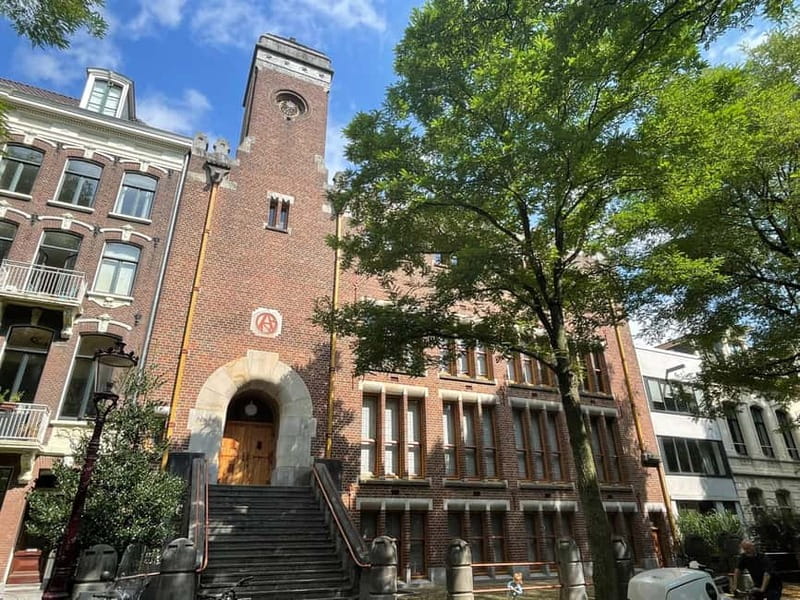
The Dutch resistance thread is one of the most praised elements of the experience. You’ll hear stories of Dutch resistance and how they fought the Nazis, including the practical reality that saving people required networks, secrecy, and risk.
One of the guides mentioned in prior experiences—Conny—was praised for explaining how life was affected for both Jewish people and the Dutch. That kind of dual focus helps you understand the wider community context. This wasn’t only a story of victims and perpetrators. It was also a story of ordinary people making dangerous decisions to protect others.
If you already visited Amsterdam before, you might think you know the basics. This tour has a way of sharpening your understanding. It connects resistance to specific moments and to the neighborhood you’re standing in, which makes it feel less like a textbook summary and more like a chain of cause and effect.
Anne Frank House: tickets, timing, and the narrow stair reality
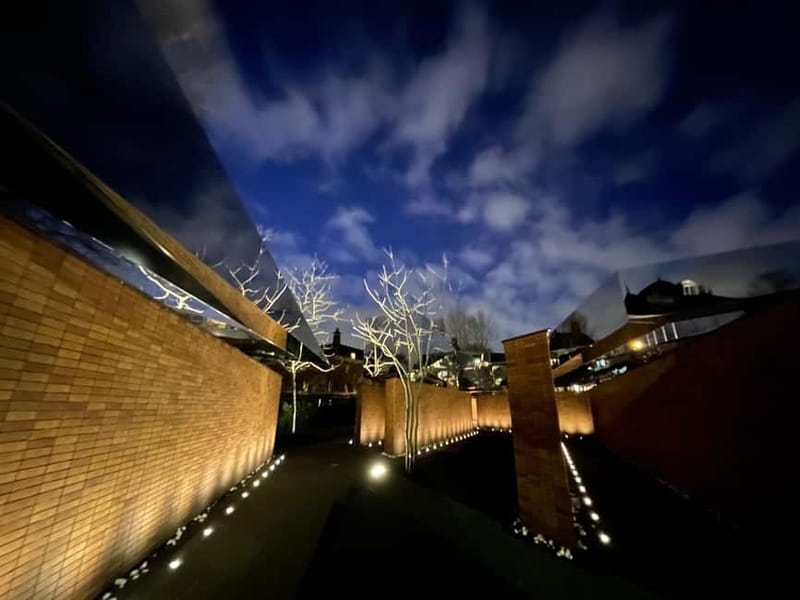
The tour ends at the Anne Frank House. Here’s where you need to think strategically, because your experience depends on when you book.
- If you book at least 7 weeks in advance, you’ll receive tickets for unguided entry to the Anne Frank House.
- If you book less than 7 weeks ahead and tickets aren’t available, you’ll explore the house via a virtual reality experience.
- For bookings made within 12 days of the tour, tickets can’t be provided, and the VR simulation is offered instead.
So you have two different “endings” depending on timing: a timed entry into the house itself, or a tech-based virtual walkthrough. Either way, you’ll still have a strong story foundation from the walk, which helps the Anne Frank content hit harder.
One more practical point that matters: the Anne Frank House has narrow, steep staircases with no lift. Even though the tour is listed as wheelchair accessible, this specific site limitation can make it difficult. If stairs are an issue for you, plan your visit thoughtfully and consider asking what the VR option would mean for your situation before you commit.
You can also read our reviews of more historical tours in Amsterdam






Apple pie and a drink: the break that improves the walk
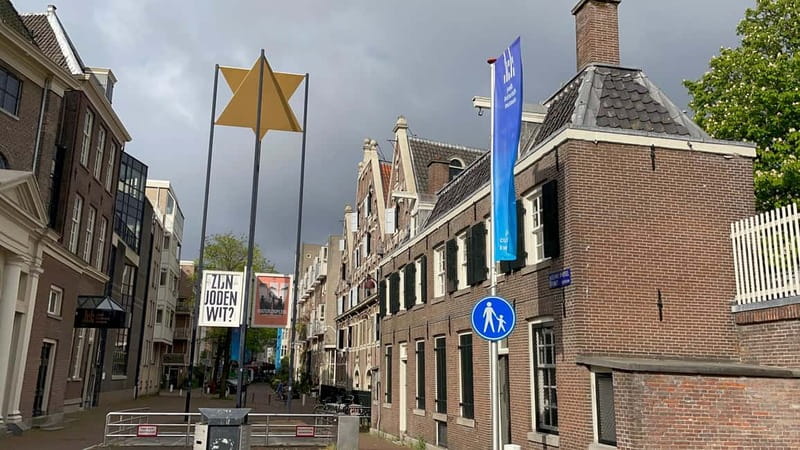
You’ll get a delicious piece of Dutch apple pie and a drink during the tour. This isn’t just a fun extra. It changes the rhythm of the experience.
When you spend a walking tour hearing about persecution and resistance, your brain needs a reset. That snack break gives you a moment to digest what you heard, catch your breath, and keep your energy steady for the final stretch to the house.
And because the experience is a private group, the guide can often keep the pace comfortable. In prior experiences, guides have been praised for time management and a relaxed pace—exactly what you want when the subject matter is intense and you still need to be able to focus.
Optional tram ride and how it affects your comfort
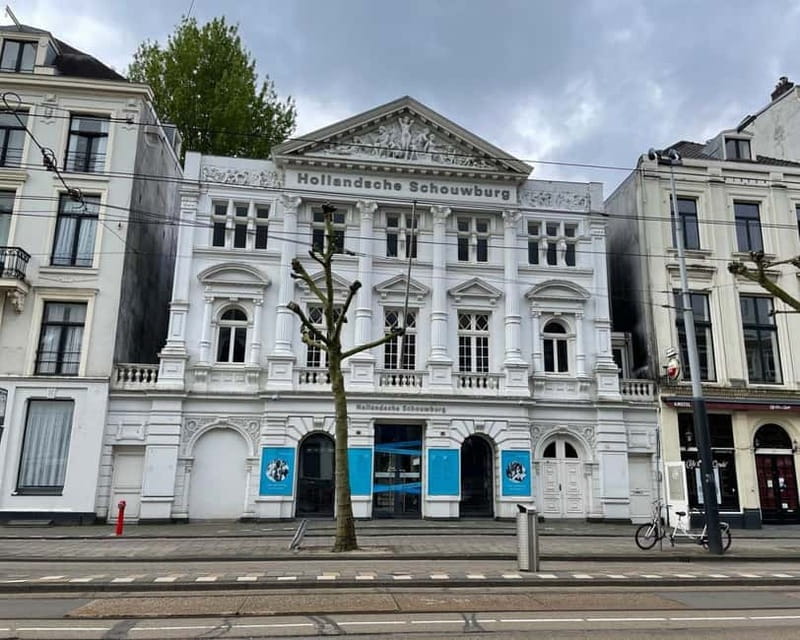
There’s an optional tram ride included. Since this is a private 3-hour tour, that tram segment (when used) can help you cover more ground without turning the experience into a marathon.
It’s also a comfort factor. Amsterdam walking can add up fast, especially if you’re visiting multiple sites in a short time. If you’re planning a busy day, the tram option can be the difference between a meaningful walk and a tiring one.
Price and value: what your $261 is really paying for
At $261 per person, this tour isn’t a budget impulse buy. But it does bundle several items that raise the value:
- A live guide for a focused, interpretive walking experience
- A private-group setup (so you’re not stuck in a crowd)
- Apple pie and a drink
- A tram ride option
- Anne Frank House entry tickets when booked at least 7 weeks in advance (or a VR alternative when tickets aren’t available)
The biggest value lever is the Anne Frank House component. If you can book early enough to secure tickets, you’re combining a guided contextual walk with the chance to see the house itself. If you can’t, at least you’re not left empty-handed—you get the VR simulation instead of no Anne Frank experience at all.
Bottom line: if you care about understanding the neighborhood context before you enter the most famous site, paying for a guide is the right kind of spend.
Who this tour fits best (and who should think twice)
This tour is a strong match if you:
- Want a guided Jewish history walk that connects to WWII and resistance
- Like learning through streets and landmarks, not just inside a building
- Plan to visit the Anne Frank House and want context first
- Prefer a private group pace where you can ask questions
It may be less suitable if:
- You or someone in your group has difficulty with steep, narrow staircases (because the Anne Frank House has no lift)
- You’re looking for something light or purely scenic. This is history with fear and persecution at the center
- You’re booking very close to your travel date and desperately need actual house entry. In that case, your end experience may be VR rather than in-person tickets.
Practical tips so your day runs smoothly
- Bring rain gear. Amsterdam weather loves surprises, and walking hours mean you’ll feel it.
- Wear shoes you trust. Even on a “3 hours” plan, you’ll still be covering distance on sidewalks and turns.
- Plan a little mental space. The emotional weight of the stories builds as you go, especially near the end.
- If mobility is a question, decide early how you feel about the Anne Frank House stair situation. The VR alternative is there, but you should plan based on what works for you.
Should you book this Amsterdam Jewish history and Anne Frank tour?
Yes—if you want your Anne Frank visit to feel grounded in place and time. I like that this tour doesn’t treat the Holocaust as a distant chapter. It places the story into neighborhood geography: safe haven turning into danger, community networks forming under pressure, and resistance actions shaping outcomes.
Book early if you can. The difference between tickets and VR isn’t just logistics—it’s the kind of experience you’ll walk away with. And if stairs are an issue, don’t hope for the best; plan for the reality of narrow, steep staircases at the house.
If you match those needs, this is the kind of guided walk that makes Amsterdam history feel personal without turning it into drama for drama’s sake.
FAQ
What is the duration of the tour?
The tour lasts 3 hours.
Where does the tour start and end?
You meet outside the main entrance of the Portuguese Synagogue of Amsterdam. The tour ends back at the meeting point.
Is entry to the Anne Frank House included?
It depends on booking timing. If you book at least 7 weeks in advance, tickets for the Anne Frank House (unguided) are included. If tickets are unavailable due to last-minute timing, you get a virtual reality experience instead. Tickets are not provided for bookings made within 12 days of the tour.
What is included in the tour price?
Included items are a guide, an optional tram ride, apple pie and a drink, and Anne Frank House tickets if booked far enough in advance.
What languages are available for the guide?
The live tour guide is available in English and Spanish.
Is the tour wheelchair accessible?
The tour is listed as wheelchair accessible, but the Anne Frank House has very narrow, steep staircases with no lift, which can be a major limitation for some mobility needs.