REVIEW · RED LIGHT DISTRICT TOURS
Amsterdam: Red Light District and Coffeeshop Culture Tour
Book on GetYourGuide →Operated by Silver Tours · Bookable on GetYourGuide
Red lights, clear explanations. This 2-hour walk works because it gives local perspective on the streets and explains coffeeshop laws in everyday language. The topic is adult and not everyone will love hearing direct talk about prostitution, but if you’re curious and keep an open mind, it’s compelling.
I like that you’re not just looking at the red windows—you’re also getting the street-by-street meaning behind what you see, from an old church to the narrowest street in Amsterdam. The route is short, about 2 hours, so it’s best when you want quick orientation and a story-driven route rather than hours of wandering.
Guiding is the key: you’ll go with a live guide in German or English from Silver Tours, and the pace is set up for explanation while you walk. Also note the meeting point can vary by option, so plan to arrive early so you don’t lose time hunting in the dark.
In This Review
- Key Takeaways Before You Go
- A 2-Hour Orientation Walk Through Amsterdam’s Red Light District
- Entering the Story: Why the Netherlands Setup Matters First
- Red Windows, an Old Church, and the Street Layout You’ll Actually Notice
- Prostitution in Context: What the Tour Explains and What It Doesn’t
- Coffeeshop Culture and Liberal Laws: The Practical Stuff You’ll Remember
- The Stops That Make the Walk Feel Specific
- Price and Value: Is $29 Worth It for Two Hours?
- Who This Tour Fits Best (and Who Should Skip)
- Practical Tips to Get the Most From Your Walk
- Should You Book Silver Tours’ Red Light and Coffeeshop Culture Tour?
- FAQ
- How long is the Amsterdam Red Light District and coffeeshop culture tour?
- How much does the tour cost?
- What languages are offered for the live guide?
- Is the tour walking, and what will we see?
- What topics does the guide cover?
- Are there different group options, and can I cancel if plans change?
Key Takeaways Before You Go
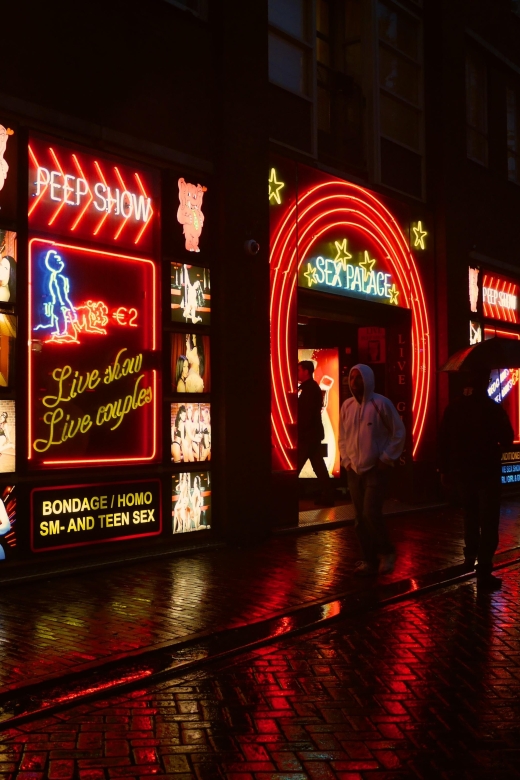
- Local-led street stories: You get context for what the district looks like now, not just what’s on postcards.
- Plain-language coffeeshop talk: The guide explains where the name comes from and how the laws shape daily practice.
- Landmarks in the mix: You’ll pass sights like red windows, an old church, and older buildings around town.
- Specific street details: Expect stops tied to the narrowest street, an indoor prostitute street, and smartshops.
- A compact 2-hour format: Good for first-timers who want key ideas fast without turning it into an all-night project.
A 2-Hour Orientation Walk Through Amsterdam’s Red Light District
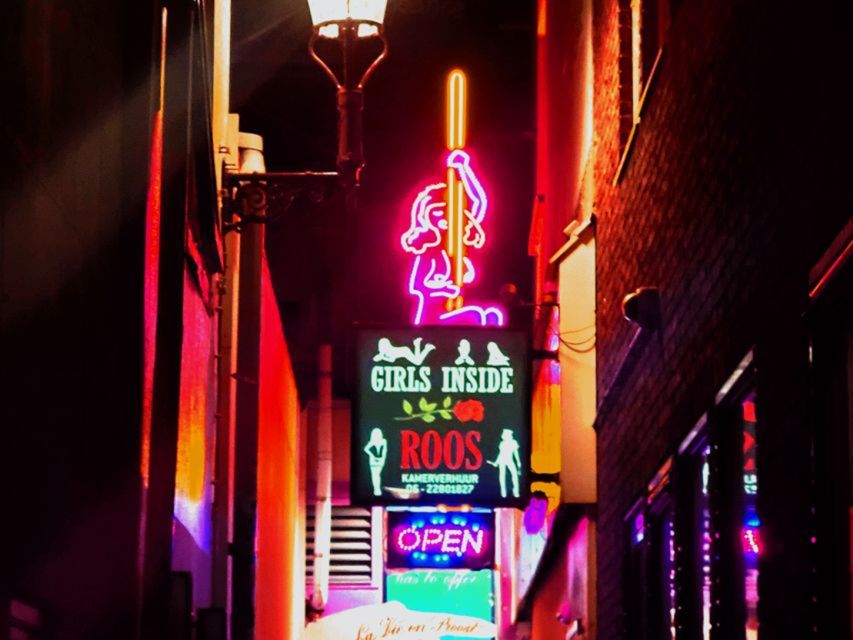
This tour is built for people who want to understand Amsterdam in layers, not just take photos. You start with a broad setup that frames the Netherlands and Amsterdam before you step into the district itself, so the streets make more sense as you go.
The main idea is simple: you walk with a local guide who can connect what you’re seeing—red windows, church architecture, street layout, and shopfront signs—with how the district has worked over time. That matters because the Red Light District can look like one big “scene” from the outside. With the right explanations, you start noticing the patterns: where things are, why they are there, and how the neighborhood fits into the city.
You should also know what kind of experience it is. This is not a comedy tour and it’s not a museum lecture you can tune out. It’s walking + commentary. If adult topics make you uneasy, you’ll still be informed, but you may want to step back mentally.
You can also read our reviews of more tours and experiences in Amsterdam.



Entering the Story: Why the Netherlands Setup Matters First
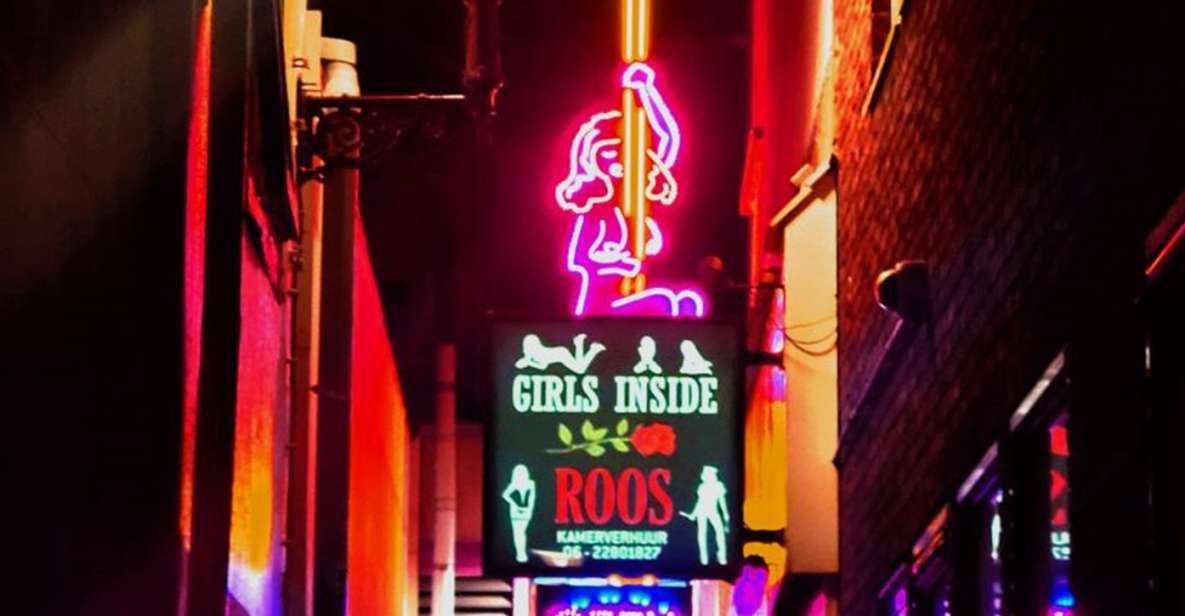
Before you reach the busiest parts of the district, the tour gives you a base layer: a general overview of Netherlands history and Amsterdam’s older buildings. That first stretch is useful, because the Red Light District doesn’t exist in a vacuum. It’s part of a city with its own long timeline and shifting neighborhoods.
Think of it as getting your bearings fast. When you later look at the streets, the guide can connect architectural cues and older landmarks to the way the neighborhood developed. You’ll also understand why certain areas feel tight and intricate. Amsterdam’s street patterns are part of the experience, and knowing that helps you stop feeling like you’re just lost in a maze of canals and alleys.
This opening segment also helps you read the district more safely. When you know what to look for—street narrowing, landmark placement, and the rhythm of storefronts—you can enjoy the architecture and storytelling without getting overwhelmed.
Red Windows, an Old Church, and the Street Layout You’ll Actually Notice
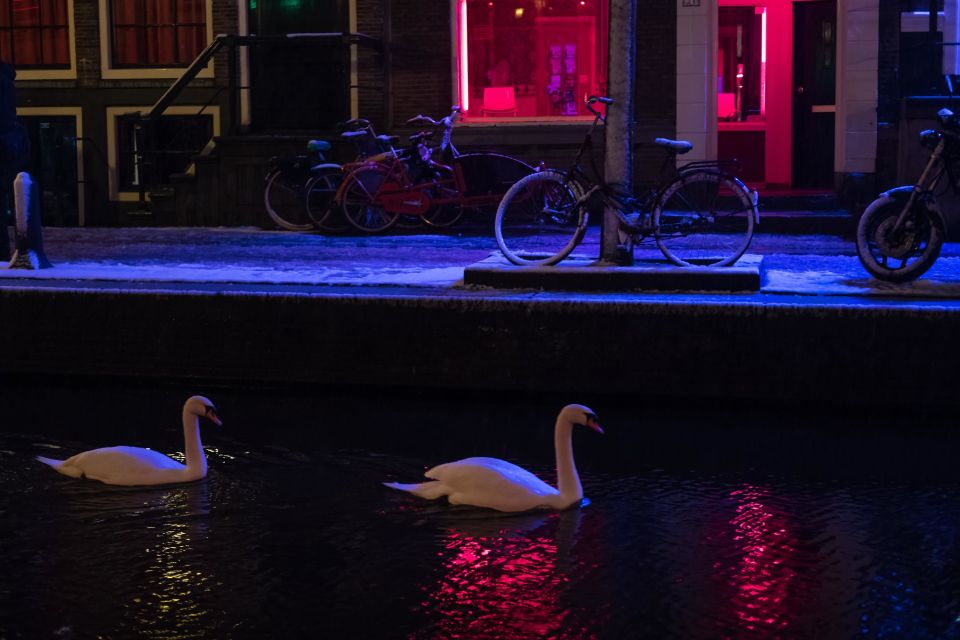
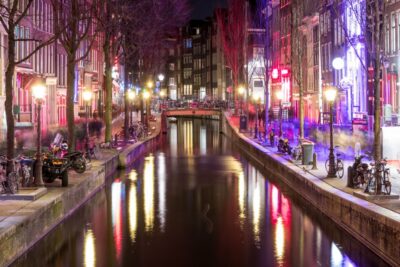
Once you walk into the center of the Red Light District area, the tour shifts into high-detail observation. You’ll see the famous red windows along with other important sights and landmarks, including an old church. Even if you’ve seen pictures online, there’s a difference between viewing a grid of photos and seeing how the street bends around you.
The guide points out details that are hard to guess on your own. One example is the narrowest street of Amsterdam, which is the kind of fact that sounds trivial until you’re standing inside it. The proportions change how you experience the neighborhood: doors feel closer, sight lines tighten, and the district becomes more intimate in a way that plain navigation apps don’t show.
You’ll also hear about an indoor prostitute street. That’s a detail that most first-time visitors miss because it’s not always obvious from the main walking routes. Knowing where those interior spaces sit in the overall neighborhood layout helps you understand how the district functions beyond the windows.
If you’re the type who likes “how it works” more than “what’s famous,” this part is where the tour clicks.
Prostitution in Context: What the Tour Explains and What It Doesn’t
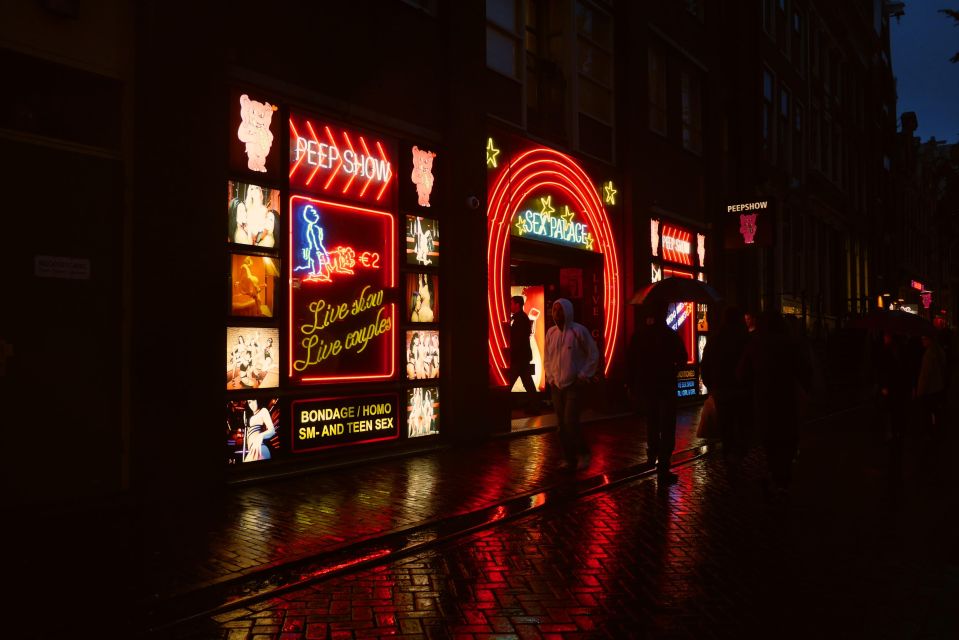
A big part of the experience is learning about prostitution and how it’s lived and understood in the district. The guide doesn’t just list facts. You’re told what it can be like working as a prostitute in the Red Light District, framed with explanations about history and the current situation.
Here’s the useful part for you: context changes your reactions. Without guidance, it’s easy to reduce the district to stereotypes or ignore it entirely. With an explanation, you can treat what you’re seeing as part of a broader urban reality—one with legal, social, and historical components.
At the same time, you should expect it to be direct. This tour is built around adult topics. Even if you’re comfortable with the information, it’s still worth having a basic mental plan: stay respectful, listen fully, and don’t try to treat everything like a spectacle.
If you’re traveling with teens, this is very likely not the right fit. If you’re easily shocked by frank descriptions, choose a different Amsterdam experience and come back to this district only at your own pace.
Coffeeshop Culture and Liberal Laws: The Practical Stuff You’ll Remember
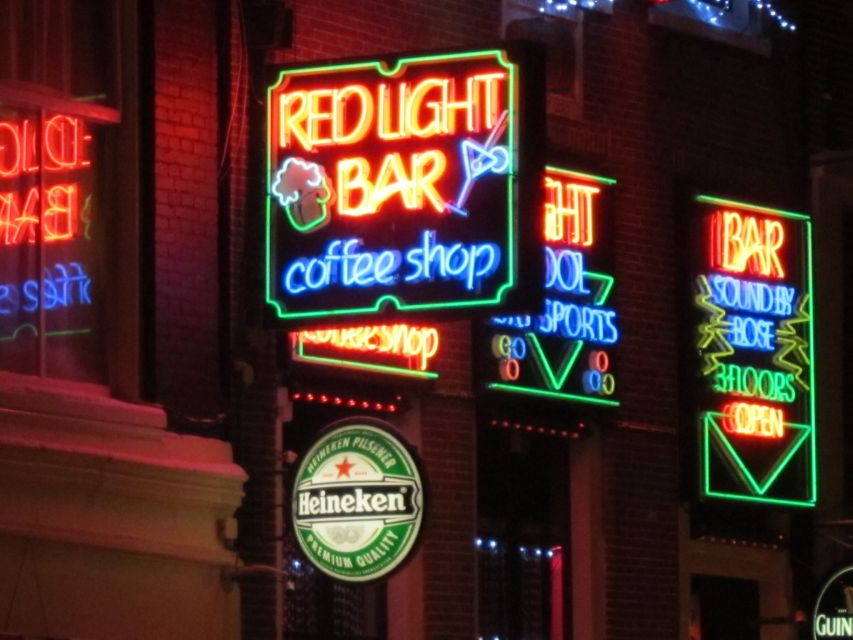
The tour’s second major theme is Amsterdam coffeeshop culture and the liberal laws around soft-drugs. The guide explains the story behind the name coffeeshop, plus the rules that shape how substances are consumed and produced.
This is valuable because coffeeshops are one of those Amsterdam features that get talked about constantly but misunderstood just as often. You’ll hear the kind of explanations that connect the sign on the street to the legal framework behind it. That makes your day-to-day choices clearer once you’re outside the tour.
The tour also aims to clear up confusion around what’s permitted. The guide shares “weird laws” in the sense that they can sound contradictory until you understand the logic behind them. For you, that means less awkward guesswork and fewer assumptions.
One more practical benefit: it helps you separate marketing from reality. When you know the legal boundaries being discussed, you can look at coffeeshop signage and behavior with more informed eyes, instead of reacting based on rumors.




The Stops That Make the Walk Feel Specific
This isn’t a generic Red Light District stroll. The guide brings you to a chain of recognizable elements that together create a fuller picture.
Here are some of the standout details you can expect to notice during the walk:
- The narrowest street of Amsterdam: Not just a trivia stop. It changes how close and enclosed the area feels.
- First coffeeshop of Amsterdam: You’ll hear why that matters to the larger story of coffeeshops in the city.
- An indoor prostitute street: A key detail for understanding how spaces are used, not just how they look.
- Smartshops: You’ll see them as part of the soft-drug landscape and learn how they fit into the overall context.
- Red windows and major landmarks: The tour ties the most famous images to the surrounding streets, including an old church and older building areas.
What I like about this approach is that it’s observational. You leave with a mental map: where the district’s famous elements sit, how they relate, and what the guide thinks is important to understand.
And yes, the photos will be better too. When you know what to look for, you take different pictures—less random snapping, more meaningful framing.
Price and Value: Is $29 Worth It for Two Hours?
At about $29 per person for a 2-hour guided walking tour, the value comes down to one question: are you paying for information you can’t easily get from wandering alone?
For me, the answer is often yes with tours like this, because the guide is doing the heavy lifting. You’re not only seeing the district—you’re getting explanations about liberal laws, coffeeshop culture, and the district’s shifting role over time. That kind of interpretation is hard to DIY unless you already know what to research and you’re comfortable piecing together legal context on the fly.
Also, $29 for two hours means you’re getting a focused slice of Amsterdam culture rather than a half-day project. You can fit it into a busy trip schedule without losing your entire evening.
The one drawback on cost-value is that this experience is very story-dependent. If you prefer a quiet walking tour with minimal commentary, you might find the talking a bit more than you want. But if you like being guided through meaning—street layout, law context, and how the district works—that price feels reasonable for the time you save and the understanding you gain.
Who This Tour Fits Best (and Who Should Skip)
This tour is a strong match if:
- You’re visiting Amsterdam for the first time and want a fast orientation to one of the city’s most talked-about areas.
- You care about how laws affect everyday life, not just how something looks from the street.
- You prefer guides who can explain both history and present-day reality while you walk.
It may not be the best match if:
- You’re uncomfortable with adult topics and direct discussion about prostitution.
- You want a purely sightseeing experience with no sensitive context.
- You’re sensitive to noise, crowds, and the fast-moving feel of narrow streets at night.
The good news is that you’re not trapped in a long time commitment. Two hours is enough for insight, but short enough to step away if it’s not your vibe.
Practical Tips to Get the Most From Your Walk
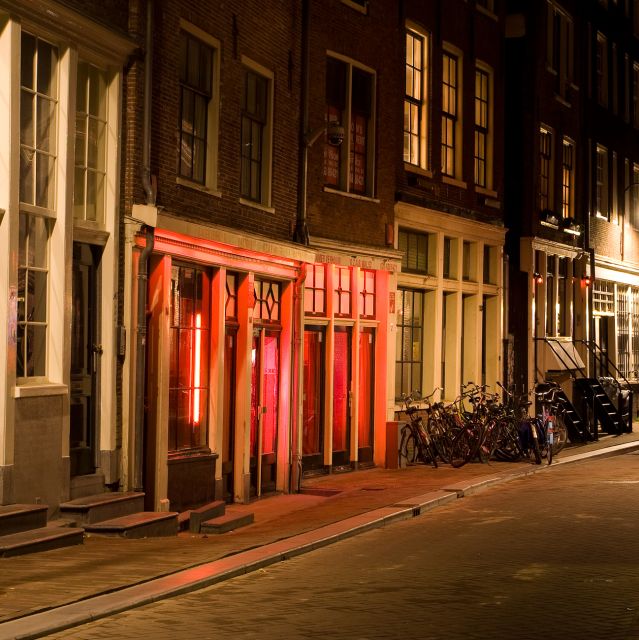
The Red Light District can move fast—people, signs, street corners, and light. A couple of practical moves help you enjoy the tour more:
- Wear comfortable shoes. The streets are tight, and you’ll be walking consistently for the full duration.
- Arrive early enough to find the meeting point without stress. Since the meeting point may vary, give yourself a buffer.
- Keep your phone away for the first part if you can. The earliest context helps you read later stops better.
- Ask yourself what you want from the guide: law context, historical framing, or street-level navigation. You’ll hear more if you listen with a goal in mind.
From the overall feedback pattern, the guides’ storytelling quality seems to be the main reason people feel it’s memorable. That only works if you’re present, not constantly distracted.
Should You Book Silver Tours’ Red Light and Coffeeshop Culture Tour?
If you want a guided walk that turns a famous Amsterdam district into something you actually understand, I’d recommend this. The highlights are practical: red windows and landmark seeing paired with explanations about prostitution context and coffeeshop culture, including the name origin and the way liberal laws influence what happens in real life.
Book it if you’re curious, respectful, and okay with adult subject matter. You’ll likely leave with a clearer map, better questions for your next conversation, and less confusion about coffeeshop rules once you’re off the tour route.
Skip it if you want a light, family-friendly outing or if you know you’re not comfortable with direct talk about prostitution. You can still enjoy Amsterdam, but this particular area needs the right mindset to feel worthwhile.
If you do book, come prepared to listen. The tour’s value is in the commentary—when the guide is on, the district stops being just a spectacle and becomes a story you can follow.
FAQ
How long is the Amsterdam Red Light District and coffeeshop culture tour?
The tour lasts 2 hours.
How much does the tour cost?
It costs $29 per person.
What languages are offered for the live guide?
The tour is available with a live guide in German and English.
Is the tour walking, and what will we see?
Yes, it is a walking tour. You’ll see red windows, an old church, and other notable streets and places tied to the district, plus coffeeshop culture elements like the first coffeeshop and smartshops.
What topics does the guide cover?
You’ll learn about the Red Light District’s history and culture, prostitution in the district, and Amsterdam coffeeshop culture, including explanations of liberal laws and what’s allowed regarding soft-drugs.
Are there different group options, and can I cancel if plans change?
A private group option is available. Free cancellation is offered up to 24 hours in advance for a full refund.