REVIEW · HISTORICAL TOURS
Small Group LGBTQ+ History Tour in Amsterdam
Book on Viator →Operated by Badass Tours · Bookable on Viator
Amsterdam clicks in a new way. This small-group tour strings together LGBTQ+ stories across centuries, right through the neighborhoods most visitors miss. You start in the nightlife center and end on a bridge with a surprising last message, so the city feels connected—not like random sightseeing.
Two things I really like: the tour keeps the group to eight people, and the guide brings it to life through sharp storytelling. In one recent run, Guus turned a cold, wet Friday morning into an easy, funny walk, and in another, Elyzabeth (an Amsterdam local) helped shift how people see the city.
One drawback to plan for: it requires good weather, and at roughly two hours you’ll cover a lot of ground at a steady pace. If you hate walking, you might want a slower option.
In This Review
- Key points to know before you book
- Why This Small-Group LGBTQ+ Walk Makes Amsterdam Make Sense
- Before You Go: Meeting Point, Timing, and What You’ll Need
- Stop-by-Stop: Rembrandtplein to Torensluis
- Rembrandtplein: Nightlife Center With Big Stories
- Munt Tower (Munttoren): A Shopkeeper vs. State Violence
- Koningsplein: A Name, a Church, and What It Tried to Hide
- Emperor’s Canal (Keizersgracht): The Pope of the Gays and Legal Fallout
- Gay Monument: Celebration and Mourning in One Spot
- Herengracht: The Queer Resistance You Might Miss
- Torensluis: A Trans Soldier and an Unexpected Last Word
- Price and Value: What $47.34 Buys You Here
- Guide Style and Group Size: How the Tour Feels
- What You’ll Learn (and What It Changes About Your Amsterdam)
- Who This Tour Suits Best
- Should You Book This Amsterdam LGBTQ+ History Tour?
- FAQ
- FAQ
- How long is the Small Group LGBTQ+ History Tour in Amsterdam?
- What is the group size for this tour?
- Where does the tour start and where does it end?
- Is the tour offered in English?
- Does the tour include admission tickets for the stops?
- Is the tour weather-dependent?
- Are service animals allowed?
Key points to know before you book

- Max 8-person group means better questions and less time waiting around.
- English-language tour with a local storyteller guide who focuses on real people, not just dates.
- Free entry at every stop, so you’re not paying extra once you arrive.
- Canal-side queer stories on Keizersgracht and Herengracht that most itineraries skip.
- A strong ending at Torensluis with a trans soldier story tied to 18th-century Amsterdam.
- Weather-dependent—bring a plan for rain and wind.
Why This Small-Group LGBTQ+ Walk Makes Amsterdam Make Sense
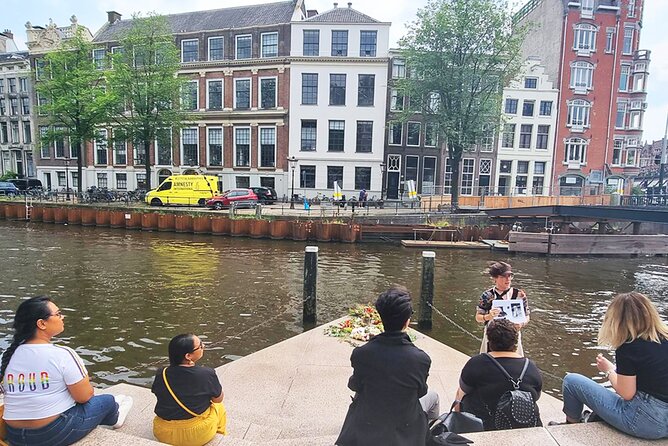
Amsterdam can be postcard-pretty and still hide the truth. This tour does the opposite job: it uses the streets as a map for LGBTQ+ history. You’re not just looking at buildings. You’re getting the human stories behind them—some tragic, some defiant, some outright surprising.
What makes it work for you is the pacing and the size. With no more than eight people, the guide can slow down when questions pop up. The best part is that the route doesn’t feel like a museum line. It feels like walking through the city’s memory.
You also get a nice mix of eras. You’ll hear about nightlife-era figures at Rembrandtplein, then jump to state violence and church cover-ups, then settle into canal stories tied to law and literature. It’s long enough to matter, short enough to fit a normal day.
You can also read our reviews of more historical tours in Amsterdam



Before You Go: Meeting Point, Timing, and What You’ll Need
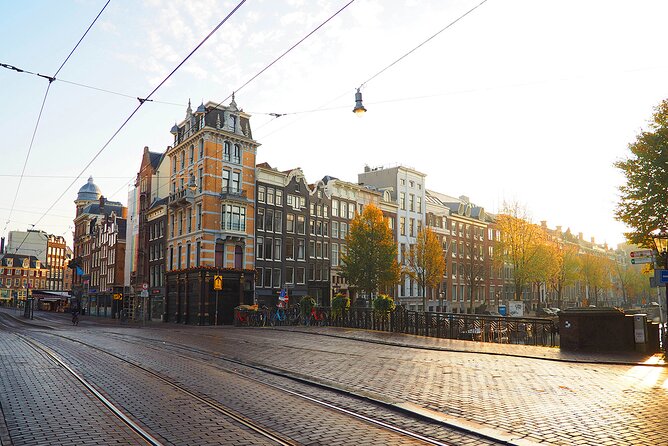
The tour starts at Utrechtsestraat 4, 1017 VN Amsterdam. It ends on Torensluis, 1012 VK Amsterdam, by the Multatuli sculpture, on or near the bridge. That ending detail matters because you can keep walking afterward, but you’ll likely want a quick plan for how you’ll get home.
It runs about two hours, and the stops are timed at roughly:
- Rembrandtplein: ~20 minutes
- Munttoren: ~15 minutes
- Koningsplein: ~15 minutes
- Keizersgracht (Emperor’s Canal): ~20 minutes
- Gay Monument: ~15 minutes
- Herengracht: ~15 minutes
- Torensluis: ~20 minutes
Since it’s offered in English and uses a mobile ticket, your main prep is simple: wear shoes you can handle on cobblestones and canalside streets, and bring a jacket. The tour also needs good weather, so if rain is in your forecast, pick a day you’re comfortable adjusting plans around.
Quick value note on logistics: the tour’s stops list admission ticket free, so you’re not hit with extra costs mid-walk. And with free cancellation available up to 24 hours before start time, you have some breathing room if the weather changes.
Stop-by-Stop: Rembrandtplein to Torensluis
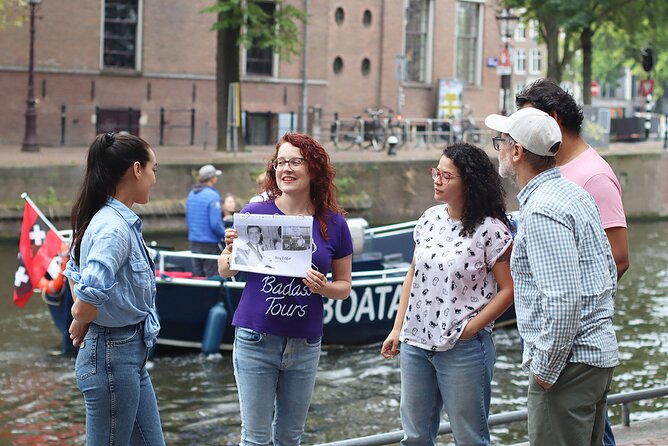
This route is built like a storyline. Each stop adds a different angle—power, persecution, culture, law, and community grief and pride.
Rembrandtplein: Nightlife Center With Big Stories
You begin at Rembrandtplein, and the guide starts with a flying overview of Amsterdam so your brain gets oriented fast. Then the stories kick in: you’ll hear tales of LGBTQ+ clubgoers, a married king who had affairs with men, and the claim of the world’s first legal gay marriage happening in Amsterdam.
This is a strong first stop because it gives you contrast. The square feels like modern energy, but the guide uses it to point at older lives—people navigating desire, reputation, and risk. If you’re a history person, you’ll enjoy how the tour connects street life to legal and social reality.
Potential drawback: because it’s a nightlife hub, it can feel busy around you. The guide’s job is to keep your attention on the stories, but if you hate noise, plan to lean in.
Munt Tower (Munttoren): A Shopkeeper vs. State Violence
Next is Munttoren, where you learn how a shopkeeper tried to protect friends in the face of state violence. That choice of story is smart. It doesn’t only focus on famous names. It spotlights what everyday people risked.
This stop is only about 15 minutes, but it’s emotionally heavy in a good way. You’ll likely leave thinking about how laws and enforcement show up in ordinary places—shops, doors, streets, and the people standing behind them.
You can also read our reviews of more tours and experiences in Amsterdam

Koningsplein: A Name, a Church, and What It Tried to Hide
At Koningsplein, the tour shifts toward how institutions shaped the story. You’ll discover how a familiar name connects to LGBTQIA history in a way the Catholic church tried to keep hidden.
Even if you don’t know the specific details before you go, the point lands: history isn’t only what happened—it’s also what powerful groups decided to bury. This is one of the stops that helps the tour feel serious rather than just entertaining.
If you’re hoping for a quick laugh at every corner, this is less comedic and more “wait, wow” in tone.
Emperor’s Canal (Keizersgracht): The Pope of the Gays and Legal Fallout
Then you’re on Keizersgracht, also called the Emperor’s Canal. The guide brings a pile of plot-style stories here, including the Pope of the Gays, a 17th-century literary lesbian love triangle, and a pompous doctor who may have accidentally given lesbians legal cover.
Why you’ll probably enjoy this stop: it turns a calm canal walk into a story engine. Water makes the scene feel gentle, but the content is anything but. The tour shows how literature, rumor, and legal systems can tangle together.
Watch for the stop’s “story density.” You’ll get a lot of names and claims in a short time. If you like taking notes, this is where you’ll want to jot down questions for the guide.
Gay Monument: Celebration and Mourning in One Spot
At the Gay Monument, the guide uses the space to explain how the monument has served as both celebration and mourning for Amsterdam’s LGBTQIA community since its unveiling. You’ll also hear that the tour uses it to celebrate a badass lesbian hero.
This is the stop where the walk becomes reflective. It’s short—around 15 minutes—but it gives you a place to absorb what the earlier stories meant. You can look at the monument and feel the message land.
For some people, monuments can feel overly formal. Here, the guide leans into community meaning, which keeps it human.
Herengracht: The Queer Resistance You Might Miss
On Herengracht, you hear about queer Resistance fighters who worked in an inconspicuous canal house. This part is valuable because it corrects a common blind spot. People often hear Resistance history as one uniform chapter. This tour highlights that LGBTQ+ people were there too, doing real work, taking real risks.
Because this stop is about 15 minutes, it won’t turn into a textbook. It’s more like a focused spotlight: enough to change how you see the era, not enough to overwhelm.
Torensluis: A Trans Soldier and an Unexpected Last Word
You end at Torensluis, on/near the bridge by the Multatuli sculpture. The final story is about a trans soldier who served in 18th-century Amsterdam’s militia—and the tour uses that as the surprising message that closes the loop.
Ending with this kind of story does a lot. It reinforces that LGBTQ+ history isn’t only a modern “rights movement” timeline. It reaches back into military life, institutions, and identity long before people had today’s public language.
This last stop is about 20 minutes, so it gives you a little time to settle before you head off.
Price and Value: What $47.34 Buys You Here
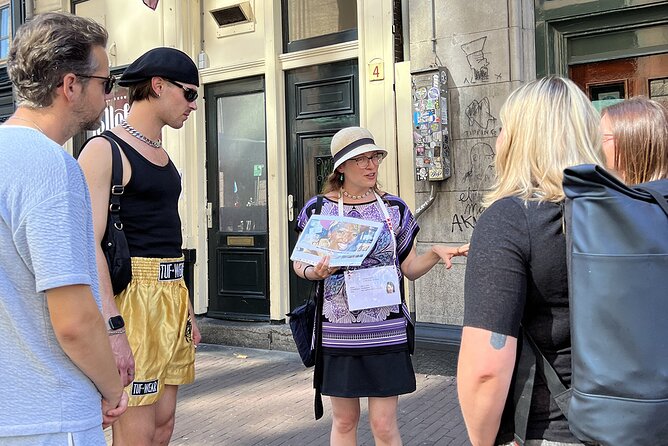
At $47.34 per person for roughly two hours, you’re paying for more than walking. You’re paying for a local guide who acts like a storyteller and history fan, and you’re getting access to multiple stop sites that are marked admission ticket free.
Here’s how I think about the value for you:
- You get a tight route with several “turning points” in LGBTQIA history, not random landmarks.
- You get the group limited to eight, which usually keeps the experience personal.
- You get English interpretation, so you’re not stuck relying on your own decoding of Dutch streets and plaques.
If you’re someone who hates tours that feel like long lectures, this setup is a good match. If you want something super academic, you might want to pair it with independent reading afterward.
Guide Style and Group Size: How the Tour Feels
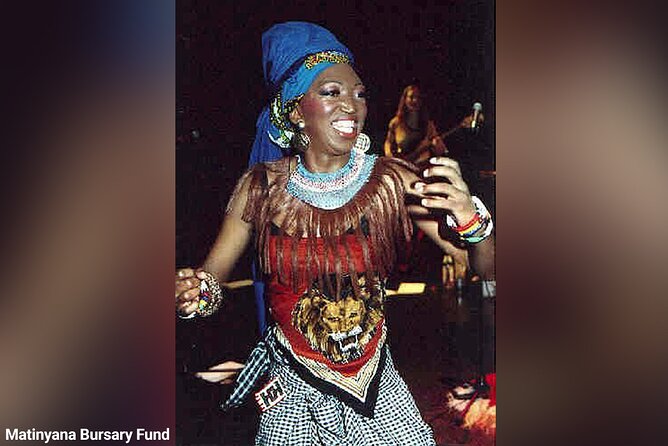
The tour is built around storytelling. That’s not a marketing line—it shows in the way the experience is described by people who attended. One guide, Guus, is specifically mentioned as keeping a group entertained even on a cold, wet Friday morning, with the two hours feeling like they flew by. Another guide, Elyzabeth, is described as engaging, and as someone who can change how locals and long-time visitors see the city.
Even if your guide isn’t one of those names, the format seems consistent: the guide connects what you see on the street with how life worked for LGBTQIA people. The best part is how the tour uses humor and warmth without turning serious topics into jokes.
Also, because the tour stays under eight people, it’s easier for you to raise questions. You don’t have to shout over a crowd. You can talk like a human.
What You’ll Learn (and What It Changes About Your Amsterdam)
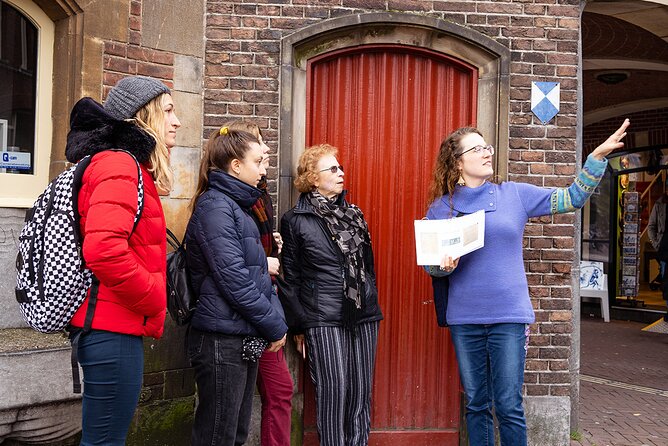
This tour helps you notice patterns you’d otherwise miss:
- How public spaces connect to private risk
- How institutions shaped what got remembered
- How culture (clubs, literature, naming) affected identity and law
- How community spaces and monuments carried both pride and grief
You’ll also come away thinking about Amsterdam as a place that kept evolving. The LGBTQIA story here is not a single straight line. It’s negotiation, backlash, courage, and survival—sometimes all in the same era.
If you like walking tours, you’ll like the way this one uses Rembrandtplein, canals like Keizersgracht and Herengracht, and the Gay Monument to build a connected narrative.
Who This Tour Suits Best
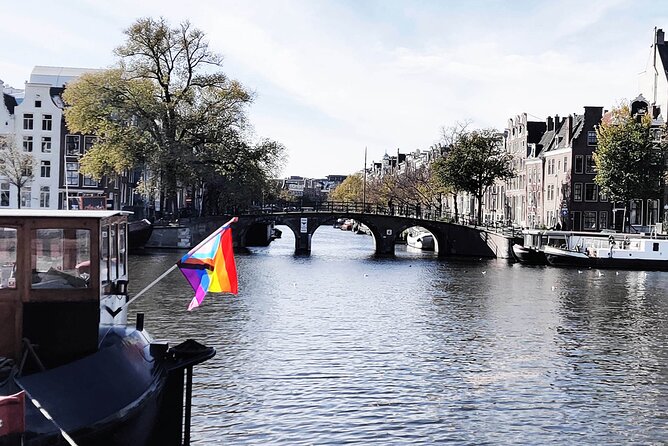
This is a great fit if you:
- love history but want it told through stories, not slides
- want LGBTQ+ history that’s grounded in real Amsterdam places
- enjoy small-group walks where you can ask questions
- are the kind of person who likes going off the standard tourist track
It’s probably less ideal if you:
- want a fully relaxed, sit-down pace
- hate weather limits and rain risk
- need tons of deep factual detail at every stop without any narrative flow
Should You Book This Amsterdam LGBTQ+ History Tour?
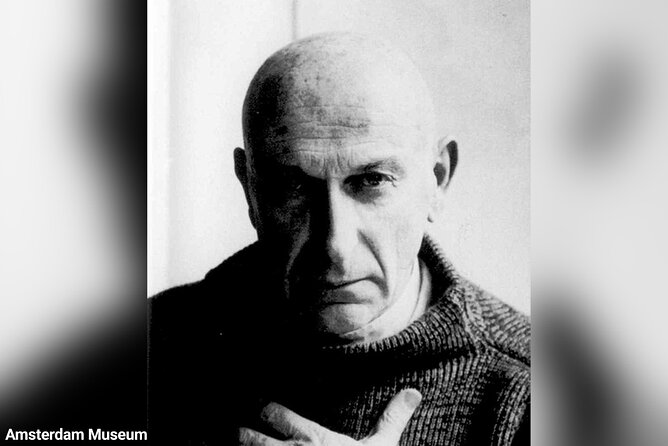
I think you should book if you want a 2-hour, small-group walk that makes LGBTQIA history feel tied to actual street corners. The route is compact but packed: it hits nightlife, law, church power, canal culture, memorial space, Resistance stories, and a trans soldier ending.
You’ll also like the value angle. Free admission at the stops and a local guide-led storytelling approach for a mid-range price keeps it from feeling like an overpriced gimmick. And with the group capped at eight, it stays personal.
If your schedule is tight, this is one of those tours that gives you a new lens on the whole city—so your later wandering around Amsterdam becomes more meaningful, not just more walking.
FAQ
FAQ
How long is the Small Group LGBTQ+ History Tour in Amsterdam?
It lasts about 2 hours.
What is the group size for this tour?
The tour has a maximum of 8 travelers.
Where does the tour start and where does it end?
It starts at Utrechtsestraat 4, 1017 VN Amsterdam, Netherlands and ends on Torensluis, 1012 VK Amsterdam, by the Multatuli sculpture.
Is the tour offered in English?
Yes, it is offered in English.
Does the tour include admission tickets for the stops?
Admission ticket cost is listed as free for each stop.
Is the tour weather-dependent?
Yes, the experience requires good weather. If it’s canceled due to poor weather, you’ll be offered a different date or a full refund.
Are service animals allowed?
Yes, service animals are allowed.