REVIEW · VAN GOGH MUSEUM TOURS
Amsterdam: Rembrandt & Van Gogh walking tour
Book on GetYourGuide →Operated by Guidance Travel · Bookable on GetYourGuide
One easy walk can change how you see art. This Amsterdam Dutch Masters tour turns famous painters into real people by following the streets that shaped their work. I like that it connects Rembrandt and Van Gogh to specific places, not just names from a textbook.
Two things I especially liked: the storytelling felt clear even if you do not know a lot about art, and my guide, Manouk, explained what makes the paintings work in plain language. You also get a sense of Amsterdam as a living city, not just a museum district.
One drawback to consider: this is a walking tour, not a museum visit. If you want to go inside places like the Rijksmuseum or Rembrandthuis for a longer look, you’ll need to plan that separately.
In This Review
- Key highlights you will feel quickly
- Why a Rembrandt and Van Gogh walk makes Amsterdam click
- Price and timing: why $19 can be such good value
- Starting at Prins Hendrikkade 95: getting your bearings fast
- Nieuwmarkt Square and Het Trippenhuis: learning the city through art
- Zuiderkerk and Rembrandthuis: the Night Watch link you will remember
- Staalmeestersbrug and Oudemanhuispoort: bridges and gateways that shape a painting
- Tivoli Doelen Amsterdam Hotel to Blauwbrug: ending with a new way to look
- The best way to use this tour: pair it with the Rijksmuseum
- Who this walking tour suits best (and who might not love it)
- Should you book the Amsterdam Rembrandt and Van Gogh walking tour?
- FAQ
- How long is the Amsterdam Rembrandt and Van Gogh walking tour?
- How much does the tour cost?
- Where do I meet the guide?
- Where does the tour end?
- Is the tour in English?
- Is the tour wheelchair accessible?
- Are museum entrance tickets included?
- Is a private group available?
- Is there free cancellation and a reserve now, pay later option?
Key highlights you will feel quickly
- Manouk’s explanations make Dutch Masters easier to understand, even if art history is not your thing
- Night Watch context gets tied to where Rembrandt worked and created
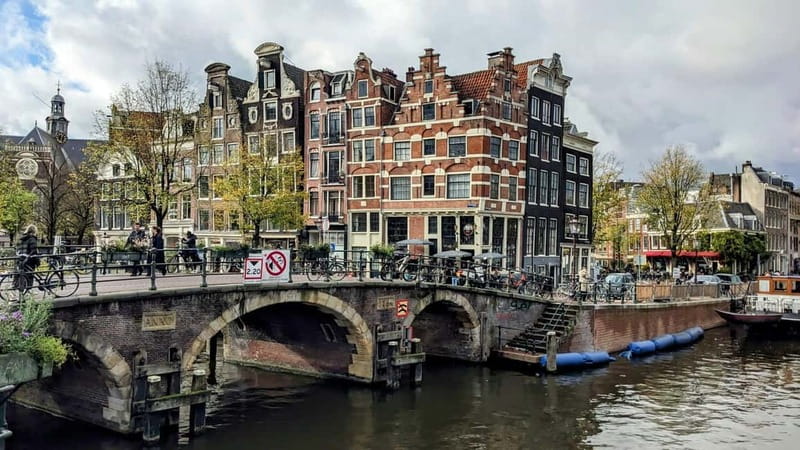
- Photo-friendly canal scenery along the way, with key viewing points
- Monet bridge moment that shows how artists keep borrowing ideas from Amsterdam
- A walking route through classic Amsterdam corners, from Nieuwmarkt to Blauwbrug
Why a Rembrandt and Van Gogh walk makes Amsterdam click
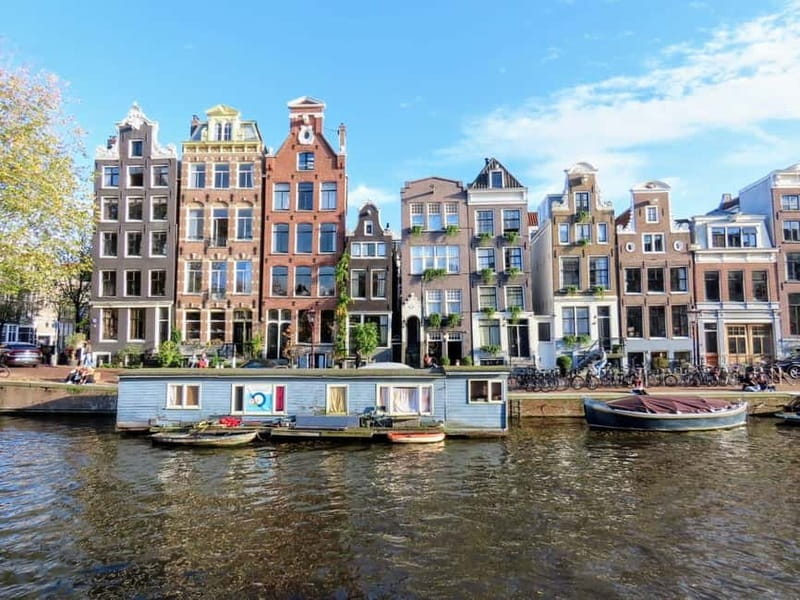
Amsterdam can be a bit of a blur if you only see canals and big museum names. This tour gives you a framework. Suddenly, streets, bridges, and old buildings stop feeling like scenery and start feeling like evidence for how artists built their worlds.
The big idea is the Dutch Golden Age and how it connects forward. You hear how 17th-century masters like Rembrandt and Vermeer helped define the visual language that later artists picked up. Then the story stretches ahead to Van Gogh and even the French Impressionists, so the walk feels like a timeline you can actually walk through.
And the tour does something practical: it teaches you how to look. Not in a heavy, academic way. More like, pay attention to light, attention, and story. You leave knowing what to look for when you see the actual masterpieces later.
You can also read our reviews of more walking tours in Amsterdam


Price and timing: why $19 can be such good value
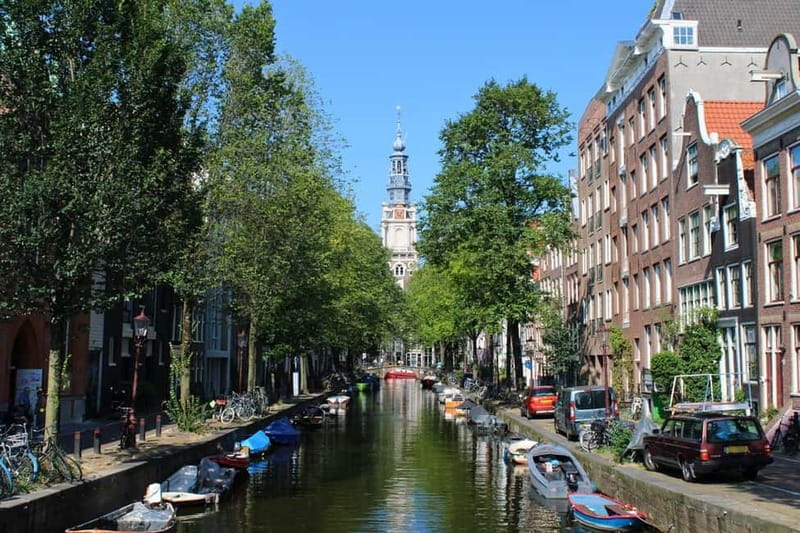
At about $19 per person for a 2-hour walk, this is one of those Amsterdam experiences that gives you more context than you pay for. You are not paying for museum entry. Instead, you are paying for a guide who can connect artwork themes to city locations you can see right now.
That also shapes your expectations. You will cover enough ground to feel like you did something meaningful, but it never turns into a long endurance test. You get stops that match major artists and major landmarks, and then you get explanations that help you interpret what you are seeing.
The main trade-off is that you do not get to spend hours inside museum rooms. The tour is designed to set you up for a follow-up visit, especially at the Rijksmuseum, where many of the artists and works discussed will be easier to connect to with fresh eyes.
Starting at Prins Hendrikkade 95: getting your bearings fast
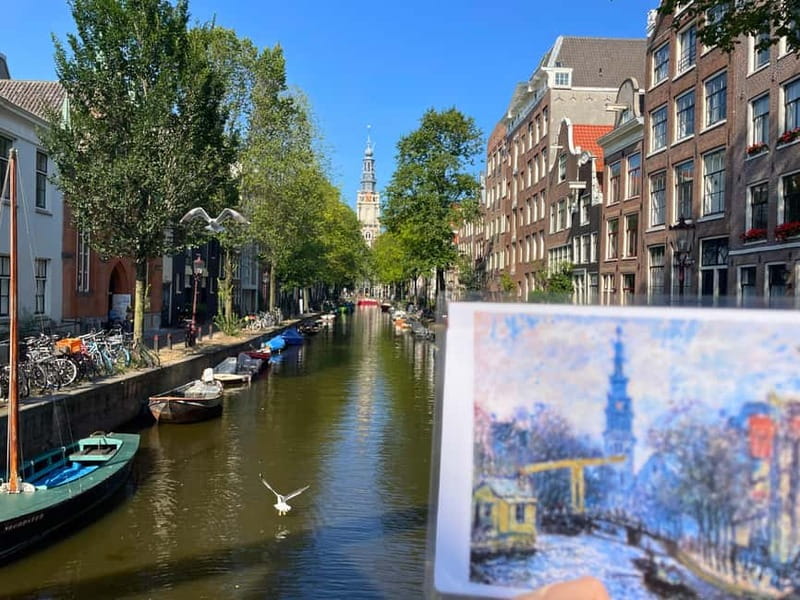
You meet your guide at Prins Hendrikkade 95, at the left side of Schreierstoren when you face Central Station with your back. The guide holds a sign that says Guidance, so it is easy to spot the group before you start walking.
I like this kind of start because it gets you pointed toward the oldest, most artist-friendly parts of the city. You are not starting in some random hotel lobby. You are starting in a real Amsterdam corner where the canal-area feel is already there, so the tour has atmosphere from minute one.
From the first stretch, you will notice how the guide uses the city as a visual aid. Instead of only describing paintings, the guide points out what the buildings and street layout suggest about how Amsterdam functioned for artists: where people gathered, where patrons likely looked, and how everyday life turned into subject matter.
Nieuwmarkt Square and Het Trippenhuis: learning the city through art
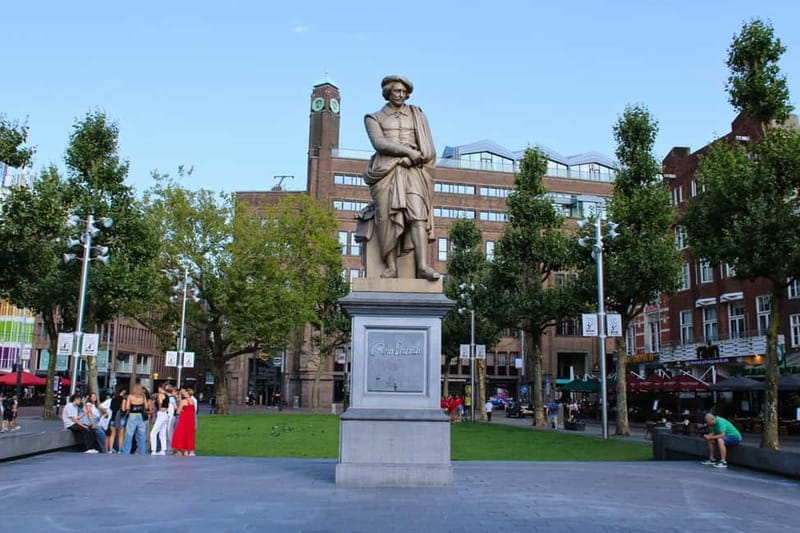
The next stop is Nieuwmarkt Square. This is where the tour starts to connect Amsterdam’s public life to what made art matter. You do not just get a quick history lesson. You get the reason behind it: in the 1600s, art was not decoration. It was social status, civic pride, and a way to tell stories about the world.
From there you move toward Het Trippenhuis. This is one of those buildings that helps you understand why artists had opportunities in Amsterdam. Even when the details vary depending on what the guide emphasizes that day, the purpose stays the same: show you the network around painters—patrons, institutions, and the urban energy that supported masterwork.
What I found most useful is the way the guide keeps tying back to painters you likely already recognize. You might not remember every name right away, but you start building mental connections. That matters, because later, when you see paintings, you will recognize the themes faster than you would on your own.
Zuiderkerk and Rembrandthuis: the Night Watch link you will remember
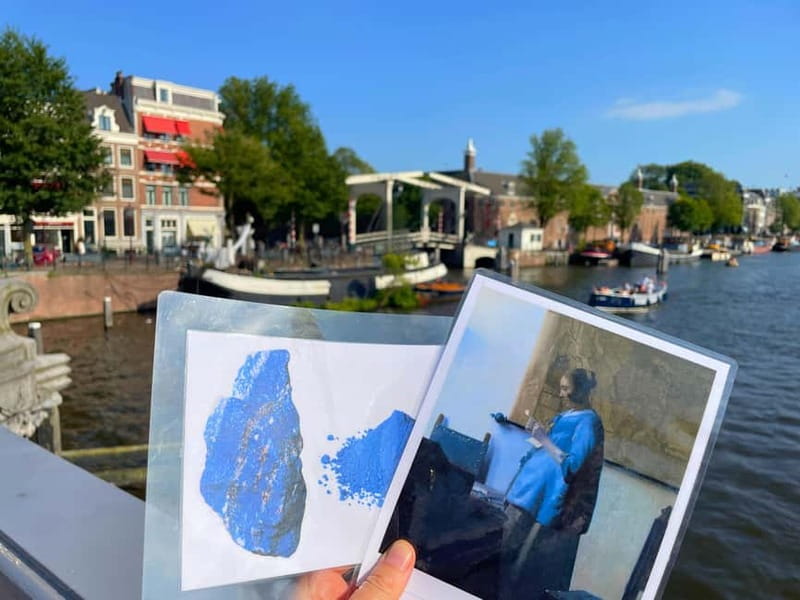
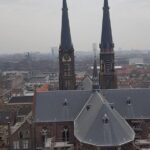
At Zuiderkerk, you get a shift from street-life storytelling into the artistic world where big commissions and public attention mattered. This is a key moment on the walk because it helps you understand how an artist could become a major figure in a city.
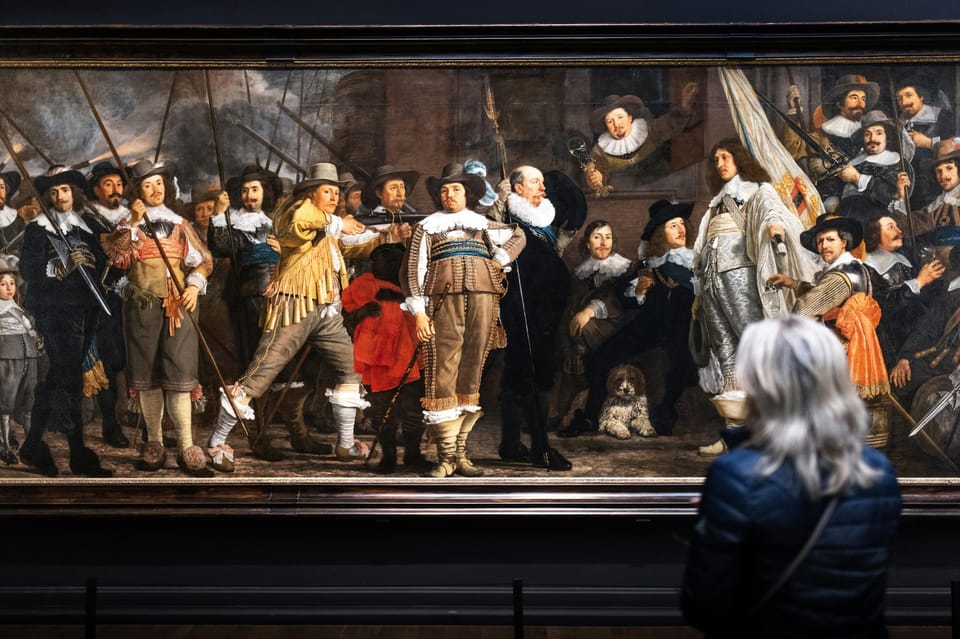
Then comes museum Rembrandthuis. This stop is the tour’s big Rembrandt anchor, with the focus on the location where Rembrandt’s iconic Night Watch was created. Even if you have seen the famous painting only once, this kind of stop makes it feel more human. You are no longer thinking about the Night Watch as a distant masterpiece behind glass.
Instead, it becomes a work made in a real place, in a real working rhythm. The guide uses that connection to explain why Rembrandt’s approach mattered—how narrative and character show up on the canvas, and how the setting and timing of Amsterdam helped make that possible.
One practical tip: if you have a chance to see the Night Watch later at a museum or through exhibitions, try to remember this stop as your mental cue. It will help you notice composition and storytelling faster, because you have already heard what the guide wants you to look for.





Staalmeestersbrug and Oudemanhuispoort: bridges and gateways that shape a painting
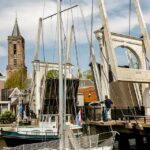
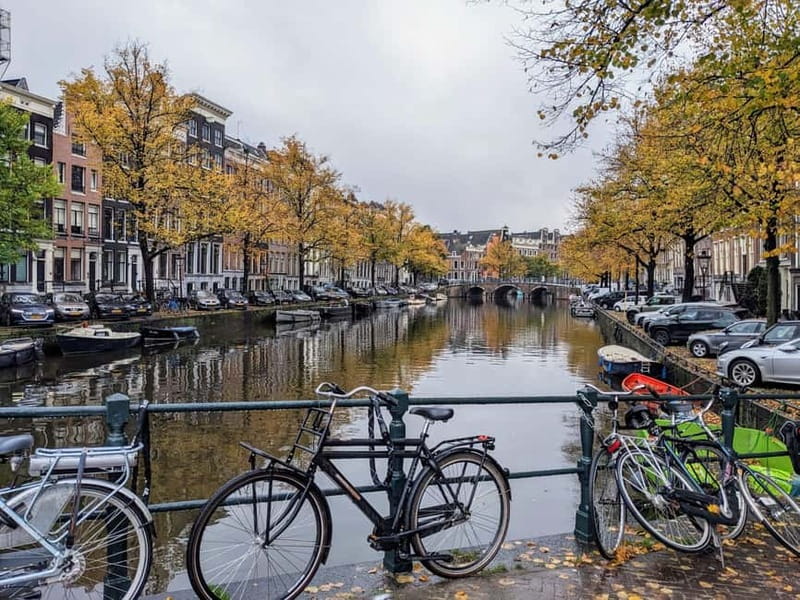
Next you reach Staalmeestersbrug, where the tour highlights the bridge where Monet painted his famous artwork of Amsterdam. This is a clever move because it shows you that Amsterdam is not just a one-era art factory. Different artists come back to the same visual ingredients—light, water, framing, and street drama.
What I like here is the perspective shift. The talk stops being only about 1600s Dutch Masters and starts including the bigger story of how Impressionism and later art grew from the same basic city observations. You get to feel the continuity: different styles, similar city inspiration.
After that, you pass Oudemanhuispoort, a stop that works well for understanding Amsterdam as a place with layered time. You are not just walking through straight lines between famous dots. You are walking through a city where old spaces still affect how people move and how artists could frame a scene.
The guide’s job here is to help you see the city as part of the artwork. Streets and gateways can act like stage sets. Even if you do not think of architecture as subject matter, this tour teaches you to notice how it affects sightlines and mood.
Tivoli Doelen Amsterdam Hotel to Blauwbrug: ending with a new way to look
The route continues to Tivoli Doelen Amsterdam Hotel. This stop functions like a transition point. By this stage, you have already heard enough about Dutch Masters and the city’s artistic backbone that your brain starts making connections on its own. The guide keeps it practical, bringing the story back to how Amsterdam’s spaces can influence art choices.
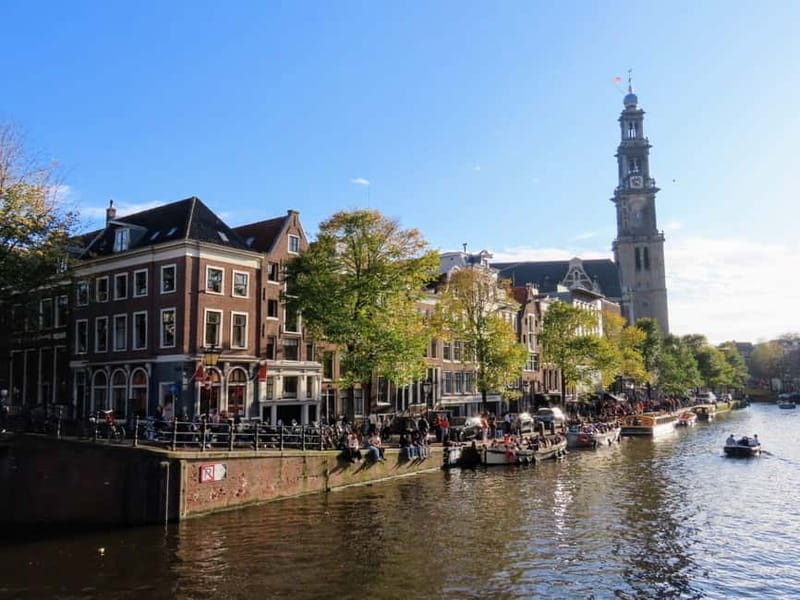
Finally, you finish at Blauwbrug. If you are thinking about the walk as a narrative, this ending works because it puts you near classic canal-area views as the tour closes. You end with a space that makes it natural to keep looking, snapping photos, and thinking about what you just learned.
Even better, the tour is designed so you can continue the experience with a museum visit right after. The story does not end at the last stop. It sets up the way you will interpret paintings when you see them indoors.
The best way to use this tour: pair it with the Rijksmuseum
The Rijksmuseum is an obvious follow-up, and the tour points you in that direction for a reason. You will walk away with names and themes, but you still need the paintings in front of you to really lock in the details.
When you go to the Rijksmuseum, try this simple approach: pick one painter you heard about during the walk, then focus on how the guide framed their choices. If you remember the Night Watch connection to Rembrandthuis, you’ll likely spot narrative elements and attention to character more quickly. If the Monet bridge moment stuck with you, you can also pay attention to how Amsterdam’s features show up as subject matter, not just background.
This is also a good strategy if you are not a lifelong art fan. You do not need to memorize everything. You just need an entry point for how to look.
Who this walking tour suits best (and who might not love it)
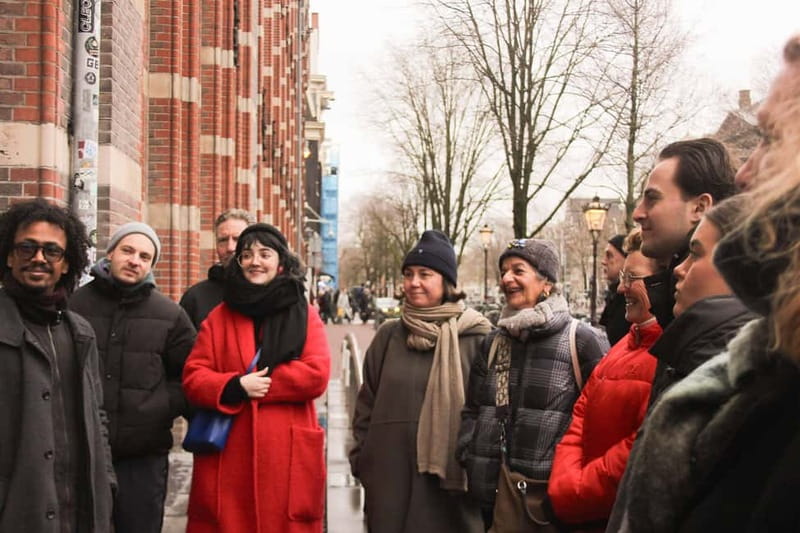
This tour is a strong fit if you want art history without feeling trapped in a lecture. You also want a route that keeps you moving and seeing Amsterdam while the stories land. If you are the type who loves a good walk and enjoys learning how places shaped people, you will probably have a great time.
It is also a good pick if you want an art experience that feels friendly. The tour’s explanations are made for normal people who want to understand the basics and then enjoy the big masterpieces later. You do not need to arrive knowing much.
Who might find it less satisfying? If you are hoping for long time inside museums with deep time with paintings, this format will feel short. You will want to plan extra museum hours after, because the walk gives context, not prolonged gallery time.
Should you book the Amsterdam Rembrandt and Van Gogh walking tour?
I’d book it if you like practical storytelling and want your Amsterdam experience to include more than scenery. For the price, the format is smart: you are paying for a live guide who can connect famous Dutch Masters to real streets, bridges, and working locations—especially the Night Watch angle.
I would not treat it as a replacement for museum visits. Treat it as the front door. You do the walk, then you use the Rijksmuseum (or other art stops) to see the works in full.
If you have 2 hours and you want to leave Amsterdam with a better way to look at paint, this is a very solid choice.
FAQ
How long is the Amsterdam Rembrandt and Van Gogh walking tour?
The tour lasts about 2 hours.
How much does the tour cost?
The price is listed as $19 per person.
Where do I meet the guide?
Meet at Prins Hendrikkade 95, on the left side of Schreierstoren when facing Central Station with your back. The guide holds a sign with Guidance.
Where does the tour end?
The finish point is listed as Blauwbrug. The activity description also notes returning to the meeting point, so it is worth confirming the exact end location for your departure.
Is the tour in English?
Yes, the live guide speaks English.
Is the tour wheelchair accessible?
Yes, the tour is wheelchair accessible.
Are museum entrance tickets included?
No. Entrance tickets are not included, and museums are not visited during the tour.
Is a private group available?
Yes, private group options are available.
Is there free cancellation and a reserve now, pay later option?
Yes. You can reserve and pay later, and you can cancel up to 24 hours in advance for a full refund.