REVIEW · 1-HOUR EXPERIENCES
Amsterdam: Red Light District 1-hour Smartphone Audio Tour
Book on GetYourGuide →Operated by Clio Muse Tours · Bookable on GetYourGuide
Windows aren’t the whole story here. This 1-hour smartphone audio walk takes you through the Red Light District’s layered past, starting at Dam Square and finishing at Nieuwmarkt, with narration that goes well beyond the storefront windows. I like that the tone stays respectful while still letting the neighborhood feel like a real place with real people behind it.
What I really loved is the route’s focus on landmarks tied to Amsterdam’s older heartbeat. You’ll hear about the Oude Kerk (Amsterdam’s oldest building) and the sex-workers-rights statue called Belle, plus stories that connect sailors, merchants, residents, and travelers to the same streets you’re standing on.
One possible drawback: if you’re hoping for lots of practical street-level detail about the modern Red Light District itself, this tour leans more toward city history and the surrounding religious and civic buildings. Some folks may find the narration too “general Amsterdam” rather than strictly “the Red Light District as it is today.”
In This Review
- Key Things to Know Before You Press Play
- Dam Square Start: Getting Oriented Before You Hear a Word
- A Respectful Red Light District Walk, Focused on Stories
- Oude Kerk and Belle: The Route’s Most Meaningful Stops
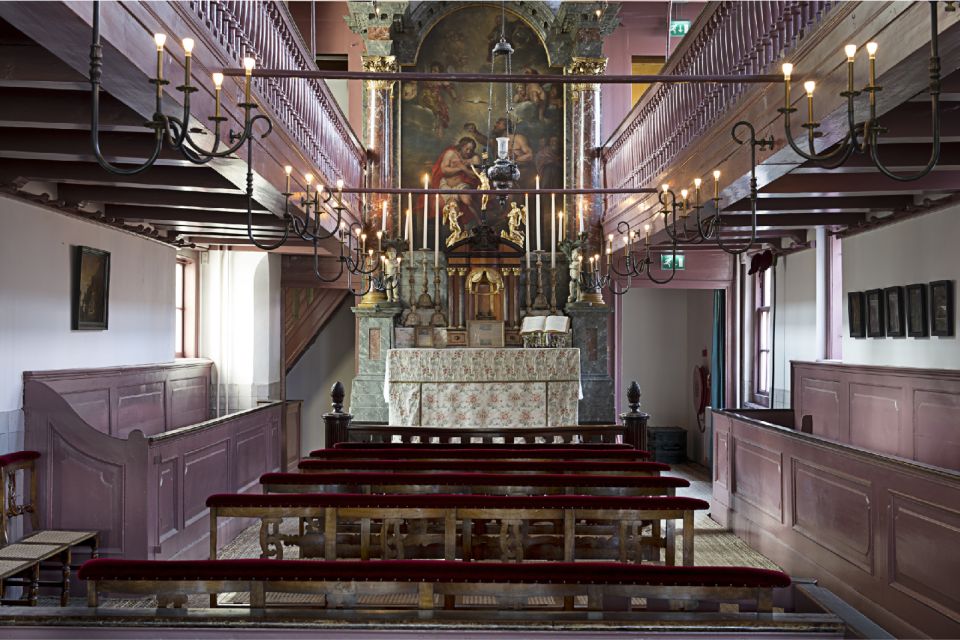
- Ons’ Lieve Heer op Solder and Café In’t Aepjen: Colorful Amsterdam Footnotes
- Bloedstraat and the Narrow-Alley Focus
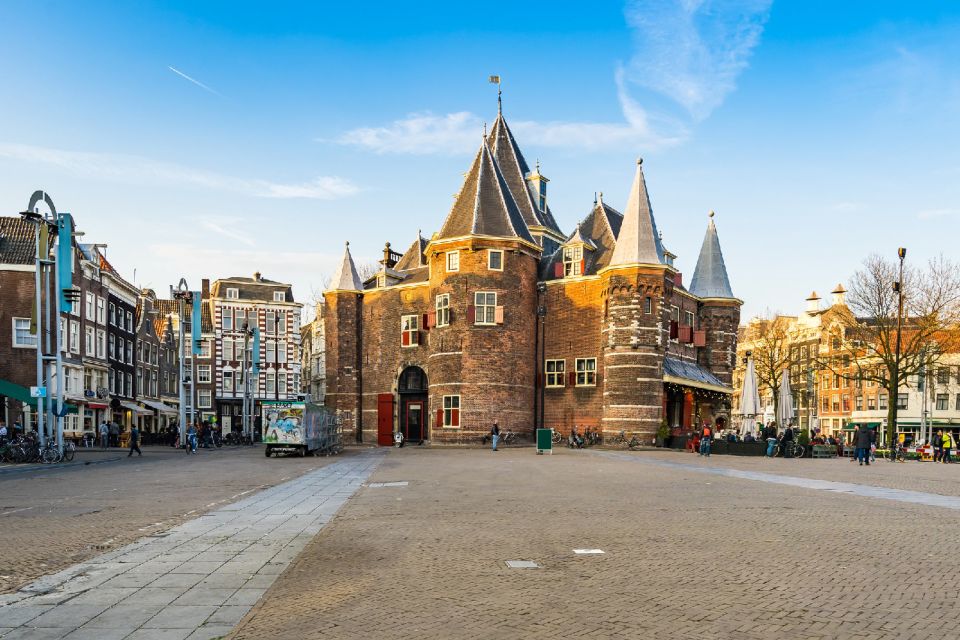
- Ending at Nieuwmarkt and the Waag Building
- Price and Value: What $7 Buys in Real Terms
- Smartphone Setup Tips: How to Keep It Working Offline
- Who This Tour Fits Best (and Who Should Rethink It)
- Should You Book This Amsterdam Red Light District Audio Tour?
- FAQ
- FAQ
- Where does the audio tour start?
- Where does the audio tour end?
- How long is the tour?
- Is there a live guide?
- What’s included in the price?
- Are museum or attraction entrances included?
- What languages are available?
- Do I need my own phone and headphones?
- Can I use it on a Windows phone?
- Is it refundable after activation?
Key Things to Know Before You Press Play
- Starts at Dam Square, no meeting point: you just begin where you are, and the route is designed to flow from there.
- Offline map included: download ahead so you don’t get stuck with weak signal in public areas.
- Oude Kerk and Belle on the route: older Amsterdam + a concrete tribute to sex workers’ rights.
- Stories include Ons’ Lieve Heer op Solder and Café In’t Aepjen: history with color, not just dates.
- Ends at Nieuwmarkt and the Waag building: you finish at a landmark tied to Amsterdam’s changing identity.
- Designed for English, German, and Italian: English is available, with options if you need another language.
Dam Square Start: Getting Oriented Before You Hear a Word
The audio tour begins at Dam Square, the starting point for your walking loop. There’s no live guide meeting you, no group huddle, and no official “ticket desk moment.” You’ll want to treat Dam Square like your launch pad: take a minute to orient yourself, then hit play.
Dam Square is about a nine-minute walk from Amsterdam Centraal, so it’s easy to pair with train travel. I like that this tour doesn’t force you into a “wait around and follow someone” rhythm. Instead, you control your timing, which is handy because Amsterdam sidewalks can slow you down fast—there’s always a bike, a canal view, or a detour to absorb.
Before you go, do the boring part correctly: download the tour and the offline content on your phone ahead of time. The tour notes that internet and mobile signal can be weak in public areas. With 100–150 MB of required storage, plan to have Wi‑Fi and a little patience before your walk starts.
You can also read our reviews of more tours and experiences in Amsterdam



A Respectful Red Light District Walk, Focused on Stories
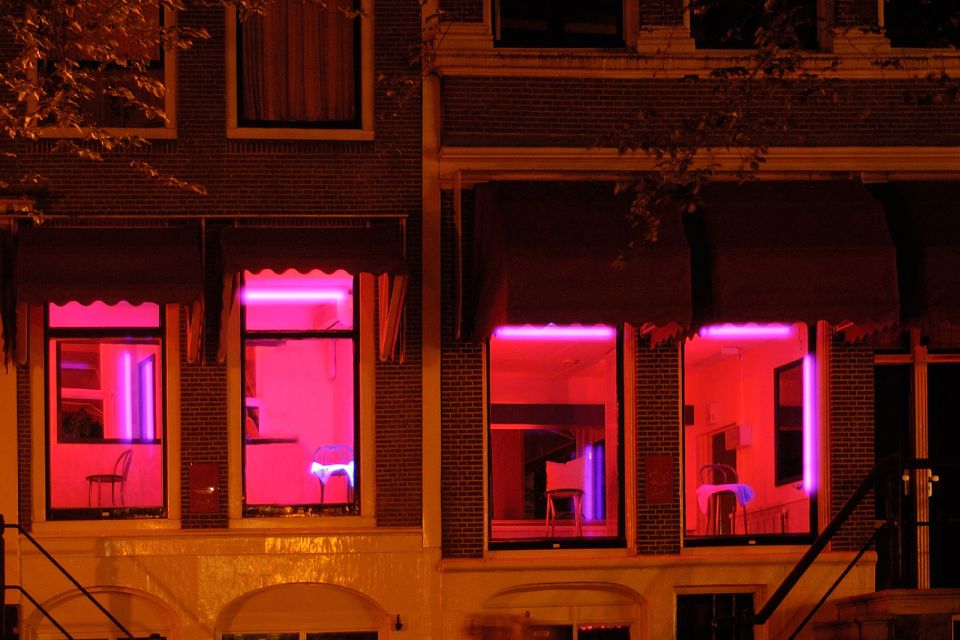
This tour is built around one big idea: learn the neighborhood as a place with a past, not just a place defined by its windows. You’ll hear about the birth of Amsterdam from the humble dam on the Amstel River, then the narration moves through centuries of stories that shaped the area.
You’ll also notice how the tour frames the topic. It’s designed to be respectful, with an emphasis on context—how sailors, merchants, residents, and travelers contributed to the neighborhood’s character over time. It’s not pitched as shock value. It’s more like: here’s how the city became what it became, and here are the structures and symbols that still show up in the street today.
Also, you should know what’s not included: site entry fees and museum access aren’t part of the price. That doesn’t mean you’ll miss everything. It just means some stops may be viewed from outside, and your “learning” at certain places may depend on what you can see without paying.
Oude Kerk and Belle: The Route’s Most Meaningful Stops
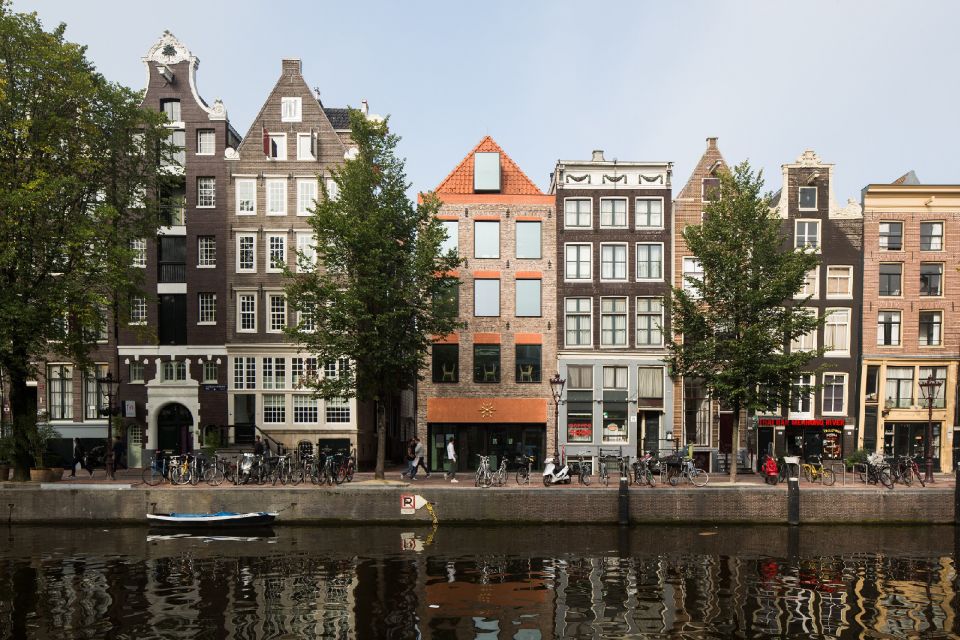
The Oude Kerk is one of those anchors you can’t really ignore. The tour highlights it as Amsterdam’s oldest building, which gives you a strong sense of scale. As you walk there, it helps to remember you’re moving through a neighborhood layered with civic and religious life—not just entertainment and nightlife.
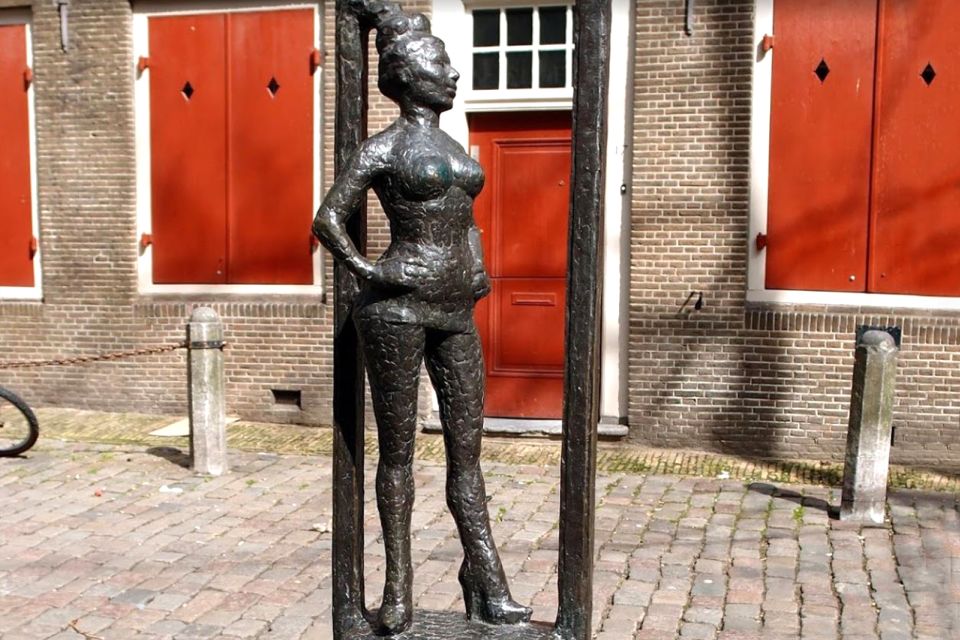
Just as important is Belle, a small statue honoring sex workers’ rights. The inclusion of Belle changes how you experience the district. You’re not only hearing about the neighborhood’s reputation—you’re seeing a reminder that sex work is tied to human rights conversations. It’s a subtle stop, but it adds a moral and historical weight that your usual “quick window tour” might skip.
If you like your city tours with meaning, you’ll probably appreciate that pairing: one stop rooted in old architecture, and another that points toward rights and recognition. It’s not preachy; it’s grounding.
Ons’ Lieve Heer op Solder and Café In’t Aepjen: Colorful Amsterdam Footnotes
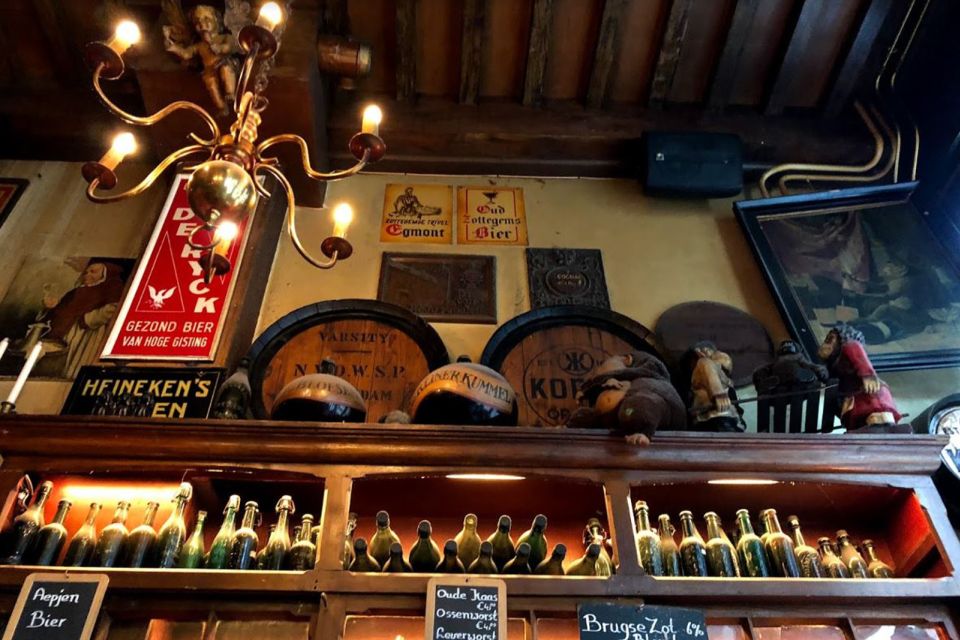
The narration pulls in places that feel like they’re hiding behind the everyday street scene. Two names matter here: Ons’ Lieve Heer op Solder and Café In’t Aepjen.
Ons’ Lieve Heer op Solder is described in the tour as a clandestine chapel. Even if you don’t go inside (and remember: entry isn’t included), the story framing matters. A clandestine chapel usually means tension, secrecy, and the way ordinary city life adapts under pressure. Hearing that while you’re walking through the area makes the neighborhood feel more layered and human.
Then there’s Café In’t Aepjen, a historic café that’s part of the highlights. Again, you may or may not choose to enter, but the tour uses it as a storytelling node—one of those spots where daily Amsterdam rhythms (conversation, community, travelers) likely played out over time. This is where the tour’s quirky concept shows its value: it makes you look at a building you might otherwise pass without noticing.
Bloedstraat and the Narrow-Alley Focus
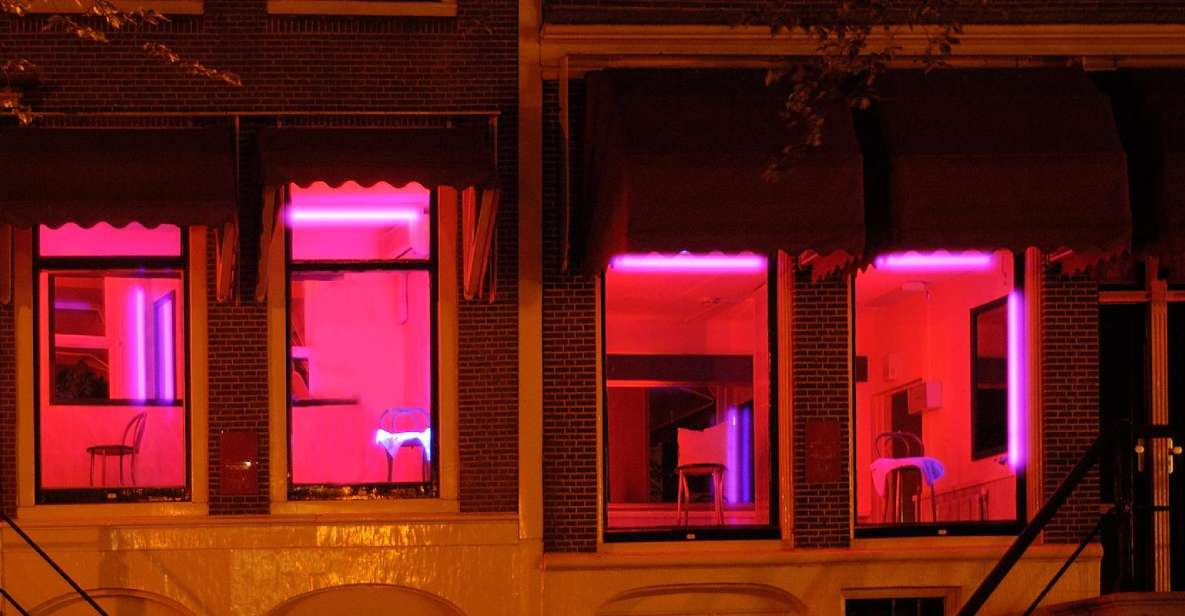
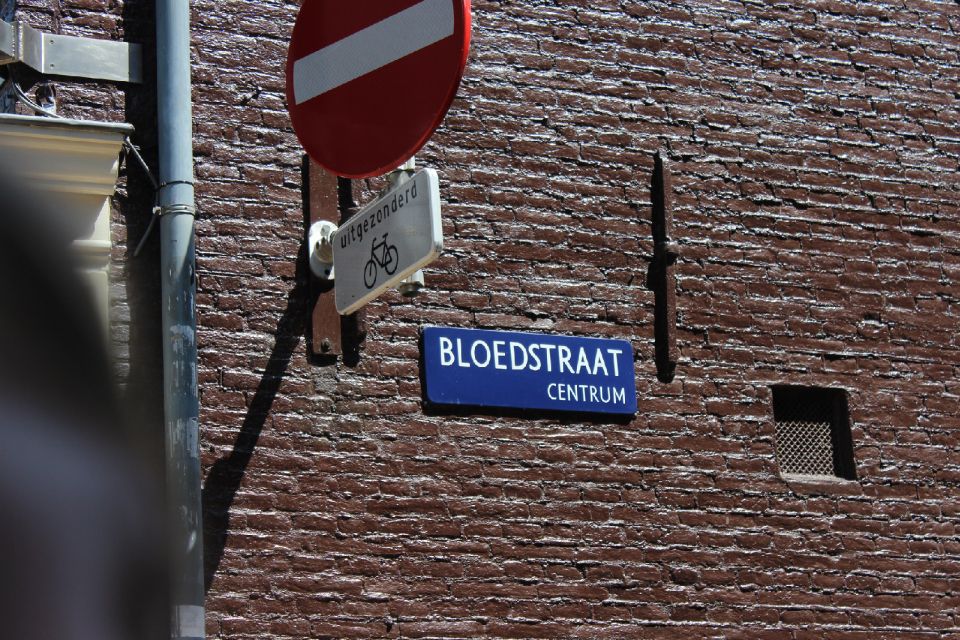
The tour includes streets and locations with memorable names, like Bloedstraat. You don’t need to know what it means on day one to feel the effect. A name like that nudges you to pay attention to what you’re hearing. Suddenly the walk becomes more than strolling—it becomes listening with your eyes open.
The narration also follows footsteps in a way that helps you connect the dots: sailors, merchants, residents, and travelers moving through narrow alleys and side corners. That walking style is useful because the Red Light District is visually compressed. If you only look straight ahead at the windows, the area can feel like a single scene. If you listen while you turn corners and slow down at side streets, the district expands into multiple eras.
A practical tip: don’t speed-run the audio. Keep your phone at a comfortable walking pace and pause when the story cues you to look at a building, statue, or street detail. It’s a one-hour tour, so every minute feels important—use that time well.
You can also read our reviews of more tours and experiences in Amsterdam




Ending at Nieuwmarkt and the Waag Building
You finish at Nieuwmarkt, home to the Waag building. The narration describes the Waag as having multiple identities over time: once a city gate, later a guild hall, and now a symbol of Amsterdam’s evolving identity.
That ending matters because Nieuwmarkt is the kind of place where you can keep your momentum after the tour. The Waag gives you a “stop-and-look” finale: it’s civic history rather than window history, which helps the tour land with a sense of meaning.
When the audio ends, you’ll likely feel you just walked the district in two layers: first the narrative layer (listening), then the visible layer (looking). Ending at Nieuwmarkt turns that into closure instead of a random cut-off mid-street.
Price and Value: What $7 Buys in Real Terms
At $7 per person, this is inexpensive by Amsterdam standards, mainly because you’re paying for an audio experience rather than a live guide or paid admission. Here’s what that means for value:
What you get:
- A self-guided smartphone audio tour (English, German, Italian)
- An offline interactive map
- A way to learn the neighborhood’s history and stories without paying extra at every stop
What you don’t get:
- No live guide
- No museum or site entrance fees
- You provide your own smartphone and headphones
- No food or transportation included
For me, the key value question is this: do you want to understand the neighborhood’s context while walking at your own pace? If yes, $7 is a fair trade. If you expected a guided, discussion-heavy explanation of the modern Red Light District itself, you might feel the price doesn’t match the depth you wanted.
One more note: the audio tour is limited to a small group concept (capped at 10 participants). Even though it’s self-guided, that cap can still mean the program expects lower crowding and a cleaner experience when many people download and start at once.
Smartphone Setup Tips: How to Keep It Working Offline
This tour lives on your phone, so tech matters. The requirements are straightforward:
- You need Android or iOS (not compatible with Windows Phones)
- Avoid older models listed as incompatible (for example: iPhone 5/5C or older)
- Storage space needed: 100–150 MB
- Plan to bring headphones and a charged smartphone
The offline plan is a big deal. The tour specifically warns that internet or mobile signal might be weak in some areas. If your phone depends on data and the signal drops, your audio could become unreliable. So treat this as an offline project: download before you arrive.
Also, remember the product note: it’s downloadable content, and you’ll receive an email from the local partner with instructions. Check your email spam folder too, because that’s the kind of thing that can trip you up when you’re ready to start.
And one operational detail that affects cost and convenience: it’s book per device, not per participant. If you’re traveling as a group, you’ll want to plan which phone does the tour narration.
Who This Tour Fits Best (and Who Should Rethink It)
This is a good match for you if you:
- Prefer self-guided walking over following someone on a tight schedule
- Like learning through storytelling tied to specific places (like Oude Kerk, Belle, and the Waag building)
- Want a respectful take on the district’s significance, with context rather than only spectacle
- Are comfortable with the fact that some highlights are historical and may not mean paid entry
It’s less ideal if you’re expecting the audio to focus heavily on the modern Red Light District’s day-to-day details. The structure of the tour—starting at Dam Square, weaving through churches and civic landmarks, and ending at Nieuwmarkt—suggests the emphasis is on history and place meaning.
Finally, it’s not suitable for children under 18, and the tour is built for adults who can handle mature subject matter respectfully.
Should You Book This Amsterdam Red Light District Audio Tour?
Book it if you want a short, well-paced way to understand what you’re seeing. Starting at Dam Square gives you a solid entry, and ending at Nieuwmarkt with the Waag building keeps the story tied to the city’s identity instead of stopping at the windows.
Skip it (or pair it with something else) if you mainly want a very modern, street-level guide to the Red Light District itself. This tour sounds designed for context: old buildings, rights symbolism like Belle, and neighborhood stories that explain how Amsterdam shaped this corner of the city.
My practical bottom line: at $7, this is a smart pick for independent walkers who like history that’s anchored to real landmarks—and who can handle a one-hour listen without expecting a live guide to answer questions on the spot.
FAQ
FAQ
Where does the audio tour start?
It starts at Dam Square. There is no meeting point and no live guide.
Where does the audio tour end?
The tour ends in Nieuwmarkt, at the Waag building area.
How long is the tour?
It’s described as a 1-hour smartphone audio tour.
Is there a live guide?
No. It’s a self-guided smartphone audio tour with narration on your device.
What’s included in the price?
You get the self-guided audio tour, an activation link to access it, and offline content including an offline interactive map.
Are museum or attraction entrances included?
No. Tickets or entry to specific sites or museums are not included.
What languages are available?
The audio tour is available in English, German, and Italian.
Do I need my own phone and headphones?
Yes. You’ll need a smartphone and headphones. The tour notes that headphones are required.
Can I use it on a Windows phone?
No. The audio tour is not compatible with Windows phones.
Is it refundable after activation?
It’s not refundable once the experience has been activated. Free cancellation is offered up to 24 hours in advance for a full refund.