REVIEW · MUSEUMS
Van Gogh Museum Skip the Queue with Audio Guide
Book on Viator →Operated by Julia Private Tour Trips · Bookable on Viator
Van Gogh, minus the ticket-line headache. With timed entry at Museumplein and an official audio guide, you can step in at your chosen time, then wander the museum at your own pace with commentary in your language. It’s a smart way to see one of Europe’s biggest Van Gogh collections without turning the visit into a waiting game.
I love that it’s built for slow, personal looking. The galleries follow a clear path from his earlier Dutch period into his French years, so you can watch his colors shift and his brushwork change as the story unfolds. And yes, the famous works are exactly where you expect them—up close, not on a postcard.
One thing to plan for: even with skip-the-ticket-line access, you still must pass security, which can get slow during busy periods.
In This Review
- Quick takeaways
- Timed Entry at Museumplein: Getting In Smoothly
- Audio Guide Basics: How You Actually Use It
- Inside the Museum: The Route That Turns Looking Into a Story
- Don’t Miss These Works: Sunflowers and the Big Famous Ones
- Letters, Technique, and Temporary Exhibitions: Why the Visit Feels Bigger
- Family Reality Check: Strollers, Seats, and Kid-Friendly Moments
- Price and Value: Is $111.74 Worth It?
- Practical Tips Before You Go
- Should You Book This Timed-Entry Audio Visit?
- FAQ
- Is there a live guide inside the museum?
- How long should I plan to spend at the Van Gogh Museum?
- Where do I pick up the audio guide?
- What does skip the queue mean with this ticket?
- Do I need to print my ticket?
- Can I take photos of the paintings?
- Can I change or get a refund if my plans change?
Quick takeaways
- Timed-entry entry means you pick a slot and avoid the on-site ticket-buying line.
- Official audio guide lets you move at your own speed, with language options.
- Chromatic journey through his career helps you see how Van Gogh’s style evolved.
- Top highlights include Sunflowers, The Bedroom, and Almond Blossom.
- Letters and context (including correspondence with Theo) add meaning beyond the paintings.
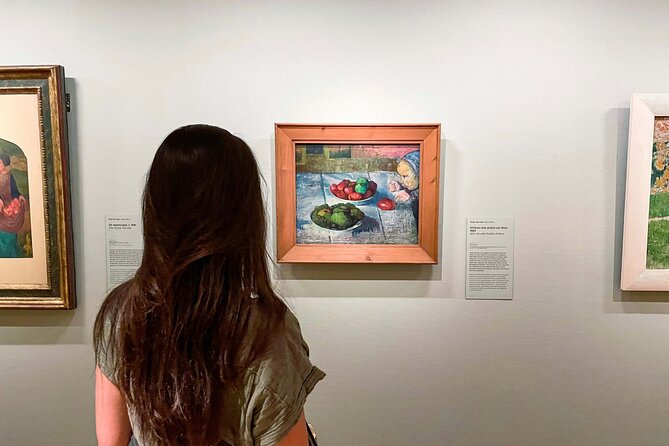
- Photos allowed without flash, lamps, tripods, or selfie sticks—handy for showing others what you loved.
Timed Entry at Museumplein: Getting In Smoothly

The Van Gogh Museum sits right on Museumplein in Amsterdam’s cultural zone, a convenient area if you’re also doing a few museum stops nearby. This experience is designed around private timed-entry tickets, so you can arrive for your slot instead of rolling the dice with walk-up lines.
Here’s the real-world flow: you meet at Van Gogh Museum, Museumplein 6, 1071 DJ Amsterdam, go through security, and then validate your tickets. Even when the ticket line is avoided, security is still mandatory—and on crowded days you should expect a wait. In other words, this is a time-saver, not a teleport button.
The visit itself is self-guided. You’re not waiting for a live guide to start talking, which is great if your group has mixed interests (some people want art; others need time to decompress). The typical stay runs about 1.5–2 hours, and you can stay until closing time.
You can also read our reviews of more guided tours in Amsterdam



Audio Guide Basics: How You Actually Use It
This is an audio guide experience, not a live-host tour inside the museum. Once you enter, you’ll collect the audio device at the information desk. After that, it’s all about your pace—stop when something grabs you, move on when you’ve seen enough, and don’t feel pulled along.
I like how the audio guide is positioned as a clear introduction, especially if you’re not an art-history person. The commentary is made for you to understand what you’re seeing—why a painting looks the way it does, what influenced it, and what changed over time.
A key practical note: the audio guide is generally recommended from age 13. Younger kids can still enter, but you might find that they don’t receive a device. If you’re visiting with children, plan for a mix: adults listen, kids roam more freely (or stick to family areas if you want breaks). In several family experiences, parents said this setup helped keep kids engaged—especially when they could break the visit into small goals rather than one long “museum marathon.”
Inside the Museum: The Route That Turns Looking Into a Story
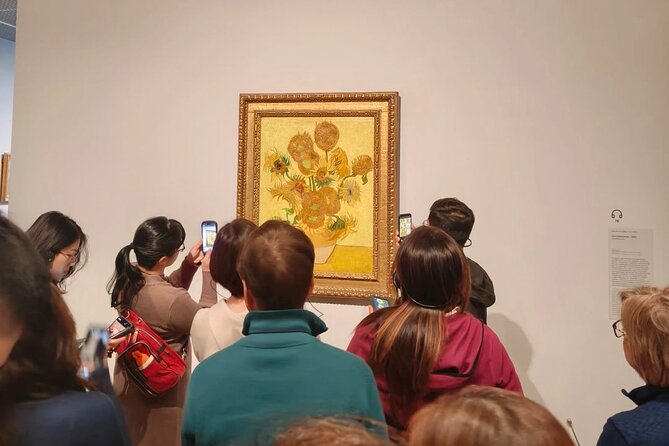
The museum’s layout is one of the biggest reasons this works so well as a self-guided visit. Instead of feeling like random rooms of paintings, you get a sense of sequence: early influences, then a shift, then later breakthroughs.
Your route starts with Van Gogh’s early Dutch period. Expect darker-toned works and rural themes that reflect his early years and the influences around him. Then, as you move through the galleries, the vibe changes. After his move to France, you’ll notice brighter colors and more expressive brushwork. This is the kind of change you can actually feel while walking, because you’re not reading about it—you’re seeing it transition in front of you.
There’s also a personal side. Along the way, the museum includes letters and correspondence, including messages from his brother Theo. That detail matters. Without it, Van Gogh can feel like an abstract genius. With it, he feels like a person working through ambition, frustration, hope, and pressure. A lot of visitors describe the life story as emotional—worth it if you want more than just pretty paintings.
Temporary exhibitions can also appear during your visit. Those are the kind of add-ons that help you connect Van Gogh to the broader art world and his legacy, without forcing you to read a textbook.
Don’t Miss These Works: Sunflowers and the Big Famous Ones
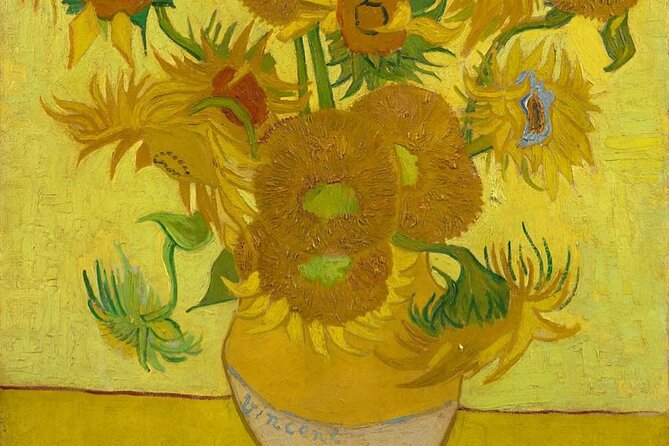
If you’re coming for the headline paintings, you’ll be in the right place. The collection includes several of Van Gogh’s most recognizable works, and the museum is structured so you naturally encounter them during your walk.
Some must-sees:
- Sunflowers: If you’ve only seen these in books, the scale and color effects hit harder in person.
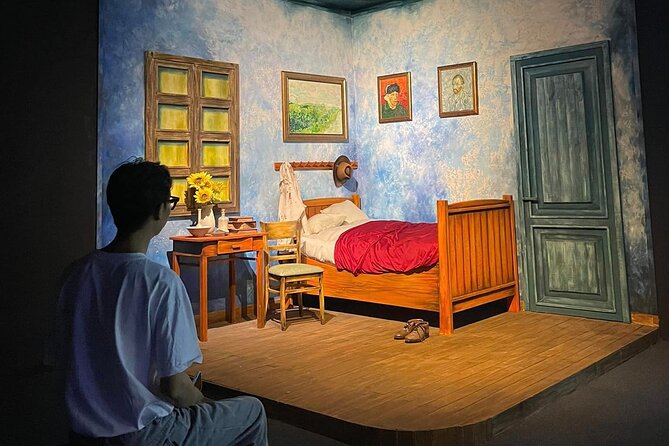
- The Bedroom: A good stop for understanding how Van Gogh used space, light, and mood—not just objects.
- Almond Blossom: The kind of painting where details reward slower looking.
I also recommend that you don’t rush past the smaller works while hunting the famous ones. The audio guide helps you catch what’s going on in lesser-known pieces, and those often connect the dots between the better-known masterpieces.
Practical tip: plan for photo breaks. You can take photos of the paintings as long as you don’t use flash, lamps, a tripod, or a selfie stick. That means quick snapshots are easy, and you won’t feel like you’re breaking the rules by taking a few.
Letters, Technique, and Temporary Exhibitions: Why the Visit Feels Bigger
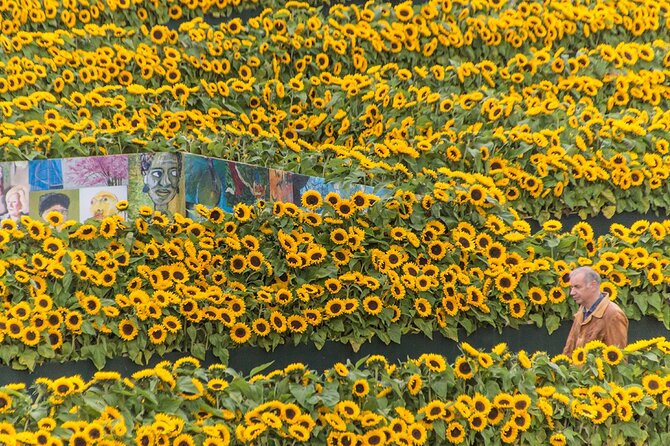
A lot of museum tickets only buy you time in front of art. This one gives you tools to understand why the art matters.
The museum’s letters (including Theo correspondence) add context that makes the artwork feel less random. You start to see how his thoughts and circumstances fed directly into what he painted. This is especially helpful if you’re wondering what to look for beyond color and brush texture.
Technique also gets attention through the audio commentary. You’ll be nudged to notice things like how brushwork changes, how certain scenes are built, and how different periods show different priorities. That turns “I like it” into “I can explain why I like it.”
And if a temporary exhibition is on during your visit, treat it as a guide to the larger conversation—how Van Gogh is interpreted, remembered, and placed within art history. It’s the kind of context that makes a self-guided museum visit feel more complete.
You can also read our reviews of more museum experiences in Amsterdam






Family Reality Check: Strollers, Seats, and Kid-Friendly Moments

This museum can be a great family stop, but it’s still a museum. The good news is that multiple family experiences highlight that the layout is workable and that there are places to rest.
In several accounts, parents mentioned:
- Stroller-friendly conditions
- Staff being patient and helpful when families asked questions
- Seating space for breaks, which helps a lot if your kids get tired after about an hour
Also, a few families reported fun museum add-ons like a scavenger hunt and kid-focused activities such as a children’s painting area. Those aren’t guaranteed in every visit the way the core exhibitions are, but if you’re traveling with young kids, it’s worth keeping an eye out when you’re inside.
My advice: treat the visit like a series of short missions. Pick one “must-see” painting (say Sunflowers), then add one contextual stop (letters to Theo), then finish with a break. That keeps the energy up and reduces the chance of a meltdown mid-gallery.
Price and Value: Is $111.74 Worth It?
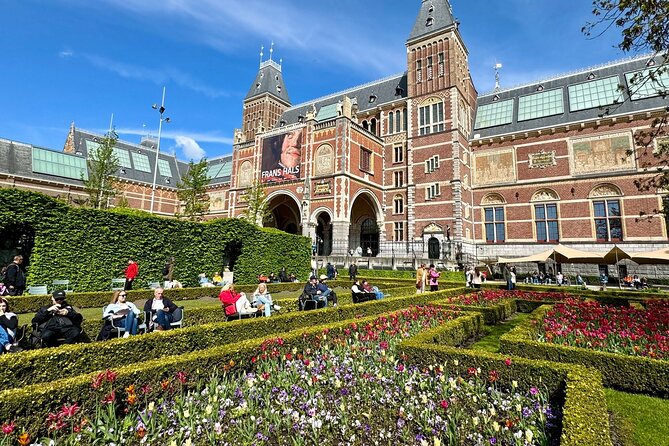
At $111.74 per person, this isn’t a cheap museum ticket—especially if you’re traveling as a family. So here’s how to judge value without getting annoyed about it later.
The main thing you’re paying for is time and friction reduction. You skip the on-site ticket-buying line via your pre-booked entry, and you get the audio guide component as part of the experience. If you’re visiting during a peak season, that can be a big deal. One family specifically mentioned Christmas-time busyness and being relieved that their ticket plan handled the worst of the crowding.
You’re also buying flexibility in how you explore. There’s no schedule pressure inside the galleries. For 1–2 hours, that’s a decent amount of museum time—enough to see multiple floors, slow down for favorites, and still feel like you did more than a quick photo stop.
Where the price can feel steep is if you already know you can get tickets easily on arrival and you only plan a brief pass through the collection. In that case, you might question whether you need the bundled convenience.
My take: the price makes sense when you want a stress-reduced entrance and a guided-in-sound experience without a live guide. If you’re the type who likes to plan and then relax, it’s usually a good fit.
Practical Tips Before You Go
A few small things make a big difference at Van Gogh:
- Choose your time slot wisely. Some families said an afternoon entry felt less crowded, which can help the whole day move smoother.
- Arrive with buffer time for security. “Skip the ticket line” doesn’t mean “no waiting at all.”
- Wear comfy shoes. The museum is a lot of walking, and even families who love art said kids can get tired.
- Bring patience for the emotional parts. The letters and his life context can be moving, not just inspiring.
- Double-check your ticket date and time. Tickets for a specific slot are fixed, and changes aren’t flexible in this experience.
One more note from the experience descriptions: tickets can be provided on a mobile device or printed, and they’re delivered at least 1 day in advance of your start time. That helps if you’re juggling travel plans and don’t want last-minute stress.
Should You Book This Timed-Entry Audio Visit?
Book it if you want:
- Timed entry to reduce crowd friction
- A self-paced museum visit
- An official audio guide that helps you understand what you’re seeing
- A visit length that fits a busy Amsterdam day (about 1–2 hours)
Skip this format if:
- You’re the kind of traveler who prefers the cheapest possible route and doesn’t mind on-site waiting
- You need a plan you can easily change last minute, since dated tickets can’t be adjusted
If you’re aiming for an organized, low-stress Van Gogh day with enough freedom to linger, this is a solid choice.
FAQ
Is there a live guide inside the museum?
No. This is an audio guide experience. You explore independently using the official museum audio guide.
How long should I plan to spend at the Van Gogh Museum?
Most visitors spend around 1.5–2 hours, but you can stay as long as you like until closing time.
Where do I pick up the audio guide?
The audio guide is collected inside the museum at the information desk.
What does skip the queue mean with this ticket?
You skip the line to buy tickets, but you still have to go through the museum’s mandatory security check.
Do I need to print my ticket?
You can print it, but you don’t have to. You can also present the ticket on a mobile device to check at the entrance.
Can I take photos of the paintings?
Yes, you can take photos as long as you do not use flash, lamps, a tripod, or a selfie stick.
Can I change or get a refund if my plans change?
This experience is non-refundable and cannot be changed for any reason.