
REVIEW · MUSEUMS
Amsterdam: Museum of the Canals Ticket with Audio Guide
Book on GetYourGuide →Operated by Museum of the Canals / Grachtenmuseum · Bookable on GetYourGuide
Canals tell Amsterdam’s real story. The Museum of the Canals on Herengracht pairs a beautiful 17th-century setting with an audio tour and multimedia presentation that frames the city through its waterways.
I really like two things here: the house itself—complete with classical period rooms—and the way the exhibits explain why canals mattered in the past and still matter for Amsterdam’s future. One watch-out: the multimedia animation style can feel dated, so if you’re expecting slick modern production, you may find it less satisfying for the money.
In This Review
- Key Highlights I’d Prioritize
- Museum of the Canals in a 17th-Century Canal House on Herengracht
- How the Audio Guide Turns Canal Facts Into a Usable Story
- Permanent Exhibition: The 400-Year Canal Timeline You Can Actually Follow
- Temporary Exhibitions: Extra Context Without Extra Tickets
- Price and What $22 Gets You in Amsterdam
- Who Should Book This Canal-Focused Museum (and Who Might Skip)
- Should You Book the Museum of the Canals Ticket?
- FAQ
- Where is the Museum of the Canals located?
- What’s included with the Museum of the Canals ticket?
- How long is the ticket valid?
- What languages are available for the audio guide?
- Is the museum wheelchair accessible?
- Can I get a full refund if I cancel?
Key Highlights I’d Prioritize
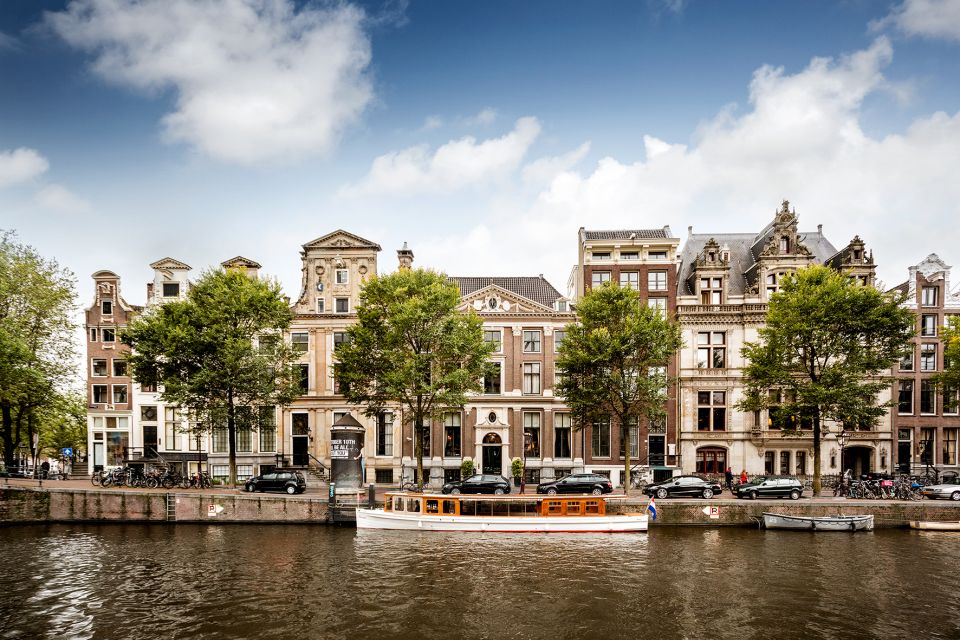
- 17th-century canal house on Herengracht, with classical period rooms you can actually wander through
- A 400-year perspective on Amsterdam’s canal evolution
- Audio tour included, with multiple language options (English, Dutch, German, French, Spanish, Italian, Russian, Japanese, Chinese)
- Permanent + temporary exhibitions included in the same ticket
- Canals as the main character, not just background decoration
- Wheelchair accessible and hosted with Dutch and English support
Museum of the Canals in a 17th-Century Canal House on Herengracht
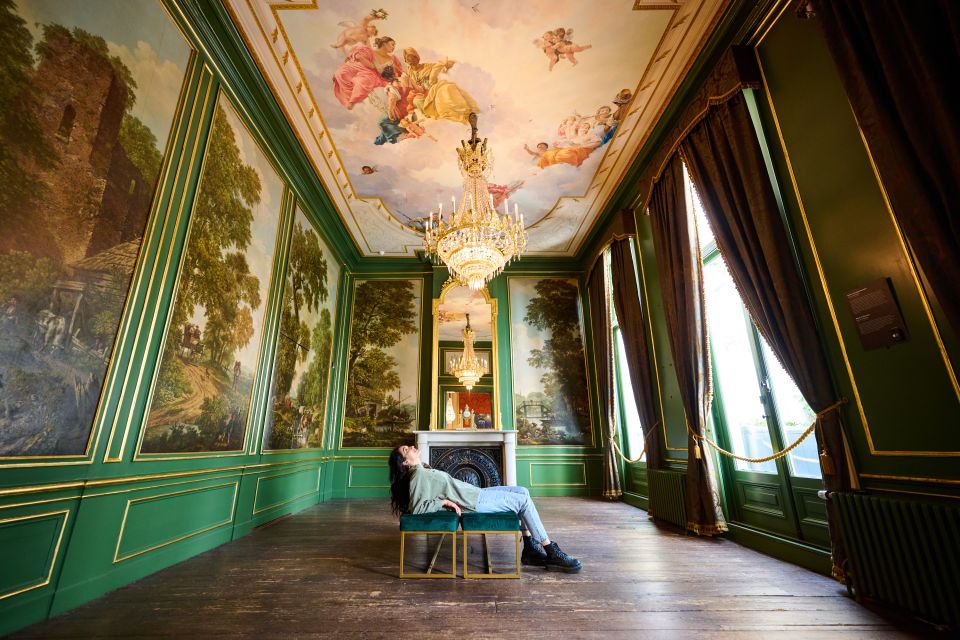
If you like Amsterdam’s canals, you’ll get more out of this museum than a quick photo stop. The Museum of the Canals (Grachtenmuseum) is based in a genuine 17th-century canal house on the Herengracht, in Amsterdam’s city center. That matters because you’re not just looking at information about the canals—you’re stepping into the kind of building that belonged to the world the canals supported.
Inside, you’ll find classical period rooms, which help you picture how life and commerce could be organized around water access. The building also gives a different feel than modern, boxy museums. Even if you don’t read every label, the rooms give you a sense of scale and era. It’s one of those experiences where the setting quietly does some teaching for you.
The museum’s angle is practical too: canals aren’t treated as pretty scenery. Instead, they’re presented as the city’s system—how Amsterdam moved people and goods, how it shaped neighborhoods, and how it continues to steer what happens in the city.
You can also read our reviews of more tours and experiences in Amsterdam



How the Audio Guide Turns Canal Facts Into a Usable Story
A big reason this ticket works well for many people is the audiotour. It’s included, and it covers multiple languages—Dutch, English, German, French, Spanish, Italian, Russian, Japanese, and Chinese. If you want the option to move at your own pace, an audio guide is a solid fit. You can pause where your attention goes, rather than trying to keep up with a live guide’s rhythm.
Just as important: the audio tour and multimedia presentation don’t treat canals as a single theme. They use the canals as a thread that connects different parts of Amsterdam’s story. You’re basically learning a way of looking at the city: why the water routes were so important, how they influenced growth, and why the canal system remains relevant.
The museum also frames the journey as going back about 400 years. That’s not only a timeline—it’s a way to understand the logic behind the infrastructure. When you grasp that logic, you start noticing canal details outside the museum. You may begin to see the canals less like decoration and more like a carefully planned network that shaped the city’s choices.
One small caution based on feedback: if you’re sensitive to production style, the multimedia presentation’s animation may not match your expectations. The takeaway is still about the canals, so you’ll want to focus on the explanations rather than judging the visuals by today’s standards.
Permanent Exhibition: The 400-Year Canal Timeline You Can Actually Follow
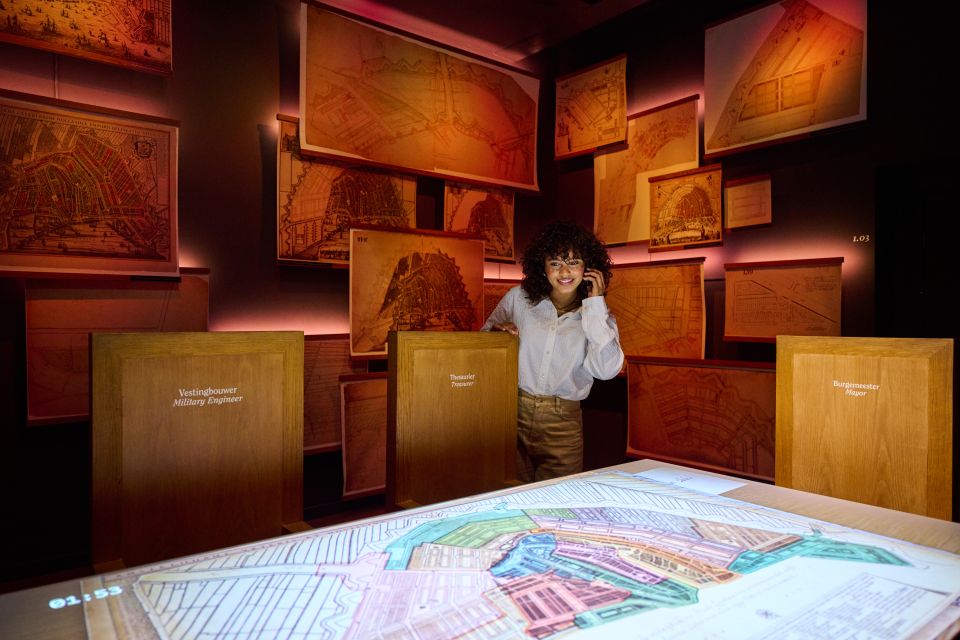
The heart of your visit is the permanent exhibition, set up to explain how Amsterdam’s canal system grew and why it became central. The museum uses multimedia to show the evolution of the city through the lens of its canals—presenting the water routes as a force that moved Amsterdam’s past into the present.
What I like about this approach is that it helps you connect facts to everyday realities. Canals are often described as historic features, but here you’re guided to understand the practical reasons behind them and the ongoing consequences. The exhibits push you to think about cause and effect: canals influenced where activity clustered, how movement happened, and how the city functioned. In other words, you’re not just learning dates—you’re learning relationships.
Another useful aspect is the museum’s emphasis on importance beyond nostalgia. The canals are shown as still relevant for the future, not just a relic to admire. That viewpoint can change how you walk around Amsterdam afterward. Instead of asking only what something looks like, you’ll be more likely to ask what role it plays.
Because the museum is housed in a canal house, you get an added layer: the “system” you’re learning about is tied to the kind of homes and rooms that benefited from canal access. That combination—real rooms plus a guided narrative—makes the permanent exhibition feel more grounded.
Temporary Exhibitions: Extra Context Without Extra Tickets
Your ticket includes the permanent exhibition and also the museum’s temporary exhibitions. That’s a nice bonus because canal history can get repetitive if a museum only sticks to one approach. Temporary exhibits can shift the angle—often adding fresh viewpoints or focusing on specific aspects of the canal story.
What you should expect, practically, is time flexibility. You can go straight through the main permanent section first, then decide how much attention you want to spend on what’s currently on display. Because you’re not paying extra for the temporary part, it’s worth scanning when you arrive and using your time based on your interest level.
This is especially good if you’re the type of visitor who likes a balance: one solid “core” experience plus the chance to pick up an extra theme. Even if you don’t linger long, the temporary exhibition can add a new lens, which helps prevent the day from feeling like a single-note lecture.
Price and What $22 Gets You in Amsterdam
At about $22 per person, this isn’t a budget “quick stop,” but it also doesn’t feel overpriced for what’s included. You’re paying for entrance to the Museum of the Canals—both permanent and temporary exhibitions—and an audiotour.
For me, the value comes down to two things. First, you get the ticketed experience plus interpretation. Audio tours are useful because they help you make sense of what you’re seeing without forcing you into a group pace. Second, you’re not just learning about canals from outside. You’re learning inside a historic canal house, which already gives the visit a stronger sense of place than a purely informational museum.
Is it worth it? The positive side is clear: people have called the museum beautiful and felt it was worth the price. The other side is also understandable: if the multimedia animation style feels outdated to you, it can reduce perceived value. So the real question is your tolerance for the museum’s presentation style. If you’re there for meaning, not film-quality effects, the ticket still makes a lot of sense.
You can also read our reviews of more guided tours in Amsterdam






Who Should Book This Canal-Focused Museum (and Who Might Skip)
This museum is a great match if you:
- love Amsterdam’s canals and want to understand why they’re so important
- prefer an audio guide so you can move at your own pace
- enjoy historic interiors, especially 17th-century buildings and classical period rooms
- want both permanent and temporary exhibition content with one ticket
It may not be ideal if you:
- strongly care about modern, high-production visuals in multimedia exhibitions
- expect the visit to feel like a brand-new show rather than a canal-history museum
The overall vibe is educational but not dry. The canal story is treated as central to the city, and that focus keeps it from turning into a generic museum day. If you’re planning other canal-adjacent activities (like walking routes), this museum gives you better “reading skills” for what you’ll see afterward.
Should You Book the Museum of the Canals Ticket?
I’d book it if you want a smarter way to experience Amsterdam’s waterways. For the price, you get a historic canal house setting plus a permanent exhibition that explains the canal system’s purpose and its ongoing relevance, with an audio tour in many languages.
I’d hesitate only if you’re very particular about the look and feel of multimedia animation. If that’s you, go anyway if you’re more interested in the canal story itself than the production style.
If your goal is understanding Amsterdam beyond postcards, this ticket is a strong choice.
FAQ
Where is the Museum of the Canals located?
It’s in Amsterdam’s city center, housed in a 17th-century canal house on the Herengracht.
What’s included with the Museum of the Canals ticket?
Your ticket includes entrance to the permanent and temporary exhibitions and an audiotour.
How long is the ticket valid?
The ticket is valid for one day. Starting times depend on availability.
What languages are available for the audio guide?
The audio guide is available in Dutch, English, German, French, Spanish, Italian, Russian, Japanese, and Chinese.
Is the museum wheelchair accessible?
Yes, the museum is wheelchair accessible.
Can I get a full refund if I cancel?
Yes. Free cancellation is available up to 24 hours in advance for a full refund.