REVIEW · AMSTERDAM
The Battle of Arnhem (from Amsterdam)
Book on Viator →Operated by Martin van Elmpt · Bookable on Viator
Arnhem’s bridge still feels close to the past. This private, 8-hour Battle of Arnhem tour pairs John Frost Bridge with a visit to Airborne Museum at Hartenstein, plus WWII stories that actually connect the dots between the fighting and the terrain. I love the personal pace of a private guide and how you get your museum time handled with admission included. The main drawback: lunch and dinner are not included, so plan your stops so the day doesn’t turn into constant snack math.
I also like that this is practical. You get round-trip transit from central Amsterdam, so you’re spending your energy on the sites, not on figuring out routes. It’s also a good fit if you’re comfortable with a moderate walking level and want an English-speaking guide who can answer hard questions.
In This Review
- Key things to know before you go
- John Frost Bridge: where the story turns into ground you can stand on
- Airborne Museum at Hartenstein: former HQ energy and hands-on WWII learning
- Wolfhezerheide drop zones: seeing the operation’s map in real space
- Martin van Elmpt as your guide: why the storytelling feels personal
- Price and value: what you’re really paying for at $414.53
- Timing, comfort, and how to prepare for an 8-hour WWII day
- Should you book the Battle of Arnhem tour from Amsterdam?
- FAQ
- How long is the Battle of Arnhem tour from Amsterdam?
- What stops are included?
- Is admission included for the museum?
- Is lunch included?
- Does the tour offer pickup in Amsterdam?
- What language is the tour conducted in?
- Is this a private tour?
- What fitness level is required?
- Is free cancellation available?
Key things to know before you go
- Private, small-group feel with Martin van Elmpt and only your group participating
- Round-trip transit from central Amsterdam, so logistics stay simple
- John Frost Bridge as the main target stop, with no admission fee
- Airborne Museum at Hartenstein with museum entry included, plus WWII context you can’t get from photos
- Wolfhezerheide drop zones visit for the ground-level view of airborne operations
- English guide for clear storytelling and Q&A, including how film compares to real locations
John Frost Bridge: where the story turns into ground you can stand on
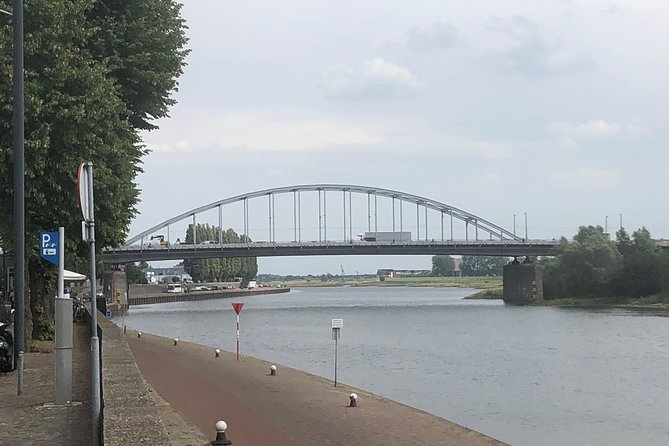
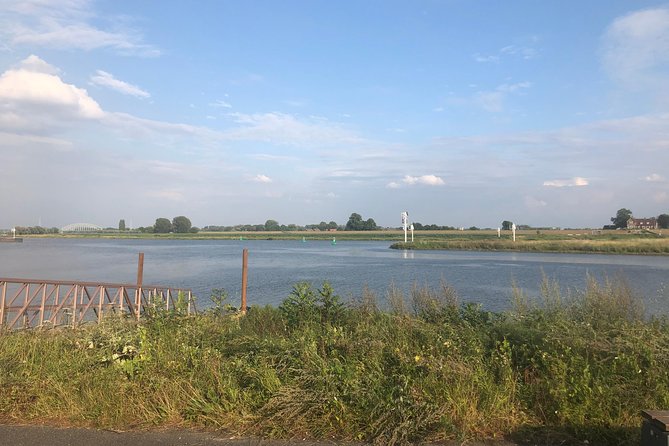
Start your day at the John Frost Bridge, known as John Frostbrug. This is the central piece of the puzzle for the Battle of Arnhem, so it sets the emotional tone fast. You get around 20 minutes here, which is enough time to orient yourself, take in the bridge structure and surroundings, and understand why this spot became such a focal point.
What I like about this first stop is that it avoids the common museum-trap of starting with lots of facts and ending with blurry photos. Standing at the bridge early helps everything else make sense later—especially when the guide starts describing the operation and what forces were trying to do around it in 1944.
A heads-up: this isn’t a casual “stretch your legs and move on” stop. The bridge is tied to real people and real losses. If you prefer light sightseeing, you may find this portion heavy. If you like meaning over postcard views, it lands exactly where it should.
You can also read our reviews of more tours and experiences in Amsterdam.
Airborne Museum at Hartenstein: former HQ energy and hands-on WWII learning
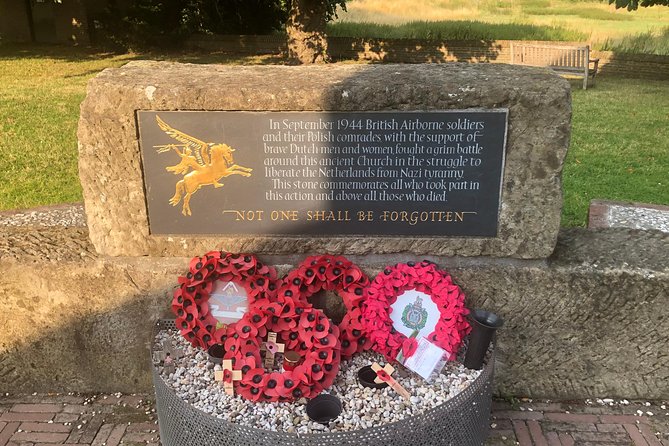
Next comes the Airborne Museum at Hartenstein, your stop-two centerpiece with about an hour on site. This building carries weight because it was used as a British headquarters, and the museum is built around Operation Market Garden and the airborne effort.
The museum visit is one of the best uses of the day because it gives you a framework. After you’ve seen the bridge outside, the museum helps you understand the why and how: what the plan was, what the troops were facing, and how airborne operations depended on timing, geography, and coordination. It’s also included in your price via museum fees, so you don’t have to juggle extra ticket costs.
One thing to know: there’s an attraction inside that can include a simulated flight and even a moment that feels like exiting from a glider after landing. It’s the kind of experience that makes you feel the operation instead of just reading about it. If you’re sensitive to motion-style simulations, be aware you might encounter something like that during the museum visit.
Also, if you’ve watched A Bridge Too Far or read related accounts before your trip, your guide can help connect what’s on screen to what you’re actually standing near. That kind of “what’s accurate and what’s dramatized” talk turns a museum stop into a comparison lesson you’ll remember.
Wolfhezerheide drop zones: seeing the operation’s map in real space
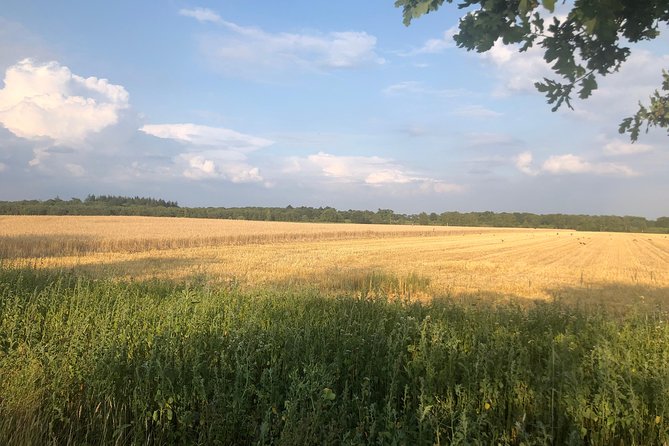
After Hartenstein, you head to Wolfhezerheide, one of the British Airborne troops’ drop zones. This is your third stop, with about an hour allocated. Admission here is free, which helps keep the overall day’s costs predictable.
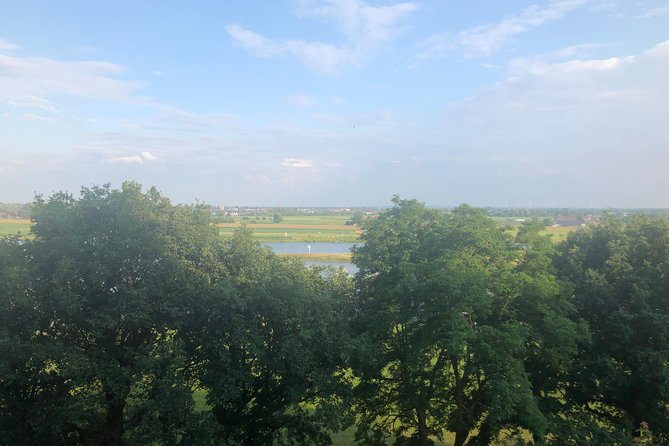
This is where the tour starts to feel like it’s moving from narrative to geography. Drop zones are not just dots on a map. They’re fields and edges and approaches—places where the land affects visibility, movement, and recovery after a jump or landing. When you’re standing there with a guide who can point out what mattered, you can better picture what troops were dealing with immediately after landing.
The main drawback of focusing on drop zones is that you can’t overdo it. You’ll want comfortable shoes and a calm pace, because outdoor terrain plus WWII interpretation means you’ll likely be looking down at ground level as much as you’re looking across distances. If you rush, you miss the value. If you take a breath and linger, this stop becomes one of the most memorable parts of the day.
Martin van Elmpt as your guide: why the storytelling feels personal
The biggest reason this kind of tour works is the guide. This one is led by Martin van Elmpt (and you’ll often just hear him called Martin), and the style is part lesson, part conversation.
What I like about Martin’s approach is flexibility. The day isn’t only about checking three boxes. He can tailor where you spend time based on what you care about most, whether that’s tactical detail, specific units, or connecting famous locations to what you’ve read or watched.
On a route like this, that matters. WWII history can become a blur if you’re stuck with a rigid script. With Martin, you can get answers that history books don’t cover in plain language—like why certain places were chosen, how the terrain factored in, and which parts of popular portrayals align with real geography.
The day also has room for expanded stops tied to the broader conflict. You may also be taken to additional significant sites such as a British military cemetery, viewpoints connected to attempts along the Rhine, and locations associated with General Urquhart. There may even be a chance to see additional memorials connected to the Polish contribution, including a church memorial to General Sosibowski and a Polish drop zone. If you’re the type who likes to leave with a sense of completeness—without feeling like you were herded—that’s a major win.
And yes, the guide can often answer the odd question you didn’t know you’d have until you saw the place.
Price and value: what you’re really paying for at $414.53
At $414.53 per person, this is not a budget afternoon. But it’s also not just a taxi with a microphone. You’re paying for private, guided, round-trip transit from central Amsterdam, plus museum fees.
Here’s how that value tends to shake out for you:
- You’re saving time. Round-trip transit from central Amsterdam means you’re not planning train or driving logistics for an 8-hour day where timing matters.
- Museum costs are handled. Airborne Museum at Hartenstein is included, and your museum fees are part of what you pay.
- You get a tailored route. Private guiding is where the “extra cost” turns into an advantage. If you care about accuracy, specifics, and the ground truth behind famous WWII references, you’ll feel that value quickly.
- You’re getting a fuller picture than a postcard day. Instead of only doing a single highlight, you’re seeing the bridge, learning inside at Hartenstein, and walking through or viewing airborne-related terrain at Wolfhezerheide.
What’s not included is lunch and dinner. That’s the part you need to budget mentally. Bring snacks or plan a meal stop nearby so the day stays enjoyable instead of turning into decision fatigue.
If you’re a WWII history buff, the price makes more sense because you’re getting expert-level interpretation, not just transport between sites. If you’re unsure whether you’ll love WWII specifics, you might want to read one or two related accounts (or at least skim) before you go. The guide can connect the dots better when you already have a framework in your head.

Timing, comfort, and how to prepare for an 8-hour WWII day
This tour runs about 8 hours, starting at 9:00 am. That’s a full day, so treat it like one. The good news is your main stops are spaced so you can absorb each part: a short orientation at the bridge, an hour inside the museum, and an hour outdoors at Wolfhezerheide.
Since the tour calls for moderate physical fitness, keep expectations realistic. You’ll want comfy shoes, and you should be ready for outdoor walking and standing at viewpoints. Even if you’re not doing long hikes, WWII site touring tends to mean you’ll pause often to read, look, and take in details.
Language is English, and the tour is private, so you can ask questions freely. If you’re traveling with someone who likes history but needs breaks, you’ll likely appreciate the ability to slow down and linger where interest is highest.
Weather matters here more than you’d think. The outdoor components (like the drop zone) are exposed. Bring a light layer and plan for Dutch weather to do what Dutch weather does.
Should you book the Battle of Arnhem tour from Amsterdam?
I think you should book this tour if you fit one of these profiles:
- You care about WWII history and want the ground-level story tied to specific locations.
- You like tours where you can ask questions and get explanations that connect terrain to events.
- You’ve watched A Bridge Too Far or read related accounts and want help sorting fact from drama using real places.
- You want a private day with your own pace and a guide who can tailor where you spend time.
I’d hesitate if you want a light, carefree sightseeing day. This is serious history with emotional weight. And if you hate planning meals, remember lunch and dinner are not included.
If you want a day that feels structured but not rigid—bridge, museum, drop zones, and the chance to understand the wider conflict around Arnhem—this is a strong choice.
FAQ
How long is the Battle of Arnhem tour from Amsterdam?
It’s approximately 8 hours.
What stops are included?
The tour includes the John Frost Bridge, the Airborne Museum at Hartenstein, and Wolfhezerheide.
Is admission included for the museum?
Yes. Admission for the Airborne Museum at Hartenstein is included. John Frost Bridge and Wolfhezerheide are listed as free admission.
Is lunch included?
No. Lunch and dinner are not included.
Does the tour offer pickup in Amsterdam?
Yes. Pickup is offered, and round-trip transit from central Amsterdam is included.
What language is the tour conducted in?
The tour is offered in English.
Is this a private tour?
Yes. It’s a private tour/activity, and only your group will participate.
What fitness level is required?
A moderate physical fitness level is recommended.
Is free cancellation available?
Yes. You can cancel up to 24 hours in advance for a full refund.