REVIEW · ANNE FRANK & WWII HISTORY TOURS
The Anne Frank Tour (Jewish Neighborhood & Amsterdam during WWII)
Book on Viator →Operated by Guided Tour Holland · Bookable on Viator
Anne Frank’s Amsterdam history hits differently on foot. This 2-hour guided walk links key streets, landmarks, and WWII context to Anne Frank’s daily reality, without needing museum tickets for the highlights. It’s a small group up to 10, starting right by the National Monument at Dam.
What I like most is the storytelling: the guide puts Anne Frank’s diary and the wider Jewish experience during the Nazi occupation into concrete places you can actually stand in. I also like that the tour keeps you moving through the city—so the “why” behind each location shows up alongside the “what happened here.”
One thing to factor in: this tour is an outside look only at the Anne Frank House area. If your priority is going inside, you’ll need to book that separately, since this experience does not include entry.
In This Review
- Key things to know before you go
- What this Anne Frank tour does well (and where it stops)
- Start at Dam: why this meeting point matters
- Stop 1: the Anne Frank House outside visit (the story starts quietly)
- Stop 2: Dam Square and the moment after liberation
- Stop 3: Westertoren and the bells Anne might have heard
- Stop 4: the longer walk through the Anne Frank neighborhood
- Guides: small-group size plus story craft
- Price and value: what you pay for, and what you plan separately
- A few real-world considerations before you choose this tour
- Who this walking tour is best for
- Should you book the Anne Frank Tour?
- FAQ
- Does this tour include entrance to the Anne Frank House?
- How long is the Anne Frank Tour?
- Where does the tour start and end?
- Is this an English-speaking tour?
- How large is the group?
- Are there admission fees for the stops?
- Is the tour near public transportation?
Key things to know before you go
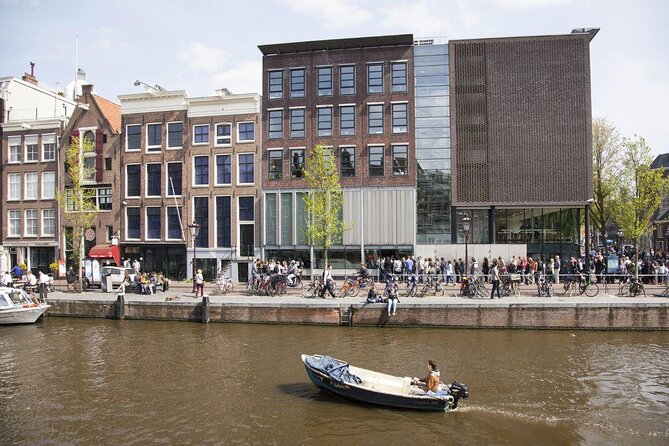
- Outside viewing, not House entry: you see the Anne Frank House area from the street and learn from there
- A true small-group format (max 10 people) that keeps questions in reach
- Central stops with big context: Dam Square and Westertoren connect the story to liberation-era Amsterdam
- A longer walk through the neighborhood to help you picture what Anne could hear and see
- Guides are praised for strong storytelling with personal perspective and historical visuals
What this Anne Frank tour does well (and where it stops)
This is a guided walking tour built around a simple idea: Anne Frank’s story isn’t only contained inside a building. The better you understand the streets, sounds, and surrounding events, the more real the diary becomes.
The tour centers on Anne Frank’s life in Amsterdam during WWII, with an approach that balances personal story with city-scale history—especially around the Jewish community under Nazi rule. You’ll cover a few key points, but the real value is how the guide ties each stop to what Anne might have experienced from her hidden place.
Just be clear about the boundary. The tour may stop near the Anne Frank House, but you do not go inside during this experience. That makes it a strong option when you can’t get House tickets, or when you want the context first (then go back later if you manage to book entry).
You can also read our reviews of more tours and experiences in Amsterdam.



Start at Dam: why this meeting point matters
You’ll meet at the National Monument on Dam, and the tour runs at 11:00 am. Starting here is more than convenient geography. Dam is one of the busiest anchors of central Amsterdam, and it’s the easiest place to orient yourself before the tour pulls you into WWII-era context.
This also matters because you can arrive using public transportation. The tour is set up for that kind of casual arrival, not a remote meeting point that eats your energy.
One practical note: if you’re late, you won’t be able to catch up on your own during the walk. Plan to be there a bit early so you don’t lose part of the route.
Stop 1: the Anne Frank House outside visit (the story starts quietly)
The first stop is at the Anne Frank House, but you’ll be outside. That sounds like a downgrade until you understand the angle of this tour: the guide uses the street-level setting to tell the hiding story, then expands outward into Amsterdam under occupation.
This outside approach can work really well. You’re not stuck in lines or inside exhibit flow—you’re listening to history in the exact urban space where that history unfolded. The tour description leans on how the area “quietly tells a story of hiding,” using Anne’s diary to connect the personal with the city around her.
You’ll also get a broader wartime framework as you walk onward. The route references Resistance Museum connections, plus the idea of secret bunkers and other wartime hiding places scattered through Amsterdam. You don’t need to be an Amsterdam history expert to follow this; the guide’s job is to make the city feel like it’s showing its wartime layers.
Timing check: this opening stretch is about 20 minutes, and House admission is not included.
Stop 2: Dam Square and the moment after liberation
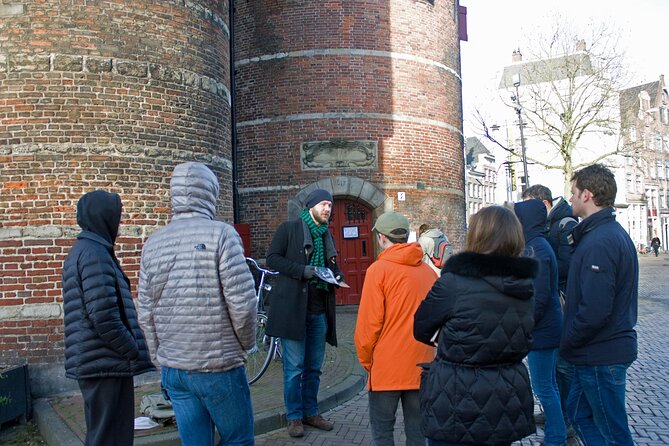
Next is Dam Square, again outside and again focused on meaning, not crowds.
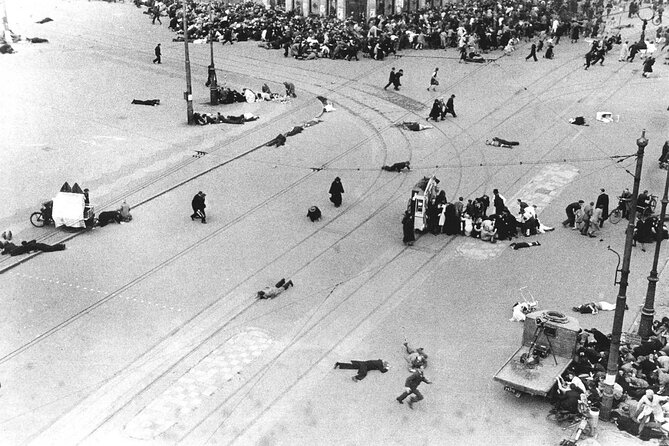
Here the guide points to the shooting that happened in Amsterdam after the country was liberated. Even with only about 20 minutes at this stop, it gives you something important: the war didn’t end cleanly on liberation day. There were still violent tensions in the transition period, and that reality sits inside the broader Anne Frank era.
This kind of stop can be heavy, especially if you’re visiting with kids. The good news is that a flexible, human guide can adjust pacing when needed. In previous tours, guides have specifically been praised for adapting explanations to suit family situations—so if you think your group might need gentler handling, choose your time thoughtfully and tell the guide what you need.
Dam Square admission is free for this stop.
Stop 3: Westertoren and the bells Anne might have heard
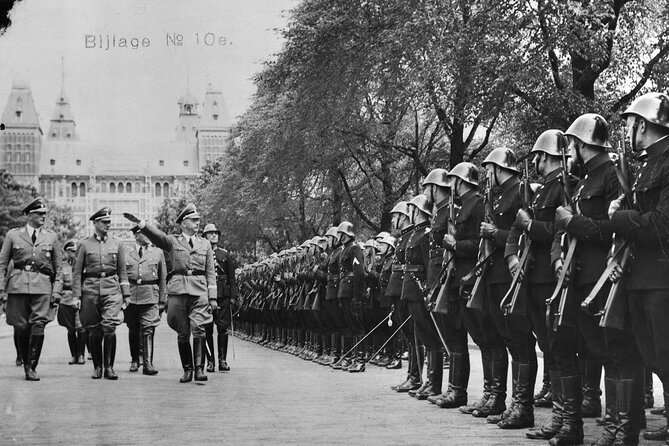
After Dam Square, you head to Westertoren. This is the kind of location that makes a diary feel less like text and more like lived experience.
The focus here is the churchbells. The guide ties them to what Anne Frank could hear from her hiding place, then uses the sound idea to help you picture daily life inside the secret annex: not just what happened, but what life sounded like through walls.
This stop is also about 20 minutes, with admission free.
If you’re the type who likes your history grounded in physical detail, this part often lands well. It’s not just names and dates—it’s an imaginative bridge between the diary and the city’s everyday signals.





Stop 4: the longer walk through the Anne Frank neighborhood
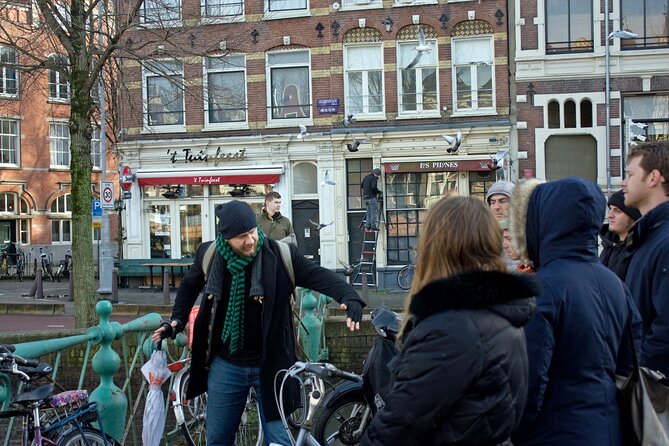
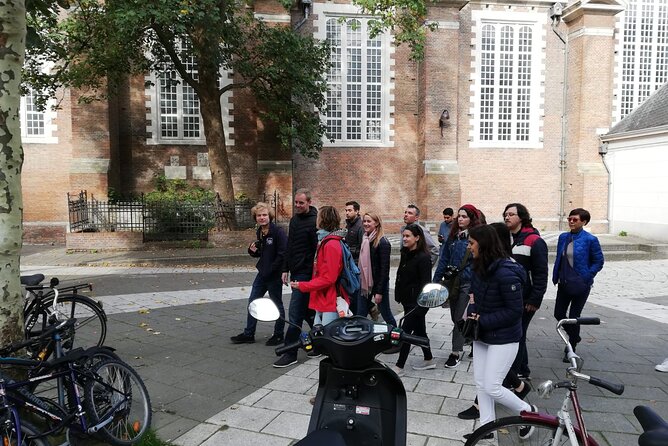
The final segment is about 1 hour walking through the area where Anne Frank lived before and during the period she was in hiding. This is where the tour shifts from point-by-point landmark viewing into a continuous neighborhood narrative.
The guide asks practical, diary-based questions: what could Anne see from outside her hiding space, and what would reach her by sound? You’ll also get context for how Amsterdam changed during those years, especially around Jewish life and Nazi pressure.
This longer section matters because it turns scattered stops into a coherent mental map. You finish with a better sense of the city’s layout and how movement through Amsterdam would have felt during the occupation era.
Also worth noting: you’re not paying for extra admissions here. This stop is listed as free, which keeps the whole tour feeling like a guided walk rather than an add-on ticket day.
Guides: small-group size plus story craft
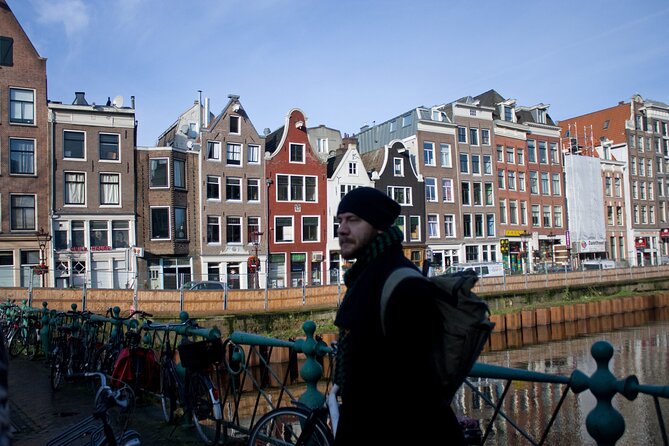
This tour runs with a maximum of 10 travelers, which is a big deal for this kind of subject matter. With fewer people, the guide can slow down when someone asks a good question, and they can better adjust to the emotional energy of the group.
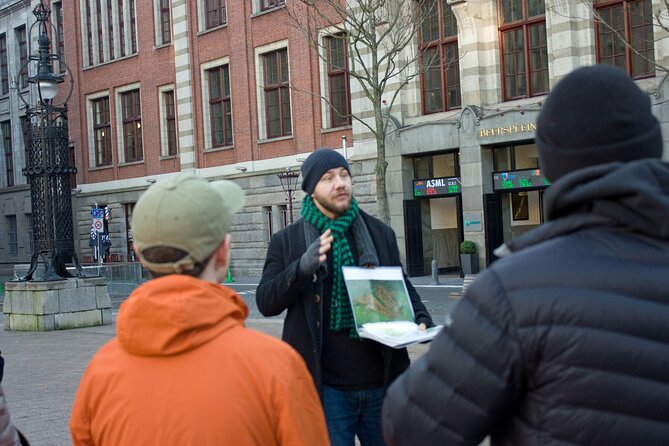
The reviews attached to this experience consistently highlight guides who mix personal perspective and historical visuals (like documents and maps). That combination tends to do two things at once:
- It makes the story feel human, not just academic.
- It helps you remember the geography because you’re seeing it anchored to evidence.
A few named guides have been praised for different strengths:
- Sebastian/Sebastiaan for using documents or maps and bringing personal perspective to life
- Marius for mixing historical and personal stories
- Luc for making the tragedy of war feel present without losing clarity
- Craig for adapting the tour when details might be too upsetting for a younger child
- Maurice for making allowances for a guest on crutches
That last point is especially important if accessibility is a concern. You won’t see specific equipment support described for the tour overall, but the reviews include at least one instance where the guide adjusted to the group’s needs.
Price and value: what you pay for, and what you plan separately
The listed price is $3.61 per person, and the duration is about 2 hours. For a guided WWII walking tour in central Amsterdam, that’s an unusually low figure—so it’s smart to look at what’s included vs. what isn’t.
What you’re paying for here is the guide and the storytelling: English-speaking guided history about WWII in Amsterdam and the Jewish community, delivered through engaging narration by a licensed guide. You’re also getting the structure of a tight route with multiple context stops.
What you are not paying for is access to the Anne Frank House itself. That’s a separate ticket you book on your own on the House’s site. This is the most important “value math” point.
So here’s the practical way to decide:
- If you want an excellent introduction to Anne Frank’s Amsterdam and you’re okay with the outside-only view, this tour can feel like a bargain.
- If you mainly want House entry, you’ll still need to do the House ticket separately—this tour becomes the context layer, not the ticket layer.
Another value detail: you’ll be given a mobile ticket, and confirmation happens at the time you book. Also, the format is designed so you can join without needing extra reservations for the free stops.
A few real-world considerations before you choose this tour
The reviews include a couple caution flags worth taking seriously—these aren’t reasons to avoid the tour, but they help you set expectations.
First: confusion about House entry shows up. Because this experience is outside-only, you should make sure you’re booking the right thing for your goals. If you’re hoping to walk straight into the Anne Frank House during this tour, you’ll be disappointed.
Second: there are complaints about money and tip pressure. Your guide may request tips at the end, and that can feel uncomfortable for some people. If you’re sensitive about that, go in knowing tips are a normal part of many guide experiences. Keep your expectations clear ahead of time so the end of the tour doesn’t sour the day.
Third: one review mentions a guide not arriving for a scheduled time. That’s rare in the bigger picture, but it’s a reminder to check any message updates and keep your plans flexible on the day.
Who this walking tour is best for
I’d point you to this tour if you:
- Want a low-effort way to get WWII context while sightseeing in central Amsterdam
- Prefer a small group and a guide who can answer questions
- Like history delivered through city streets, not just museum rooms
- Didn’t manage to book Anne Frank House entry yet (or want context before you try)
It may not be the best fit if you:
- Only care about entering the Anne Frank House and don’t want outside viewing
- Need a strictly kid-friendly version of events with minimal heavy content (the tour can be adapted in some cases, but the core subject remains difficult)
Should you book the Anne Frank Tour?
Book it if your goal is to understand Anne Frank’s Amsterdam—the streets, the occupation-era changes, and the way the diary connects to real landmarks. The outside viewing approach works because the guide focuses on what you can realistically see and hear from the city around the House area and nearby WWII sites.
Skip or pair it differently if your top priority is House entry during the same outing. In that case, plan to book the Anne Frank House ticket separately, and use this tour as your history primer.
If you’re trying to travel efficiently, this is a smart option too: it’s scheduled for a set time at 11:00 am, it’s in central Amsterdam, and it keeps costs down because major stops aside from the House don’t require paid entry. That makes it an easy add-on to your Amsterdam day—especially if you’re aiming to get your bearings in the Jewish neighborhood and the key WWII memorial zones.
FAQ
Does this tour include entrance to the Anne Frank House?
No. The tour stays outside at the Anne Frank House area. Admission to the Anne Frank House is not included, and access must be booked separately on their own website.
How long is the Anne Frank Tour?
It lasts about 2 hours.
Where does the tour start and end?
The tour starts at the National Monument, Dam, 1012 JS Amsterdam, Netherlands, and ends back at the same meeting point.
Is this an English-speaking tour?
Yes. The tour is offered in English.
How large is the group?
The tour has a maximum of 10 travelers.
Are there admission fees for the stops?
Anne Frank House admission is not included. Dam Square and Westertoren are listed as free. The final walk through Amsterdam is also listed as free.
Is the tour near public transportation?
Yes, it is near public transportation. Service animals are also allowed.