REVIEW · FOOD
Amsterdam: Private Food Tour with a Local
Book on GetYourGuide →Operated by Withlocals · Bookable on GetYourGuide
Amsterdam’s food scene is best read on foot, not in one big meal. This private walking tour mixes classic Dutch bites with neighborhood hangouts, plus real stories from your local guide as you move from Museumplein toward the Pijp and beyond. I like that you get 10 tastings built into the experience, so you’re not stuck paying extra for every sample.
I also like the way the tour balances food with place: you’ll hit at least one major market stop, then spend time in areas that feel lived-in rather than staged for tourists. One thing to consider: it’s not built for wheelchairs or limited mobility, since it’s a walking tour with restaurant and market stops.
In This Review
- Key things to love about this Amsterdam food tour
- Food in Amsterdam works best on a private, local route
- Where you meet and how the walking format helps you
- The tastings: 10 bites that cover Dutch classics and more
- What the tastings feel like in practice
- The market stop and why it’s more than just photos
- Pijp area walking and café time without the tourist script
- Surinamese family-run food and the city’s mix of cuisines
- Private guide quality: how guides shape the whole experience
- A note on expectations for number of foods
- Price and value: what $224 buys you in Amsterdam time
- Vegetarian needs and how to handle dietary preferences
- Who should book this, and who should skip it
- Should you book this Amsterdam Private Food Tour with a Local?
- FAQ
- How long is the Amsterdam private food tour?
- Is this tour private or group-based?
- What language is the tour guide?
- How many tastings are included?
- Are vegetarian alternatives available?
- Where do I meet the guide?
- What should I bring?
- Is pickup or drop-off included?
- Is the tour suitable for wheelchair users or mobility impairments?
Key things to love about this Amsterdam food tour
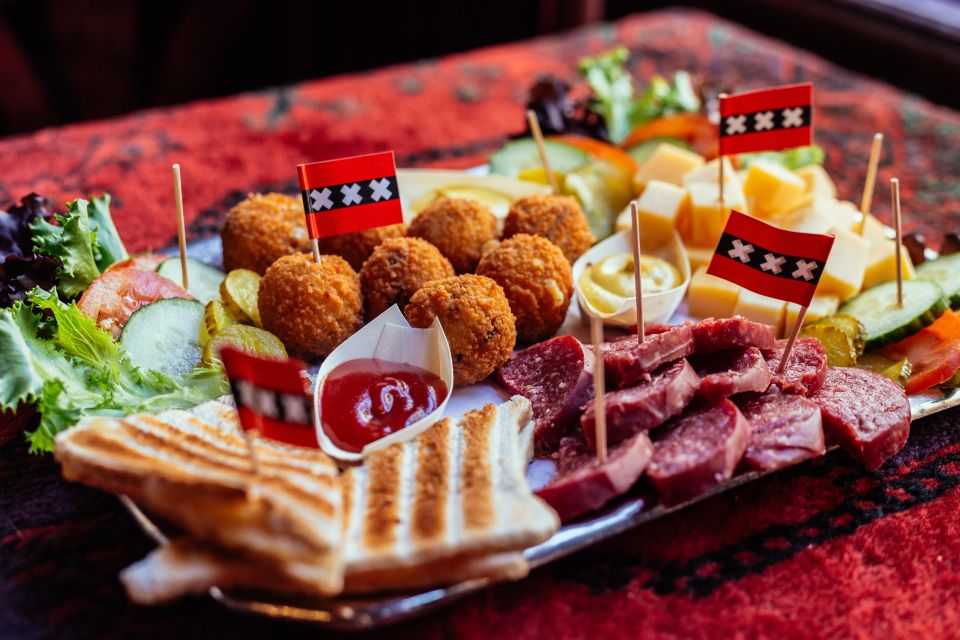
- 10 tastings included: enough to try real variety without turning your afternoon into a full restaurant crawl
- Museumplein start: easy to reach, then you’re guided into the city’s smaller food scenes
- The largest market in Europe stop: a true “see it, smell it, snack it” moment
- Stroopwafel and bitterballen: classic Dutch comfort foods that you’ll taste properly, not just guess at
- Pijp neighborhood time: café-and-bar energy with a more local feel
- Cultural food mix: you’ll learn how different communities shaped Amsterdam’s flavors, including a Surinamese family-run restaurant
Food in Amsterdam works best on a private, local route
Amsterdam can be overwhelming fast. You see bikes, canals, crowds, and suddenly your brain goes blank. What I like about this tour is that it turns the city into a sequence of small, edible discoveries. In 3 hours, you’re not asked to “figure it out.” You follow a guide who knows where to stop and what to order (or at least what to sample) so you get the good stuff without second-guessing.
Because it’s private, the pace is calmer than typical group food tours. You walk, stop, eat, and keep moving. The goal isn’t just to collect bites. It’s to understand why Dutch food is Dutch, and how Amsterdam’s mix of cultures shows up on menus and snack counters.
This also helps you enjoy the city even if your schedule is tight. Three hours is long enough to feel like you explored neighborhoods, but short enough that you still have energy for a canal stroll or a second round of tasting afterward on your own.
You can also read our reviews of more food & drink experiences in Amsterdam


Where you meet and how the walking format helps you
You meet your guide right outside Otemba Gyoza Bar. It’s close enough to Museumplein that you’ll likely recognize the area the moment you arrive. That matters because food tours live or die on first impressions. If the start point is confusing, the whole afternoon gets stressful.
The tour is designed as a walking route, which means you’ll get:
- small glimpses of streetscape and everyday life between stops
- a rhythm of snack-to-snack instead of long waits
- a chance to compare what you’re eating with what you’re seeing around you
That walking format is also why comfortable shoes are a real deal here. This isn’t a “mostly taxi between bites” kind of tour.
One caution: it’s not suitable for people with mobility impairments or wheelchair users. If walking long stretches or entering market and food spots is difficult for you, this may not be the right match.
The tastings: 10 bites that cover Dutch classics and more
The headline promise is simple: 10 food and drink tastings per guest. At $224 per person for a 3-hour private tour, that’s the core value—your time is packaged around tasting instead of “wandering until you find something.”
You’re specifically set up to taste classic Dutch favorites, including:
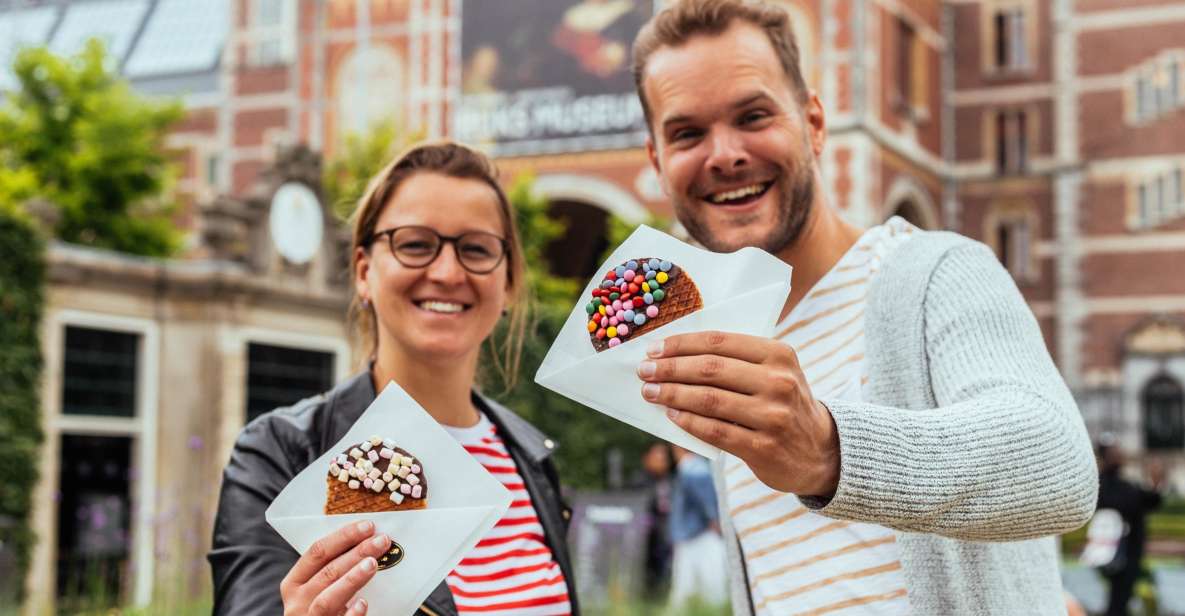
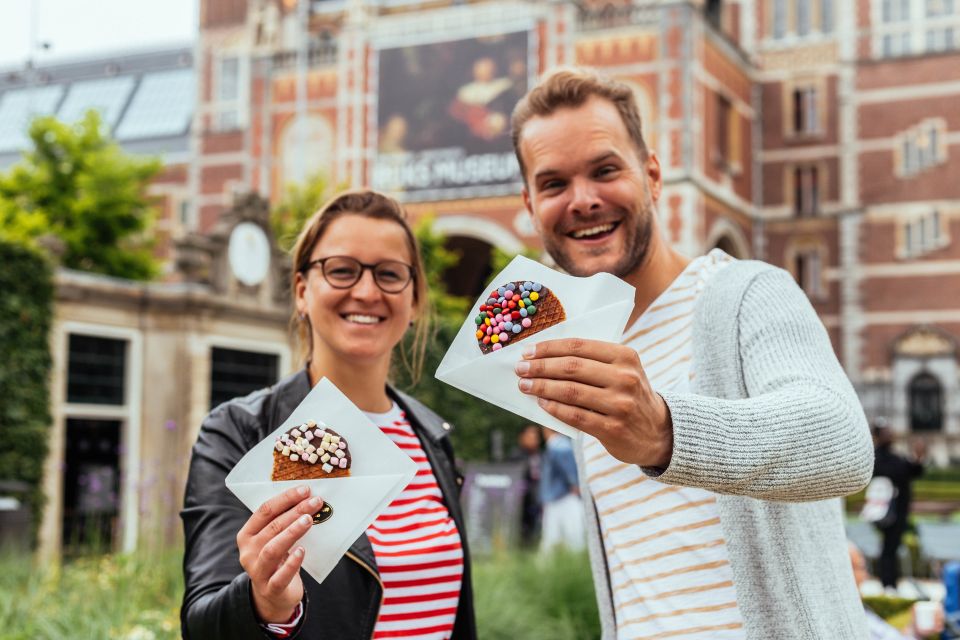
- stroopwafel (the caramel waffle snack that’s practically a Dutch mascot)
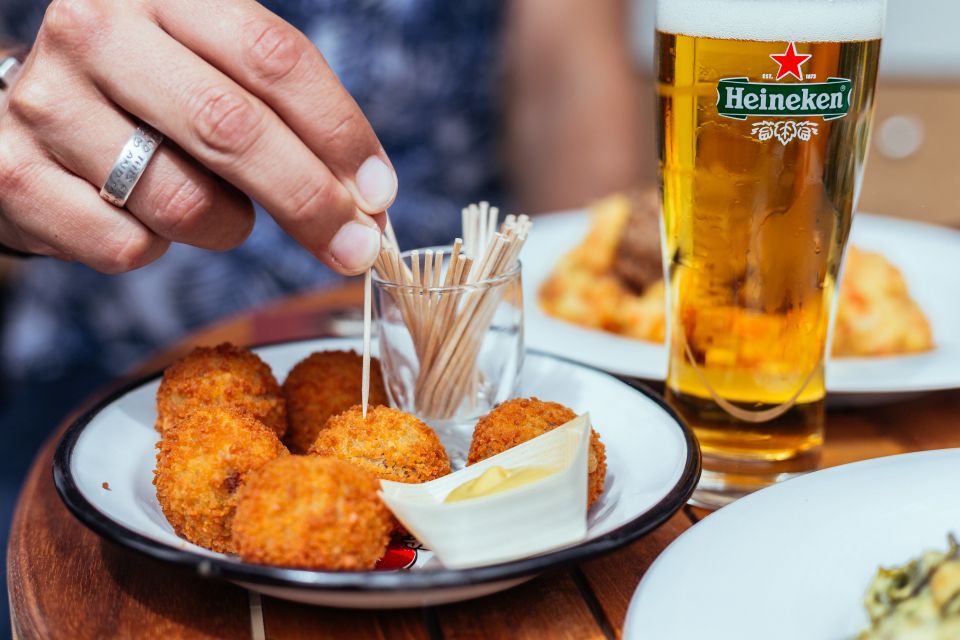
- bitterballen (fried meat-based croquettes, usually served hot and eaten with confidence)
From there, the tour leans into street food and local snack culture. One reason this works well in Amsterdam is that the city is full of small-format food places—places where you can try a lot without committing to a full entrée.
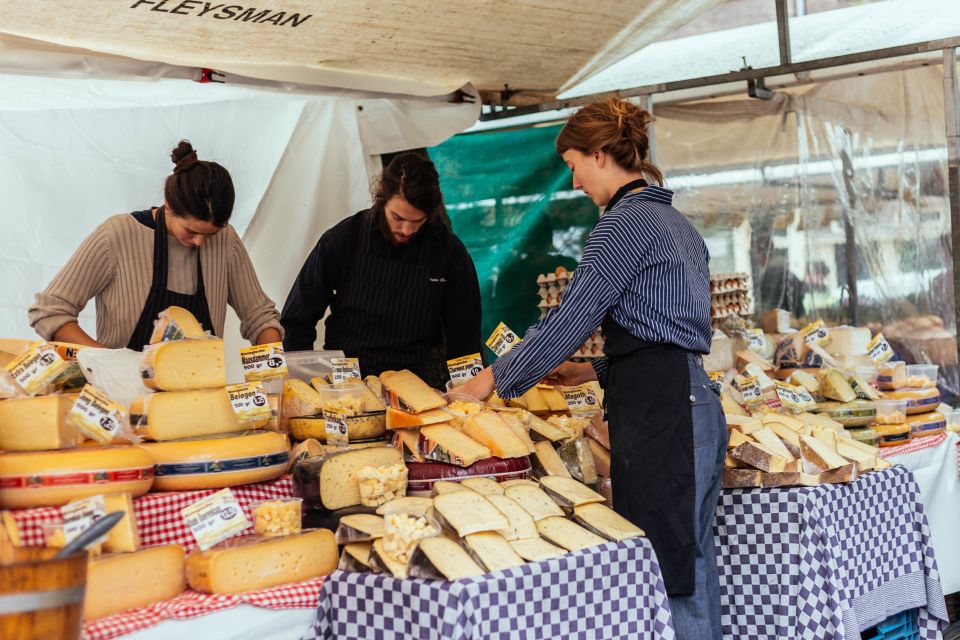
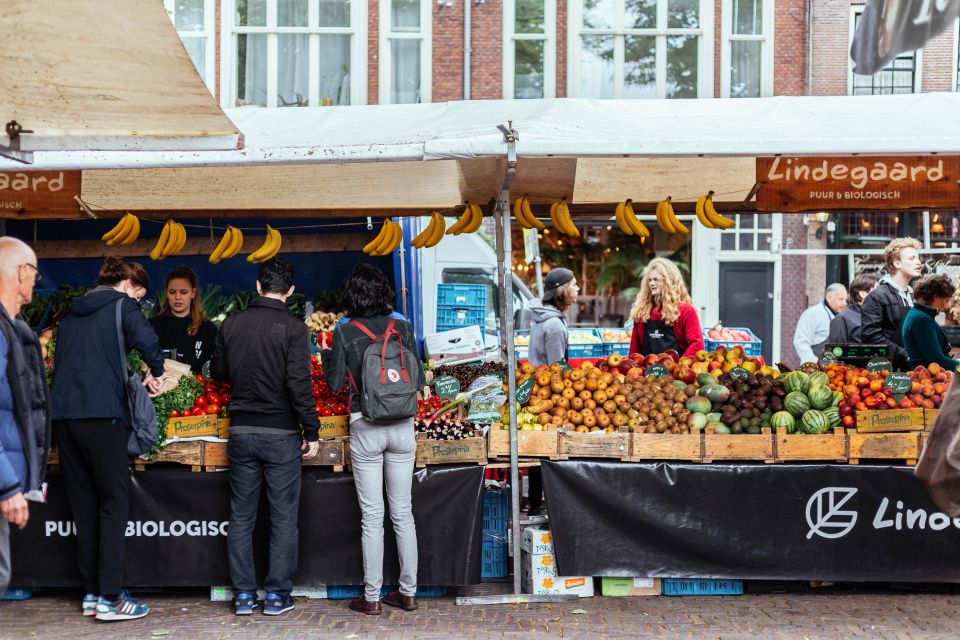
You’ll also experience at least one major market stop, described as the largest market in Europe. That’s the kind of location where you can get a sense of what people actually buy and eat, not just what’s trendy in the souvenir district. It’s also a good chance to sample flavors that don’t show up in every tourist guide.
What the tastings feel like in practice
On previous runs, guides have taken people to places to try things like:
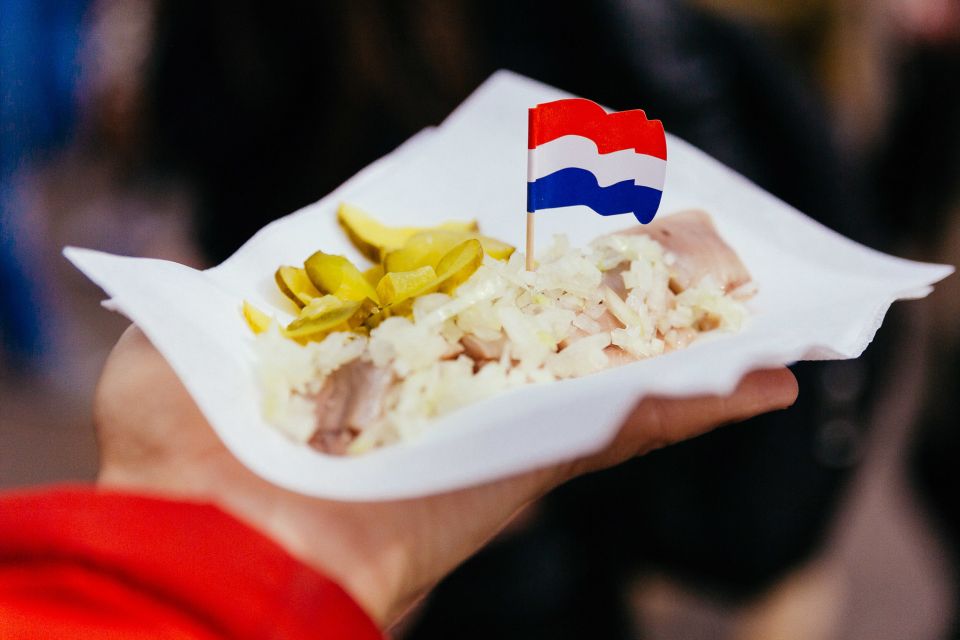
- pickled herring and fried cod
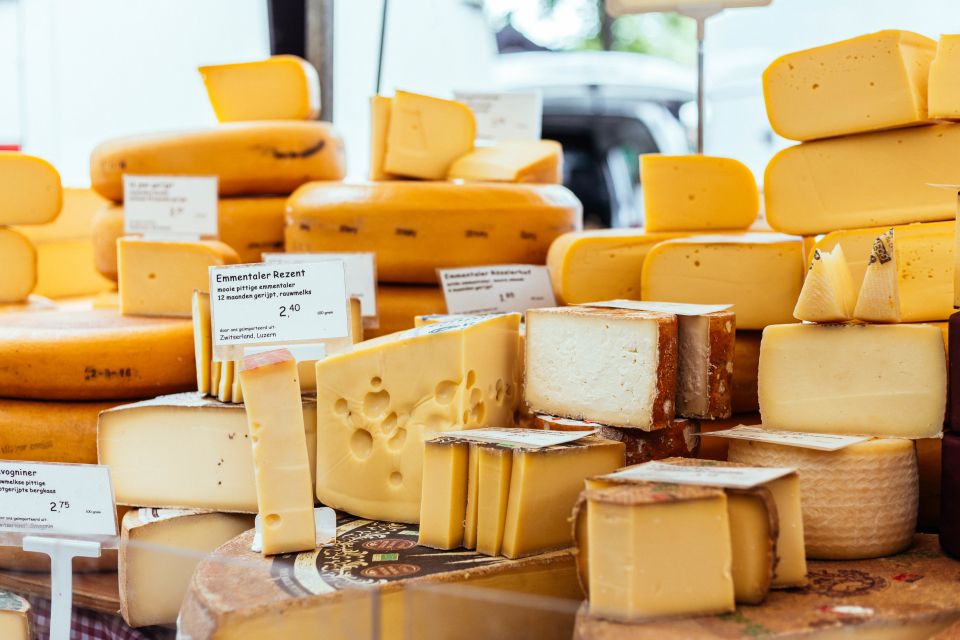
- local cheeses at small bars
- gelato from a smaller shop
- Indonesian snacks to close things out
Your exact stops can vary by day and your guide’s preferences, but the pattern stays consistent: you’re sampling distinct Dutch flavors and Amsterdam’s international food influence in a way that feels practical, not forced.
The market stop and why it’s more than just photos
That “largest market in Europe” stop is the kind of experience that changes how you understand a city’s food culture. A market isn’t just a place to eat. It’s where you see how food moves—what’s available, how vendors talk about ingredients, and what people treat as everyday staples.
Even if you don’t buy anything, you’ll learn by watching. You’ll get a sense of Dutch preferences: hearty snacks, flavors that hold up well (think fried or pickled items), and foods that work for quick meals.
There’s also a pacing advantage. A market stop breaks up the walking. It gives you a clear focal point in the middle of the tour, so you’re not just wandering neighborhood to neighborhood hungry and impatient. You’re always heading toward the next bite.
You can also read our reviews of more tours and experiences in Amsterdam




Pijp area walking and café time without the tourist script
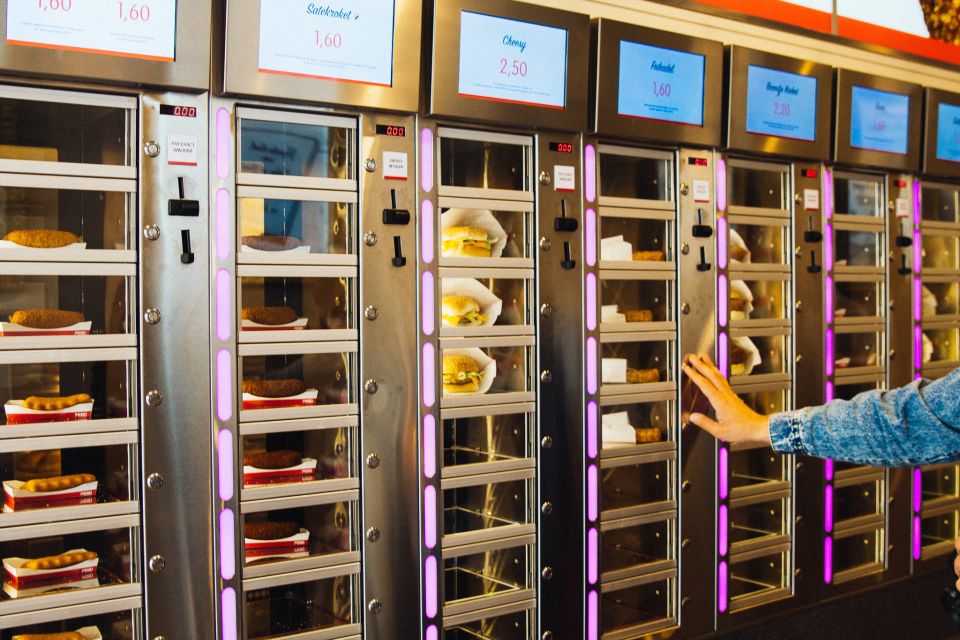
One of the standout parts of this tour is the focus on the Pijp area. The Pijp is where Amsterdam feels less like a postcard and more like a place where people actually meet, eat, and hang out. During the tour, you’ll move through streets where you can find hip cafés and local bars side by side.
That café-and-snack approach is important. Food tours can go wrong when every stop is a heavy sit-down meal. Here, the emphasis is on variety: you try something sweet, something savory, and you keep walking so the afternoon stays fun instead of sluggish.
You’ll also hear city context between tastings. Guides use the food to explain how Amsterdam lives—family traditions, the influence of immigrant communities, and why certain snacks became normal parts of daily life.
In the reviews, people highlight how guides didn’t just hand you food. They explained what it meant, and they gave recommendations for what to do next after the tour. That kind of usefulness is what turns a food walk into a better trip.
Surinamese family-run food and the city’s mix of cuisines
This tour doesn’t treat Amsterdam as only Dutch. It explicitly includes a stop at a Surinamese family-run restaurant, and that’s a smart move because Amsterdam’s food culture is shaped by communities from around the world.
What you gain here is perspective. Food is a language, and Amsterdam speaks it in multiple accents. When you taste something from Surinamese cuisine in a local family spot, it’s not just about flavor. It’s about understanding how the city’s neighborhoods became connected through migration, markets, and everyday eating habits.
Some guides also add other international bites depending on timing and availability. Past participants have mentioned Indonesian snacks as part of the finish, alongside other small local tastings like cheeses and gelato. That blend keeps the tour interesting even if you already know Dutch classics.
Private guide quality: how guides shape the whole experience
Private tours rise or fall on the guide. Here, the guide-led feel is repeatedly praised. People mention guides who are:
- fun and informative
- friendly and welcoming
- willing to take small detours away from the busiest tourist lanes
Specific guide names that have come up include Raoul, Louke, Dina, Tania, Olav, Manu, and Zohair. In multiple accounts, the common thread is that the guide treats the tour as a conversation, not a script. One person even noted that they could adjust parts of the tour to match what they wanted more of.
That matters because food preferences are personal. If you love fried snacks, you’ll want that. If you prefer something lighter, you’ll want balance. A good guide can steer you toward tastings that fit your appetite instead of forcing you through the same menu no matter what.
A note on expectations for number of foods
One earlier booking mentioned a situation where the number of food types felt lower than what was promised. The official format here says 10 tastings per guest, so you should expect plenty. Still, it’s smart to treat this as a tasting experience, not a fixed “X items exactly” checklist. If you’re picky, ask your guide at the start what you’ll be tasting and what’s included in drink tastings.
Price and value: what $224 buys you in Amsterdam time
Let’s talk value without pretending it’s cheap. At $224 per person for a 3-hour private tour, you’re paying for:
- a private local guide
- built-in tastings (10 per person)
- time in key neighborhoods and a major market stop
- vegetarian alternatives available
- a carbon neutral experience
The biggest reason the price can make sense is that tastings are included. You’re not paying Amsterdam snack prices on top of the tour price for every stop. Also, a private guide saves you effort and guesswork. In a city where food options are everywhere, a guide helps you avoid wasted stops.
The tour also excludes pick-up and drop-off, and any extra food or drinks beyond what’s included. So if you tend to buy snacks “just because,” you’ll spend more than the base price.
Vegetarian needs and how to handle dietary preferences
Vegetarian alternatives are available, which is a big deal for a food tour like this. That said, vegetarian can mean different things in different places. Some vegetarian options are fully vegetarian, others might include ingredients that aren’t what you expect.
My practical advice: if you’re vegetarian (or avoiding specific ingredients), mention it clearly when you book, and remind your guide at the start. You’ll get a better selection and fewer last-minute substitutions.
Given that the tastings include Dutch classics like stroopwafel and bitterballen, note that bitterballen is traditionally not vegetarian. The tour’s vegetarian alternatives are meant to cover you, but your guide may swap in a different savory bite. You’ll still get variety if you communicate your needs.
Who should book this, and who should skip it
This tour fits best if you want:
- a food-focused walk with local context
- variety in a short window
- a guide to steer you to practical places instead of random browsing
- a neighborhood experience in the Pijp, not just the center
It’s also a good idea if you’re staying in Amsterdam for a few days and want one guided “orientation” meal that tells you what’s worth revisiting later.
Skip it if:
- you need wheelchair access or limited walking isn’t realistic
- you dislike walking tours, even if you like food
- you want a purely formal, sit-down meal style (this is snack-and-walk structured)
Should you book this Amsterdam Private Food Tour with a Local?
I’d book it if you want your Amsterdam trip to taste like Amsterdam on purpose. The combination of 10 included tastings, a major market stop, and time in the Pijp makes it a strong value if you’re hungry for variety and local guidance.
If you’re budget sensitive, the price is not hidden. But you’re buying convenience and direction: a guide who can handle the choices, take you to places that fit the moment, and explain what you’re eating as you go. If you’re picky about dietary needs, speak up early so the vegetarian alternatives match what you want.
If you can walk comfortably and you like food with stories, this is the kind of tour that upgrades the rest of your trip.
FAQ
How long is the Amsterdam private food tour?
It lasts 3 hours.
Is this tour private or group-based?
It’s a private group tour.
What language is the tour guide?
The tour is led in English.
How many tastings are included?
You get 10 food and drink tastings per guest.
Are vegetarian alternatives available?
Yes, vegetarian alternatives are available.
Where do I meet the guide?
You meet the guide in front of Otemba Gyoza Bar.
What should I bring?
Wear comfortable shoes.
Is pickup or drop-off included?
No, pickup and drop-off are not included.
Is the tour suitable for wheelchair users or mobility impairments?
No. It’s not suitable for people with mobility impairments or wheelchair users.