REVIEW · CITY TOURS
Amsterdam City Center Guided Walking Tour Semi-Private 12ppl Max
Book on Viator →Operated by Babylon Tours Amsterdam · Bookable on Viator
A guided stroll that stitches Amsterdam together. In about 2.5 hours, I like how this tour moves fast enough to cover the key sights but slow enough for questions, using a semi-private group that keeps things personal. You’ll cross bridges, hit classic cobblestone lanes, and get frequent chances to stop for photos while your guide connects the city’s early watery beginnings to its later rise as an international capital.
One thing to consider: this is real walking over uneven streets. It’s not recommended for wheelchair users or those with walking disabilities, so comfortable shoes and a moderate fitness level matter.
In This Review
- Key highlights you’ll actually feel on the walk
- Why a semi-private, 2.5-hour loop makes Amsterdam click
- What the small-group format changes for you
- One practical mindset
- Start at St. Nicholas Basilica: a church that reflects Amsterdam’s shifts
- The Schreierstoren (Tower of Tears) and Zeedijk’s water-engine past
- Nieuwmarkt and De Waag: trading, gates, and reuse over centuries
- Trippenhuis, Klein Trippenhuis, and the East India Company’s courtyard power
- Zuiderkerk and Het Rembrandthuis: religious identity and art in the same breath
- Stopera and canal-house thinking: when civic power and art meet
- Begijnhof: the calm pocket that explains Amsterdam’s softer side
- Dam Square to Anne Frank’s area: major landmarks without getting lost
- Ornate façades on Bloemgracht: De Drie Hendricken
- Rembrandt Square to Noorderkerk: shifting districts, one steady guide
- The Papeneiland finish: brown café energy and a pie stop
- Price and value: is $59.28 worth it?
- Who should book this walking tour (and who should skip it)
- Helpful planning tips so your day goes smoothly
- Should you book this Amsterdam city-center walk?
- FAQ
- FAQ
- How long is the Amsterdam city-center guided walking tour?
- How big is the group for the semi-private tour?
- Where do you meet, and where does the tour end?
- Is admission included for stops on the tour?
- What should I bring or prepare for the walk?
- Is this tour wheelchair accessible?
Key highlights you’ll actually feel on the walk
- Small group, up to 12 people, so you don’t get lost in the back row
- Frequent photo stops on foot, not just sprint-and-point sightseeing
- A focused canal-and-city-center route, so you learn the layout fast
- Lots of architectural variety, from churches and gates to East India Company powerhouses
- Ends at Het Papeneiland, where you can grab a slice after the walking work is done
Why a semi-private, 2.5-hour loop makes Amsterdam click
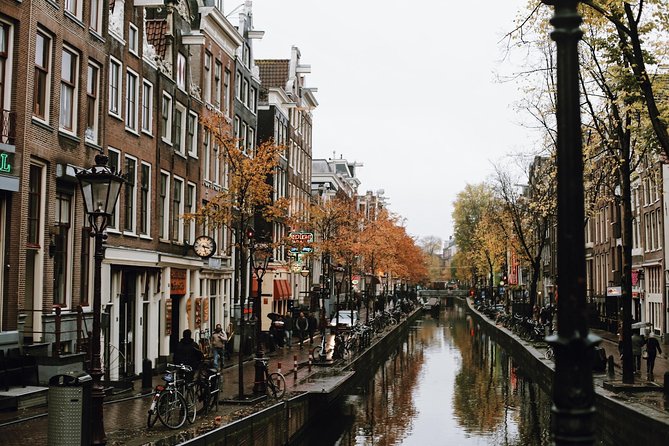
Amsterdam can be overwhelming in the first hour. You arrive, you see canals, bridges, bikes everywhere, and suddenly everything looks the same. This tour helps because it gives you a line of sight through the city center: landmarks, neighborhoods, and the stories that explain why the streets and buildings look the way they do.
I like the pace. Two hours and change is long enough to earn context, short enough that you’re not doomed to feel tired before dinner. And with a max group size of 12, you’re more likely to hear details clearly and get answers on the spot. When you’re learning how Amsterdam grew from a small fishing settlement on watery ground into a major European hub, it helps to have a guide who can point out patterns as you walk, not just hand you a map.
You can also read our reviews of more walking tours in Amsterdam



What the small-group format changes for you
With a bigger group, guides often spend time managing logistics. Here, there’s more time for real conversation. That showed up in the way the tour is taught: one guide experience I heard about involved Josje B., where the group size felt small enough to build a direct connection and ask follow-ups. Another guide, Hanneke, was described as a local with an engaging style that makes the facts easier to remember. You might not get the same guides, but the format is built for that kind of interaction.
One practical mindset
Bring the expectation that you’ll be walking. This is not a sit-and-stare museum day. It’s designed to help you get your bearings fast, then leave you with tailored suggestions for the rest of your trip.
Start at St. Nicholas Basilica: a church that reflects Amsterdam’s shifts
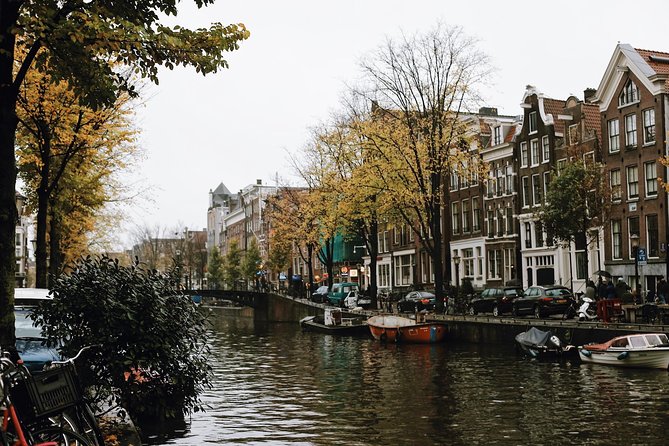
Your meeting point is St. Nicholas Basilica (Basiliek van de Sint-Nicolaas) on Prins Hendrikkade 73. This is a strong first stop because it sets a theme: Amsterdam’s religious and political changes over time.
You’ll learn the basilica is Amsterdam’s primary Roman Catholic church and that it was built in the late 19th century after centuries of prohibition. That detail matters. It explains why religious architecture in Amsterdam can feel like it’s arriving in waves, not all at once. The building also blends architectural styles, reflecting the city’s evolving religious landscape—perfect for a first “anchor” landmark.
Good to know: the stop time is short, and admission is free, so you can keep moving without losing momentum.
The Schreierstoren (Tower of Tears) and Zeedijk’s water-engine past
Next comes the Schreierstoren, or Tower of Tears. Medieval Amsterdam had strong ties to the sea, and this tower is tied to farewells: women bid goodbye to loved ones departing by ship. That story gives the tower emotional weight, not just a pretty silhouette.
Then you’ll stroll to Zeedijk, one of Amsterdam’s oldest streets. Here the tour gets hands-on with Amsterdam’s water problem and water solution. Zeedijk used to function as a sea dike that held back the IJ waters. That means the street itself isn’t just a street—it’s infrastructure that shaped daily life.
At the Kolksluis, you’ll admire a picturesque lock bridge. This is the kind of sight that’s hard to appreciate from a postcard. On foot, you can see how the canal/river system creates movement, crossings, and barriers all at once. It also makes the city feel engineered, not accidental.
You can also read our reviews of more guided tours in Amsterdam




Nieuwmarkt and De Waag: trading, gates, and reuse over centuries
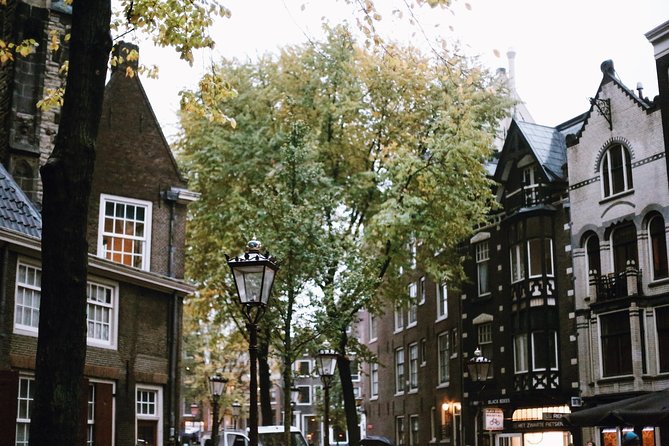
At Nieuwmarkt (Nieuwmarkt area), you’ll land in the old city center where commerce and social life have been happening since the 17th century. The square’s location just inside the old city gate made it practical for traders and shoppers grabbing fresh produce. This is exactly how you want to frame a market area: not just as a place to eat, but as a historical logistics hub.
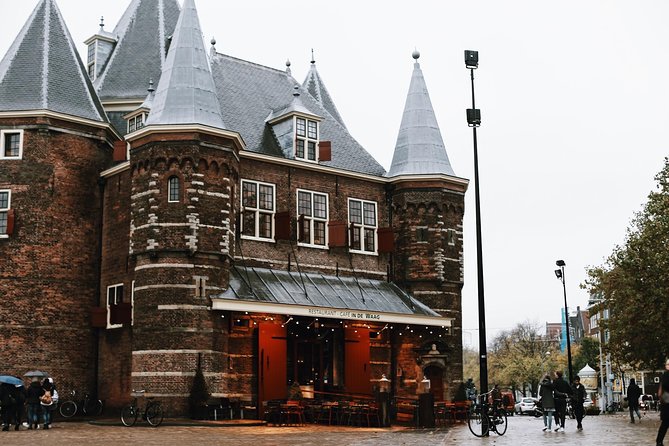
In the same stretch, you’ll see De Waag (The Waag). This 15th-century building is one of Amsterdam’s oldest remaining non-religious buildings. It started as a city gate and part of the old walls, then took on multiple roles over time: guild hall, museum, and fire station.
Why this matters for you: Amsterdam’s older buildings aren’t just preserved shells. They’re survivors that changed jobs as the city changed. If you pay attention to that during the walk, you’ll spot the pattern later on your own.
Trippenhuis, Klein Trippenhuis, and the East India Company’s courtyard power
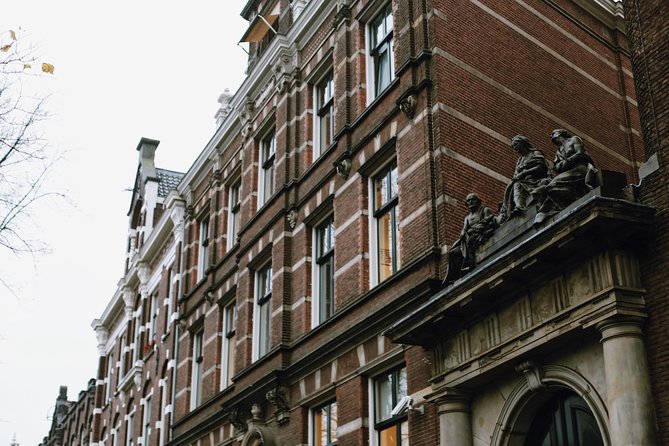
Now the tour moves from “city gate and market” to “how money shaped architecture.”
You’ll see the Trippenhuis and Klein Trippenhuis. Trippenhuis is famous for being Amsterdam’s widest home, spanning about 22 meters. Right across is Klein Trippenhuis, a narrow house meant to stand in contrast. This pairing is a quick lesson in how space, tax, and wealth influenced form.
Then you’ll step toward the Oost-Indisch Huis, the headquarters courtyard of the Dutch East India Company. The guide ties it to a bigger idea: it’s described as the birthplace of the world’s first multinational corporation. Even if you’re not a business-history nerd, this stop gives you context for why Amsterdam pulled in wealth and global connections. The architecture and the story line up.
You also get another quick look at Klein Trippenhuis again, which can feel repetitive—until you realize the tour is training your eye. You’re learning to spot narrowness, façade shape, and “why this looks weird” moments.
Zuiderkerk and Het Rembrandthuis: religious identity and art in the same breath
Next up is Zuiderkerk, Amsterdam’s first purpose-built Protestant church. It was designed by Hendrick de Keyser, and the tower is one of the city’s defining landmarks.
A quick note on why this stop helps: knowing that the church was purpose-built for Protestant worship makes the later urban layout feel more logical. You’re connecting architecture to belief systems, not just admiring a skyline feature.
From there, the tour passes by Museum Het Rembrandthuis, Rembrandt’s house and art museum. Rembrandt lived and worked there between 1639 and 1656, and the museum collection includes his etchings and paintings of contemporaries.
You’re not going inside here during the walk, but the pass-by still works because it anchors Rembrandt in a specific place and time, not just a name in your gallery list.
Stopera and canal-house thinking: when civic power and art meet
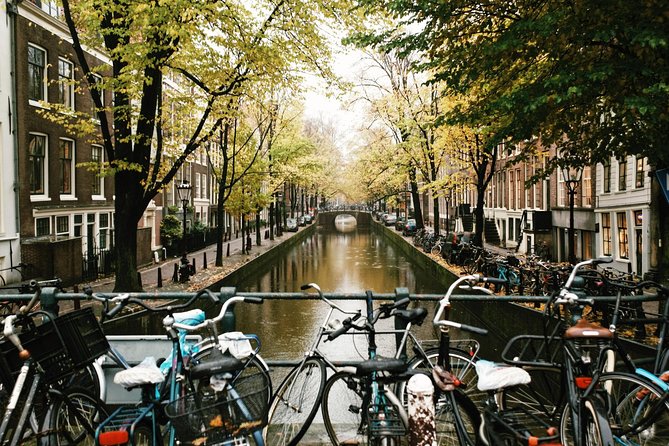
A short walk brings you to the Stopera, the building complex that houses the city hall and the Dutch National Opera and Ballet. The construction took at least 60 years, and that fact is a useful reality check: big Amsterdam projects take time because the city is built on challenge.
Then you’ll see Huis Aan De Drie Grachten, a rare 17th-century canal house at the junction of three canals. Its façades face in three directions—so you can’t really view it as a one-angle “photo building.” Even when you’re just walking past, it nudges you to rotate your view and notice how canals shape the way buildings face the world.
Begijnhof: the calm pocket that explains Amsterdam’s softer side
Begijnhof is one of the oldest hofjes (almshouses) in Amsterdam. It’s built around a secluded courtyard and garden, tied historically to the Beguines—unmarried women who lived together under vows of chastity.
I love this stop because it changes the pace in your head. After streets and gates and commerce, you get a place designed for interior life. It’s also tied to two churches, so you can sense the mix of faith and community structures that shaped life beyond politics and wealth.
Even though you’ll only have a brief window, the courtyard concept helps you understand why Amsterdam has so many “secret-feeling” spaces. The city loves pockets of quiet.
Dam Square to Anne Frank’s area: major landmarks without getting lost
Dam Square is a tour staple for a reason. It’s one of Amsterdam’s best-known public spaces and includes the Royal Palace, the New Church, and the National Monument. The guide uses it to orient you for the rest of the city center, because so many major sights cluster around this kind of open hub.
Then you’ll pause outside the Anne Frank House. Next door is the Westerkerk, known for the tallest church tower in Amsterdam. The stop here keeps things reflective and practical: you learn what you’re seeing from the street without needing to plan the museum visit on your feet.
Ornate façades on Bloemgracht: De Drie Hendricken
As you walk toward De Drie Hendricken aan de Bloemgracht 87–91, you’ll be encouraged to look up. The gable stones are carved with allegories and trade emblems. This is one of those Amsterdam details that only makes sense when someone tells you what you’re looking at.
If you’re the type who likes to build a mental catalog (this building style means that era, this carving theme means that industry), this stop helps you start doing it on the spot.
Rembrandt Square to Noorderkerk: shifting districts, one steady guide
Next you’ll cross through Rembrandt Square (Rembrandtplein), a busy public space named after the painter. You’ll also see a bronze-cast representation of Rembrandt’s The Night Watch, displayed as part of celebrations for his 400th birthday in 2006.
The route keeps moving, and that matters because it takes you across different corners of central Amsterdam. You’re not only seeing “top postcard sights.” You’re also seeing the city’s everyday rhythm: squares as meeting points, churches as district markers, streets as neighborhood connectors.
Then comes Noorderkerk, a 17th-century Protestant church built for the Jordaan district. It has an unusual cross-shaped floor plan, reflecting ideals of Reformation worship. Again, this isn’t just architecture for architecture’s sake. It helps you understand how each area had different needs and different religious practices.
The Papeneiland finish: brown café energy and a pie stop
The tour ends at Het Papeneiland on Prinsengracht 2. This is a canal corner with a long reputation: the café dates to 1642 and is said to serve the best apple pie in town.
You’ll likely feel ready for a break, and that’s the point. After 2.5 hours of walking, ending at a spot like this makes it easy to transition into your own plans—whether that means a quick snack, a drink, or deciding which nearby streets you want to explore next.
Price and value: is $59.28 worth it?
At $59.28 per person for about 2 hours 30 minutes, the value comes from three things.
First: you’re paying for direction. Amsterdam isn’t hard because it lacks sights—it’s hard because there’s too much and everything is close together. A guided route makes you smarter faster.
Second: you get a lot of “high point coverage” in one go. This walk hits big landmark categories—churches, gates, market squares, historic houses, civic buildings, and canal architecture—so you leave with an internal map.
Third: you’re not paying for a private car. The walking format is part of the deal, and it’s how you learn the city’s geography. You’re also going rain or shine, so you’re buying a plan that doesn’t depend on perfect weather.
What would make it poor value is if you want zero walking and total museum time. If you want street-level understanding and a guided “Amsterdam 101,” it’s priced like a smart city orientation stop.
Who should book this walking tour (and who should skip it)
This tour is a good fit if you:
- want to see major sights without building your own route from scratch
- like learning how buildings and neighborhoods connect
- enjoy walking bridges and canal streets more than sitting in one place
- want tailored tips to use for the rest of your trip
Skip it (or look for something else) if you:
- need wheelchair access or have significant mobility limitations, since it’s not recommended for that
- prefer slow, deep museum time rather than quick stop-and-look city touring
- hate cobblestones and uneven sidewalks
Helpful planning tips so your day goes smoothly
A few details can make your experience better:
- Wear comfortable shoes. The route is short enough to fit in a day, but the streets are still Amsterdam streets.
- Bring water and an umbrella. The tour runs rain or shine.
- Travel light. No large bags or suitcases are allowed.
- If you’re booking, put in a mobile phone number with country code—this matters for the tour day.
- If there are national celebrations, the route can shift. You’ll still see highlights, but refunds or discounts aren’t provided in those cases.
Should you book this Amsterdam city-center walk?
I think you should book this if you want fast orientation plus enough detail to help you explore the rest of the city with confidence. The biggest win is how the guide stitches together the reason for what you see: watery defenses, market logic, architectural choices, and how major neighborhoods take shape. With a group capped at 12, you’re more likely to get real interaction rather than just listening from a distance.
If you’re someone who wants museums inside every stop or you have mobility limits, you may feel stressed by the walking pace. In that case, consider a slower, more accessible option and save this one for a future trip when you can move freely.
FAQ
FAQ
How long is the Amsterdam city-center guided walking tour?
It runs for about 2 hours 30 minutes.
How big is the group for the semi-private tour?
The group is semi-private with a maximum of 12 people.
Where do you meet, and where does the tour end?
You meet at Basilica of Saint Nicholas, Prins Hendrikkade 73, 1012 AE Amsterdam, and you end at The Papeneiland, Prinsengracht 2, 1015 DV Amsterdam.
Is admission included for stops on the tour?
Some stops have free admission, and others are marked as admission not included. The tour itself is guided, but you should expect that not every location is entered.
What should I bring or prepare for the walk?
Wear comfortable shoes. Bring a bottle of water, an umbrella for rain, and a hat during summer. No large bags or suitcases are allowed.
Is this tour wheelchair accessible?
It is not recommended for people with walking disabilities or using a wheelchair.