REVIEW · ANNE FRANK & WWII HISTORY TOURS
Amsterdam: Anne Frank and World War II Walking Tour (TOP RATED)
Book on Viator →Operated by Trigger Tours · Bookable on Viator
WWII stories in Amsterdam feel painfully close. This 2-hour walking tour of the Jewish Quarter gives you real background on Anne Frank and her family while you move past key reminders of deportation and resistance. The focus is on atmosphere and context, not just photo stops.
One important consideration: entry to the Anne Frank House is not included, so you’ll want to plan that separately if it’s high on your list.
In This Review
- Key highlights worth your attention
- Why This Jewish Quarter Walk Works So Well In Two Hours
- The Guide Makes Or Breaks It, And This One Has Strong Proof
- Stop 1: Portuguese Synagogue And The Jewish Community Behind The Story
- Stop 2: Auschwitz Monument, And How Deportation Became Policy
- Stop 3: Verzetsmuseum Amsterdam And The Idea Of Resistance
- Stop 4: Hollandsche Schouwburg And The Deportation Camps Reality Check
- Stop 5: De Plantage District And How Neighborhoods Hold Memory
- Stop 6: Spinoza Monument, A Reminder That Life Was More Than Survival
- Dam Square And De Schaduwkade: Where The Walk Lands In Public Memory
- Anne Frank House Tickets: What This Tour Does Not Include
- Price And Value: Why $29.45 Can Be A Smart Deal
- Practical Tips That Will Make The Walk Easier (And Better)
- Who Should Book This Tour (And Who Might Skip It)
- Should You Book This Tour?
- FAQ
- Is Anne Frank House included in this tour?
- How long is the Amsterdam: Anne Frank and World War II Walking Tour?
- What language is the tour offered in?
- How many people are in the group?
- What’s included in the tour price?
- Where does the tour start and end?
Key highlights worth your attention
- Small group size (max 15) keeps questions and pacing manageable
- Focused stops across synagogues, resistance, deportation sites, and memorials
- Private-tour upgrade if you want more one-on-one time
- Guides named Aaron, James, Keese, Masha, Peter, and Stan are praised for turning history into lived stories
- Walking format helps you see the neighborhood feel while you take photos
- English-speaking guide, with a mobile ticket for easy check-in
Why This Jewish Quarter Walk Works So Well In Two Hours
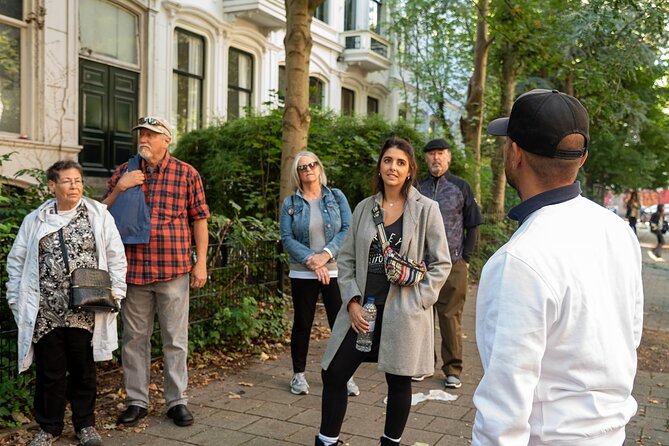
Amsterdam can swallow your day fast. So I like tours that are timed right, with a tight route and a clear purpose. This one aims to make sense of the Anne Frank story and the wider WWII machinery that crushed daily life for Amsterdam’s Jewish community, all while you’re walking the streets where it happened.
The route also gives you something many short tours skip: it doesn’t treat the Holocaust like one event in isolation. You’ll get earlier context, resistance, deportation, and aftermath markers—without spending half your time lost between neighborhoods.
The walk is designed to keep moving, with frequent short stops (around 10 minutes each) plus a final walk toward Dam Square. If you want a tour where you can actually absorb what you’re seeing, this structure helps.
You can also read our reviews of more walking tours in Amsterdam



The Guide Makes Or Breaks It, And This One Has Strong Proof
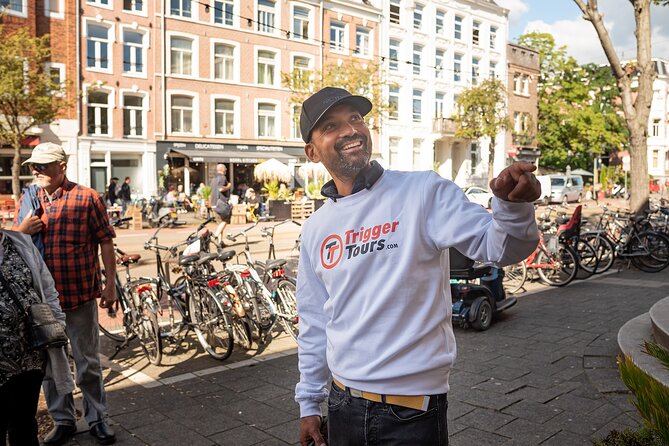
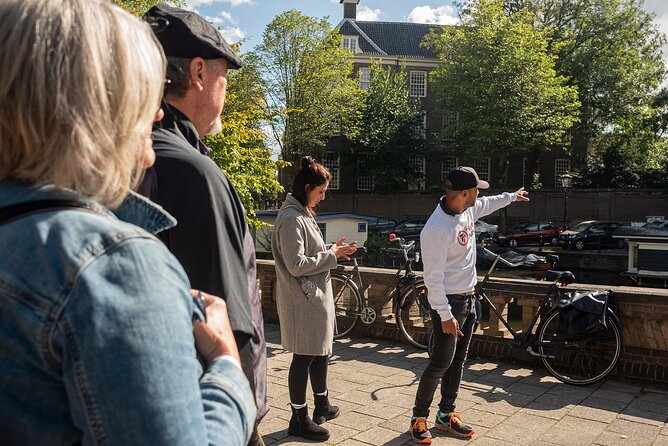
For this kind of subject, a guide’s tone and clarity matter as much as the facts. This tour is built around a local guide, and the reviews you’ll find on the topic are consistent about one thing: the best moments come when the guide can connect the street-level sights to the human story behind them.
Names that show up in the guide feedback include Aaron and James, often described as making WWII and Jewish history feel personal and understandable. Other guides mentioned—like Keese, Masha, Peter, and Stan—are repeatedly credited with strong storytelling and with answering questions beyond the basic outline. That’s the sweet spot: you don’t just hear dates. You learn how the neighborhood worked, how laws and fear changed life, and how resistance formed.
If you’re the type of person who keeps asking why or how, you’ll likely appreciate a small group setup. With a maximum of 15, you’re not shouting over a crowd.
Stop 1: Portuguese Synagogue And The Jewish Community Behind The Story

The walk starts at the Portuguese Synagogue and uses it as a doorway into Amsterdam’s Jewish community during the Dutch Golden Age. You’ll hear how the Sephardic community became one of the largest and wealthiest Jewish populations in Europe at the time, and how that prosperity showed up in the scale and importance of the synagogue.
What I like about starting here is that it resists the temptation to only present Jewish life during WWII. You get a sense of what was lost and why it mattered. Also, the synagogue is still an active place of worship, which adds a real-world reminder that this isn’t only a memorial theme. It’s living heritage.
Photo note: you’ll likely want a few minutes to take in the exterior and the surrounding area before your guide moves you onward.
Stop 2: Auschwitz Monument, And How Deportation Became Policy
Next is the Auschwitz Monument. This is a stop where the tour shifts into the deportation narrative. The focus is on the monument and what it represents about the Jewish deportations from the Netherlands during WWII.
This part can be emotionally heavy, so I’d treat it like a moment to slow down rather than “finish it and move on.” Even if you already know some history, the value here is in hearing how the guide frames the broader system—how deportation wasn’t random, but planned and carried out through institutions.
If you tend to skim memorial sites, this is where you’ll get nudged into noticing the details and letting the meaning land.
Stop 3: Verzetsmuseum Amsterdam And The Idea Of Resistance

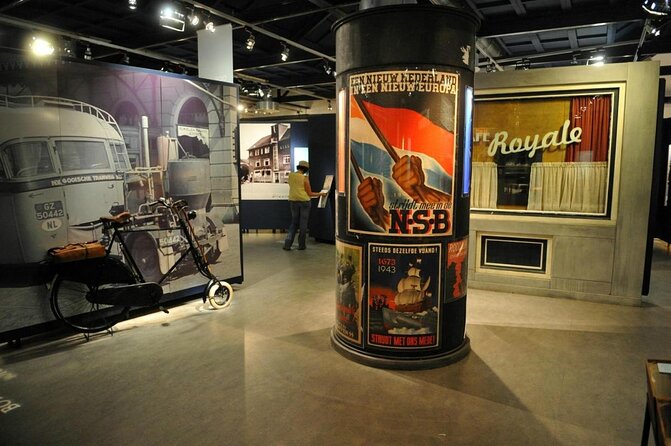
Then you’ll head to Verzetsmuseum Amsterdam, which centers on Jewish resistance. This stop matters because it balances the story. WWII history can tilt toward only victimhood, and resistance is often what people wish they had understood more clearly.
Here, the guide’s job is to show you what resistance could look like, and how Jewish communities responded in a time designed to crush them. You don’t have to agree with every method or strategy to recognize the courage behind them.
The stop is short, so don’t expect a full museum visit. Think of it as a map key: you’ll learn the theme, then you can decide later if you want deeper museum time on your own.






Stop 4: Hollandsche Schouwburg And The Deportation Camps Reality Check
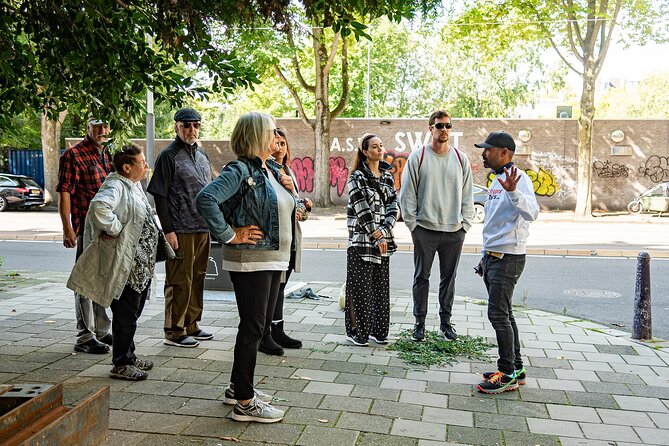
The itinerary then takes you to Hollandsche Schouwburg. The focus is on deportation camps and the route that people were forced into.
This is one of those locations where the architecture and history can feel oddly quiet until the guide explains the function it played. That contrast is part of the power—and it’s why having a guide is so important here. Without the framing, you might see a building and move on. With the framing, it becomes part of a tragic timeline.
One practical consideration: because this subject is so intense, it’s worth making sure you’re ready for emotional pacing. This is not a light “see Amsterdam” stroll.
Stop 5: De Plantage District And How Neighborhoods Hold Memory
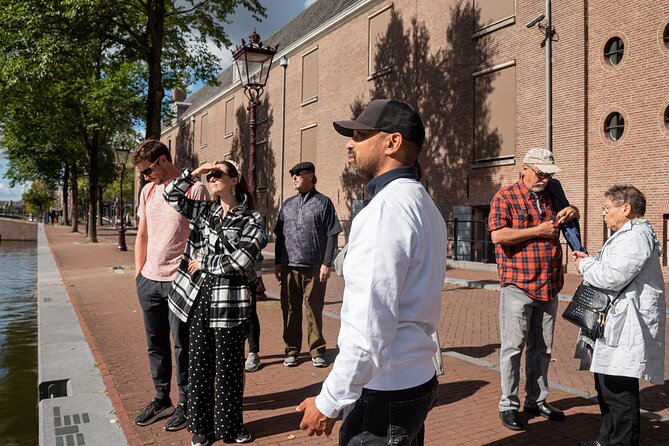
After the deportation-focused stops, the tour shifts toward the De Plantage area. You’ll see the neighborhood’s beauty while your guide explains its history and how the Jewish community’s story connected to where people lived.
I like this step because it gives you geographic grounding. Amsterdam’s Jewish history isn’t only about one or two dramatic sites. It’s woven into streets, districts, and daily routines—until those routines were disrupted.
You’ll probably find it easier to remember the route after this stop. It’s like your brain finally gets a “place” to hang the story on.
Stop 6: Spinoza Monument, A Reminder That Life Was More Than Survival
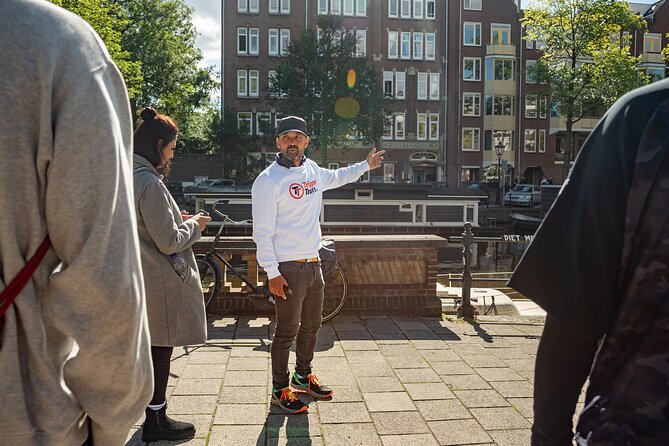
The next stop is the Spinoza Monument. The tour uses it to talk about Spinoza and the broader Jewish intellectual legacy connected to Amsterdam.
This is a thoughtful pivot. WWII history is crucial, but you don’t want to end the walk with only grief and loss. A monument like this brings perspective: it reminds you that Jewish culture wasn’t reduced to a single chapter. Ideas, philosophy, and scholarship were part of Amsterdam’s identity too.
If you care about the “before” and “beyond,” this stop is a real benefit.
Dam Square And De Schaduwkade: Where The Walk Lands In Public Memory
The final stretch moves you toward Dam Square, including the Dam Square monument and the nearby Royal Palace area. Dam Square is famous for a reason: it’s one of Amsterdam’s central stages, so ending there can feel like stepping back into the city’s everyday pulse.
Before or around that move, you’ll also cover De Schaduwkade and its monument. This is where the tour ties the story back to public space and remembrance.
If you’re planning the rest of your day, this ending location is convenient. You can continue exploring nearby without needing another major transit step.
Anne Frank House Tickets: What This Tour Does Not Include
This is the part I’d highlight before you book, because it affects planning. The tour’s title includes Anne Frank, but Anne Frank House entry is not included. That means you should not count on using this tour to get into the museum itself.
If Anne Frank House is on your must-do list, map out your schedule early. Many people pair this walking tour with a separate Anne Frank House ticket so you get the street context first, then the preserved spaces afterward.
Also, if you see this tour marketed as including the museum, treat that as a red flag and confirm what’s actually included in your booking. The walking portion still stands on its own, but it will only make full sense if you plan the museum visit separately.
Price And Value: Why $29.45 Can Be A Smart Deal
At $29.45 per person for about 2 hours, this tour sits in the “good value” category for Amsterdam. You’re paying for a local guide and a structured route through multiple key sites tied to Anne Frank and WWII.
The value comes from three things:
- You don’t have to connect the dots yourself across the Jewish Quarter.
- You get context at each stop, so the sites don’t feel like random plaques.
- The group limit (up to 15) can keep the experience from turning into a hurried line.
If you want more personalized attention, there’s also an upgrade option to a private tour. That’s worth thinking about if you’re traveling with kids who need extra pacing, if you have mobility concerns, or if you simply want more time for questions without waiting your turn.
Practical Tips That Will Make The Walk Easier (And Better)
You’re on foot for the whole experience, with multiple short stops. That means comfortable shoes are not optional. Even if the tour is only about two hours, Amsterdam streets plus emotional stops add up.
Timing matters too. The itinerary is weather-dependent, and the experience requires good weather. If forecasts look rainy, you’ll want to dress for it or expect changes.
Also, keep your expectations aligned with what “walk tour” means. One review-related theme that stands out is that the route can feel like a lot for younger kids. If you’re traveling with children, you’ll likely have an easier time if they can handle a sustained walking pace and won’t melt down at memorial stops.
Logistically, it’s convenient: it’s near public transportation, service animals are allowed, and it runs in English.
Who Should Book This Tour (And Who Might Skip It)
I’d book this tour if:
- You want a clear, guided way to understand Anne Frank and WWII in Amsterdam’s Jewish Quarter.
- You like history explained on the street, not only inside a museum.
- You want a structured route with time for photos.
I might skip it, or at least pair it carefully, if:
- You’re only interested in Anne Frank House itself (because it isn’t included).
- You prefer very light, casual sightseeing. This is serious subject matter and may not feel relaxing even when the guide is warm.
For most people, though, it’s an efficient way to get the story straight before you start roaming on your own.
Should You Book This Tour?
Yes, if you want to understand what you’re seeing. This walk is built to connect Anne Frank’s story with the wider WWII events that reshaped life in Amsterdam—through multiple stops, short explanations at each site, and a guide who can answer questions.
Just do two things to protect your experience: plan Anne Frank House separately, and wear shoes you can stand in while your guide keeps you moving through a heavy timeline. If you get those right, you’ll come away with a much clearer map of Amsterdam’s Jewish Quarter and what happened there.
FAQ
Is Anne Frank House included in this tour?
No. The tour does not include an entrance ticket to the Anne Frank House.
How long is the Amsterdam: Anne Frank and World War II Walking Tour?
It runs for about 2 hours.
What language is the tour offered in?
The tour is offered in English.
How many people are in the group?
The group size is capped at a maximum of 15 travelers.
What’s included in the tour price?
A local guide is included.
Where does the tour start and end?
The tour starts at Amstel 51C, 1018 EJ Amsterdam and ends back at the meeting point.