REVIEW · CANAL CRUISES
Amsterdam Open Boat Cruise with Live Guide and Two Drinks
Book on Viator →Operated by Boat Amsterdam · Bookable on Viator
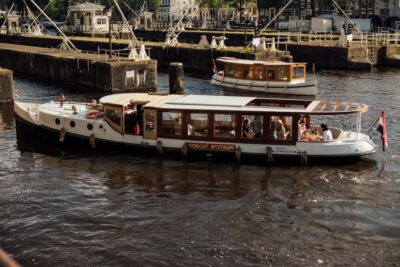
There’s no faster way to get Amsterdam’s vibe. This one-hour open-air electric canal cruise runs with a live guide on the water, so you get real-time tips while you glide past canals, bridges, and famous sights.
I really like two things here. First, in colder months you sit on heated seats, which makes the cruise feel way more comfortable than a typical cold-weather boat ride. Second, the included two drinks turn “just sightseeing” into a small, easy treat while you learn what you’re looking at.
One thing to consider: depending on season and weather, the boat may be covered. On at least one ride, foggy windows were a problem, and that’s exactly the kind of minor discomfort you can plan for.
In This Review
- Key things I’d watch for before you book
- Why an open-boat canal cruise feels so practical in Amsterdam
- Where you meet: Amstel 51F near the Hermitage Museum
- The live guide on board: what you gain beyond the skyline
- The route highlights you’ll likely spot (and why each area matters)
- Starting out by the Amstel: Hermitage area to canal life
- Skinny Bridge (Magere Brug) and the city’s postcard moment
- Crossing through the canal belts: Herengracht and Prinsengracht
- The Jordaan vibe: cozy streets, character, and more than one type of Amsterdam
- Anne Frank House area: seeing the landmark without getting stuck in a long day
- Churches, towers, and the “vertical Amsterdam” moments
- Museums and quirky stops you might pass: from NEMO to the Cat Cabinet
- Waterfront architecture and historic edges: Hortus Botanicus, Montelbaanstoren, Leprozenpoort
- Wrapping it up with canal life: Waterloo square flea market and more
- Two drinks on board: why it’s good value, not just a perk
- Timing and atmosphere: when the cruise feels best
- Small-group comfort: why max 35 people matters
- Potential drawbacks: covered boats, foggy windows, and loud distractions
- Who this Amsterdam open boat cruise is best for
- Should you book this Amsterdam Open Boat Cruise?
- FAQ
- How long is the Amsterdam Open Boat Cruise?
- How much does it cost?
- Where does the cruise start?
- What language is the live guide in?
- Are drinks included?
- Is the boat open-air?
- What happens if the weather is bad?
- How large is the group?
- Are there any child requirements?
Key things I’d watch for before you book
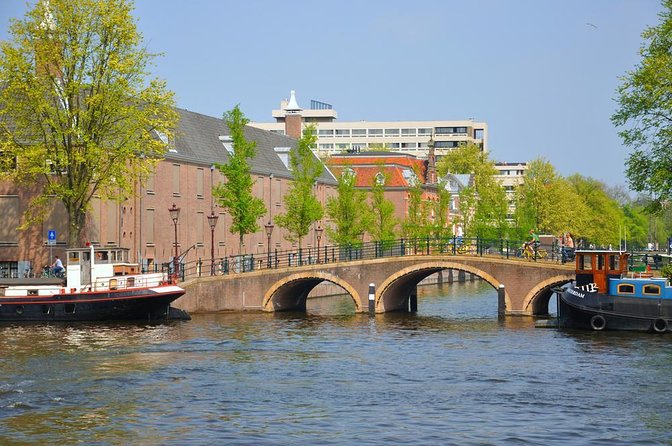
- Open-air in summer, covered in colder months: comfort levels shift with the season, but the setup changes to match the weather.
- Heated seats in winter: a big deal if you’re touring in chilly months.
- Live commentary from the boat guide: you’re not stuck reading signs; you’re getting instant context.
- Two drinks included: you can keep it light, social, and still enjoy the sights.
- Small-group feel (max 35): easier to hear, ask questions, and stay relaxed.
- Route examples, not a rigid checklist: traffic and construction can shift what you pass, even if the highlights stay in play.
Why an open-boat canal cruise feels so practical in Amsterdam
Amsterdam can overwhelm you fast. Too many museums, too many canals, too many bike bells. A short cruise gives your brain a map in one go, and it does it without you standing in line or walking miles.
This boat ride is built around comfort. In summer, it’s open-air, so you actually feel the city. In spring and fall, the boat can be open or covered based on weather, and in winter the seats are heated. That matters because you’ll sit still for an hour, so comfort isn’t a bonus, it’s part of the experience.
You’ll also notice it’s paced for real sightseeing, not a performance that rushes you along. The ride is about one hour, long enough to connect the dots between neighborhoods, but short enough that you can still have a full day (or evening) planned on land.
You can also read our reviews of more boat tours in Amsterdam
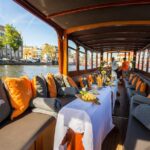
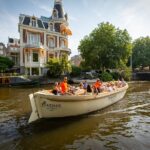

Where you meet: Amstel 51F near the Hermitage Museum
The cruise starts at Amstel 51F, 1018 EJ Amsterdam, right in the center of the action. The departure point is described as in front of the Hermitage Museum, and it loops back to the same meeting spot at the end.
If you’re using public transportation, this is convenient. The meeting point is noted as being near public transit, which helps on days when you don’t want to fight for parking or navigate from far away after museums.
One practical tip: show up a little early. You’re stepping onto a small boat for a short ride, so a calm arrival makes a difference. It’s also the safest way to avoid stress if the weather is shifting.
The live guide on board: what you gain beyond the skyline
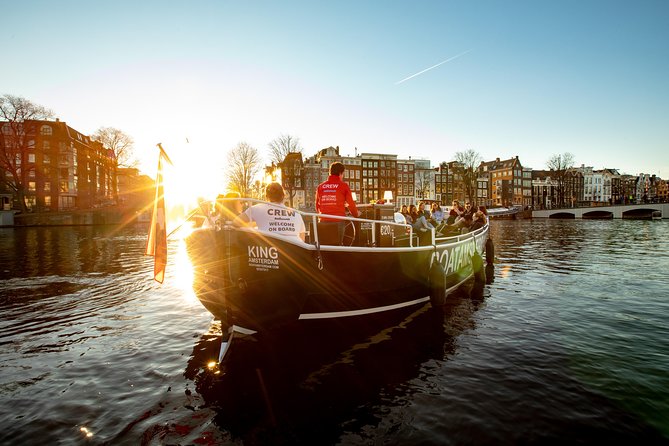
This isn’t a quiet sightseeing cruise. It’s live commentary, delivered from the guide while the boat moves. That turns canal views into something you can place: why this area developed, how the city’s canals connect, and what you’re seeing as you pass it.
I also like that the guide isn’t locked into a script. The format is built for questions along the way, and the boat’s compact size makes it easier to actually hear answers. In the ride feedback, guide names like Olaf, Tommy, Michel, Thomas, Victor/Valter, Remy, and Anne come up. You might not get the exact same person every time, but the style of interaction is clearly part of what people value.
If you’re visiting for the first time, this kind of guidance helps you stop treating Amsterdam like a blur of water and buildings. You start recognizing patterns: the canal belt layout, the bridge moments, and the way certain streets relate to what you’re seeing from the canals.
The route highlights you’ll likely spot (and why each area matters)
Routes can vary due to traffic, construction, and weather, so I treat the sights below as the kind of landmarks you’re set up to see, not a guarantee of perfect order. Still, the way the route is described gives a strong picture of the cruise’s “big hits” and its local texture.
Starting out by the Amstel: Hermitage area to canal life
You set off from in front of the Hermitage Museum and head into the Amstel River. Starting with Amstel gives you a wider sense of Amsterdam’s waterways than you get from narrow side canals, so it’s a good “opening act.” You also pass the Dutch National Opera & Ballet, which is a recognizable landmark as you get oriented.
Then the cruise keeps feeding you variety: a mix of grand buildings, historic waterfronts, and canal-linked neighborhoods. Even if you only catch flashes of details, the guide’s running commentary helps your eyes keep up.
You can also read our reviews of more guided tours in Amsterdam




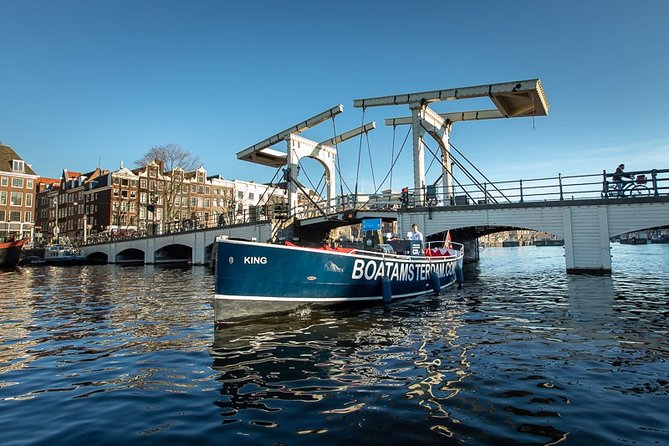
Skinny Bridge (Magere Brug) and the city’s postcard moment
One of the big named stops on the route is Magere Brug. This is one of those places where the photo looks famous for a reason. From the canal you see it in context, not as a distant landmark.
After that, the cruise starts leaning into the canal-belt feel, where you’re more directly in the classic Amsterdam pattern of bridges, gabled houses, and canal-side life. The boat format makes this easier, because you’re not trying to photograph while walking and dodging bikes.
Crossing through the canal belts: Herengracht and Prinsengracht
You’ll pass parts of the canal ring, including Herengracht and Prinsengracht. These names matter because they’re tied to Amsterdam’s historic planning, not just “some canals.” From the water, you get a sense of scale that’s hard to capture from streets.
This is also where the cruise becomes a quick education. You can look at the buildings and understand why certain areas feel more polished or more residential, depending on where you are along the ring.
The Jordaan vibe: cozy streets, character, and more than one type of Amsterdam
The route includes The Jordaan, and it’s famous in part because it feels more local and lived-in than the big museum zones. On the boat, you get that sense quickly: not just architecture, but the way the neighborhoods sit along the water.
You may also pass Spiegelkwartier and areas around Rokin, which helps explain why visitors keep returning. These are the kinds of streets that show up in walking plans, but seeing them from the canal helps you understand their layout.
Anne Frank House area: seeing the landmark without getting stuck in a long day
The cruise is described as passing by Anne Frank House. That doesn’t replace visiting the museum itself, but it can help you place it in the city before or after you go.
If you’re building your schedule, this is useful. You can connect your walk later to what you saw from the water, which often makes a visit feel less random.
Churches, towers, and the “vertical Amsterdam” moments
The route references major skyline points like Westerkerk and Westertoren, plus other striking structures including Weeping Tower (a named stop). From the canal, towers and church domes rise differently than they do on foot, and it changes how you perceive the city’s scale.
This section is also where a good guide makes a difference. The same building looks different when you understand its place in the city story. Even if you don’t care about every detail, you’ll remember the visual.
Museums and quirky stops you might pass: from NEMO to the Cat Cabinet
The boat route is packed with named spots that range from major museums to more quirky addresses. Depending on the exact route that day, you might pass:
- Amsterdam Cheese Museum and other specialty stops
- The Cat Cabinet
- Museum Ons’Lieve Heer Op Solder
- Museum Het Rembrandthuis
- NEMO Science Museum and Het Scheepvaartmuseum
- Arcam
From a practical view, these names help you decide what’s worth adding later. If something catches your interest while you’re floating by, you’ll have enough context to know where to go on land.
One more bonus: the mix of big and small sites keeps the hour from feeling like one long “look at buildings” moment.
Waterfront architecture and historic edges: Hortus Botanicus, Montelbaanstoren, Leprozenpoort
Later in the route description, you may pass places tied to Amsterdam’s history and its relationship with the water. Named examples include Hortus Botanicus, Montelbaanstoren, and Leprozenpoort.
These stops matter because they remind you Amsterdam isn’t only canals for sightseeing. It’s a living city with older layers. Even if you only see a fragment, a guide’s running explanation gives those fragments meaning.
Wrapping it up with canal life: Waterloo square flea market and more
The cruise also references Waterloo square flea market plus other central areas as it continues through the canal system. This kind of mid-to-late route timing can feel great if you’re pairing the cruise with dinner afterward. You’ll already understand where the energy is, even before you walk into it.
And since the ride returns you back to the meeting point, it’s easy to plan your next step without complicated logistics.
Two drinks on board: why it’s good value, not just a perk
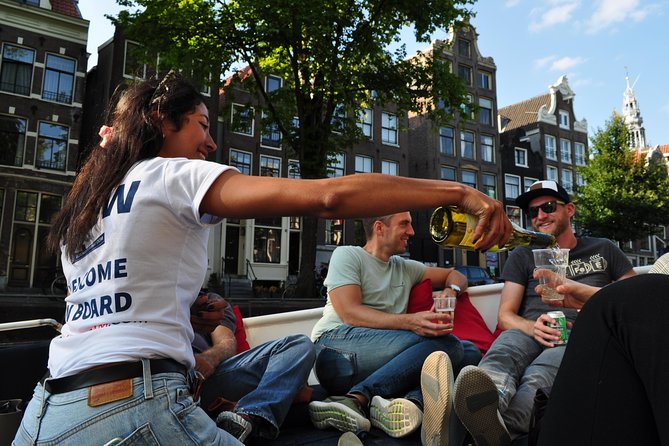
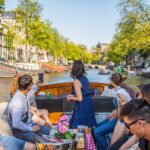
The price includes two drinks. Reviews mention options like beer, wine, and soft drinks, and one person specifically called out mulled wine. The big value isn’t the alcohol itself. It’s the fact that you can enjoy a small moment on the water without having to stop for a drink or pay extra during the ride.
This also changes the feel of the cruise. A one-hour tour can otherwise be pure sightseeing. Drinks help you settle in, and they make the ride feel more social while still being family-friendly in many cases (more on that below).
If you prefer a lighter ride, you can still keep it low-key. The cruise length means you’re not getting stuck hanging around. You’re just adding comfort while you learn.
Timing and atmosphere: when the cruise feels best
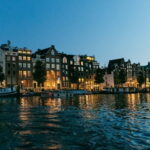
You’ll have multiple departure times, which is one of the easiest ways to fit this into your day. If you’re aiming for the prettiest light, an evening departure can be a strong choice. One guest described going at sunset and called the canal views stunning.
That said, the comfort planning is more important than the clock. In winter, the ride shifts to covered boat comfort with heated seats, plus the operator provides umbrellas in bad weather. So even if the sky isn’t perfect, the experience is still designed to work.
Small-group comfort: why max 35 people matters
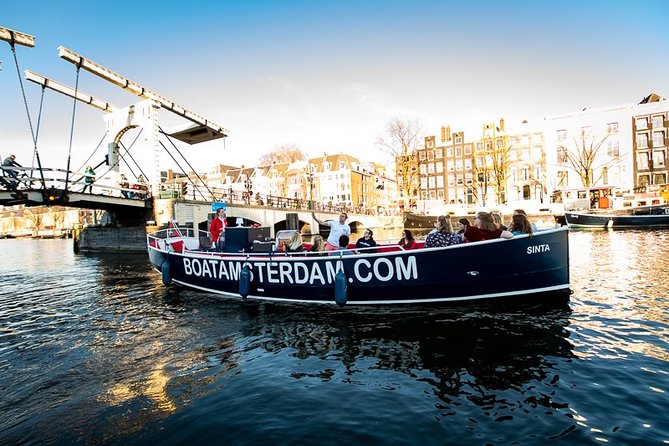
This tour caps at 35 travelers. That number sounds small, and it shows in how the cruise feels. You’re not packed like a commuter train, which makes it easier to hear the guide and move around when needed.
The compact group also helps if you’re traveling with family. Several reviews point to the cruise as a hit for families, and one noted blankets and umbrellas in cold, rainy conditions. For teens and adults who want something short but meaningful, this size makes the hour feel personal.
If you’re a first-time visitor who wants a quick orientation, this is a great match. If you want a long, slow, deeply detailed boat tour, you might prefer something longer than one hour. But for most people, the short duration keeps it efficient.
Potential drawbacks: covered boats, foggy windows, and loud distractions
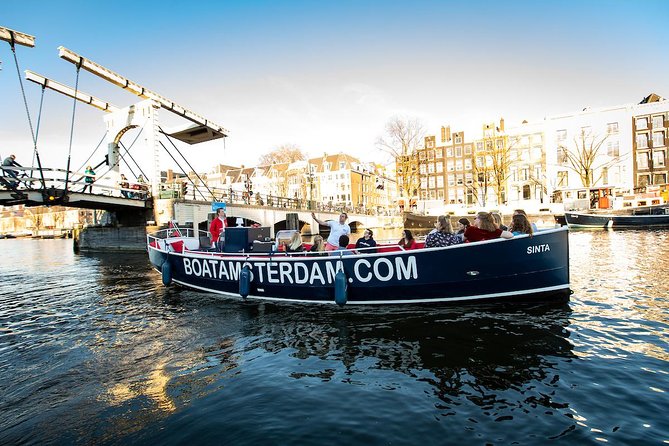
The best part is also the part you should plan for: weather can change the boat setup. In colder months, you can expect a covered configuration. One review specifically mentioned that the boat wasn’t open as expected and that windows fogged up, requiring gloves or scarves to clear.
That’s not a deal-breaker, but it is real. If fog annoys you, bring a scarf you can use and be ready to wipe small sections so you can keep seeing.
Another consideration is group behavior. One review described a loud group that made the guide speak loudly throughout. This is unpredictable anywhere you share a space with strangers, but it’s worth knowing that the vibe can swing on any given day.
Who this Amsterdam open boat cruise is best for
This is ideal if you want:
- A one-hour canal overview without spending most of the day on a boat
- Live guide commentary that helps you connect landmarks
- Included drinks so the ride feels like a treat, not homework
- A cruise that still works for families, including kids who must be with an adult
You’ll likely enjoy it most if you’re building a packed Amsterdam schedule and you want one activity that covers a lot of visual ground. It’s also a good “reset” between busy museum days. Sit, look, listen, and get your bearings fast.
Should you book this Amsterdam Open Boat Cruise?
Book it if you want an efficient, comfortable way to see a wide stretch of Amsterdam from the water. The combination of live guidance, heated seating in winter, a small group, and two included drinks is strong value for a one-hour outing.
Skip it (or plan differently) if you are specifically chasing an always-open boat experience no matter the weather. The operator runs open-air in summer, but in other seasons the boat can be open or covered, and foggy windows can happen on covered setups.
If your goal is to get oriented and enjoy the city’s highlights without a complicated itinerary, this cruise is a smart bet.
FAQ
How long is the Amsterdam Open Boat Cruise?
The cruise runs for about 1 hour.
How much does it cost?
It’s priced at $32.65 per person.
Where does the cruise start?
You meet at Amstel 51F, 1018 EJ Amsterdam, and the cruise departs in front of the Hermitage Museum.
What language is the live guide in?
The experience is offered in English.
Are drinks included?
Yes. The tour includes two drinks.
Is the boat open-air?
In summer, the boats are open-air. In spring and fall, the boat can be open or covered depending on weather. In winter, the boat is covered and includes heated seats.
What happens if the weather is bad?
Umbrellas are provided. In some cases of bad weather or season, the operator may use a covered boat.
How large is the group?
There’s a maximum of 35 travelers.
Are there any child requirements?
Children must be accompanied by an adult.