REVIEW · ZAANSE SCHANS & WINDMILL TOURS
Amsterdam: Windmill Guided Tour
Book on GetYourGuide →Operated by Molen van Sloten · Bookable on GetYourGuide
A windmill that still does the job. That’s what makes Molen van Sloten special: you get to see how Amsterdam West stays dry while learning the real mechanics of a water-pumping mill. I love that it’s a functional, working windmill (not a prop) and that the guide explains both the history and the practical system in plain language. One consideration: it’s a short 45 minutes, and you’ll be climbing up inside, so build it into a day where you can handle steps and not rush.
This is the kind of tour that works well when you want something authentic without committing half a day. You’ll start right at the windmill complex, meet your guide in the souvenir shop area, then follow them through the mill and up for the views. The best part is how quickly the story connects: wind power, water levels, and why this whole region cares so much about drainage.
In This Review
- Key Things To Know Before You Go
- Why a Working Water-Pumping Windmill Matters in Amsterdam West
- Finding Molen Van Sloten and What the 45 Minutes Feels Like
- Entering the Windmill: What You See Before the Climb
- The Wings Turning: How the Mill Works in Real Life
- Wax Figures Painted by Rembrandt: A Strange, Perfect Detour
- Panoramic Views From Higher Up (and What to Look For)
- Price and Value: Is $9 Worth It?
- Who This Tour Fits Best (and Who Might Want to Skip)
- Should You Book the Amsterdam-Sloten Windmill Tour?
- FAQ
- How long is the Amsterdam: Windmill Guided Tour?
- Where does the tour start?
- What does the tour include?
- Is the windmill actually working?
- What languages are the tours offered in?
- Are there wax figures during the visit?
- Is the tour wheelchair accessible?
- Are kids allowed to join?
- Is food or drinks included?
Key Things To Know Before You Go
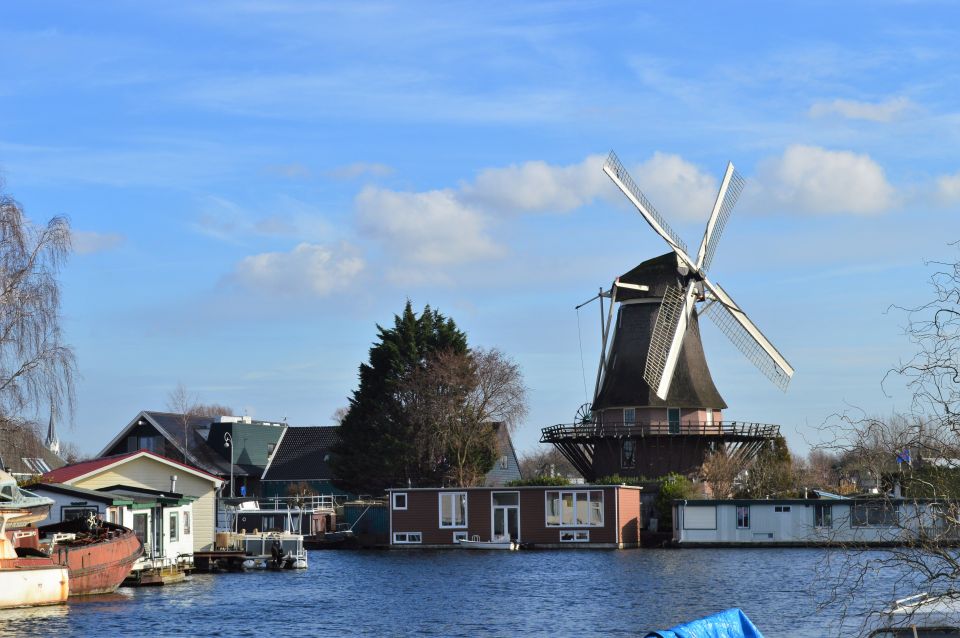
- A working water-pumping mill from 1847, still used to manage water levels in low-lying Amsterdam West
- Sails you can actually see turning, with explanations of what the windmill does
- Panoramic views over the Ringvaart Canal from higher up in the windmill
- Wax characters in the attic painted by Rembrandt van Rijn
- Volunteer guides who share hands-on technical detail and keep the mill running
- Small-group feel possible, depending on turnout
Why a Working Water-Pumping Windmill Matters in Amsterdam West
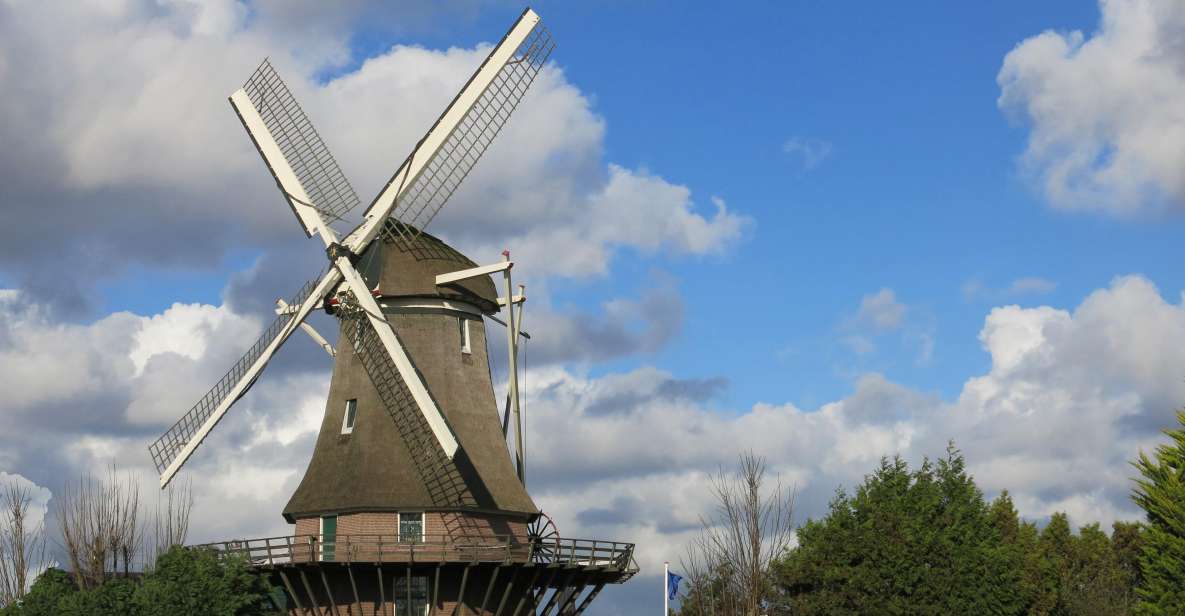
Amsterdam gets a reputation for being flat and charming, but the real lesson is more technical: the city survives because water is managed. In Amsterdam West, that job has historically depended on windmills to pump and control water levels. That’s why this working windmill tour feels more meaningful than most sightseeing.
At Sloten, you’re stepping into a mill that dates back to 1847 and still controls the water situation in the surrounding low-lying areas. When you learn the purpose behind the sails and the pumping system, the Dutch drainage story stops being a lecture and becomes something you can actually picture. You’ll understand how wind energy turns mechanical parts that help move water where it needs to go.
I also like that the tour doesn’t treat the windmill as a museum-only object. It’s presented as a machine that must be maintained. If your timing lines up, you might even catch small practical moments—like adjustments a guide may make to keep the sails functioning properly.
And yes, there’s the scenic side. From higher up, you’ll get a broad look over the canal system around Sloten, with the Ringvaart Canal in your line of sight. It’s a fun reminder that Dutch engineering and Dutch scenery often come as a package.
You can also read our reviews of more guided tours in Amsterdam



Finding Molen Van Sloten and What the 45 Minutes Feels Like
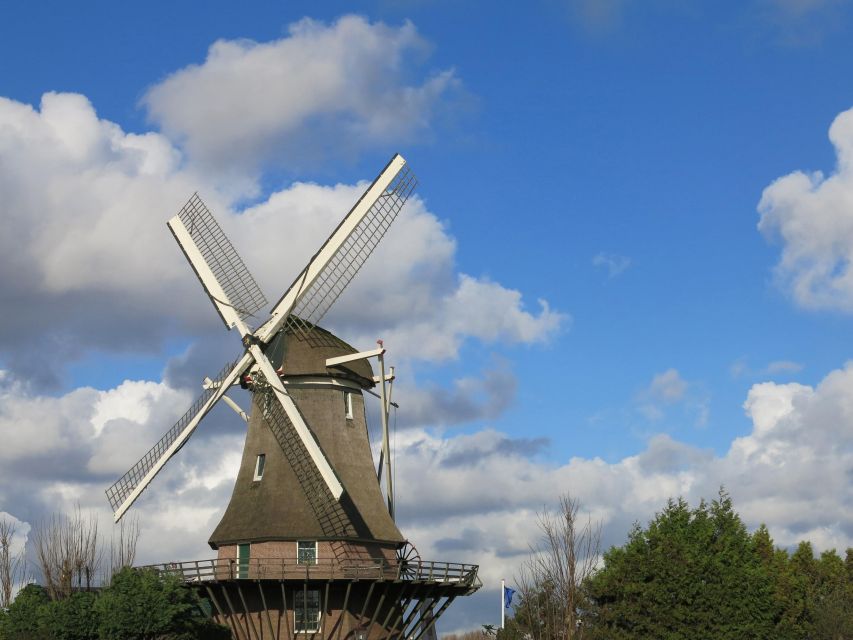
The tour meets at Molen Van Sloten (1990) & Kuiperij Museum. The entrance for the guided tour is in the souvenir shop, so don’t overthink it when you arrive—walk straight to the shop area and look for the entry point marked for the guided visit.
The visit itself is 45 minutes. That short time is a feature, not a bug, if you’re the type who likes focused experiences. You get the basics of the windmill’s job, history, and how the structure works, without losing the thread. The only drawback is that you won’t have hours to linger in one spot or ask every question you think of. Go in ready with curiosity, and you’ll be fine.
There’s no hotel pickup or drop-off, so plan to be at the meeting point under your own steam. Also, bring your expectations: this is a guided climb inside a functional mill, not a relaxed walk through an outdoor park.
Language options are English, Dutch, and German, and the tour is listed as wheelchair accessible. The fact that it’s wheelchair accessible matters because not every historic structure is. Still, you should be prepared that indoor spaces in windmills can be tight, and the experience may feel different from what you’d expect in a flat, open venue.
Entering the Windmill: What You See Before the Climb
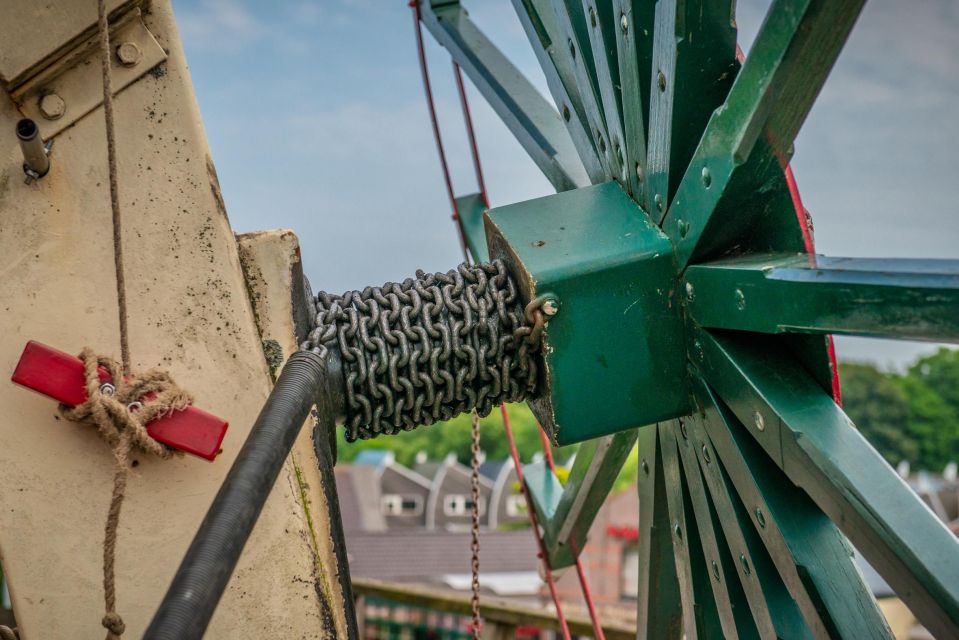
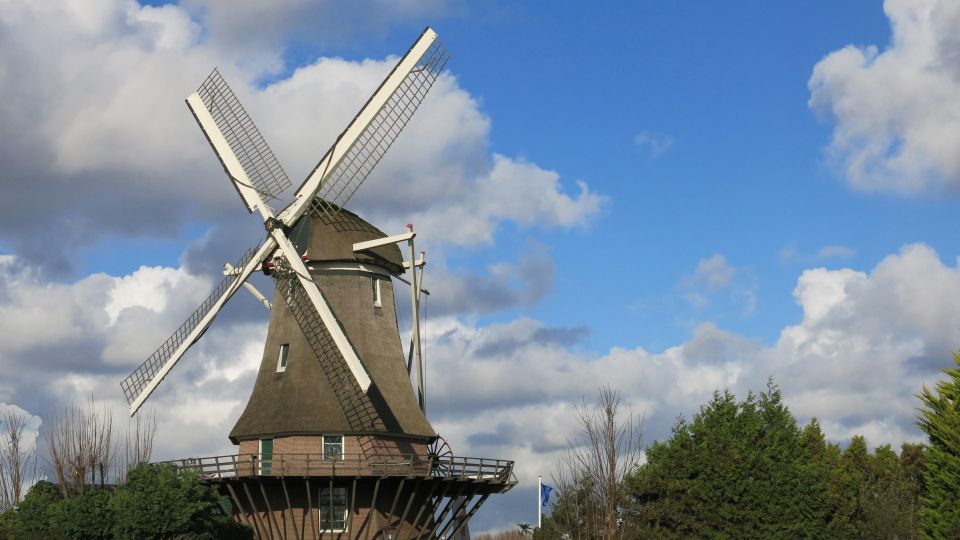
Before you climb, take a moment to notice the building itself. You’ll see the quaint thatched roof and the sturdy oak construction. Those materials aren’t just there for looks. They reflect the practical reality of building something that must survive weather while functioning day after day.
Your guide starts by helping you make sense of what you’re looking at. You’ll hear how this mill fits into the broader water management system of Amsterdam West—because in a place where land is low, water doesn’t politely stay where it belongs.
As you move through the windmill, you’ll also get story context for the surrounding area. The guide shares nearby village references such as Sloten and Old Osdorp, which helps the mill feel anchored in a real neighborhood rather than isolated in the middle of a route.
A big value here is how quickly you connect the physical space to the function. Within minutes, the sails are no longer just blades on a structure; they become part of the water-control mechanism.
The Wings Turning: How the Mill Works in Real Life
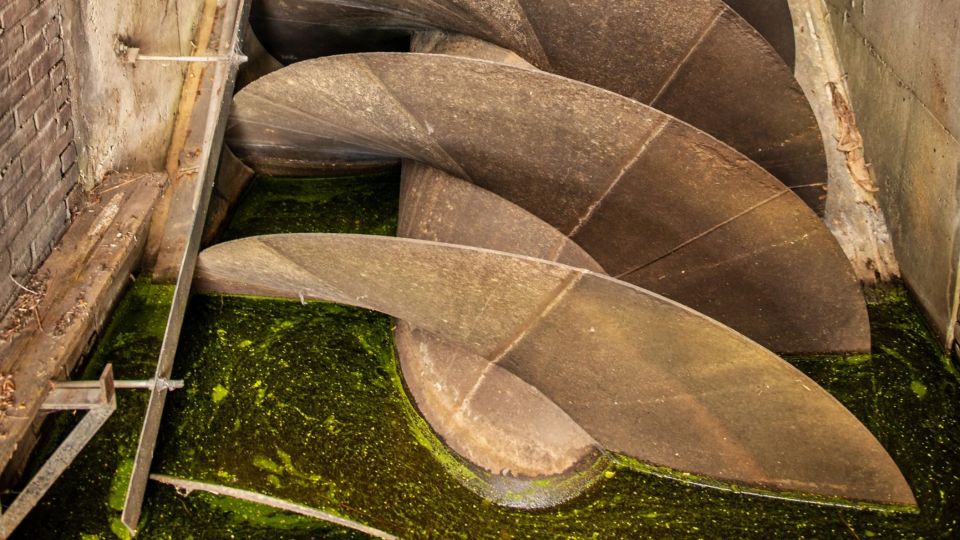
This is the core moment: you’ll see the sails turn on a functional windmill that dates back to the 19th century era. Watching the motion while you listen to the explanation is the fastest way to grasp the logic of wind power.
The guide explains how the mill protects low-lying Amsterdam West by managing water levels. That’s not abstract. It’s the practical reason Dutch communities invested in wind-driven pumping. If you’ve ever wondered why so many windmills exist around the Netherlands, this is where the answer stops being a fact and becomes a system you understand.
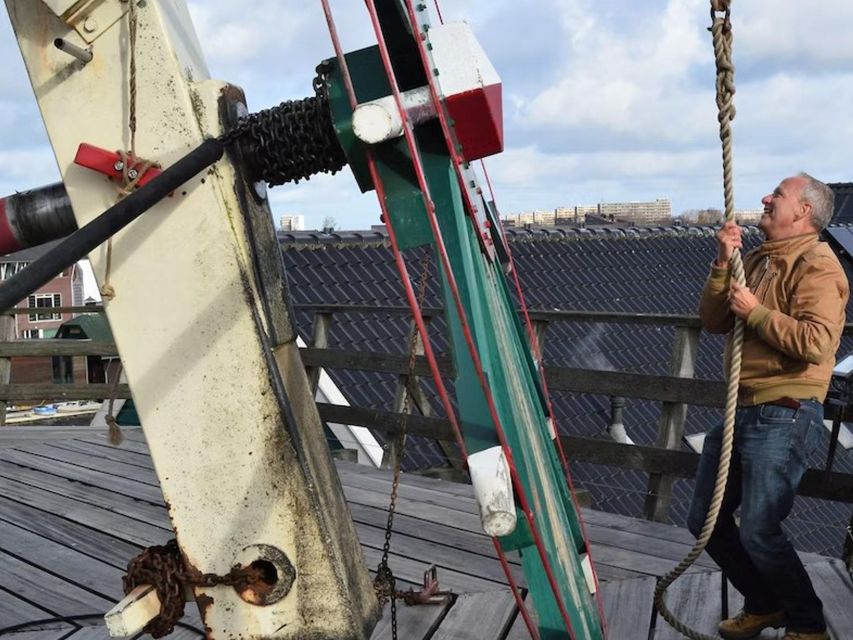
I especially like that the tour isn’t overly mysterious. The explanations include technical details, and the tone is friendly and question-friendly. One review noted that guides can answer with precision, not just generalities. Another highlighted how they adjust parts of the mill while you’re there. Even if you don’t see maintenance in action, it’s reassuring to know the tour is tied to a living machine.
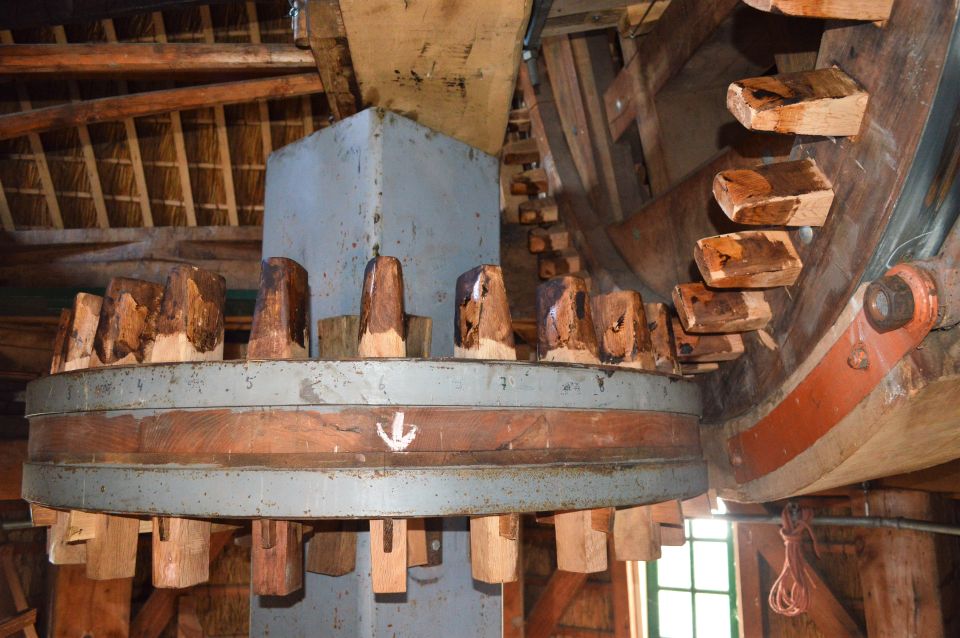
You’re also learning about how the structure is built to withstand the task. You’ll get the sense of balance and control—how you need consistent functioning, not just the romance of wind in the sails.
Wax Figures Painted by Rembrandt: A Strange, Perfect Detour
Up in the attic area, you’ll encounter wax characters painted by the iconic Dutch painter Rembrandt van Rijn. It’s a quirky mix: engineering and art in the same visit.
What I like about this stop is that it breaks the tour’s momentum right when your brain might be overloaded with mechanics. You shift from understanding how water moves to experiencing a cultural interpretation tied to Dutch art history.
The attic characters also add a vertical, cinematic feel to the tour. Climbing up inside a windmill already changes your perspective. The wax figures reinforce that you’re not just looking at a tool—you’re exploring a space layered with storytelling.
If you enjoy moments like this—when a tour adds a human, visual scene instead of only diagrams—it’s a nice payoff.




Panoramic Views From Higher Up (and What to Look For)
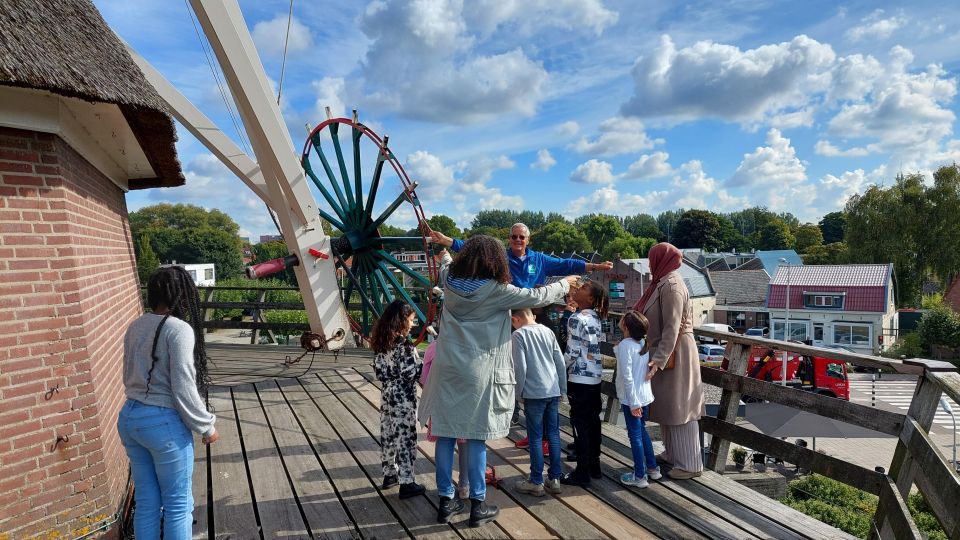
From the top, you’ll get a panoramic view of the Ringvaart Canal and the surrounding areas. This is where the tour shifts from inside-the-machine learning to outside-the-structure appreciation.
To make the most of the view, spend a few seconds orienting yourself. Try to locate the canal lines and imagine how water levels would change across the low-lying terrain around Amsterdam West. Once you’ve heard the water-control story, the canal network looks less like scenery and more like infrastructure.
The views also help you understand why windmills were placed where they were. When you can see the waterways and the neighborhood shape, the mill’s job becomes easier to visualize, even if you don’t remember every technical term the guide used.
It’s not a “stand here for ten photos and forget the rest” kind of view. It’s integrated into the tour, and it lands at the right time—after you’ve already learned what the mill does.
Price and Value: Is $9 Worth It?
At $9 per person for a 45-minute guided tour, this is strong value, especially compared with typical museum-style experiences that cost more but don’t deliver a functioning mechanism.
Here’s why it feels worth it:
- You get entrance fees included and a live guide, so you’re not constantly paying extra once you arrive.
- You see an actual working windmill, including the sails turning, which you can’t replicate with a photo-only attraction.
- The guide focus includes both practical explanations and historical context.
- The tour is short, so you’re buying an efficient hour-plus of meaningful learning and views.
You’ll still want to factor in what’s not included: food and drinks aren’t part of the tour. Plan to eat before or after, so you’re not hungry while climbing and listening.
No hotel pickup is also on you. But that’s normal for this kind of stop, and the meeting point is straightforward once you know it’s in the souvenir shop entrance area.
Who This Tour Fits Best (and Who Might Want to Skip)
This tour is a great fit if you want:
- A hands-on, functional cultural experience in Amsterdam that goes beyond standard canal cruising
- A guided explanation of Dutch water management
- A family outing that mixes learning with something visual, like the Rembrandt-related wax figures
A few notes that help you decide:
- Children under 12 must be accompanied by an adult, and unaccompanied minors aren’t allowed. If you’re traveling with kids, this is easy to plan around, as long as you’re the accompanying adult.
- The visit is only 45 minutes. If you want a deep, hour-by-hour exploration with lots of time for photos and slow wandering, this may feel too short. But if you want the essential story and a clear viewpoint, the timing works.
- Since it’s a windmill interior, you should expect tighter spaces and a climb. Even though the tour is listed as wheelchair accessible, the experience may still be physically different from a flat walking tour.
The tour also makes sense if you’re visiting Amsterdam West and want a change of pace from the city center. It gives you context for how local life adapts to water and weather.
Should You Book the Amsterdam-Sloten Windmill Tour?
Book it if you want a real working windmill experience at a low price, with a live guide and a clear payoff: sails turning, water-control explanations, wax figures tied to Rembrandt, and views over the Ringvaart Canal.
Skip it only if you dislike short tours, aren’t comfortable with indoor climbing in historic structures, or you’re expecting a long museum-style visit with lots of free time. For most people who come to Amsterdam looking for something genuine and practical, this hits the sweet spot.
If you’re on a tight schedule, it’s also a smart add-on. Forty-five minutes is enough to learn the core Dutch drainage logic and still keep your day flexible.
FAQ
How long is the Amsterdam: Windmill Guided Tour?
The guided tour lasts 45 minutes.
Where does the tour start?
The entrance for the guided tour is in the souvenir shop at Molen Van Sloten (1990) & Kuiperij Museum – Windmill.
What does the tour include?
It includes entrance fees and a tour guide.
Is the windmill actually working?
Yes. The tour focuses on exploring a fully functioning water pumping mill, and you’ll see the sails turn.
What languages are the tours offered in?
The live tour guide is available in English, Dutch, and German.
Are there wax figures during the visit?
Yes. In the attic, you’ll see wax figures painted by Rembrandt van Rijn.
Is the tour wheelchair accessible?
The tour is listed as wheelchair accessible.
Are kids allowed to join?
Unaccompanied minors aren’t allowed. Children under 12 must be accompanied by an adult.
Is food or drinks included?
No. Food and drinks are not included.