
REVIEW · ANNE FRANK & WWII HISTORY TOURS
Amsterdam: Anna Frank and World War II History Walking Tour
Book on GetYourGuide →Operated by insolitAmsterdam B.V. · Bookable on GetYourGuide
Anne Frank’s story reaches street level fast. I love the way this walk ties Amsterdam’s Jewish community to the city you still recognize today, and I especially liked the energy and care from guide Ginevra. One thing to plan for: you see the Anne Frank House from the outside only, because entry tickets are not included.
If you’re a history lover, this tour is built for you: you’ll follow the arc from early Jewish settlement in Amsterdam to Nazi occupation and the Holocaust’s cruelty. The pace stays focused and human, with stops that explain why the places matter, not just what happened there.
In This Review
- Key Moments I’d Prioritize
- A 2-Hour Walk From H’ART Museum to the Anne Frank House Area
- Where the Tour Starts: The Hermitage Area and a Memorial With a Specific Purpose
- Learning the Jewish District Story: Not Just Anne Frank, but Amsterdam
- From 1600 to Nazi Occupation: How the Story Gets Told on Foot
- The WWII Hurdles: Jewish Life, Occupation, and the Holocaust’s Reality
- Crossing the City to the Hiding Place: Two Years in the Shadows
- Anne Frank House Without the Ticket: Outside Views and an Audio-Guide Option
- Price and Value: Is $28 Worth It?
- What the Reviews Are Pointing To: Guide Quality and Engagement
- Who Should Book This Tour (and Who Might Want a Different Plan)
- Should You Book This Anne Frank and World War II History Walking Tour?
- FAQ
- What is the duration of the Amsterdam Anne Frank and WWII History Walking Tour?
- How much does the tour cost?
- Where do I meet the guide?
- Where does the tour end?
- Is Anne Frank House entry included?
- What’s included in the price?
- What language is the tour in?
- Can I cancel for a refund?
Key Moments I’d Prioritize
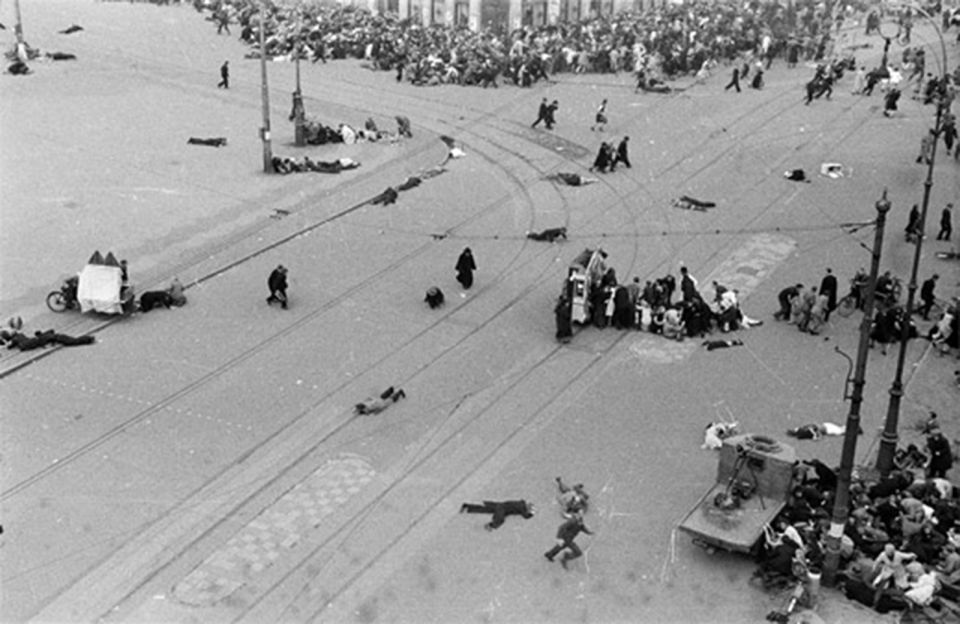
- Outside Anne Frank House views, plus what to look for before you go inside on your own
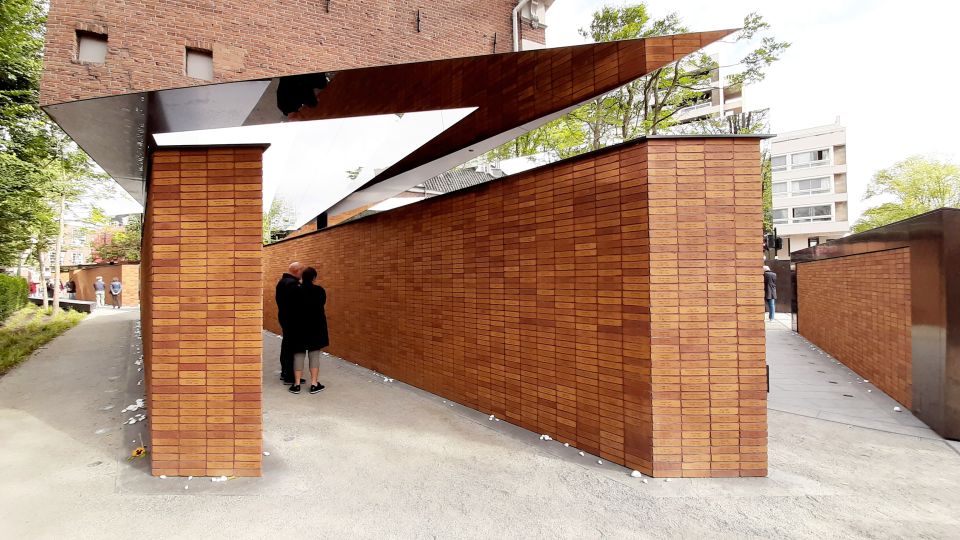
- Name Memorial monument for the deaths of 120,000 Jewish, Sinti, and Rom people
- Amsterdam’s Jewish district context, including how it connected to the wider city
- Origins of the community around 1600, then the jump to WWII occupation
- The hiding story: you’ll walk to the part of Amsterdam where the family sheltered for two years
A 2-Hour Walk From H’ART Museum to the Anne Frank House Area
The tour meets at the entrance of the H’ART museum (ex Hermitage) in the Amstel area. It’s a straightforward start point that puts you right in the middle of the city’s WWII story. You’re only on the move for about two hours, so this works well if you want a meaningful history hit without eating your whole day.
The ending is also pretty close to the Anne Frank House area. The details list the tour as finishing at the Anne Frank entrance, and they also say it ends back at the meeting point—so expect a wrap-up that keeps you nearby rather than sending you far across town.
You’ll be with a live guide speaking Italian. That matters because the real value here isn’t just the sites—it’s the thread connecting them, sentence by sentence, stop by stop.
You can also read our reviews of more walking tours in Amsterdam



Where the Tour Starts: The Hermitage Area and a Memorial With a Specific Purpose
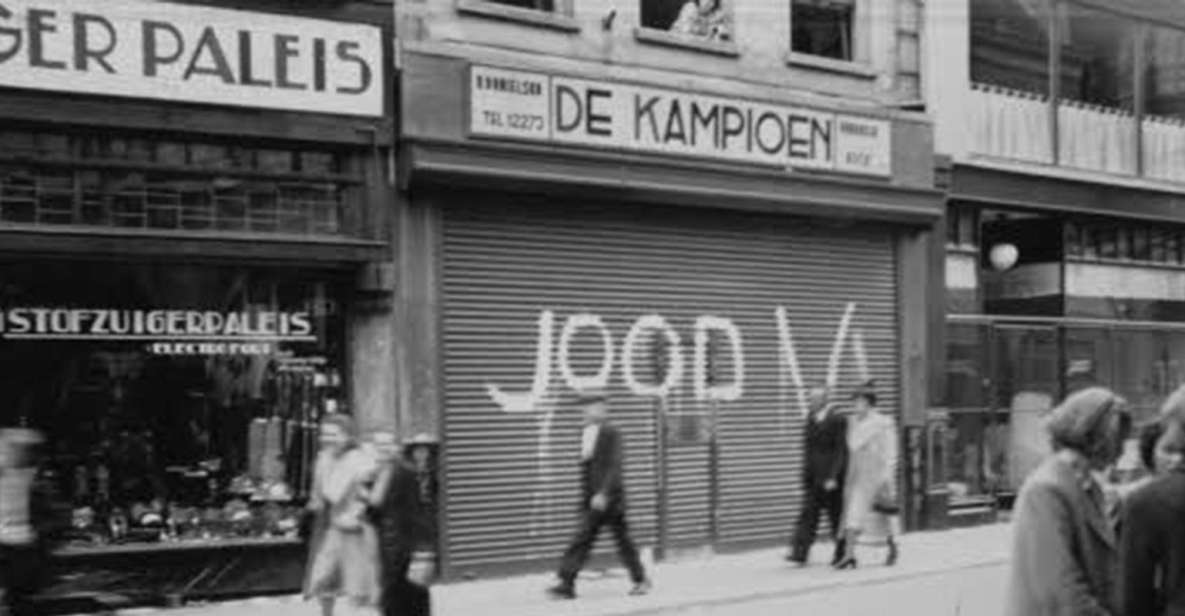
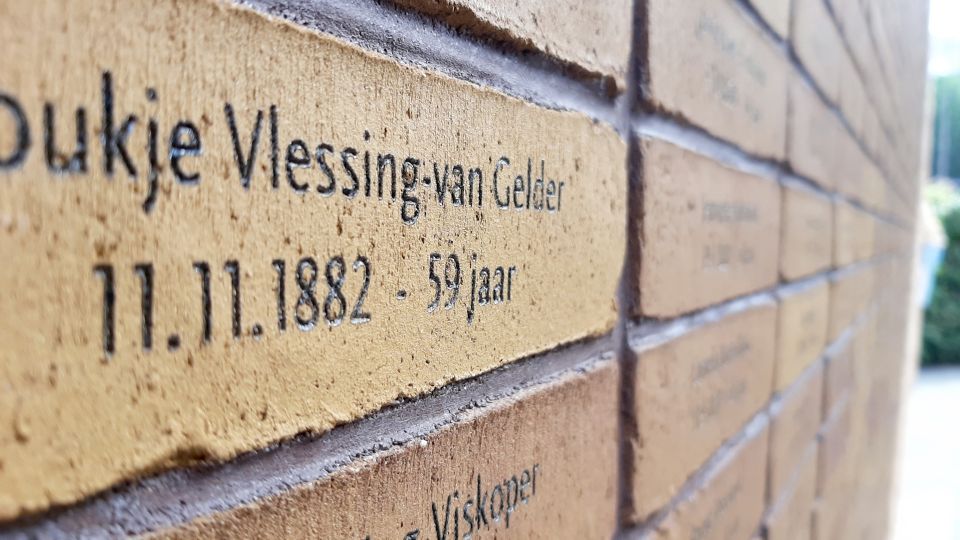
Your first phase is about orientation and meaning. After meeting at H’ART museum, you’ll head to the Amsterdam name memorial monument connected to WWII deaths. This isn’t generic museum talk. It focuses on the scale—120,000 Jewish, Sinti, and Rom people died during the Second World War—and it gives you a clear anchor before you move into the neighborhood story.
I like starting with a memorial like this because it changes how you read the rest of the walk. Before the tour, you might think you’re seeing “Anne Frank landmarks.” After that first stop, you understand the district wasn’t a background—it was a lived community, shattered by occupation and deportation.
Learning the Jewish District Story: Not Just Anne Frank, but Amsterdam
The heart of the tour is the ex-Jewish district area, and the tour treats it like a real neighborhood rather than a sightseeing label. You’ll learn how the Jewish community fit into Amsterdam’s wider city life, not only what happened during WWII.
A key point is the timeline. You’ll hear about the first origins of the Jewish community in Amsterdam around 1600, then you’ll watch how history tightens toward the Nazi occupation. That structure helps your brain hold the story together. It’s not a random list of places—it’s a cause-and-effect narrative.
This is also where the tour becomes more than a history worksheet. You’re encouraged to connect the earlier settlement story to the later catastrophe, and that makes the later parts hit harder.
From 1600 to Nazi Occupation: How the Story Gets Told on Foot
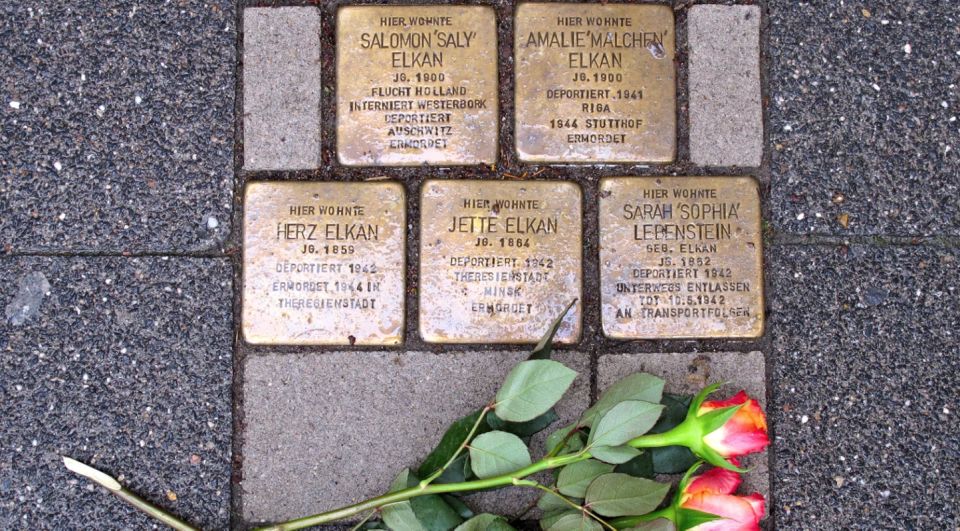
The tour’s arc moves in a logical line. You start with early origins (around 1600), then shift to how Amsterdam changed under Nazi occupation. You’ll also get explanations of how the Jewish district related to the rest of the city, which gives you a sense of what was disrupted—not just that something terrible occurred.
Walking through the streets while you’re hearing this timeline matters. In a museum, it’s easy to treat everything as sealed in time. Outside, the city looks continuous, and that makes the WWII break feel more jarring.
There’s also something practical here: you’ll cross parts of the city to reach where Anne Frank and her family hid. That means the tour isn’t only standing still at one cluster of sites. It gives you a sense of how the city’s geography relates to the story.
The WWII Hurdles: Jewish Life, Occupation, and the Holocaust’s Reality
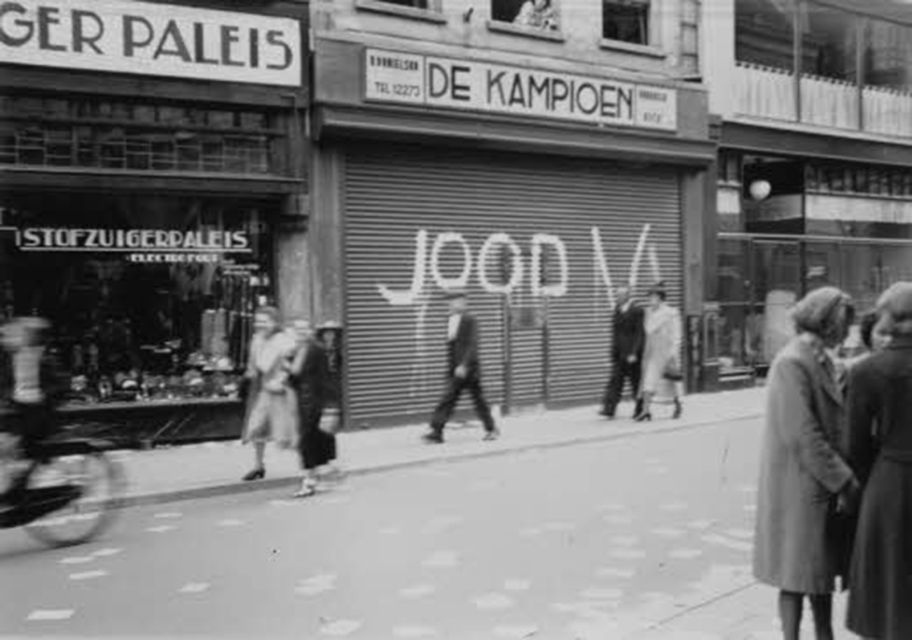
Expect a direct discussion of the Nazi occupation of Amsterdam and the horrors of the Holocaust. The tour is clearly aimed at history lovers and people who want to understand Anne Frank in a wider context, not as a standalone narrative.
One thing I appreciate is the focus on the Jewish community and its link to Amsterdam overall. If all you learn is the hiding years, you miss the brutal machinery around them—what life became, what was being taken away, and what deportation meant.
This is also why the memorial stop earlier works so well. When the tour later reaches the hiding place, the story doesn’t float. It has weight behind it.
You can also read our reviews of more historical tours in Amsterdam






Crossing the City to the Hiding Place: Two Years in the Shadows
The walk then takes you to the part of Amsterdam where Anne Frank and her family stood in hiding for two years before deportation. Even though you’re not inside the house on this tour, the explanation sets up what you’re seeing and what you’re supposed to remember.
I like this approach. It respects the reality that the family’s story is not a “quick photo stop.” You get the location, but you also get the framing—why this neighborhood mattered, what was happening around them, and what deportation meant for Jewish families who tried to survive.
The guide also connects the hiding period to the wider WWII context you’ve already heard. That’s the difference between hearing a sad anecdote and understanding a system designed to crush ordinary people.
Anne Frank House Without the Ticket: Outside Views and an Audio-Guide Option
At the end, you reach the entrance of the Anne Frank House. Here’s the practical catch: this tour does not include entry tickets, and it stays outside.
If you choose to visit the house afterward on your own, the tour notes that an audio guide is supplied for the visit. The ticket itself is separate—so you’ll want to plan a bit of time and money if you want the full inside experience.
This setup can be a smart way to manage your day. You can treat the walking tour as the story engine, then use the house visit for the details you want to experience directly. Or, if you’re running tight on time, you still leave with context and a clear sense of what the house represents.
Price and Value: Is $28 Worth It?
At $28 per person for about two hours, you’re paying for two things: a live guide and a guided walking route through key WWII context. There’s no ticket included for the Anne Frank House, and that’s the main trade-off compared to a package that bundles entry.
So is it worth it? For most people, yes—especially if you want the story connected to the city itself. The memorial stop, the Jewish district framing, the 1600 origins, and the explanation of occupation and the Holocaust are the parts that turn Anne Frank from a famous name into something geographically real.
If you already plan to go inside the Anne Frank House later, this tour is a strong pre-game. You’ll likely understand what you’re seeing more quickly once you’re in the building. If you’re not going inside at all, the outside-focused walk still offers meaningful context, but your impact will depend on how emotionally prepared you are for the WWII subject matter.
What the Reviews Are Pointing To: Guide Quality and Engagement
The high rating makes one thing clear: the guide experience matters here. One review specifically praises Ginevra as a prepared and passionate guide who makes the visit involving and rich in curiosity. That matches what this tour is selling: not just facts, but storytelling that helps the places land.
You should also expect this kind of tour to feel more compelling than a self-guided walk. The key details—like the early origins around 1600 and the links between the Jewish district and Amsterdam—are exactly the things that feel easy to miss when you’re wandering without context.
Who Should Book This Tour (and Who Might Want a Different Plan)
This tour fits best if you:
- Want a history-focused Anne Frank experience that includes Amsterdam and the wider WWII context
- Like walking tours that explain why places matter, not only what places are
- Prefer a guided structure over reading everything on your own
It may be less ideal if you:
- Want the Anne Frank House entry as part of the main ticket (it’s not included here)
- Prefer lighter, less intense history themes
- Need a tour in another language (this one is Italian)
Also, because it’s built around two hours of walking and explanation, it’s a good match for people who like to learn actively while moving. If you want mostly museum-style time sitting down, you might want a different format.
Should You Book This Anne Frank and World War II History Walking Tour?
I’d book it if you’re coming to Amsterdam for more than just photos and you want the story connected to real neighborhoods and real historical change. The memorial start, the ex-Jewish district context, and the walk toward the hiding place give you a well-shaped narrative. Then you can decide whether to add Anne Frank House entry afterward using the audio guide option mentioned.
If you’re short on time, you’ll still get value from the two-hour structure and a guide who’s clearly comfortable making the material readable. If you know you want inside access immediately, look at your schedule and budget first, because the walking tour is designed to bring you to the door—then you choose what comes next.
FAQ
What is the duration of the Amsterdam Anne Frank and WWII History Walking Tour?
The tour lasts about 2 hours.
How much does the tour cost?
The price is $28 per person.
Where do I meet the guide?
You meet at the entrance of the H’ART museum (ex Hermitage) in the Amstel part.
Where does the tour end?
The activity ends at the entrance of Anne Frank. The details also mention the tour ends back at the meeting point, so expect a wrap-up near where you started.
Is Anne Frank House entry included?
No. The tour includes the walking visit to the area and outside stops, but Anne Frank House entry tickets are not included.
What’s included in the price?
The included items are a local guide and the walking tour.
What language is the tour in?
The live tour guide is Italian.
Can I cancel for a refund?
Yes, cancellation is free up to 24 hours in advance for a full refund.