REVIEW · WALKING TOURS
5 hrs Golden Age Amsterdam Private Walking Tour With Local Guide
Book on Viator →Bookable on Viator
Amsterdam is a lot. This tour helps it click.
The route is built for getting your bearings quickly and learning the stories behind what you see, from the Red Light District to the Begijnhof. I especially like the private, up-to-4 group size, which makes it easier to ask questions and adjust pace. One thing to plan for: several major stops have entry tickets not included (Anne Frank House, Westerkerk, Royal Palace, and more), so your final cost can rise depending on what you choose to enter.
For the people who want depth without a textbook, this is a strong fit. The guide I’m seeing referenced most is Aleksandar, often called Aleks or Aca, who’s described as flexible with timing and good at adjusting explanations for different ages. Still, the day includes serious topics (Jewish history and WWII-linked sites) and also the Red Light District, so it’s worth deciding in advance if that mix matches your comfort level.
In This Review
- Key highlights you will actually feel on your walk
- Starting point: Amsterdam Centraal and a 5-hour circuit that makes sense
- Centraal Station, St. Nicholas Basilica, and the city’s “power locations”
- Kleinste Huis, canals as a system, and the Waag’s guild-world
- Ons’ Lieve Heer op Solder and the Begijnhof: faith hiding in plain sight
- Chinatown temples and the Red Light District: two sides of tolerance, handled carefully
- Dam Square to royal power: National Monument and the church used for ceremonies
- From Munt Tower to Rembrandt: coin gates, the Night Watch story, and flower market time
- Anne Frank House area to Jodenbuurt: history you feel, not just read
- Money math: what you pay for, what costs extra, and where value is hiding
- How the private format affects your day (and how to get the best out of it)
- Should you book this Golden Age Amsterdam private walking tour?
- FAQ
- Where does the tour start, and where do you end?
- What’s included in the price?
- What entrance fees cost extra?
- Do I need tickets in advance for Anne Frank House?
- Is it a private tour, and how many people are in the group?
- Can I cancel and get a refund?
Key highlights you will actually feel on your walk
- Up to 4 people means more conversation and less shuffling around strangers
- A “neighborhood-to-neighborhood” flow that connects canals, gates, churches, and squares instead of random sightseeing
- Secret church stops like Ons’ Lieve Heer op Solder and the Begijnhof add texture beyond the postcard views
- A structured break in the Red Light District with practical guidance on what is acceptable
- Major anchors of central Amsterdam (Centraal, Dam Square, Royal Palace area, Anne Frank House area) so you stop guessing where things are
Starting point: Amsterdam Centraal and a 5-hour circuit that makes sense
Your tour begins at Amsterdam Centraal, right where it’s easiest to orient yourself for the rest of the trip. That matters because Amsterdam is compact but not simple. A good first walk sets your mental map: station, canals, medieval walls, and the shift from civic power to religious life to royal history.
The timing is also helpful. The experience runs about 5 hours, and it loops back to the starting area. That way, you don’t have to worry about where you’ll end up or how to get home. If you’re traveling with different comfort levels for walking, the private format helps the guide keep things moving at a pace that works for your group.
One more practical note: the schedule shown is Monday hours from 11:00 AM to 5:00 PM (within the broader date range listed). If you’re only in Amsterdam on certain days, check the calendar early.
You can also read our reviews of more walking tours in Amsterdam


Centraal Station, St. Nicholas Basilica, and the city’s “power locations”
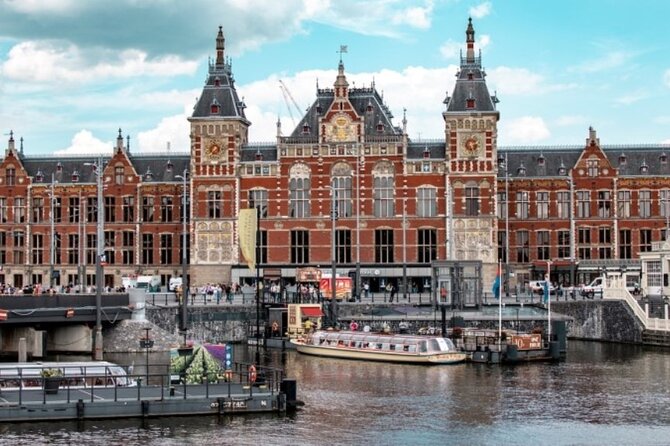
The first stretch gives you Amsterdam’s big, physical landmarks, plus the reason they matter.
Amsterdam Centraal is a good opener because it’s a statement. The station building dates to the second half of the 19th century, sits on 6,059 wooden poles, and is described as Dutch neoclassical in style. Even if you just glance at the façade, you’ll understand how the city builds: architecture that’s meant to last, and engineering that handles water.
Next comes St. Nicholas Basilica, presented as the biggest Catholic temple in the Netherlands, dating from the second half of the 19th century. This is a nice early contrast: Amsterdam can look “mostly Dutch Protestant” from a distance, but the city’s religious history has more layers than that.
Then you pass by the Weeping Tower, tied to the medieval wall around Amsterdam and connected with Henry Hudson’s departure for Northern America. This stop is short, but it works as a narrative bridge: walls and gates are not just structures here. They’re linked to trade routes, departures, and the city’s outward reach.
Kleinste Huis, canals as a system, and the Waag’s guild-world
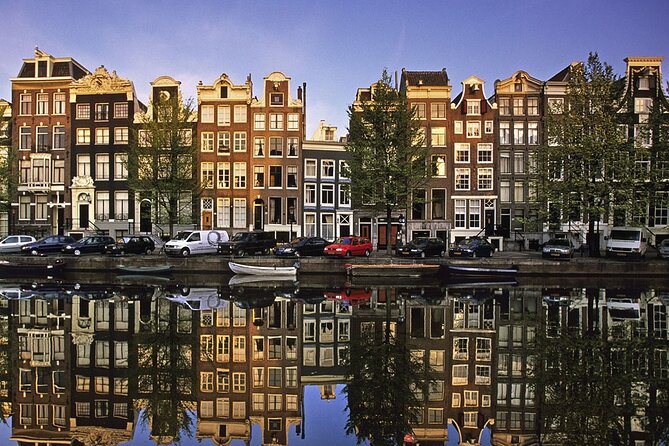
After the station area, the walk shifts to tighter streets and canal-adjacent details.
One of my favorite types of stops in Amsterdam is the kind that teaches you how the city functions. That’s what you get at Het Kleinste Huis van Amsterdam, the smallest house in the city at Singel. Instead of treating it like trivia, the guide connects it to the meaning of “grachten,” and explains what canals were for, how they worked, and why maintenance matters.
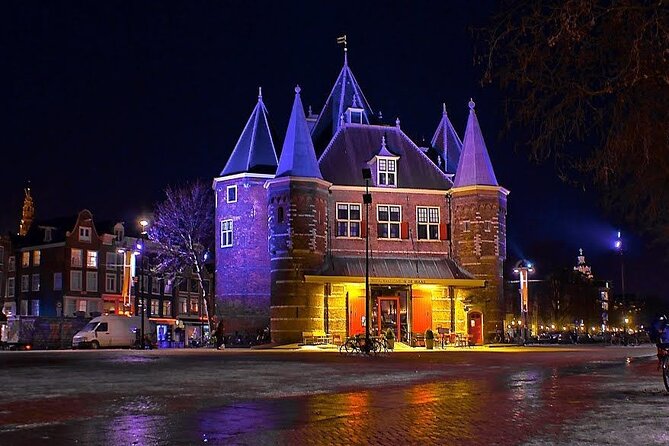
Then you’ll reach De Waag, a “city weigh-building” (customs house) dating to the beginning of the 15th century. It also served as headquarters of several guilds and was once part of the city’s gates. If you like history that explains money and movement—who controlled goods, who taxed them, and where the city funneled trade—this one clicks fast.
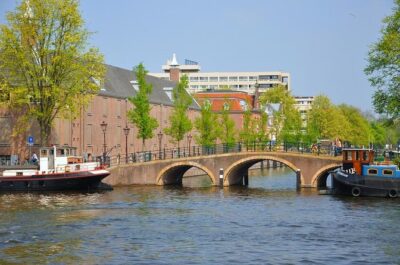
Also, these stops are where Amsterdam’s visual style really shows: narrow, tall shapes; bridges that feel like doorways; and canal edges that are both scenery and infrastructure. The “small” time blocks are perfect because you’re never stuck in one place too long.
Ons’ Lieve Heer op Solder and the Begijnhof: faith hiding in plain sight
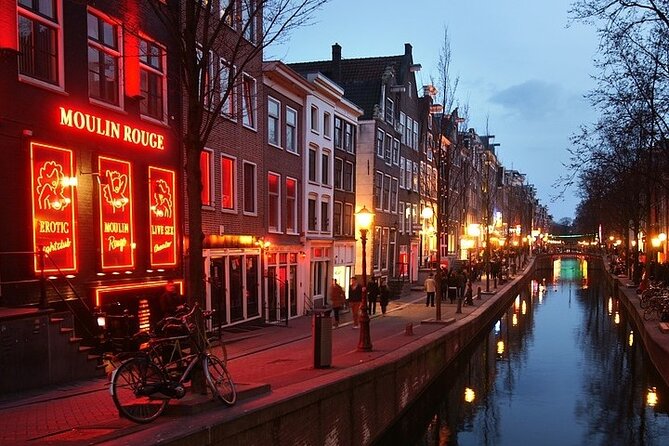
Two of the most memorable stops on this kind of route are the ones that change how you look at buildings you’ve walked past in photos.
Ons’ Lieve Heer op Solder is framed as the famous secret church in Amsterdam, now restored and served as a museum. In other words, you’re not only seeing a church. You’re learning how someone could keep religious life going in a complicated environment. The ticket is not included, so if this is a priority, budget for it and plan accordingly.
Then you move to the Begijnhof, one of those tucked-away courtyards that can feel like you walked into a different Amsterdam. It’s dedicated to the Beguines, described as a semi-closed sisters order similar to nuns, with another secret Catholic church. You’ll also hear about the oldest wooden house in Amsterdam and an English Church reference, plus a legend involving sister Cornelia Arens and the Miracle of Amsterdam from 1345.
What I like about both stops is the same thing: they give the city’s contradictions an address. Amsterdam isn’t just canals and goods. It’s also rooms within rooms, faith that needed cover, and communities that formed in hidden spaces.
One consideration: Begijnhof and similar courtyards can have quiet rules and limited time windows, so it’s smart to bring your patience and listen. The guide’s job is to keep the pace respectful while still making sure you get the story.
Chinatown temples and the Red Light District: two sides of tolerance, handled carefully
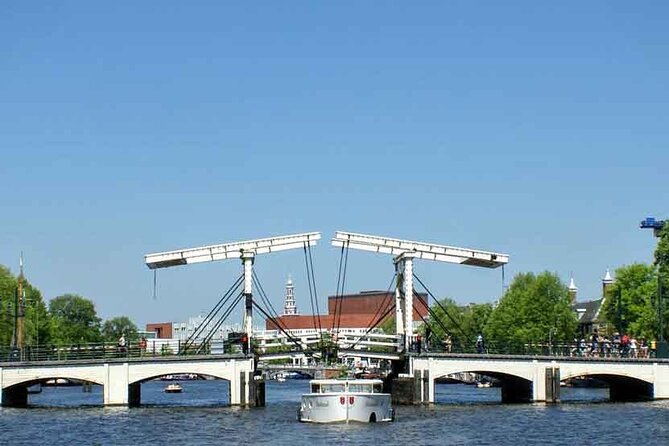
This tour doesn’t try to pretend Amsterdam is one mood.
First, you’ll visit Fo Guang Shan, a traditional Chinese Buddhist temple in the heart of Amsterdam’s Chinatown. It’s described as the second biggest of its kind in Europe. Even if you’re not a temple person, this is a helpful reset from churches and merchant buildings. It shows Amsterdam as a city of migrants, trade, and cultural mixing.
Then comes De Wallen, the Red Light District. The tour is clear-eyed about what you’ll see and what it means. There’s a short break of about 30 minutes, with moderation about prostitution and drug policy in the Netherlands. You’ll get history about prostitution, context on how things look today, and guidance that leans toward doing the right thing rather than chasing shock.
I’ll say it plainly: if you want a purely light, family-friendly stroll, this is where you may feel the mismatch. If you go with curiosity and respect, you’ll likely get more out of it than you expect because the guide handles the topic with boundaries.
You can also read our reviews of more guided tours in Amsterdam




Dam Square to royal power: National Monument and the church used for ceremonies
From the Red Light District area, the walk opens into the city’s central “stage.”
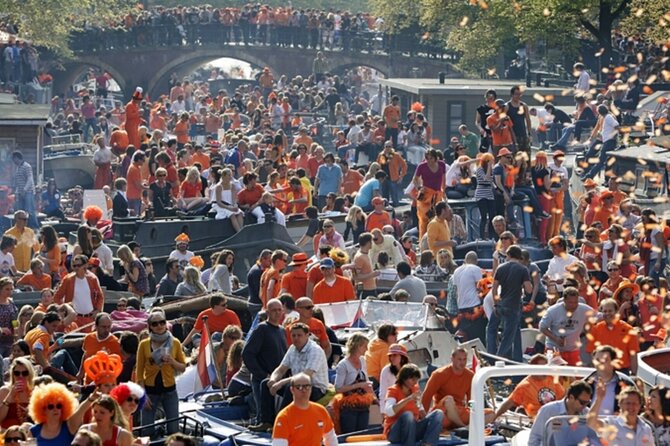
At Dam Square, you’re in Amsterdam’s oldest square and the birthplace of the city, surrounded by major anchors. This is where the guide’s explanations matter because you’re surrounded by high-profile buildings: the Royal Palace area, the New Church, and the National Monument, among others.
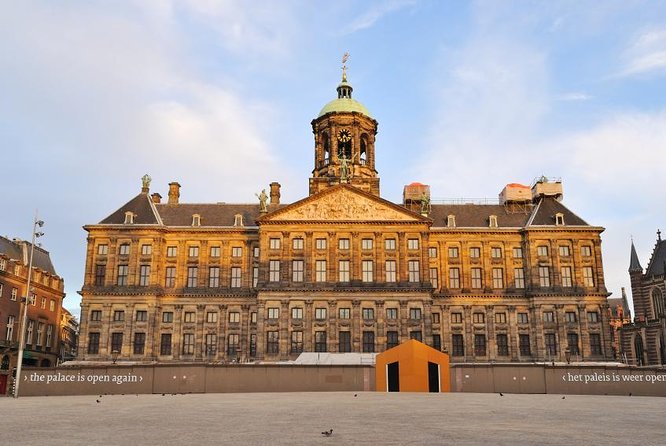
Royal Palace Amsterdam is presented as a former city hall from the middle of the 17th century, built on 13,659 wooden poles, and one of the official residences of the Dutch Royal Family. The ticket for the palace is not included. If you love interiors and state-room style architecture, you’ll probably add it. If not, you can still get a lot from outside views and the story.
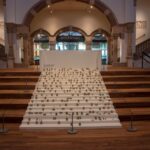
Near it, National Monument commemorates casualties of World War II and subsequent armed conflicts. It’s listed as a 22 m (75 feet) stand from 1956. This stop tends to hit hardest because it’s not a viewpoint. It’s a memorial.
Then you reach Nieuwe Kerk, built initially in the 15th century and used as a worship church of the Dutch Reformed Church, still used for wedding and crowning ceremonies of Dutch royal family members. Ticket is not included, and for some people that’s enough reason to just view from outside, but if ceremonies and architecture are your thing, it’s worth adding.
From Munt Tower to Rembrandt: coin gates, the Night Watch story, and flower market time
Amsterdam keeps offering “why this exists” moments, and this segment is heavy on that.
You’ll see Munt Tower (Munttoren), erected in the 15th century at the meeting point of the river Amstel and Singel, at one of the medieval city gates. Coins were minted here during the 17th century. This is a quick stop, but it’s the kind of detail that changes how you understand the city’s economy and movement.
Next is Rembrandt Monument, honoring Rembrandt van Rijn and tied to a 3D exposure of his most famous masterpiece, The Night Watch. Expect trivia and artist-linked stories, including parts of Rembrandt’s private life as shared by the guide.
After that, there’s a break for the biggest and most famous flower and garden accessories market. This is simply good Amsterdam pacing. After churches, memorials, and dense history, a market stop gives you a sensory reset—and if you’re curious about tulip bulbs, it’s a practical place to ask about options.
Then you’ll pass Sint Luciënsteeg, tied to the City Orphanage (Burgerweeshuis) from 1580 and the street’s stone gables and stone tablets referring to house identities across medieval ages. This is the kind of street-detail stop where a guide can keep you from missing the point.
Anne Frank House area to Jodenbuurt: history you feel, not just read
This is the emotional core of the day, and it’s handled through several connected stops.
Anne Frank House is on the route, with the focus on life in the secret shelter, suffering, human solidarity, and the diary of Anne, translated into 57 world languages. Tickets are not included, and they must be booked online only, at least 6 weeks in advance. If this is non-negotiable for you, plan your whole Amsterdam trip around getting your time slot secured early.
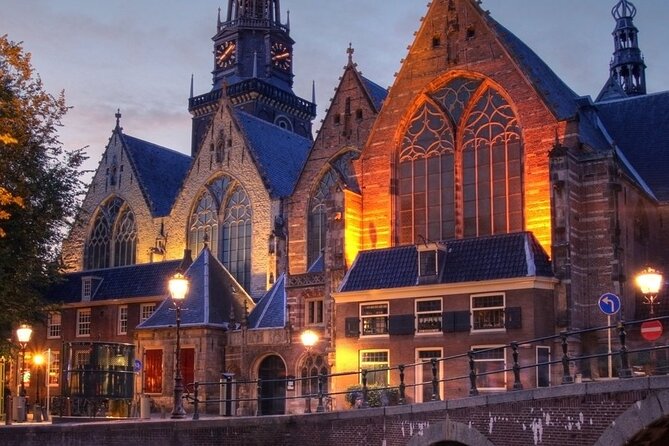
Close by is Westerkerk, described as the third oldest church after South and North, from 1631, with a leaning tower. It’s framed as built for Protestant believers and as a wedding place for former Dutch queen Beatrix. There’s also mention that Rembrandt’s burial place near it is not precisely proven. If you like respectful architectural context more than museum ticket time, this stop can still matter even without entry.
You’ll also get a view of the Amstel and iconic bridges: the Blue Bridge and the Skinny Bridge. This is a classic Amsterdam viewpoint moment, but here it’s timed so you’re not doing it alone, when you might not know what you’re looking at.
Then comes Jodenbuurt (also called Plantage), the Jewish Quarter area where many Jews lived from the end of the 16th century until WW2. The route includes Holocaust monuments and memorials. Even when a stop is described generally, it’s enough to understand why this area is treated with care.
One consideration: if you’re traveling with kids or sensitive adults, decide beforehand how much focus you want on WWII-era material. A private guide can sometimes adjust the tone, and Aleksandar’s flexibility with age levels is specifically noted.
Money math: what you pay for, what costs extra, and where value is hiding
The tour price is $540.69 per group for up to 4 people. That’s not cheap on paper, but private walking tours can be good value when you do the math like this: you’re not just buying directions. You’re buying time with someone who connects stories to places, plus the freedom to ask questions without waiting for a group.
Now the extra costs. Several entry fees are listed as not included, including:
- Royal Palace Amsterdam: €10.00 per person
- Westerkerk: €7.00 per person
- Our Lord in the Attic Museum Ons’ Lieve Heer op Solder: €16.50 per person
- Anne Frank House: €16.00 per person
- Nieuwe Kerk: €10.00 per person
- Old Center: €13.50 per person (with reduced €7.00 for students aged 13–18)
So the practical question is not just whether you like history. It’s whether you plan to go inside. If you add multiple paid stops, the total cost can jump fast. If you treat the paid interiors as a choose-your-own-adventure (like palace and museum only if you really care), the tour stays good value because the guide covers most of the sightseeing meaning even from outside.
Also, this tour is booked fairly early on average—75 days in advance—which suggests people plan it as a first-orientation day or as the backbone for the rest of their Amsterdam schedule.
How the private format affects your day (and how to get the best out of it)
With a maximum of 4 travelers, you’re more likely to get:
- real-time answers instead of rapid-fire “next stop” facts
- better pacing when a child needs a break or an adult wants more detail
- flexibility when your group has different priorities
In the feedback around Aleksandar (Aleks/Aca), the repeated theme is that he adjusts explanations for different ages and stays patient. That matters if you’re traveling with a teen who wants the highlights, a parent who wants the deeper story, and a younger kid who needs movement.
Tips to make the most of the time:
- Decide on your top two paid interiors in advance, because Anne Frank House and similar sites take planning.
- If you’re uneasy about the Red Light District content, let your guide know at the start so you can adjust how much time you want in that segment.
- Bring a phone battery and a small layer. Amsterdam walking can shift from sun to wind quickly, and you’ll be stopping often for brief, story-focused looks.
Should you book this Golden Age Amsterdam private walking tour?
Book it if you want a first-time Amsterdam walk that covers both the postcard highlights and the political and religious history that explains the city’s quirks. The best reason to choose this one is the combination of small-group comfort and a route that links major sites into a story arc: merchant power, hidden faith, central memorial space, royal civic buildings, and the Jewish Quarter’s WWII-linked history.
Skip it or adjust expectations if you’re mainly chasing shopping photos, or if paid interiors are a deal-breaker for your budget. The route includes serious and sensitive topics, so it’s also wise to check that the mix matches your comfort level.
If you want your Amsterdam trip to start with clarity—where things are, why they’re there, and how they connect—this private 5-hour walk is a strong way to get it done.
FAQ
Where does the tour start, and where do you end?
The tour starts at Amsterdam Centraal railway station (Stationsplein, 1012 AB) and ends back at the meeting point.
What’s included in the price?
The tour includes guide services. Entrance fees for certain sights are not included.
What entrance fees cost extra?
Not included are Royal Palace Amsterdam (€10.00), Westerkerk (€7.00), Old Center (€13.50, and €7.00 for students/ages 13–18), Anne Frank House (€16.00), Nieuwe Kerk (€10.00), and Ons’ Lieve Heer op Solder (€16.50).
Do I need tickets in advance for Anne Frank House?
Yes. Tickets for Anne Frank House can be booked only online and you need to book at least 6 weeks in advance.
Is it a private tour, and how many people are in the group?
It’s limited to a maximum of 4 travelers.
Can I cancel and get a refund?
Yes. Free cancellation is available up to 24 hours in advance for a full refund.