REVIEW · CRUISES & BOAT TOURS
Amsterdam: German-speaking boat trip with bar on board
Book on Viator →Operated by Starboard Boats · Bookable on Viator
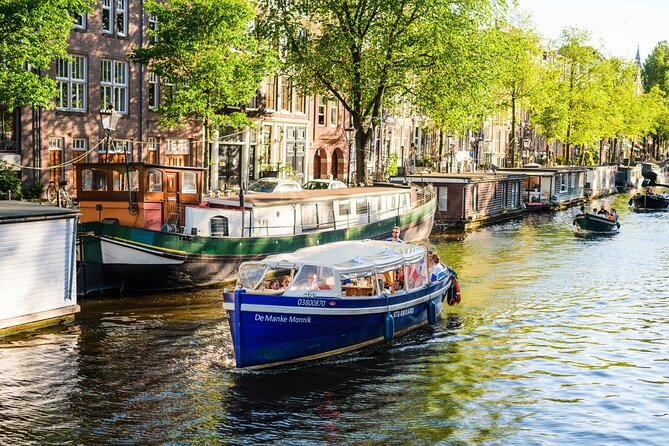
One hour can feel too short, until you’re sliding through Amsterdam’s canals on an all-electric open boat with a German-speaking guide. This is the kind of trip that turns landmark photos into something you can actually see and understand from the water, with quick stops that make each area click.
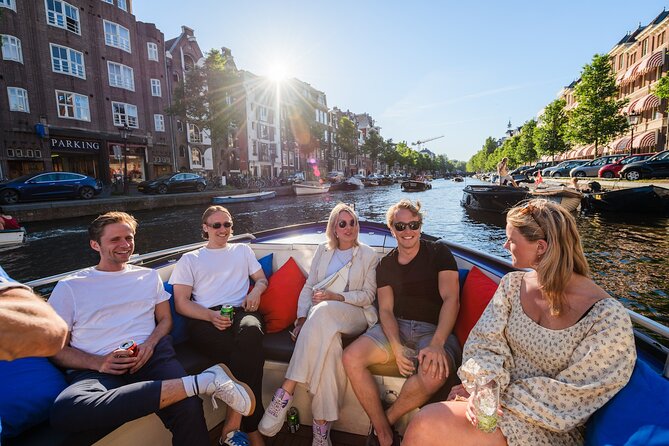
I love two things most: first, the guide-led German narration that gives you context as you pass real sights instead of just floating by. Second, the boat itself—people are genuinely impressed by how good it looks in person, and you still get that close-to-the-water feeling.
The only real drawback to plan for is simple: it’s about an hour. If you want lots of time on foot (for example, to climb towers or browse inside churches), this won’t replace a longer sightseeing day.
In This Review
- Key highlights worth your attention
- Why a German-speaking electric boat beats the usual canal stroll
- Starboard Dock and your easy starting point on the Amstel
- Amstel start: where Amsterdam’s story begins on the water
- Herengracht and the Golden Bend: 17th-century mansions up close
- Seven Bridges viewpoint: your postcard moment (and the best photo stop)
- Bloemgracht in the Jordaan: calm canal vibes and pretty facades
- Westerkerk exterior views: that tower on the skyline
- Magere Brug (Skinny Bridge): the icon, the legend, the lights
- Ending near the city center: Amstel returns and easy next steps
- Price and value: what 26.70 buys you (and what it doesn’t)
- Group size and comfort: hearing the guide is the real luxury
- Who this German canal cruise is for
- Should you book this Amsterdam electric canal cruise?
- FAQ
- What’s the duration of the Amsterdam German-speaking boat trip?
- How much does it cost per person?
- Where do I meet the boat?
- Does the tour use a mobile ticket?
- What kind of boat is it?
- Is there a bar on board?
- What language is the guide?
- How big is the group?
- What’s the cancellation policy?
Key highlights worth your attention
- German-speaking guide narration that explains what you’re seeing as you go
- 100% electric open boat for smooth, easy canal cruising
- Small group size (up to 25) so you can actually hear the guide
- Top-photo stops including the Seven Bridges viewpoint and the Magere Brug (Skinny Bridge)
- Amstel to Jordaan route that balances classic canals with quieter neighborhoods
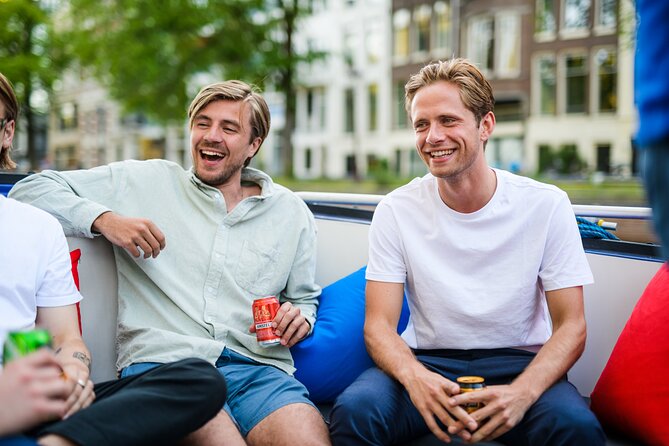
- Bar on board so you can grab a drink while you watch the city glide by
Why a German-speaking electric boat beats the usual canal stroll
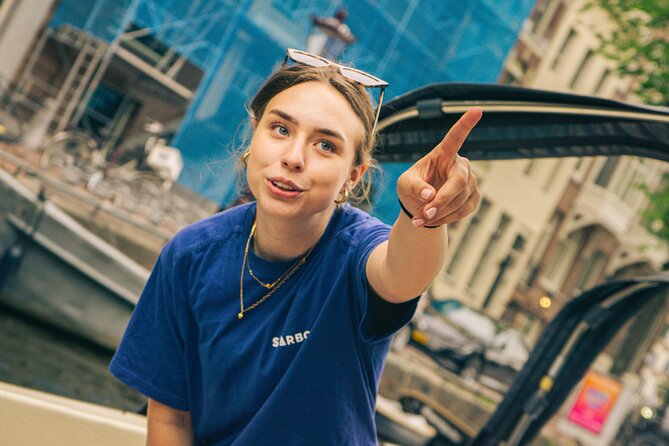
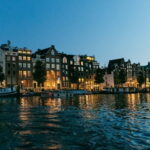
If you’ve ever done Amsterdam canals on your feet, you already know the main issue: you’re stuck scanning from street level while bikes, crowds, and bridges compete for your attention. From the water, the whole city changes scale. You get the reflections, the geometry of the bridges, and the way buildings line up along the canal banks.
This trip is built around one smart idea: short time, strong storytelling. The guide speaks fluent German and fills the hour with clear explanations and entertaining anecdotes, so you’re not just collecting images—you’re picking up meaning. The format also helps if you’re traveling with anyone who prefers guided structure over wandering with an audio app.
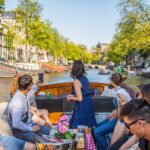
And yes, the boat is open and electric. That matters more than it sounds. Open means you’ll feel the air and see details without craning over railings. Electric means the experience stays calm and comfortable, with less of that old-boat noise vibe.
You can also read our reviews of more boat tours in Amsterdam

Starboard Dock and your easy starting point on the Amstel
Your trip starts at The Starboard Dock – Canal Cruises Amstel 178, 1017 AE Amsterdam. It’s a practical setup: it’s in the canal area, and the tour is near public transportation, so you’re not forced into a long scramble at the start.
You’ll also get a mobile ticket, which is convenient for a city where you’ll be scanning, tapping, and moving a lot. One small comfort: the service allows service animals, and most people can participate. The experience is designed to be approachable.
Timing note: since the cruise is about 1 hour, you’ll want to arrive with enough buffer to find the dock, settle in, and start calmly—no racing through Amsterdam streets with your camera in your teeth.
Amstel start: where Amsterdam’s story begins on the water
The cruise begins on the Amstel, Amsterdam’s key waterway. As you glide along, you’ll get a sense of how the city grew—from a small fishing-village setting to a major cultural and city-center role. From the water, that evolution feels more tangible. You can see how the canal corridors shape neighborhoods and viewpoints.
This is also where Amsterdam’s mix of old and new becomes visible. Along the Amstel’s banks, you’ll pass areas with traditional canal architecture alongside modern touches. And because the boat is moving through reflections, narrow bridges and canal edges show up like a layered collage.
The main reason I like starting here: it sets your bearings fast. Before you reach the big-name spots later, you already understand the canal rhythm—how the curve of the water creates those classic “Amsterdam view” moments.
Herengracht and the Golden Bend: 17th-century mansions up close
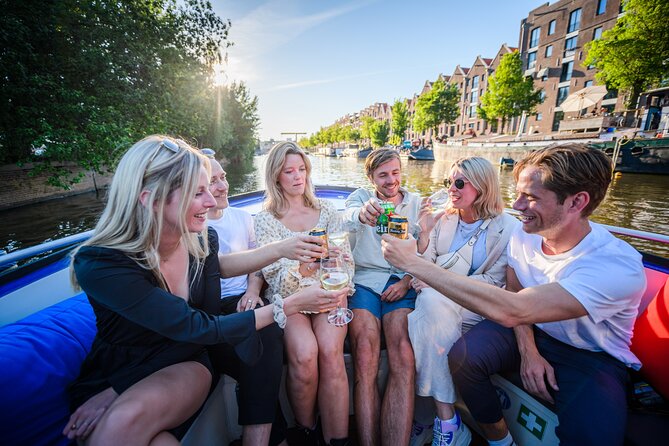
Next comes Herengracht, one of Amsterdam’s most famous canals. The highlight is the Golden Bend, known for its elegant 17th-century mansions. From the boat, these buildings don’t just look pretty—they read as a statement of power, wealth, and merchant life.
The guide’s German narration is particularly useful here. Without context, you might see impressive facades. With context, you start noticing details like the mansion style that evolved during the Golden Age and how the canal frontage worked like a kind of status display.
One practical plus: the water is calm along this stretch, so you get good reflections. If you’re hoping for photos with crisp building lines, this is one of the best stretches. Just keep in mind open boats can mean glare depending on the light, so try different angles rather than shooting straight into the sun.
Seven Bridges viewpoint: your postcard moment (and the best photo stop)
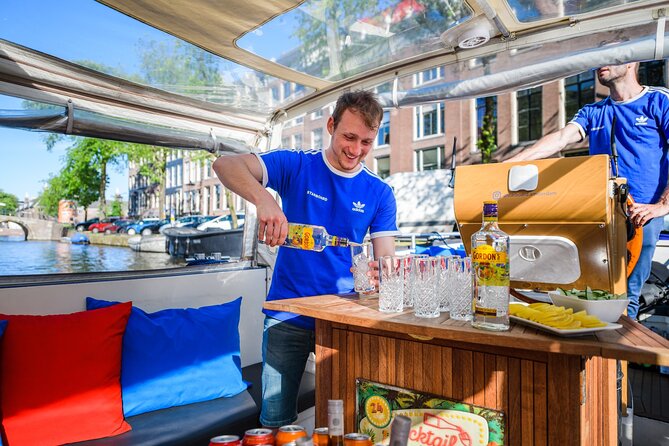
At the Seven Bridges viewpoint, the city opens up into a panorama. This is where the Reguliersgracht and Herengracht intersect, and the viewpoint is exactly the kind of place that makes you pause your scrolling and actually look.
This stop is built for photos because it’s a natural visual payoff: multiple bridges, layered water angles, and buildings arranged in a way that feels carefully composed. If you’re on an evening departure, you’ll also get the extra magic of golden light bathing the bridges—perfect for that soft, warm Amsterdam look.
A tip that saves time: have your phone/camera ready before you reach the viewpoint. Boats don’t stop long in these situations, so you want to be set for the best angle the moment it appears.
You can also read our reviews of more drinking tours in Amsterdam



Bloemgracht in the Jordaan: calm canal vibes and pretty facades
Then you shift into Bloemgracht, in the Jordaan area. This is a quieter-feeling canal stretch in the middle of the city. The vibe changes from grand canal prestige to something more intimate: characteristic bridges, calm water, and that classic canal-house row.
One thing to watch for is the color. Bloemgracht is known for flowers blooming along the banks, and the way those colors bounce off the water can make photos look more alive than you’d expect. The facades along this canal also tend to be more detailed and decorative, so slow down with your eyes and look at the textures, not just the big shapes.
Drawback? Since you’re on a boat and the stop time is limited, you won’t have the chance to stroll deeply here. That’s not a flaw—it’s just the trade-off. For Bloemgracht, think “see from the water” rather than “explore on foot.”
Westerkerk exterior views: that tower on the skyline
A major landmark along the route is the Westerkerk. Even from the canal, the church’s tower is hard to miss. It’s one of Amsterdam’s largest Reformed churches dating back to the 17th century, and it helps anchor the skyline when you’re moving quickly by boat.
The guide context matters here too, because Westerkerk isn’t only a pretty structure. It connects to Dutch cultural life, and it’s also not far from the Anne Frank House area, which makes it especially relevant if that’s on your Amsterdam checklist.
Here’s what to do if you want to make the most of this stop: use it as a mental map marker. After the cruise, it’s the kind of landmark that helps you orient yourself, especially if you plan to walk in that area later.
Magere Brug (Skinny Bridge): the icon, the legend, the lights
The star attraction for many people is Magere Brug, also called the Skinny Bridge, crossing the Amstel. This wooden bridge is one of Amsterdam’s most iconic draws, and it’s a real “postcard motif” from the moment it comes into view.
What makes this stop interesting beyond the obvious beauty is the story tied to it. There’s a legend that it was built in the 17th century by two sisters who lived on opposite sides of the river. Even if you don’t care about legends, the bridge’s visual thinness and position make the story feel like it belongs there.
If your cruise runs at night or in low light, the bridge is bathed in romantic lighting, and that changes the feel completely. It stops being just a structure and becomes a glowing focal point. Plan your photo angle with the lights in mind—test your settings quickly and avoid over-shooting. One clean shot beats five blurry ones.
Ending near the city center: Amstel returns and easy next steps
The cruise wraps up back on the Amstel near the tour’s starting area, and it’s close to Rembrandt Square, right in the thick of the city center. So when the hour ends, you’re not stranded far away—you can keep going with dinner, a short walk, or a museum visit depending on your day plan.
This ending also matters because it brings you full circle. You’re back on the water near where you started, which makes the whole route feel like one continuous loop rather than a one-way transfer.
Price and value: what 26.70 buys you (and what it doesn’t)
At $26.70 per person, this is a mid-range price for a guided canal cruise that’s specifically German-speaking and includes an onboard bar. The bar is a nice extra, but don’t assume drinks are included—think of it as an on-board option while you enjoy the ride.
The best value comes from two things: the guided narration and the time efficiency. In about an hour, you cover a run of canals and landmarks that would take far longer on foot—especially if you’re hopping between far-apart areas. The boat format compresses distance, and the guide helps you notice what matters.
Where it doesn’t fit is where you might expect more time. This isn’t a half-day canal adventure with extended stops. It’s a tight, focused cruise, which is great if you want highlights. If you want slow exploring and inside visits, you’ll likely want to pair this with other activities.
Group size and comfort: hearing the guide is the real luxury
The boat holds up to 25 travelers, which is a sweet spot. Larger groups can turn narration into background noise. With this size, you have a better chance of catching the details, especially since the tour is in German.
Open-boat comfort is another practical point. You’ll be closer to the sights and the air, but you should dress for Amsterdam’s moods. Layers help. Also, if you’re sensitive to wind, bring something light to block it.
If you’re traveling with friends and you care about photos, open boats make a difference because you can reposition for angles rather than being stuck at one spot. The key is to coordinate quickly so you’re not moving around while the boat is approaching a key viewpoint.
Who this German canal cruise is for
This experience is a great match if you:
- want high-quality canal views without spending half a day walking
- prefer a German-speaking guide over self-guided wandering
- like your sightseeing with a clear route and short stops
It’s also a smart choice for people who want a relaxing break in the middle of a busy Amsterdam day. The pace is gentle: you’re floating through iconic areas without constant stairs, crossings, and crowd navigation.
If you’re the type who wants long stops, museum time, or tower climbs as part of the same activity, you’ll be better off planning separate blocks for those. The cruise is a highlight reel, not an all-day sightseeing replacement.
Should you book this Amsterdam electric canal cruise?
I’d book it if you want a compact, German-guided way to see several of Amsterdam’s best canal moments from the water—especially if you care about reflections, bridge views, and getting context while you pass landmarks.
Skip it only if your priorities are slow exploring or extended on-foot time. Since it’s about one hour, you’ll leave satisfied but wanting more if you love Amsterdam so much you could move in.
One last nudge: if you’re trying to time your trip well, book in advance. This kind of experience tends to get scheduled fairly regularly (on average, people book about a month in advance). A little planning helps you lock in the day you want.
FAQ
What’s the duration of the Amsterdam German-speaking boat trip?
The cruise is approximately 1 hour.
How much does it cost per person?
The price is $26.70 per person.
Where do I meet the boat?
You meet at The Starboard Dock – Canal Cruises Amstel 178, 1017 AE Amsterdam, Netherlands.
Does the tour use a mobile ticket?
Yes, it’s a mobile ticket.
What kind of boat is it?
It’s an open boat powered by 100% electric energy.
Is there a bar on board?
Yes, there is a bar on board.
What language is the guide?
The guide speaks fluent German.
How big is the group?
The tour has a maximum of 25 travelers.
What’s the cancellation policy?
You can cancel for a full refund up to 24 hours in advance of the experience start time.