REVIEW · CANAL CRUISES
Amsterdam: German Guided Canal Cruise with on Board Bar
Book on GetYourGuide →Operated by Starboard Boats · Bookable on GetYourGuide
One hour on electric canals beats museum fatigue. This German-guided cruise turns Amsterdam’s canals into a moving lesson, with a local host who explains how the city grew and why canal houses look the way they do. I also like the fully electric boat setup: it feels calm and modern, and you can order a drink while you float past the big-name sights.
The main catch is practical: the tour is not suitable for wheelchair users, and boarding can involve quick, physical steps at the dock—so wear grippy shoes and plan to arrive early.
In This Review
- Key Things I’d Focus On
- Getting Onboard at the Starboard Dock (and Why Timing Matters)
- Electric Canals: The Feel of a Quiet Boat and On-Board Drinks
- Your German Host’s Storytelling Style (History, Churches, and Leaning Canal Houses)
- Dancing Houses and the Early Church Lineup Along the Amstel
- From Basilica and Maritime Museum to Rembrandthuis and the Canal Power Stretch
- The Seven Bridges Viewpoint: Where the Cruise Becomes a Photo Assignment
- Prinsengracht and Magere Brug: The Most Request-This-Photo Stretch
- Value at Around $25 for an Hour: What You’re Really Buying
- Who This Cruise Fits Best (and Who Might Want Something Else)
- Small-Print Prep: Clothing, Shoes, and How to Enjoy the Ride
- Should You Book This German Electric Canal Cruise?
- FAQ
- How long is the Amsterdam German canal cruise?
- What language is the live tour guide?
- How much does the tour cost?
- Where do we meet for the cruise?
- Is there a place nearby to get there by public transport?
- Can I buy drinks on board?
- Are the boats open or closed?
- Is the tour wheelchair accessible?
- What should I wear?
- What if I need to cancel?
Key Things I’d Focus On
- German-speaking guide telling canal-and-architecture stories as you glide by
- Fully electric propulsion for a quieter ride and a more relaxed feel
- A board bar so you can add a drink without leaving the boat
- Iconic stops like Oude Kerk and the Seven Bridges viewpoint for photos and context
- Short, efficient route that fits people with limited time
- Dock reality check: this is not a slow, step-free experience for everyone
Getting Onboard at the Starboard Dock (and Why Timing Matters)
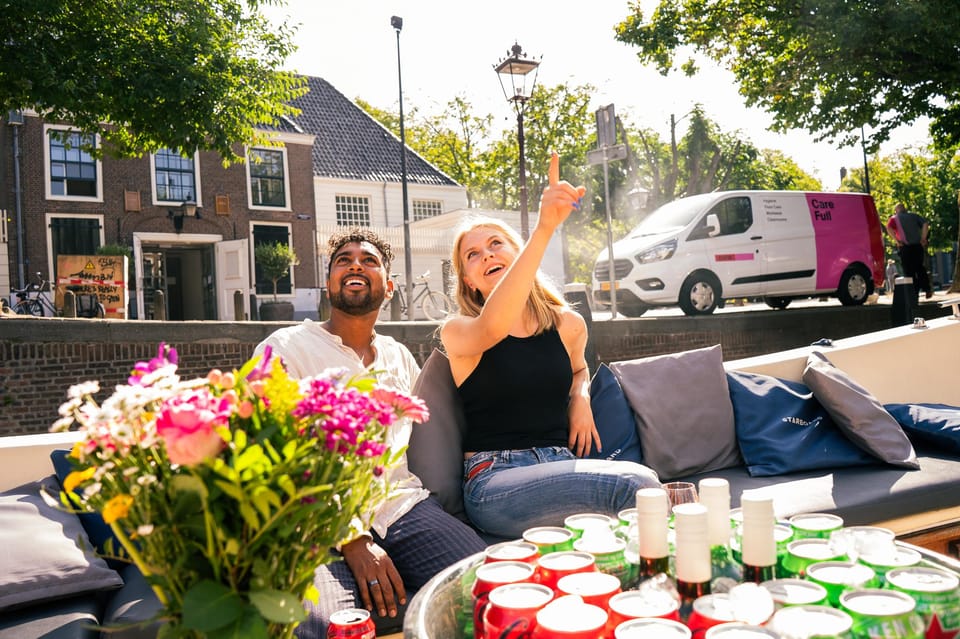
You meet on the Amstel near Rembrandtplein, right by the Starboard dock area. If you’re coming by metro, plan on about a 4-minute walk from Waterlooplein. Tram lines 14 and 4 stop at Rembrandtplein, which makes this a pretty straightforward way to get to the start.
Here’s the real reason I’m picky about timing: the boat departs as scheduled and cannot wait for late arrivals, and late arrivals don’t come with refunds. In peak season, Amsterdam’s busy traffic can add a small chance of slight departure delays because of canal congestion, but don’t treat that as a plan.
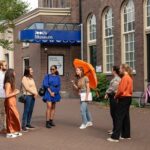
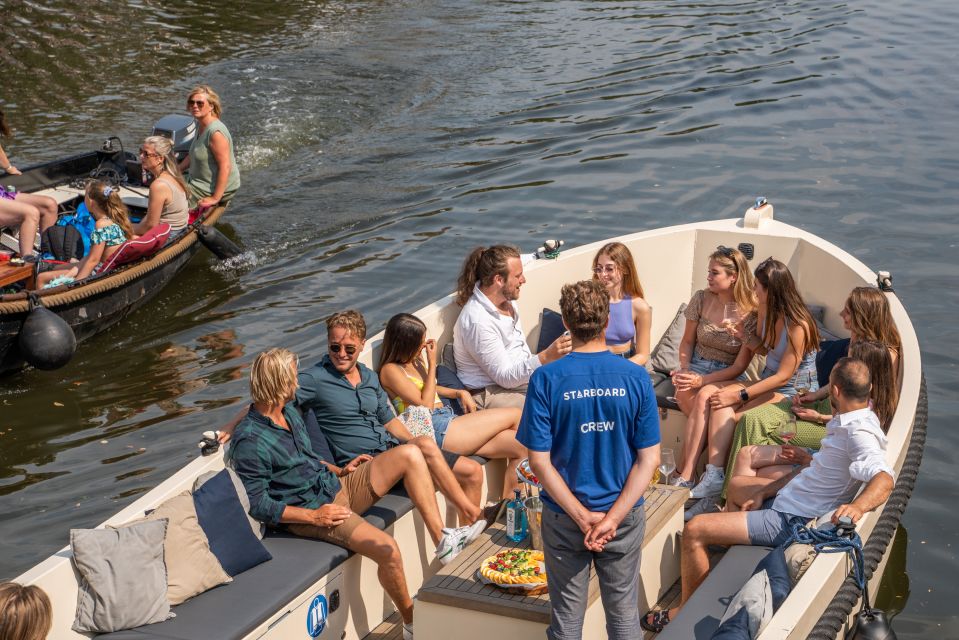
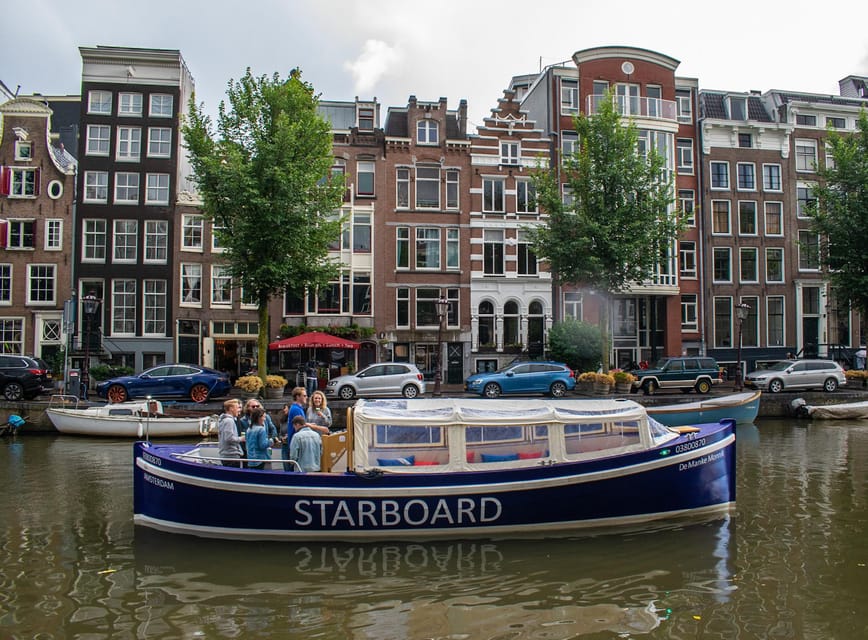
When you arrive, look for team members in blue shirts with Starboard on them. Check in, get settled, and then let the cruise do the work.
You can also read our reviews of more boat tours in Amsterdam

Electric Canals: The Feel of a Quiet Boat and On-Board Drinks
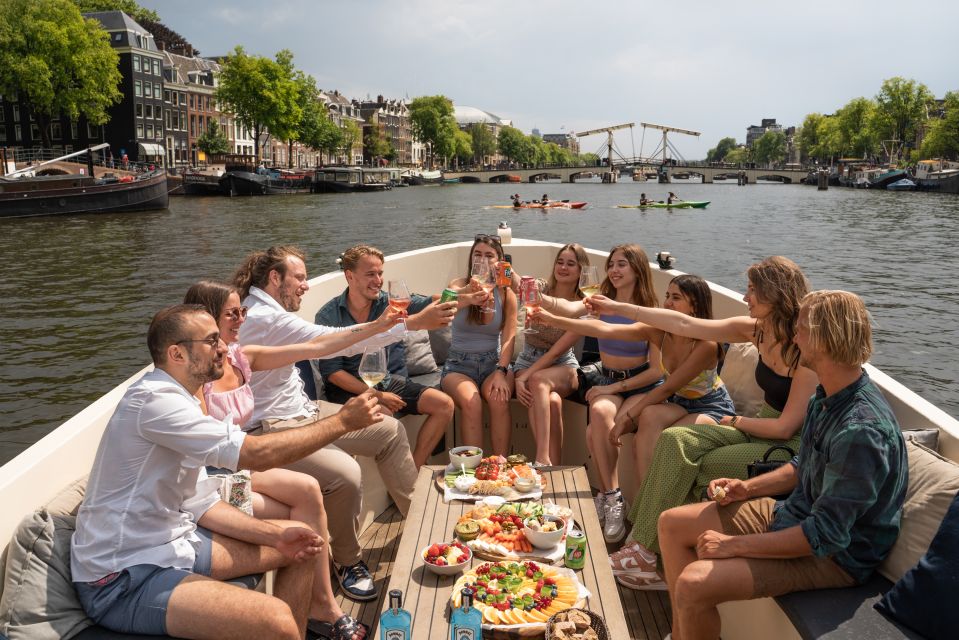
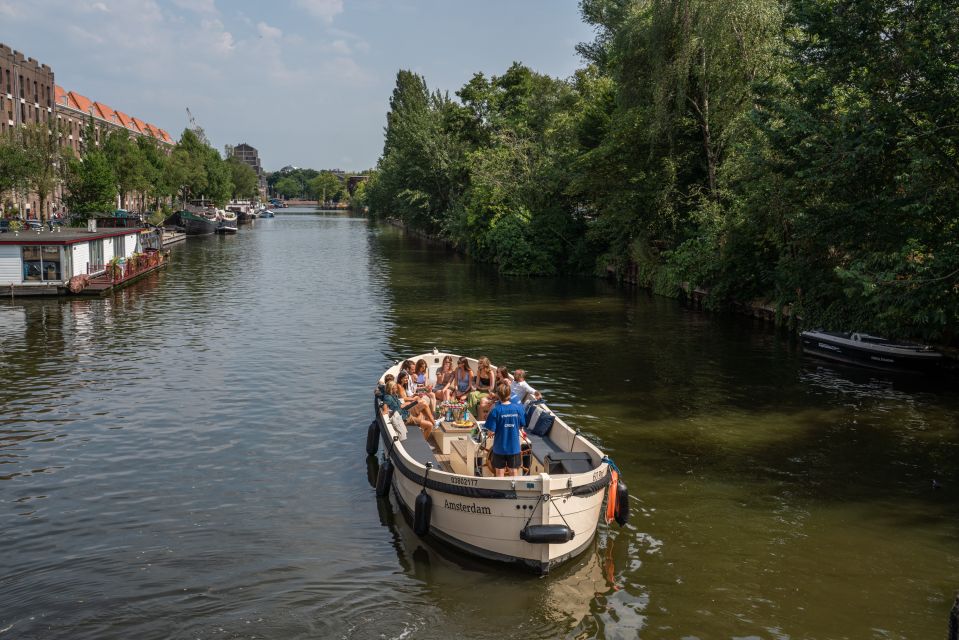
This isn’t a noisy engine-and-waves kind of boat trip. The boats use electric motors, which keeps the ride calm and makes conversations with your guide easier. You’ll also appreciate this if you’re sensitive to crowds or noise. Even if you’ve done other canal cruises before, electric usually changes the vibe.
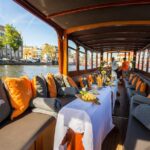
You can ride on an open or closed boat depending on the departure. That choice matters in Amsterdam because weather can shift fast. Bring weather-appropriate clothing, not just for comfort, but so you can stay outside looking at bridges and facades without rushing back inside.
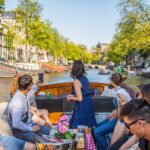
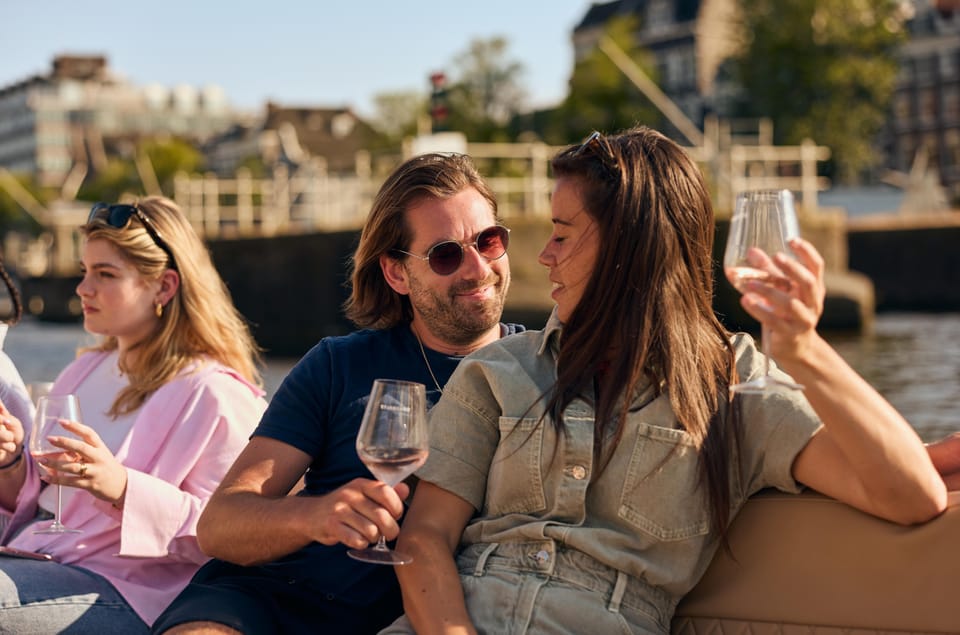
And yes, there’s an on-board bar. Drinks are available for purchase, which means you can go at your own pace—skip it, grab a soft drink, or order something adult if that’s your style. For a one-hour cruise, being able to buy a drink without leaving the boat is a nice upgrade.
Finally, the boats are described as manageable in size, which is exactly what you want for a guided experience: you can actually ask questions instead of shouting into the back row.
Your German Host’s Storytelling Style (History, Churches, and Leaning Canal Houses)
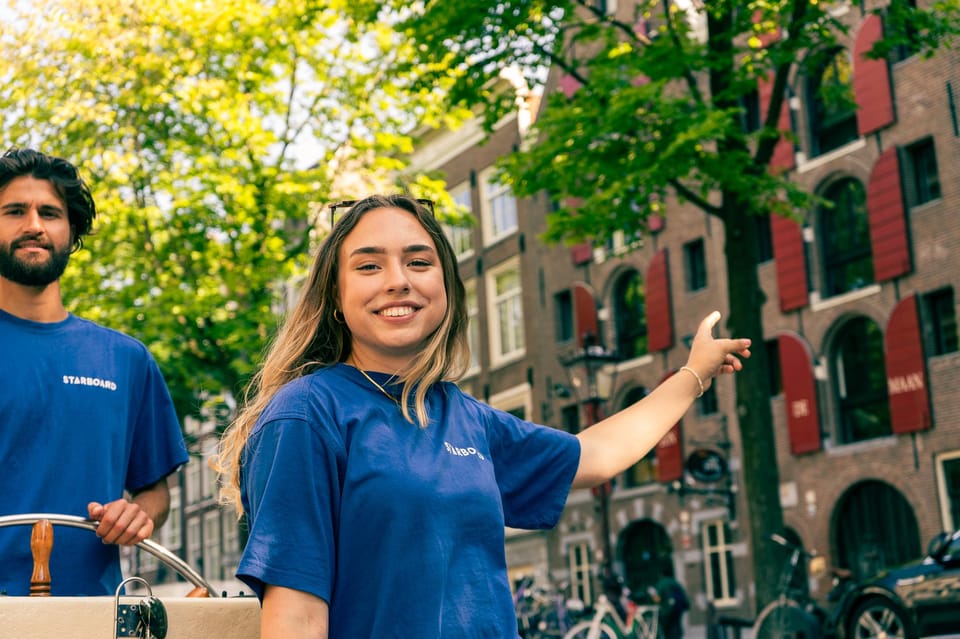
The heart of this tour is the German-speaking guide. The guide doesn’t just point at buildings. You’re guided through the city’s history, culture, and architecture, with a focus on how Amsterdam’s seafaring tradition shaped things. That theme shows up repeatedly in the stops—especially when churches and major canal stretches get discussed.
One of the most useful parts for first-timers is that you learn the kind of detail that turns a postcard into context. For example, you’ll hear stories behind historic churches, plus why the famous canal houses are often leaning. Even if you’ve seen leaning buildings before, a quick explanation can change how you notice them from the canal.
You’ll also get the entertaining layer: amusing anecdotes and curious discoveries, including small things you likely wouldn’t find on your own. If you like tours where you can ask questions—then this one is built for that.
Guides can vary by sailing. One recent guest highlighted a fun, informative host team including Yannis and Pedro, which fits the promise of a relaxed, personal feel on board.
Dancing Houses and the Early Church Lineup Along the Amstel
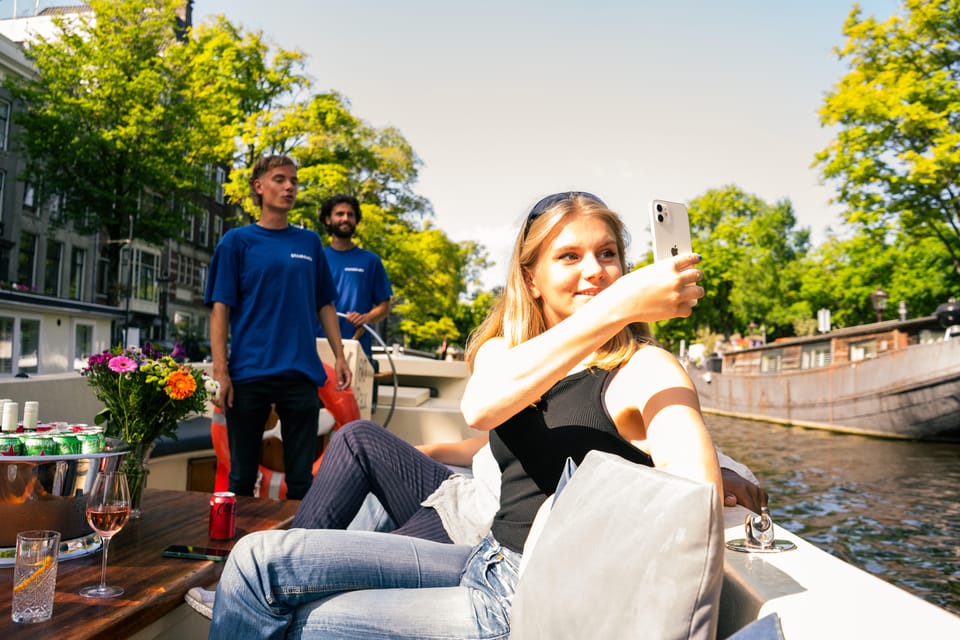
After boarding, your route starts with a quick push through the canal system. One early stop is the Dancing Houses area. You pass by on the water, and the guide uses these first minutes to help you get oriented—so you’re not just watching motion, you’re building a mental map.
Then you move toward Zuiderkerk. This is one of those moments where seeing a church from the canal angle makes it feel bigger and more grounded. The guide’s narration adds meaning, tying the architecture into Amsterdam’s broader story rather than treating the building like a random landmark.
Next comes Munttoren. Again, you’re not standing in a cold square waiting your turn—you’re gliding past. That motion helps you connect the dots between streets, canal width, bridges, and building placement.
After that, you reach Oude Kerk, described as Amsterdam’s oldest church. This is a high-value stop because the combination of age and setting gives the guide a lot to work with. On the water, you get a clean view of the structure in its original context, and the guide’s stories about historic churches make this feel more like a living place than a museum object.
If you enjoy historical details, this early stretch is where the cruise earns its keep: you’re seeing recognizable names and also getting the explanations that make them stick.
From Basilica and Maritime Museum to Rembrandthuis and the Canal Power Stretch
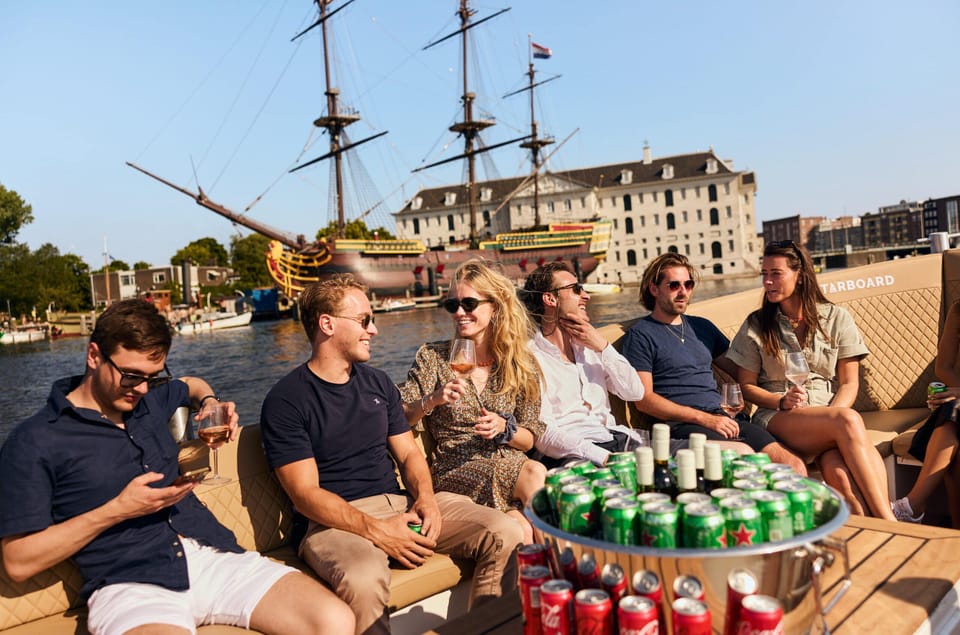
After Oude Kerk, the cruise keeps rolling past landmarks that reflect Amsterdam’s layers—religious, maritime, artistic, and civic.
You pass the Basilica of Saint Nicholas, Amsterdam. Since it’s another landmark church, it fits the tour’s focus on how Amsterdam’s religious and cultural life shaped the city. From the canal, churches often look different than they do from street level, and your guide helps you read the building rather than just admire it.
Then it’s Het Scheepvaartmuseum. The name alone points to a maritime theme, and that connects back to the broader seafaring tradition the guide covers. If maritime history matters to you, this stretch is a strong match for your interests because the cruise isn’t only about famous structures—it’s about why they’re there.
Next, you’ll see Montelbaanstoren. Tower stops tend to be quick, but they’re great for building a feel for skyline and canal geometry. It also gives you something to look for as you move toward the wider canal segments.
You also go by museum Rembrandthuis. Even if you don’t plan to enter museums, seeing cultural institutions from the water helps you understand what kinds of places Amsterdam chose to preserve and elevate along the canals. It’s a useful preview if you’re thinking of adding museum time later.
Then the cruise reaches Herengracht. This is a big moment because it’s one of the classic canal names you’ll recognize all over Amsterdam. When the guide ties this canal stretch into the city’s history and architecture, it helps you see beyond the beauty and into the planning logic.
You can also read our reviews of more guided tours in Amsterdam


The Seven Bridges Viewpoint: Where the Cruise Becomes a Photo Assignment
Then comes one of the most memorable parts for many people: the Seven Bridges area and viewpoint. This is called out as among the best photo spots for the city, and that matches what you’ll likely feel on board—this is the section where the canals open up visually and you get more variety in angles.
You also pass Stadsherstel Amsterdam. Even if you don’t recognize the organization, it’s a reminder that canal-side Amsterdam isn’t only about old buildings in theory. There are active efforts to maintain and restore structures tied to the city’s identity.
By the time you get to the Seven Bridges area, you’ll probably notice the cruise rhythm doing something clever: it alternates between landmark close-passes and longer stretches where you can sit back, scan the facades, and let the guide’s stories sink in.
Prinsengracht and Magere Brug: The Most Request-This-Photo Stretch
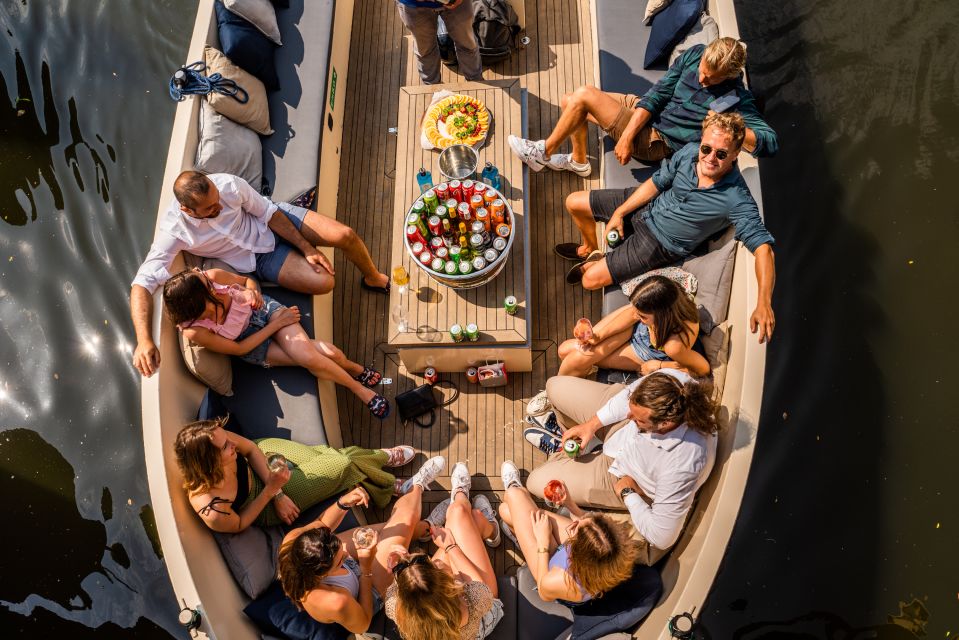
After Herengracht and the Seven Bridges viewpoint, your route continues along Prinsengracht. This is another of the famous canal names, and it’s a great place to absorb how Amsterdam uses canals like main streets. From the water, you can understand why boat views matter so much—buildings line the canal edges like stage sets.
Then you reach Magere Brug. This bridge is also noted as one of the city’s top photo places, and it’s easy to see why from the boat: the canal water gives you a natural framing tool, and you’re positioned to catch the classic sightlines without battling crowds on the sidewalk.
If you like photography, you’ll want to stay aware here and not disappear into your phone for too long. Bridges are where you get the cleanest “wow” views, and the timing is tight.
Finally, you head back to the Starboard Dock, finishing right where you started. One hour moves fast—so if your priority is a lot of sights in a short time, this format works.
Value at Around $25 for an Hour: What You’re Really Buying
At about $25 per person for a one-hour cruise, the value comes from three combined things:
- You get a guided narrative in German, not just sightseeing.
- You get electric-bot comfort with a quieter ride than many traditional options.
- You get drinks available on board, so you can keep the experience going without hunting down a café.
Beverages are not included, so you should expect extra spending if you order alcohol or special drinks. But the overall price still feels reasonable for what you get: a structured, timed route with multiple named landmarks, guided context, and a relaxed atmosphere on the water.
If you’re comparing to other canal experiences, the biggest difference is this tour’s emphasis on stories and architecture. If that’s your thing, $25 doesn’t feel like a ticket price—it feels like a time-saving way to learn what you’re seeing.
Who This Cruise Fits Best (and Who Might Want Something Else)
This is ideal if:
- You want a short Amsterdam activity that covers major sights.
- You like German narration and questions from a smaller, more interactive setup.
- You prefer a quieter, electric boat experience.
- You like the mix of landmarks plus insider details that don’t require museum tickets.
You might think twice if:
- You need wheelchair accessibility (the tour isn’t suitable for wheelchair users).
- You’re sensitive to steps or quick boarding situations at the dock.
- You expect long stops or deep museum-style time. This is a cruise format, so views and narration happen in motion.
Also, one practical note from a real-world experience: not every sailing is perfect. On at least one recent occasion connected to the language experience, a German tour was changed due to the guide being unwell, and the overall execution wasn’t what you’d want. That doesn’t mean every trip will be like that, but it’s a reminder to show up early and go in with the right expectations for a moving, dock-dependent activity.
Small-Print Prep: Clothing, Shoes, and How to Enjoy the Ride
Amsterdam weather can be unpredictable, so plan clothing accordingly. You’ll be on the water and near open air at times.
Wear comfortable shoes with grip. The dock and boarding steps aren’t described as step-free, and there’s a chance you’ll have to climb or shift positions fast. If you tend to wear flimsy footwear, this is the moment to swap for something solid.
And bring your curiosity. The guide format works best when you’re willing to listen closely for the why behind what you see—especially around topics like Amsterdam’s seafaring influence and the stories tied to historic churches.
Should You Book This German Electric Canal Cruise?
If you’re in Amsterdam for a weekend, this one-hour cruise is a strong use of time. I’d book it if you want a guided route with recognizable landmarks and you like learning about what you’re seeing as you go. The electric boat helps make the whole thing feel calmer than some busier cruises, and the on-board bar keeps it easy to stay comfortable.
I’d skip it if mobility access is a concern or if you need a slow, step-free experience. And if you’re the type who hates any chance of waiting or dock chaos, arrive early and don’t cut it close.
Bottom line: for about $25 and an hour of German-led stories, this is a practical way to see Amsterdam from the canals—and understand what you’re looking at.
FAQ
How long is the Amsterdam German canal cruise?
The cruise lasts 1 hour.
What language is the live tour guide?
The live tour guide is German.
How much does the tour cost?
The price is listed at $25 per person.
Where do we meet for the cruise?
The meeting point is on the Amstel near Rembrandtplein, at the Starboard dock area.
Is there a place nearby to get there by public transport?
Yes. It’s about a 4-minute walk from Waterlooplein metro station, and you can also take tram lines 14 and 4 to Rembrandtplein.
Can I buy drinks on board?
Yes. Beverages are available for purchase onboard, and the tour includes a bar option on the boat.
Are the boats open or closed?
The tour uses open or closed electric boats, depending on the departure.
Is the tour wheelchair accessible?
No. The tour is not suitable for wheelchair users.
What should I wear?
Bring weather-appropriate clothing, since you’ll be out on the water.
What if I need to cancel?
You can cancel up to 24 hours in advance for a full refund.