REVIEW · MUSEUMS
The Rijksmuseum Tour: Small Guided Group with Museum Entry
Book on GetYourGuide →Operated by SightSeekers · Bookable on GetYourGuide
The Rijksmuseum can feel like a wall of paintings. This small-group tour with entry turns that overload into a clear story, moving from medieval turmoil to the Dutch Golden Age and beyond, with an English guide keeping you on track.
I especially love the small group size (up to 10) because it makes the pacing human, not rushed. I also like that you get museum entry handled, so you spend your time looking, not figuring out logistics. The only real drawback is simple: two hours is quick, so you’ll want to return on your own later if you like lingering.
Key takeaways before you go
- Small group (max 10) means more personal attention and fewer bottlenecks in crowded galleries
- Entry ticket included saves time and helps you start with confidence at the front door
- English live guide explains how Dutch art connects to European artistic movements
- A story-driven route links major works by Rembrandt and Vermeer to broader Dutch history
- Themes span the timeline, not just highlights, ending in the museum’s lower levels
In This Review
- Where This Starts: Meeting at Paulus Potterstraat 1 and Getting Oriented
- Entering the Rijksmuseum With a Plan (and a Ticket in Hand)
- The Story the Guide Tells: From the Black Death to the Golden Age
- Medieval turmoil and the hard times of the 1300s
- Independence and the rise of a Dutch power
- The Dutch Golden Age: why the famous names matter
- How the Tour Explains Dutch Masters: Beyond Famous Names
- Still lifes: more than objects on a table
- Everyday people as subjects: a cultural choice
- Why Rembrandt and Vermeer became legends
- Where You’ll Walk: Main Wings Upstairs and the Lower Levels Timeline
- Upper areas: the rise and peak
- Lower levels: decline, enlightenment, and lost independence again
- What I’d Watch For During the 2 Hours
- Price and Value: Is $63 Worth It for Entry + Guide?
- Who This Rijksmuseum Tour Fits Best
- The Guide Factor: Why It Feels Personal (Tristan’s Example)
- Should You Book This Rijksmuseum Small-Group Tour?
- FAQ
- How long is the Rijksmuseum tour?
- Is museum entry included?
- What size is the group?
- What language is the guide?
- Where do we meet the guide?
- Where does the tour end?
- Is transportation included?
- Is there a cancellation option?
- Can I reserve without paying right away?
- What should I wear?
Where This Starts: Meeting at Paulus Potterstraat 1 and Getting Oriented
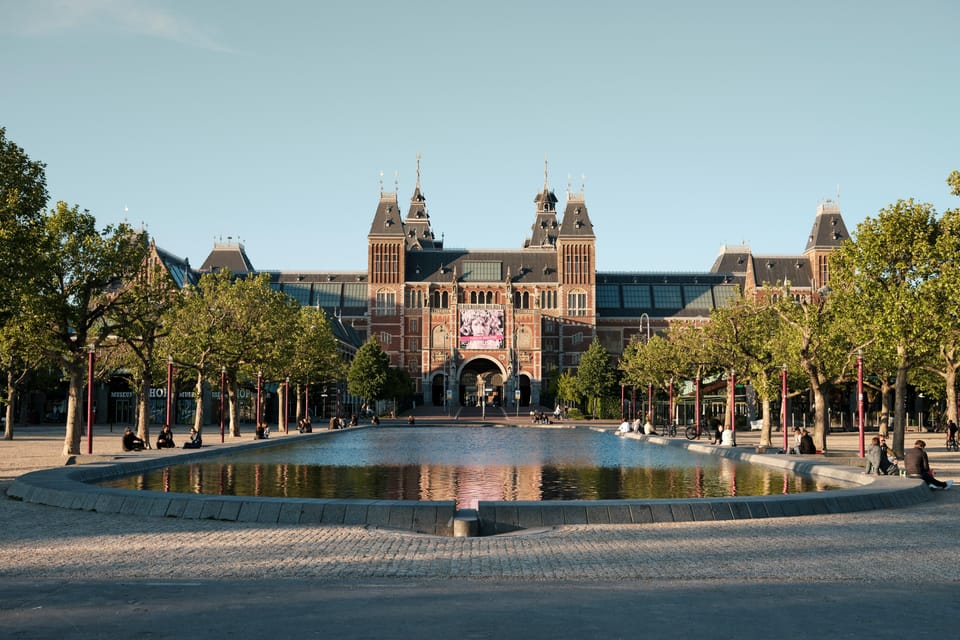
Most people arrive at the Rijksmuseum with the same feeling: excited, but a bit overwhelmed. It’s big, and the galleries can send you running from room to room like a ping-pong ball. This tour addresses that problem before it grows.
You meet your guide outside the museum at Paulus Potterstraat 1 (right by the entrance), then you head in together. That first moment matters. Instead of wandering, you’re immediately set up for what comes next: a guided walk that links paintings to the bigger Dutch story.
And because the group stays small—limited to 10 participants—you don’t feel packed into a cattle-car rhythm. You still have to share space with other visitors, but the guide can steer you around the worst choke points.
Entering the Rijksmuseum With a Plan (and a Ticket in Hand)
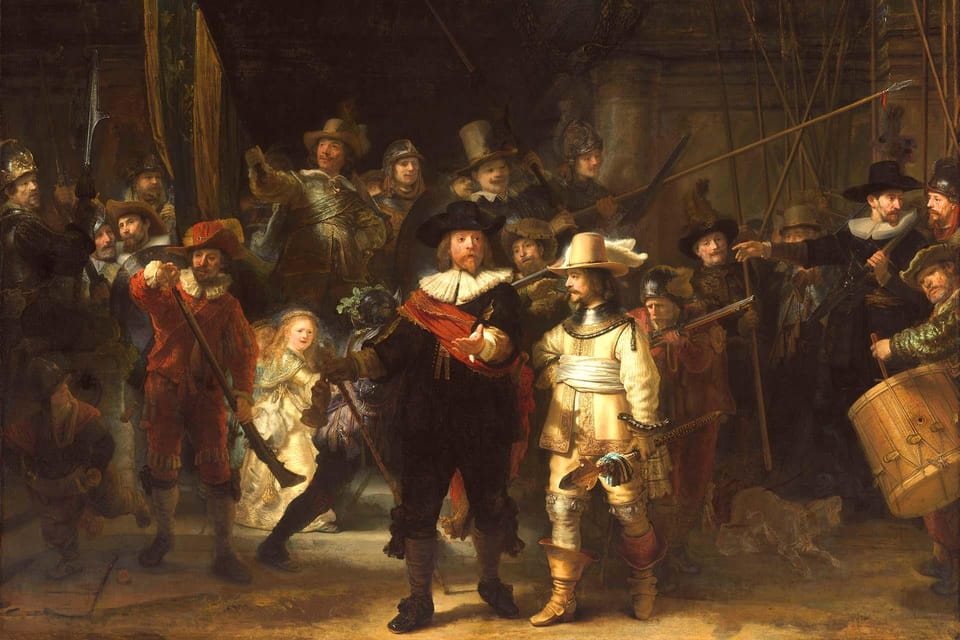
The tour includes your Rijksmuseum entry ticket, plus a local professional guide. In a museum this size, that combination is practical. It means you’re not burning energy on queues, ticket booths, or working out what to do first.
Once inside, you begin in the main areas and work through the museum’s wings with a steady flow. The guide’s job is to give your eyes a map: what you’re seeing, why it was made, and how it fits into the bigger European picture. That matters because Dutch art can look “just beautiful” at first glance—but the real payoff is understanding what was happening in society at the time.
You can also read our reviews of more guided tours in Amsterdam



The Story the Guide Tells: From the Black Death to the Golden Age
The tour follows a timeline, and that’s what makes it different from a random highlights lap. You walk through galleries in a way that helps the works make sense together.
Medieval turmoil and the hard times of the 1300s
Early on, you focus on the darker pressure points—when the Netherlands was dealing with upheaval, including the period associated with the black death. The guide uses this as a starting lens, so you’re not just staring at art. You’re seeing it as a response to life: survival, faith, power, wealth, and identity.
Independence and the rise of a Dutch power
Next, the focus shifts toward Dutch independence and the conditions that allowed the arts to flourish. This is where the “why” starts connecting. The Dutch Republic wasn’t just a new political idea; it was a change in who had money, who commissioned art, and what audiences valued.
As you move, the guide keeps tying the works to the society that created them. That’s the kind of context that helps you remember what you saw, not just how pretty it looked.
The Dutch Golden Age: why the famous names matter
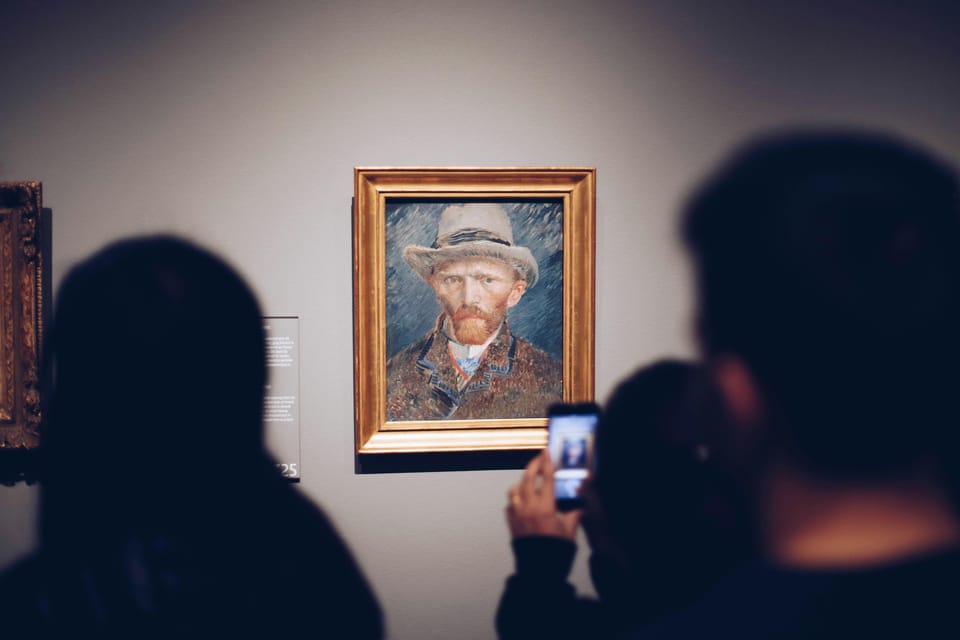
Once you reach the peak, you’re in the zone where the Rijksmuseum becomes world-class. This is where you’ll spend time with works by major Dutch and European figures such as Rembrandt, Vermeer, and even artists mentioned in the tour as part of the canon like Van Gogh.
A big emphasis here is not only on the artists, but on the broader artistic movement—how Dutch painters fit into (and influenced) what was happening across Europe. That helps you avoid the trap of treating the Netherlands as an art island. You start seeing the network: styles traveling, ideas evolving, and artists responding to changing tastes.
You can also read our reviews of more museum experiences in Amsterdam






How the Tour Explains Dutch Masters: Beyond Famous Names
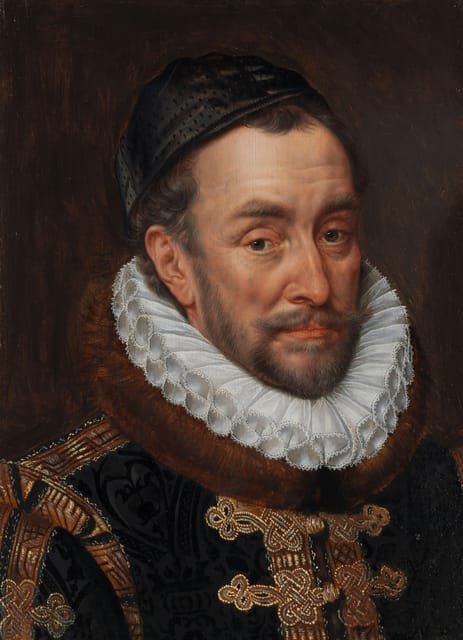
The Rijksmuseum’s walls are packed with masterpieces, which is exactly why it can be hard to process. What the guide does well is connect the art to the themes behind it.
Still lifes: more than objects on a table
One of the tour’s most useful themes is the popularity of still lifes. You don’t just learn that they exist; you learn why they were so appealing in the Dutch Golden Age. The guide connects them to wealth, trade, and everyday symbolism—things people recognized because life revolved around them.
Once you understand that, still lifes stop being “pretty arrangements.” They become messages, status markers, and snapshots of a culture that paid attention to detail.
Everyday people as subjects: a cultural choice
Another standout idea is the use of everyday people as subjects. That’s a quietly radical choice, and it’s part of why Dutch art resonated. The guide helps you notice how this focus reflects changing social values—who mattered, who had a voice, and what artists were willing to depict with respect.
If you’ve ever wondered why Dutch paintings feel so human, this is the answer path.
Why Rembrandt and Vermeer became legends
The guide doesn’t treat Rembrandt and Vermeer like untouchable icons. Instead, it explains why they earned that status—how their subjects, style choices, and the cultural moment made them stand out to patrons and audiences.
I find this approach helps you remember details later. You leave with names, yes—but also with a reason you can explain at dinner.
Where You’ll Walk: Main Wings Upstairs and the Lower Levels Timeline
The tour takes you through different parts of the museum, starting in the main high-visibility areas and then moving to the lower levels at the end.
Upper areas: the rise and peak
In the main wings, the tour’s structure is straightforward: you follow the timeline toward the Golden Age. The guide builds momentum as you go. Early rooms help you understand the pressures; later rooms show how those pressures shaped taste, patronage, and artistic focus.
This is also the portion where you’ll likely see the most obvious masterpieces. The guide helps you pick out what matters, which is crucial in a museum where staring without guidance can turn into a blur.
Lower levels: decline, enlightenment, and lost independence again
At the end, you head down to the lower levels, where the tone shifts. The Golden Age declines, new ideas—associated with the enlightenment—take hold, and Dutch independence faces another major challenge. The guide keeps the thread moving so you’re not left thinking the story stops at the peak.
You also end with a sense of how the Dutch Republic’s reputation affected wider world history—even until today. That final section is useful because it gives you a mental “aftertaste” rather than a stop-and-start museum experience.
What I’d Watch For During the 2 Hours
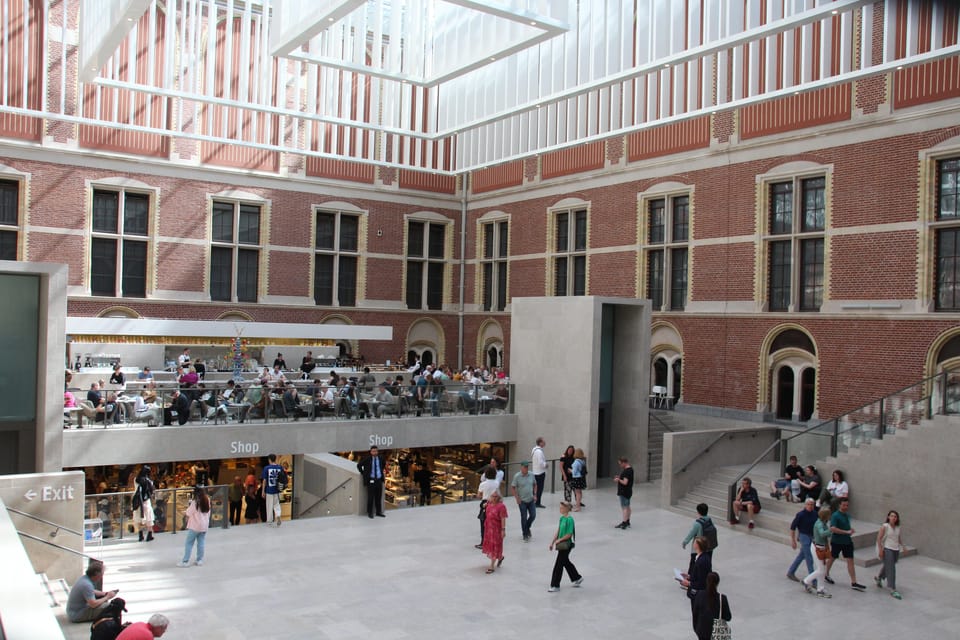
Two hours is great for getting oriented, but it’s still a sprint. The best strategy is to let the guide do the heavy lifting. You don’t need to read every label; you need to catch the main connections.
Here’s what you should do to get the most out of the time:
- Bring your curiosity about the timeline. You’ll get more when you expect progression, not random stops.
- Plan to keep moving. If you drift, it’s easy to miss the guide’s “this is why it matters” points.
- Wear comfortable walking shoes. The tour’s focus is walking through multiple areas of the museum.
Also, remember that transportation isn’t included. The tour ends back at the meeting point, so have a plan for how you’ll get away afterward.
Price and Value: Is $63 Worth It for Entry + Guide?
At $63 per person, this tour is priced as a “guided access” experience: museum entry plus a live English guide for a focused 2-hour route for a small group.
Is it a bargain? It can be, depending on how you like to travel.
If you enjoy museums but hate the mental work of building your own context, this is good value. The guide’s role isn’t just to point at famous paintings. It’s to connect the works to Dutch history and to wider European movements, and that kind of framing is hard to recreate when you’re solo and tired.
If you already love art history and plan to spend a full day reading everything slowly, you might not need the guide. But for most people—especially first-timers—the combo of entry + clear storytelling tends to feel worth it.
Who This Rijksmuseum Tour Fits Best
This is a strong fit if:
- You’re visiting Amsterdam and want a high-impact first Rijksmuseum experience
- You want art history explained in plain language, with a timeline you can remember
- You prefer small groups (up to 10) and a guide-led pace
- You’re interested in how Dutch art connects to society, not just aesthetics
It may be less ideal if:
- You want to spend a long time in one gallery with zero movement
- You already have deep art-history background and prefer total independence
The Guide Factor: Why It Feels Personal (Tristan’s Example)
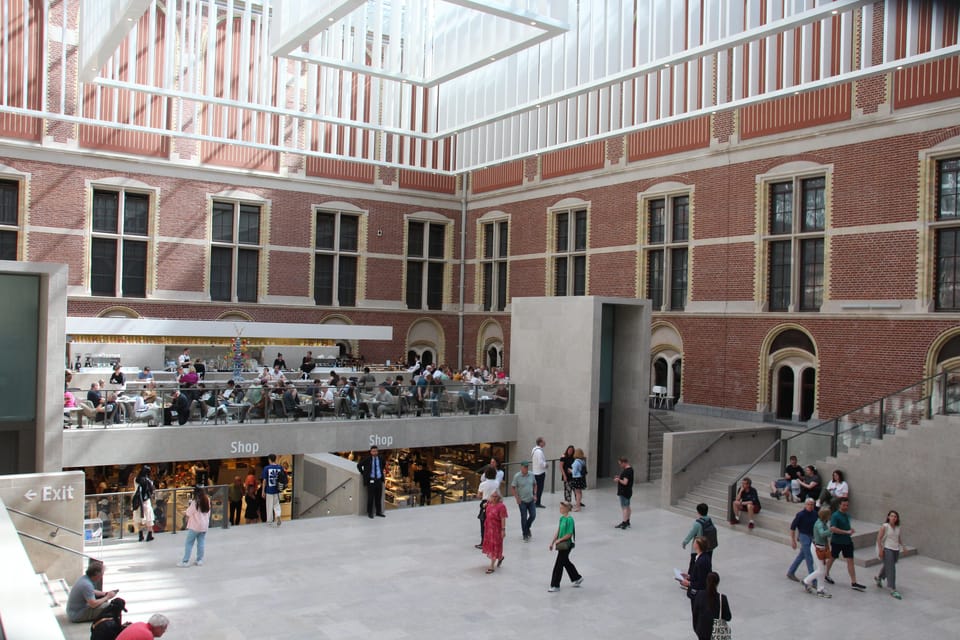
One of the most praised parts of this experience is the guide. In particular, Tristan stands out for being friendly and easy to follow, while still bringing strong museum knowledge. That combination is rare: some guides can talk forever, others stay too shallow. Here, the balance is what you feel.
And because the tour moves through a massive building, a guide who can organize the experience is the difference between leaving inspired and leaving mentally overloaded.
If you’ve ever walked out of a museum thinking, That was beautiful, but I can’t explain why, this is the kind of tour that helps you leave with a clearer story.
Should You Book This Rijksmuseum Small-Group Tour?
If you want a first-time Rijksmuseum visit that actually makes the paintings stick, I’d book it. The biggest reason is the structure: a guided, timeline-based route that links what you see to why it mattered in Dutch life, plus the ticket is included so you don’t lose time getting started.
Choose it especially if you’re the type who loves art but also likes your brain to get answers—about themes, movements, and how Dutch masters like Rembrandt and Vermeer connect to their moment.
FAQ
How long is the Rijksmuseum tour?
It lasts about 2 hours.
Is museum entry included?
Yes, your entry ticket to the Amsterdam Rijksmuseum is included.
What size is the group?
It’s a small guided group limited to 10 participants.
What language is the guide?
The live tour guide speaks English.
Where do we meet the guide?
Meet your guide next to the museum entrance at Paulus Potterstraat 1.
Where does the tour end?
The tour ends back at the meeting point.
Is transportation included?
No, transportation is not included.
Is there a cancellation option?
Yes, you can cancel up to 24 hours in advance for a full refund.
Can I reserve without paying right away?
Yes, you can reserve now and pay later.
What should I wear?
Wear comfortable walking shoes, since it’s a walking tour inside the museum.
If you want, tell me your travel dates and whether you’re more into Dutch art, European art movements, or museum storytelling—I’ll suggest how to pair this with the rest of your Amsterdam day.