REVIEW · DESSERT TOURS
Secrets of Amsterdam Walking Tour plus Dutch Sweets Tasting
Book on Viator →Operated by 360 Amsterdam Tours · Bookable on Viator
Most people visit Amsterdam in fragments. This walk ties the pieces together fast, and you’ll learn the kind of details you usually miss when you’re just moving from photo spot to photo spot. I love the short, efficient 2-hour format and the Old Amsterdam cheese + port tasting. One possible drawback: if you want a deep, slow history lecture, this may feel a bit light on facts per minute.
I also like that the route is on foot, so you avoid traffic delays and can actually pay attention to what’s in front of you. The guide-led pace makes it easier to get your bearings after you step off the tram or out of the train. If you’re booking with a specific guide in mind, note that guides can vary, even though one named Rosie has been praised for making the city feel like a friendly walk.
This tour is capped at 50 people, so you won’t be lost in a crowd. You’ll get a mobile ticket and the tour runs in English, which is helpful if your Dutch is still “hello and thank you.” And yes, service animals are welcome.
In This Review
- Key highlights to expect
- Dam Square to Dutch flavor: why this 2-hour walk works
- Starting at Dam Square: the launchpad for first-time orientation
- Royal Palace and New Church: history you can see, not just hear
- Spui: book-market atmosphere and the miracle nearby
- Begijnhof: a quiet courtyard break inside the city
- Bloemenmarkt floating flower market: what you’re seeing and why it matters
- Munt Tower (Munttoren): spotting a city marker and the stories behind it
- Nieuwmarkt and de Waag: the Rembrandt connection
- Old Amsterdam cheese and port: plan your tasting moment
- Price and value: what $34.47 gets you in Amsterdam
- Who this walking tour is best for (and who should skip it)
- If you should book: my honest take
- FAQ
- How long is the walking tour?
- Where does the tour start and end?
- What language is the tour offered in?
- Is there an included tasting?
- Are admission tickets included for stops?
- Is food included?
- What’s the cancellation policy?
Key highlights to expect
- Dam Square orientation in the first stretch: Royal Palace, Dam, and the New Church anchor the route.
- Five-minute stops that stay focused: quick looks without turning the day into a marathon.
- Begijnhof calm in the middle of the city: a quieter pocket you’ll want to slow down for.
- Bloemenmarkt floating flower market: the world-famous floating flower feel, right in the route.
- Old Amsterdam cheese with port wine: a real taste stop, not just a photo break.
- Friendly group size: a maximum of 50, so it’s easier to hear the guide.
Dam Square to Dutch flavor: why this 2-hour walk works
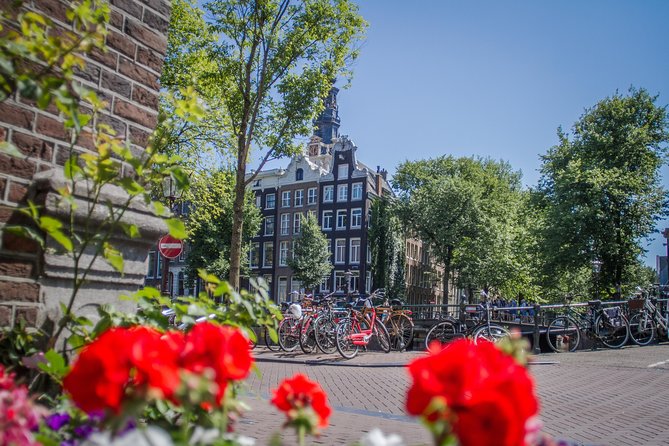
Amsterdam has a talent for overwhelming you. There are canals everywhere, streets that curve on purpose, and plenty of “wait, what direction is this?” moments. This tour is built to reduce that stress by starting at the center—Dam Square—and moving outward with a clear story.
You’ll walk enough to feel like you’ve done something meaningful, but not so long that your feet turn into problems. At about two hours, it also works well on a day when you’re squeezing in museums, a canal cruise, or a late dinner reservation.
The value here isn’t just the sightseeing. It’s the way the guide connects streets, buildings, and squares into a cause-and-effect feeling: why places matter and how Amsterdam grew into the city you see now.
You can also read our reviews of more walking tours in Amsterdam


Starting at Dam Square: the launchpad for first-time orientation
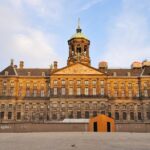
You begin at Dam Square, right where the city’s “this is the center” energy is strongest. From the start, you’re looking at big landmarks—Royal Palace, the Dam itself, and the New Church—plus a focus on the start of Amsterdam’s history.
That early framing is useful because it gives you context before you start interpreting everything else. Even if you’ve seen Amsterdam postcards, you’ll learn what to watch for as you walk: how the city’s layout links to its development.
A practical perk: this is a simple start point for public transit. You can arrive, meet up, and get moving without hunting down a weird side street.
Royal Palace and New Church: history you can see, not just hear
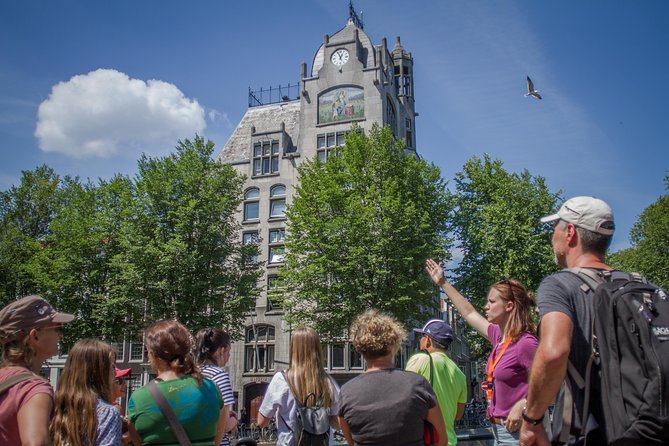
This portion is short, but it sets the tone. You’re not walking past random buildings; you’re getting an explanation of why these structures matter in Amsterdam’s story.
Think of it like building a mental map. When you later notice similar architectural cues or urban planning patterns elsewhere, you’ll have a reference point.
One thing to keep in mind: because each stop is brief, you’ll get the highlights rather than a full lecture. If your dream is “three hours of detailed architecture,” you may want an additional longer museum visit after this.
Spui: book-market atmosphere and the miracle nearby
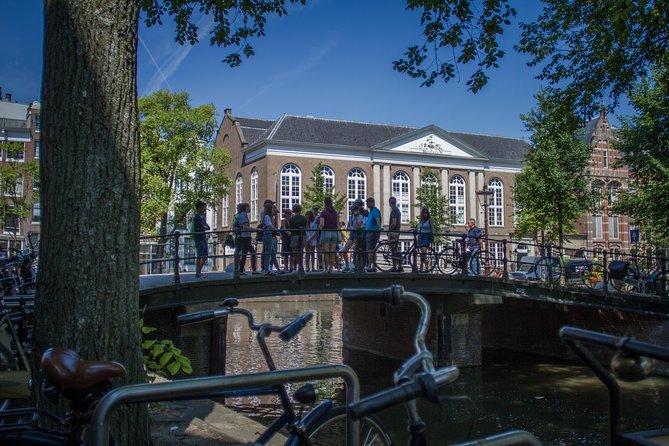
Next up is Spui, a square that’s famous for what happens close to it—an area where a bookmarket is held and a miracle is associated with the location nearby. Even if you just see it for five minutes, you’ll come away with a sense that Amsterdam’s culture isn’t only art and canals.
This stop is also a good example of why the tour feels different from scrolling a map. The guide isn’t only pointing at buildings; they’re pointing at daily-life traditions—markets, public gatherings, and the stories people attach to specific places.
For photographers: this is often where you can capture the “city squares” look without needing a long detour. It’s small enough to fit into your day, yet it connects you to Amsterdam’s public culture.
Begijnhof: a quiet courtyard break inside the city
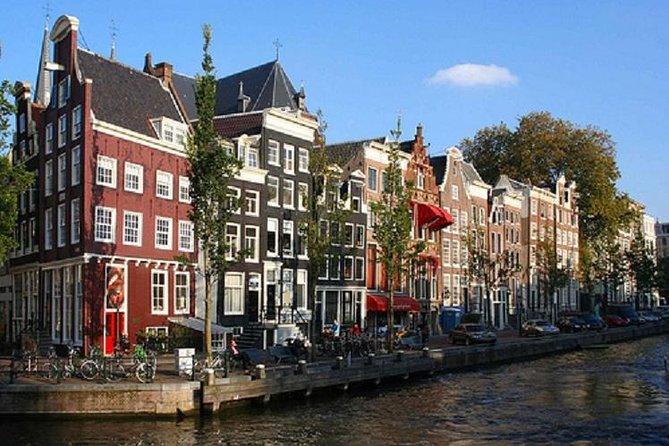
Begijnhof is the kind of place you’ll notice even if you’re in a hurry. You step into a beautiful area with a sense of calm, and it comes with plenty to talk about—enough that the five-minute stop feels like more than a quick photo stop.
This is one of the best “pressure relief” moments on the walk. Amsterdam can feel busy along the main routes, but Begijnhof gives you that enclosed, human-scale pocket where you can slow down and look around.
Potential drawback: if you’re the type who needs a longer sit-down pause, five minutes may feel too short. Still, it’s a smart stop because it changes your pace and keeps the tour from being all open streets and canal views.
You can also read our reviews of more food & drink experiences in Amsterdam





Bloemenmarkt floating flower market: what you’re seeing and why it matters
Then you hit Bloemenmarkt, described as the largest floating flower market of the world. That detail matters because it explains the “floating” part isn’t a quirky decoration—it’s the core identity of the market.
This stop is perfect for travelers who like sensory moments. You don’t just learn a fact; you see a market form that fits the water-based city planning. It’s a reminder that Amsterdam’s commercial life has always been tied to its canals.
One practical note: flowers look fantastic in daylight, so if your timing is flexible, try to be here when the sky is clear. If it’s gray out, you’ll still get the experience—you’ll just get less color pop in photos.
Munt Tower (Munttoren): spotting a city marker and the stories behind it
Your route brings you to Munt Tower (Munttoren). This stop is designed to tell you what makes it important, and that’s a big part of what I’d want from any walking tour: not just what something is, but why it belongs in Amsterdam’s lineup of landmarks.
Even without going deep into technical specifics, the guide’s explanation should help you see the tower as a marker in the city’s changing identity. It becomes easier to understand the way Amsterdam’s streets and buildings act like layers.
Because this stop is brief, come ready to listen closely. If you drift into your phone at this point, you’ll miss some of the “why this matters” content.
Nieuwmarkt and de Waag: the Rembrandt connection
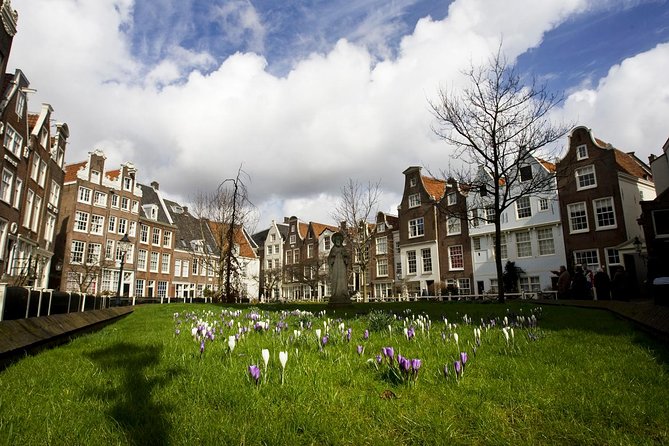
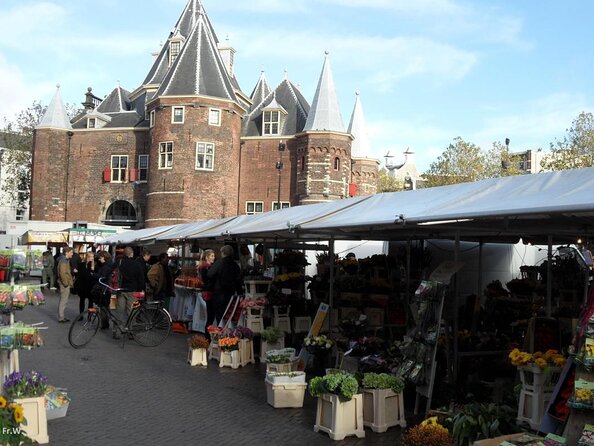
Nieuwmarkt is next, and it’s described as one of the most beautiful squares in the city. In the middle is de Waag, where Rembrandt came to paint back in the days—an art anchor that gives the stop real personality.
This is the kind of detail that makes a tour feel memorable. You’re standing in a public square, but you’re also standing on a point in time when famous artists were working with the city as their subject.
Here’s my advice: don’t rush the center view. Even if you’re only there for about five minutes, take 30 seconds to look outward from de Waag. That short habit helps you connect the square layout to the idea of Amsterdam as a working, lived-in city—not a theme park.
Old Amsterdam cheese and port: plan your tasting moment
The tour includes a tasting of Old Amsterdam cheese plus a glass of port wine. This is the one part of the experience you can count on as a real break from walking.
I like this setup because it gives you a souvenir you can’t download. Taste is personal, and it’s also a useful way to remember what you just learned. Plus, the stop is included in the ticket price, so you’re not guessing whether you’ll need to pay extra.
If you prefer not to drink alcohol, you’ll want to think ahead. The data states port wine is part of the tasting, but it doesn’t spell out alternatives. If that matters to you, consider asking the provider directly before booking.
Price and value: what $34.47 gets you in Amsterdam
At $34.47 per person for about two hours, this isn’t a budget “just walk around” deal, but it’s also not an all-day premium experience. What you’re paying for is the guide time and the guided connections between sites—plus the included tasting.
You also get something practical: most major stops here have no admission cost. That means your money isn’t tied up in entry fees, and you can spend your travel budget on the big-ticket items you choose later.
If you’re doing Amsterdam efficiently, this is strong value. Use it as a first-day orientation tool. Then you can decide which neighborhoods you want to return to on your own, with way less guesswork.
One more detail I appreciate: the group size is capped at 50. That doesn’t guarantee a small-group feel, but it generally keeps things from becoming chaos if the guide has a lot of information to share.
Who this walking tour is best for (and who should skip it)
This tour is a good fit if you:
- Want a fast orientation to central Amsterdam landmarks
- Prefer walking to avoid getting stuck in traffic
- Like stories that connect places, not just isolated facts
- Need a short sightseeing window without losing the plot
You might want to skip or supplement it if you:
- Want a long, slow deep dive into architecture or art history
- Need a lot of time at each stop for photos and reading
It’s also a smart pick for people who enjoy social energy but don’t want a huge crowd. The max group size and the guided pace keep it manageable.
Service animals are welcome, and it’s near public transportation, so you’re not locked into a car-or-taxi day. Most travelers can participate, which helps if you’re trying to keep plans simple.
If you should book: my honest take
I’d book this tour if you’re arriving in Amsterdam and want a clean, organized way to understand what you’re seeing. You’ll start at Dam Square, hit the major landmark anchors, get a quiet-city pause at Begijnhof, see the floating flower market, and finish with a tasting that gives you a real taste memory.
I would not book it if your main goal is an in-depth, long-form history session. This experience is structured for pace and orientation. It’s short on purpose, and the trade-off is fewer minutes per topic.
If you’re deciding between this and another activity, think of it like this: this walk can make your next hours in Amsterdam easier. It helps you move with confidence instead of wandering.
FAQ
How long is the walking tour?
It runs for about 2 hours.
Where does the tour start and end?
It starts at Dam Square, Dam Square 1012 Amsterdam, Netherlands, and ends back at the meeting point.
What language is the tour offered in?
The tour is offered in English.
Is there an included tasting?
Yes. You’ll get an Old Amsterdam cheese tasting and a glass of port wine.
Are admission tickets included for stops?
The stops listed have free admission tickets as part of the experience.
Is food included?
No. Food or beverages are not listed as included beyond the included tasting.
What’s the cancellation policy?
You can cancel for a full refund up to 24 hours before the experience’s start time, and service animals are allowed.