Amsterdam is easy to love and easy to get lost in. This intro walking tour helps you get your bearings fast while you see the Dam Square area and the UNESCO-listed Canal Belt. You’ll move at a human pace, and the whole thing runs on a licensed English-speaking local guide with an interactive, no-fuss style.
What I like most is the small-group size (up to 15), so you’re not just standing around listening. I also appreciate how the guide mixes big-picture context with street-level details, so the city doesn’t feel like a set of random postcard stops.
One possible drawback: the starting point at Dam Square can feel crowded, and you’ll want to arrive early. Also, this is a walking tour—there’s no food or transport—so bring water and wear shoes you trust on cobblestones.
In This Review
- Key things to know before you lace up
- Dam Square to the Royal Palace zone: a smart start point
- The Canal Ring walk: UNESCO canals that feel close-up
- The maze of Amsterdam: side streets, small squares, and no fixed script
- Your guide and the English experience (including the humor factor)
- Price and value check for a 2-hour orientation walk
- What you should bring (and how to avoid walking-day regrets)
- Small group size: why max 15 travelers actually matters
- Tour tone and content: history you can use
- Who should book this Amsterdam intro walking tour?
- Should you book it? My practical recommendation
- FAQ
- How long is the Amsterdam introductory walking tour?
- Where does the tour start and end?
- What language is the tour in?
- How big is the group?
- Do I need to buy tickets for the stops?
- What should I bring?
- Is transportation included?
- Do I get a mobile ticket?
- Is confirmation provided after booking?
- What if I’m late for the meeting point?
- Is there free cancellation?
Key things to know before you lace up
- Dam Square first, Dam Square last: You start and end at the National Monument meeting spot, so you always know where you’ll finish.
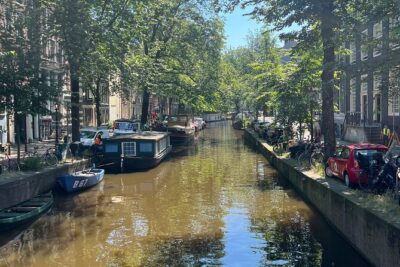
- UNESCO Canal Belt on foot: Expect canals, cobbled streets, and houseboats, with time to actually look.
- A flexible final stretch: The guide steers the last part into narrower streets and squares where big tour buses and boats can’t reach.
- English tour, small group: Maximum 15 travelers, offered in English (German and Spanish are separate tours).
- Bring water and plan for walking: It’s about movement and orientation, not sitting down with snacks.
Dam Square to the Royal Palace zone: a smart start point
The tour launches at the National Monument on Dam Square (Dam, 1012 JS Amsterdam). It’s a strong choice because Dam Square sits right in the orbit of the city’s historic center. Within the first minutes, you’re given the kind of orientation that makes the rest of Amsterdam easier to understand—where things are, why they mattered, and how the old city shaped today’s streets.
Dam Square itself is both monumental and practical. You’ll see the area where you’ll likely spend time anyway (especially if it’s your first day), and you get context before you go wandering on your own.
One building connection you should keep on your radar: the palace on Dam Square. It was built as a town hall and later became the country’s most culturally significant royal residence. The guide won’t try to turn this into a full museum visit, but you’ll get enough background that it’s worth planning your own palace stop afterward—ideally timed from the Royal Palace website.
Practical note: Dam Square can be hectic. If you’re someone who hates crowds, try to arrive a few minutes early so you can find your group without stress.
You can also read our reviews of more walking tours in Amsterdam



The Canal Ring walk: UNESCO canals that feel close-up
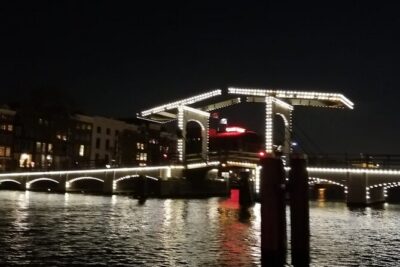
After Dam Square, you head into Amsterdam’s most recognizable feature—the Canal Ring, part of the UNESCO-listed Canal Belt. This section is where Amsterdam usually stops being theoretical and becomes real.
You walk along the “connective veins” of the city: canals on one side, townhouses and houseboats on the other, with cobbled streets that slow you down just enough to notice details. Even if you’ve seen canal photos before, there’s a difference between scrolling past images and standing on the street while water, bridges, and architecture line up in front of you.
This is also a good time to pick up how locals think about the city. A decent guide will point out how the canals shaped movement, neighborhoods, and even what you should notice while you’re out later. If you’re the type who wants to understand why a place looks the way it does, this is the portion that tends to click.
No special admission is required for this part—so you’re spending your time walking and looking, not waiting for tickets.
The maze of Amsterdam: side streets, small squares, and no fixed script
The last major chunk is the “surprise” portion. You don’t just do another loop of the obvious landmarks. Instead, the guide steers you into narrower streets and onto squares where tour buses and boats can’t easily go. The value here is simple: you get a sense of Amsterdam’s scale and texture.
Think sideways streets, small corners, and that feeling that Amsterdam is less grid-and-straight-lines and more a network of lived-in routes. It’s the kind of walk that helps you later when you’re trying to navigate on your own. You start recognizing patterns—how streets bend, where openings appear, and why some areas feel more quiet even when you’re close to major sites.
Because the itinerary isn’t locked in, you’ll likely cover a mix of landmark-adjacent spots and quieter pockets. This is also the best stretch for questions. If you want to know what to skip, where to shop, or where locals actually eat, this is when your guide can tailor advice to your interests.
Your guide and the English experience (including the humor factor)
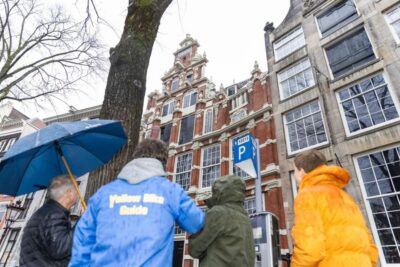
This is a licensed English-speaking local guide experience, designed for interaction rather than a one-way lecture. The tour runs about 2 hours, and there’s enough time for the guide to explain history in a way that connects to everyday Amsterdam.
From past guides on this format, names like Gerben, Luuk, Craig, Vendi, and Ethan show up with consistent praise—especially for clear English, good pacing, and a dose of humor. You’re not just buying facts; you’re buying a point of view. That’s what makes the walk feel like it belongs to Amsterdam instead of being a generic checklist.
Still, like any guided experience, style matters. If a guide’s approach doesn’t match your taste, you’ll get the most out of it by staying curious and asking questions. The tour is built to be interactive—use that.
Price and value check for a 2-hour orientation walk
At $3.62 per person, this is priced like a serious value play. You’re paying for:
- A licensed local guide
- About 2 hours of walking and context
- Local tips and recommendations
- An interactive experience
- English-speaking guide
- Mobile ticket access
What you’re not paying for:
- Food and beverages (bring water)
- Transport (you walk everything)
- Any stop admissions beyond what’s listed as free in the tour stops
So here’s the honest way to think about it: you’re not buying a museum ticket day. You’re buying orientation, route knowledge, and smarter sightseeing habits. For a first-time visitor, that can be worth more than squeezing in one extra paid attraction.
Also, this tour is booked about 23 days in advance on average, which is a hint that popular time slots can fill. If you’re traveling during peak season or on a weekend, booking early is a safe move.






What you should bring (and how to avoid walking-day regrets)
Because it’s a walking tour, planning matters. Here’s what will make your experience smoother:
- Comfortable shoes: Amsterdam has cobbled areas, and you’ll be walking them.
- Water: No food or drinks are included.
- Weather gear: Amsterdam can change moods quickly. A light rain layer helps.
- Arrive early: The meeting point on Dam Square can be congested.
You’re also looking at a “moderate physical fitness level.” Translation: it’s not an all-museum marathon, but you should be comfortable walking for the full 2 hours.
One more logistics detail: the tour notes that you shouldn’t try to catch up if you’re late, so plan buffer time. If timing is tight for your day, treat this as a schedule anchor.
Small group size: why max 15 travelers actually matters
Up to 15 travelers is big enough to feel social, but small enough for the guide to adjust the flow. You can hear explanations and actually ask questions without shouting into a crowd. It also tends to make the tour feel more personal, especially during the flexible side-street section.
There’s one tension worth noting: Dam Square itself is a busy hub, so even with a small group, the start can feel like you’re joining a lot of people at once. That’s not the tour’s fault, it’s the location. The key is to show up early so you’re not scrambling.
Tour tone and content: history you can use
The content is a mix of Amsterdam history and how it connects to wider Dutch life. On this kind of walk, you’ll usually come away with:
- A clearer sense of how the city’s power and culture developed around historic buildings
- A better understanding of why the canal system is such a core part of Amsterdam identity
- Practical sightseeing sense—what to prioritize later, and what to keep an eye out for
You’re not just getting dates. You’re getting the kind of context that helps you recognize what you’re looking at when you go back out exploring.
Who should book this Amsterdam intro walking tour?
This tour is a strong fit if:
- You’re in Amsterdam for the first time and want a fast orientation
- You like walking and want a plan that still leaves room for surprises
- You want local tips for shopping, dining, and what to focus on next
- You want a budget-friendly entry point with a small-group feel
You might choose something else if:
- You strongly dislike crowds and are easily overwhelmed at major squares
- You don’t enjoy walking through older streets and prefer mostly indoor stops
- You want a tightly timed, fully scripted route with guaranteed landmarks every minute
Should you book it? My practical recommendation
If you want a smart first-day walk that helps you understand Amsterdam without spending a fortune, I’d say yes. The tour’s best advantage is how it pairs big-city icons like Dam Square and the Canal Belt with the real Amsterdam details—side streets, small squares, and the kind of guidance that makes later exploration easier.
Just go in with the right expectations: you’re walking a lot, it’s centered on a busy meeting point, and you should bring water and comfortable shoes. If that fits your travel style, this is a good value way to start your Amsterdam trip.
FAQ
How long is the Amsterdam introductory walking tour?
It runs for about 2 hours.
Where does the tour start and end?
It starts at the National Monument on Dam Square (Dam, 1012 JS Amsterdam) and ends back at the same meeting point.
What language is the tour in?
The tour is offered in English. German and Spanish tours are offered separately.
How big is the group?
The maximum group size is 15 travelers.
Do I need to buy tickets for the stops?
The listed stops include free admission for the tour route you’ll walk. The Royal Palace is specifically suggested for booking separately if you want to visit after the tour.
What should I bring?
Bring water. Food and beverages are not included.
Is transportation included?
No. You walk everything.
Do I get a mobile ticket?
Yes, the tour includes a mobile ticket.
Is confirmation provided after booking?
You’ll receive confirmation at the time of booking.
What if I’m late for the meeting point?
The tour states you should not catch up with the group if you are late. You’ll need to book a new time slot instead.
Is there free cancellation?
Yes. You can cancel for a full refund up to 24 hours in advance.