REVIEW · RED LIGHT DISTRICT TOURS
Red Light District private tour with a local
Book on Viator →Operated by Guidance Travel · Bookable on Viator
Red light district windows aren’t the focus. This private walk uses a local resident to explain the area’s day-to-day reality and why Amsterdam has handled sex work and drugs so differently than many other cities. You stay on the outskirts, since guided tours inside have been prohibited since 2020, but you still get a clear view of the neighborhood and how it fits into Amsterdam’s broader story.
What I really like is the guide style: a local with personal anecdotes makes the history feel like it’s happening in real time, not in a textbook. I also like that the route is practical and guided—covering key nearby streets like Warmoesstraat, Zeedijk, and Nieuwmarkt—then handing you a map so you can keep exploring after the walk.
One thing to consider: if you’re hoping to go inside the Red Light District itself, this isn’t that kind of tour. You’ll learn a lot from the edges of the neighborhood, but access is limited by the post-2020 rules, and the topic is sensitive for some people.
In This Review
- Key highlights you can expect
- Why the Red Light District Outskirts Tour Works
- Meet at Beursplein: How the Private Walk Fits Your Time
- Stop-by-Stop: What You See and Learn Along De Wallen and Beyond
- The Local-Guide Angle: Why Personal Anecdotes Matter Here
- Coffee Shops and Tolerance: A Useful Link You’ll Appreciate Later
- Streets With Past Lives: Old Church Glimpses and Chinatown’s Turn
- The Map and the Gift: Turning a Short Tour Into Real Exploration
- Price and Value for a Private Group Up to 15
- Who This Tour Suits (and Who Might Want a Different Plan)
- Should You Book This Red Light District Outskirts Tour?
- FAQ
- How long is the tour?
- Is this tour private, and how big can a group be?
- Where do we meet, and does the tour end there?
- Do I get a ticket on my phone?
- Will the tour include stops inside the Red Light District?
- What’s included in the tour?
- Can I cancel and get a full refund?
Key highlights you can expect
- A local resident guide who shares personal stories, not just facts
- Outskirts route that works around the post-2020 restriction on inside tours
- A stop-by-stop history arc, from De Wallen to Dam Square to Nieuwmarkt
- Coffee-shop context tied to legal status and Amsterdam’s tolerance reputation
- Time-efficient walking format (about 1.5 hours) with a map and small gift at the end
Why the Red Light District Outskirts Tour Works
Amsterdam’s Red Light District gets talked about like a theme park. This experience treats it like a real neighborhood with real consequences, history, and politics. The key detail is that you do not try to force access where it isn’t allowed; instead, you walk the surrounding streets and learn how the area got its reputation in the first place.
That approach matters because it keeps the focus on understanding, not spectacle. You’ll hear about why sex workers chose to settle here, and how Amsterdam developed its more tolerant attitude toward prostitution and drug policy. And because you’re out on the streets, you can connect the stories to the actual urban layout—bridges, canals, street corners, and the nearby shopping streets that shape daily life.
A private guide also changes the tone. You can ask practical questions along the way, and you’ll notice how quickly the conversation turns from headlines into lived experience. Even in rain, that kind of guided pacing helps you stay focused on what you’re seeing rather than getting stuck in awkward, self-guided reading.
You can also read our reviews of more private tours in Amsterdam


Meet at Beursplein: How the Private Walk Fits Your Time
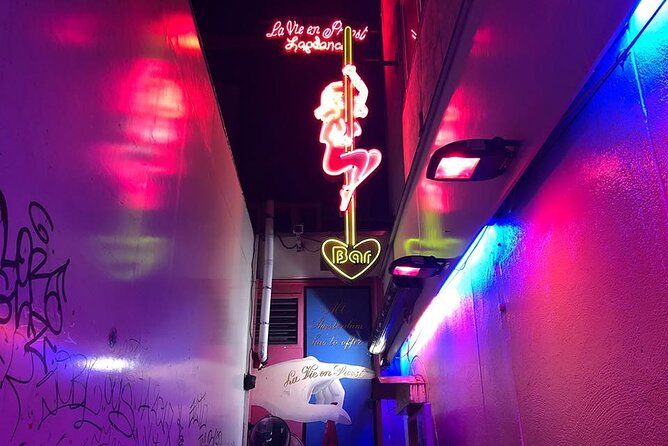
This is a private group experience (so only your group participates), lasting about 1 hour 30 minutes on foot. The pricing is listed per group, up to 15 people, so it can be a good value if you’re traveling with friends or family.
You’ll meet at Beursplein, 1012 Amsterdam, and the walk ends back near the start. That is helpful in Amsterdam, where you may be tempted to wander too far and then spend time backtracking. Instead, you get a compact loop that places you near public transport after you finish.
You’ll also use a mobile ticket, so you’re not hunting for paper. The tour includes free admission for the stops listed, which keeps the experience simple.
Finally, the fact that the guide is a local resident isn’t just a marketing line. In the feedback, the most praised aspect is the way guides like Manouk combine history with personal, street-level storytelling. That’s the difference between hearing about a place and getting your bearings fast.
Stop-by-Stop: What You See and Learn Along De Wallen and Beyond
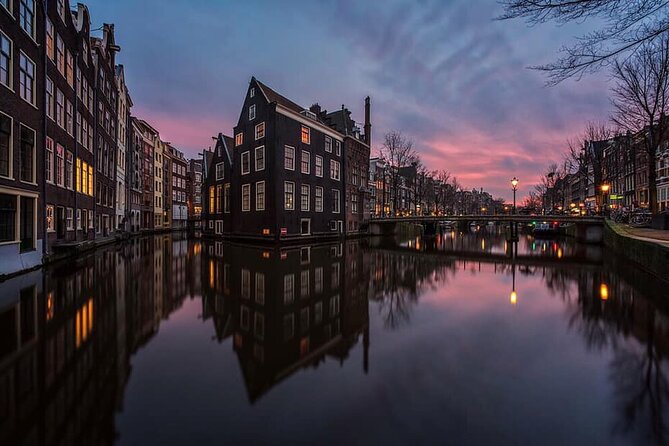
The route is designed like a guided explanation of how Amsterdam built its reputation, then how surrounding neighborhoods changed over time. Expect short stops, quick walking transitions, and enough time at each point to understand why it matters.
1) Red Light District (De Wallen) — the origin story
Your first stop anchors the whole theme. You’ll learn the history of De Wallen and why sex work became associated with this specific area. The guide also explains how and why Amsterdam developed a reputation for tolerance—so you’re not just absorbing shock value; you’re getting the logic behind the reputation.
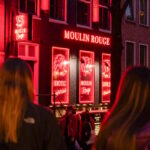
Even though you’re not going inside for tours, you’ll still get the context that most people miss when they only see the neon from a distance.
2) Dam Square — where the coffee-shop idea started
Next you’ll head to Dam Square, and this is where Amsterdam’s tolerance story expands beyond prostitution. You’ll hear about the place where the concept of the coffee shop originated, and what was once the center of Amsterdam’s freedom and tolerance.
This stop is useful because it reframes the neighborhood’s reputation as part of a wider city approach, not a single isolated scandal.
3) Warmoesstraat — old street, entertainment present
On Warmoesstraat, you’ll learn that it’s one of Amsterdam’s oldest streets, now serving as an entertainment center. You’ll also get a glimpse of the Old Church, which helps you see how the area layers centuries on top of each other.
One practical upside here: you’re not stuck in one single topic bubble. The guide can connect the sexual commerce discussion to broader city patterns like nightlife and street identity.
4) Zeedijk — Chinatown’s shift from danger to favorite
Then you’ll walk to Zeedijk, where the story stretches to community change. You’ll hear how Chinatown was once considered the most dangerous area in Amsterdam during the 1970s, and how that shifted over the years into a street many Amsterdammers now favor.
This stop is a reminder that neighborhoods evolve. The guide’s job here is to help you read the street as a timeline, not just as a place to wander.
5) Nieuwmarkt — legalization, plus the hard parts
At Nieuwmarkt, the tour brings the conversation back to real-world consequences. You’ll learn about the legalization of prostitution and the challenges sex workers face today.
This is often the part where the tone gets most serious. If you’re the type who likes a balanced explanation, this stop delivers it, connecting policy history to current difficulties rather than leaving it as a debate.
6) Kloveniersburgwal — coffee shops and what legal status means
At Kloveniersburgwal, you’ll gain insight into the renowned coffeeshops and their cultural significance. You’ll also learn about their legal status—so you understand why the term coffee shop is loaded in Amsterdam, and what that means in practice.
I like this stop because it keeps the conversation grounded in law and policy instead of myths. It helps you see the neighborhood’s logic as Amsterdam sees it.
7) Paulusbroederssluis — your map to continue
Finally, at Paulusbroederssluis, you receive the map that’s meant for the last stretch of your exploration. The idea is simple: use the walk as your orientation, then continue on your own with a little help.
This is where the tour turns from guided history into personal walking time—no pressure to rush, and you can linger where something sparks your curiosity.
The Local-Guide Angle: Why Personal Anecdotes Matter Here
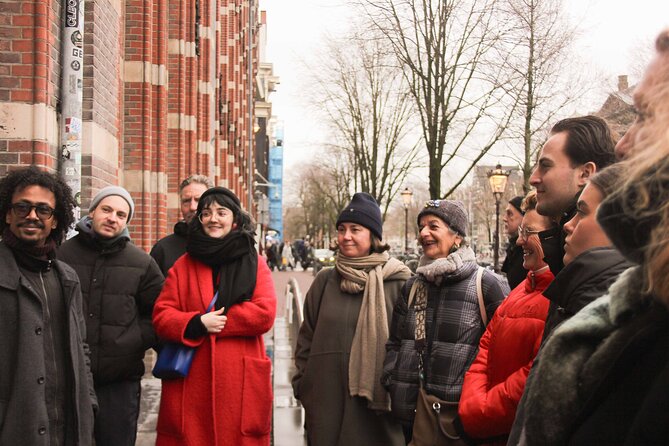
This is the part that gets mentioned again and again: guides like Manouk are long-time locals who know the area on a personal level. That shows up in two ways.
First, you’ll hear practical details mixed into the story. Instead of only explaining how Amsterdam developed a tolerant approach, the guide also shares the day-to-day realities that shape the neighborhood. That makes the content feel human, not abstract.
Second, you’ll get the kind of context that doesn’t fit neatly into a brochure. One guide can connect this area to other Amsterdam features, including how the city’s older structure and layout play a role in how neighborhoods function—there was specific praise for connections to the city’s ramparts and the kind of Amsterdam facts you might not expect.
For you, that means you leave with mental hooks. You’re not just remembering names of streets—you understand why these streets line up the way they do, and how that shapes what you see.
Coffee Shops and Tolerance: A Useful Link You’ll Appreciate Later
A lot of visitors treat coffee shops as a separate topic from the Red Light District. This route refuses that split. Dam Square’s coffee-shop origin story and Kloveniersburgwal’s coffeeshop context are placed where they help you understand the bigger Amsterdam reputation: tolerance as policy, culture, and city identity.
The value for you is that you can hold two ideas at once. Amsterdam can be tolerant in some ways while still dealing with laws, regulation, and ongoing challenges. That’s a much more accurate mental model than thinking the city is simply permissive and that’s the whole story.
If you’re curious about what’s legal, what’s regulated, and why Amsterdam’s approach became famous, this tour gives you the vocabulary to ask better questions when you’re out on your own.





Streets With Past Lives: Old Church Glimpses and Chinatown’s Turn
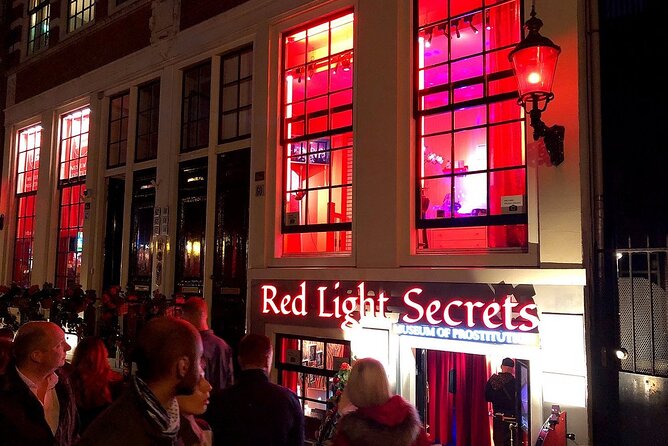
Warmoesstraat and Zeedijk give you a break from the main theme while keeping the broader message intact. Warmoesstraat offers a look at how Amsterdam’s old streets shift into entertainment zones. You also get a glimpse of the Old Church, which quietly reminds you this area is not only about nightlife—it’s about layers.
Zeedijk’s Chinatown story adds a different kind of depth. Instead of staying focused on today’s reputation, the guide explains that the neighborhood was once known for danger in the 1970s, and then changed. That’s the kind of detail that makes your walk feel like a living city lesson.
And it’s practical: once you understand the shift, you can walk those streets with better eyes. You’ll notice how shops, foot traffic, and street character create a neighborhood’s mood.
The Map and the Gift: Turning a Short Tour Into Real Exploration
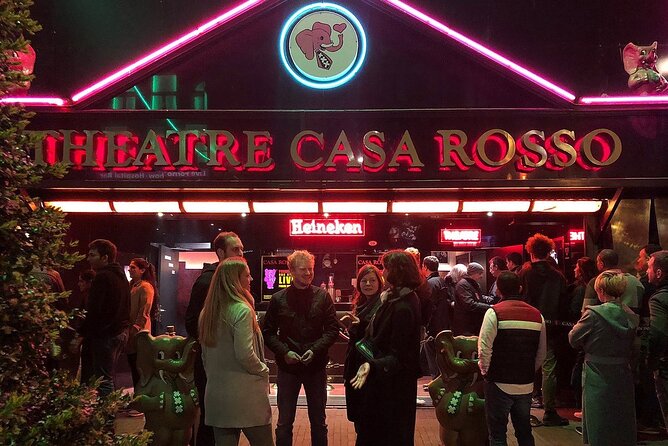
One of the nicest finishing touches is that you don’t end the experience with vague directions. You get a map with information for the last stretch of the tour, so your next steps are clearer.
You also receive a small gift intended to bring a smile. It’s not a substitute for a good tour, but it reinforces that this is meant to be an experience, not just a walk from A to B.
For me, that combination matters because Amsterdam is easy to over-walk and easy to lose your bearings. A short guided loop plus a map helps you keep the momentum and explore at your own pace without turning your afternoon into a maze.
Price and Value for a Private Group Up to 15
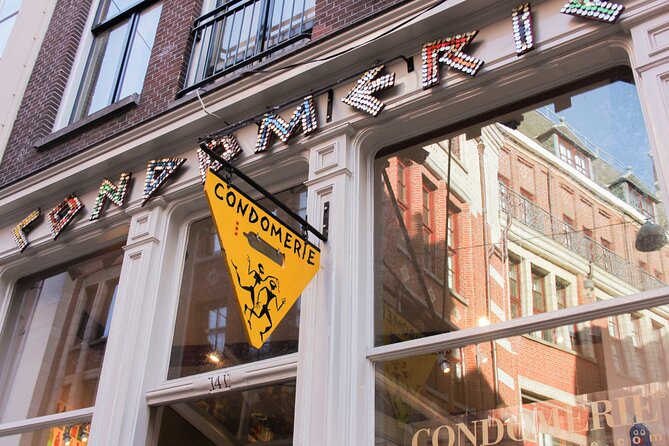
At $231.72 per group (up to 15), the price only feels simple once you do one quick calculation: what does it cost per person based on your group size?
If you’re a small group, it won’t be the cheapest option on a per-person basis. But the private format changes the equation. You’re paying for a tailored, local explanation you can actually follow in 90 minutes, plus a guide who can answer questions and guide sensitive topic conversations with tact.
If you’re traveling with others, this structure becomes much more attractive. A group of friends or a family can split the cost and still get the benefits of a private setting, not a packed public tour where you get jostled and can’t ask questions.
In short: it’s a value move when shared, and it’s a comfort move when you want privacy.
Who This Tour Suits (and Who Might Want a Different Plan)
This tour is a strong fit if you want:
- a local resident’s perspective rather than generic facts
- a short, focused walking experience around De Wallen’s area
- context on both prostitution policy and coffeeshops and their legal status
- practical orientation, plus a map for your own follow-up walk
It may be less ideal if you want the classic, inside-the-district experience. Because tours inside the Red Light District are prohibited since 2020, you should expect an outskirts approach and plan your expectations accordingly.
Also, because the subject matter involves sex work and current challenges, it’s worth mentally preparing for a serious conversation, not a casual stroll.
Should You Book This Red Light District Outskirts Tour?
I’d book it if you like grounded city storytelling and you want to understand why Amsterdam’s reputation took shape. The private format, the local guide with personal anecdotes (including guides like Manouk), and the structure of stops—from De Wallen to Dam Square to Warmoesstraat, Zeedijk, Nieuwmarkt, Kloveniersburgwal, and Paulusbroederssluis—make it feel like you’re getting a coherent lesson, not random sightseeing.
Skip it if you’re specifically looking for access inside the Red Light District itself. This tour is intentionally built around the post-2020 rules, so you’ll learn from the edges.
If you do book, wear shoes for walking, go in ready to ask questions, and use the map right after. This is one of those experiences where the real payoff is what you notice when the tour is over.
FAQ
How long is the tour?
The walking tour takes about 1 hour 30 minutes (approximately).
Is this tour private, and how big can a group be?
Yes, it’s private. The group size can be up to 15 people.
Where do we meet, and does the tour end there?
You meet at Beursplein, 1012 Amsterdam, and the tour ends back at the meeting point.
Do I get a ticket on my phone?
Yes, the tour uses a mobile ticket.
Will the tour include stops inside the Red Light District?
No. Tours in the Red Light District have been prohibited since 2020, so this tour goes to the outskirts.
What’s included in the tour?
You get a 1.5-hour private walking tour, a map with information for the last stretch, and a small gift. Admission tickets for the stops listed are free.
Can I cancel and get a full refund?
Yes. You can cancel up to 24 hours in advance for a full refund. If you cancel less than 24 hours before the start time, the amount paid is not refunded.