REVIEW · 1-HOUR EXPERIENCES
Amsterdam 1-Hour Canal Cruise With Live Guide
Book on Viator →Operated by Captain Jack Amsterdam · Bookable on Viator
One hour, nonstop sights. This electric canal cruise gives you comfy, cushioned views of Amsterdam’s top landmarks with live narration. I especially like the quiet ride on a powered boat and the practical extras like blankets (and heated options in winter).
The one caution: it’s a short cruise with a lot of pass-bys, so it is not the kind of tour where you linger at each place. Also, if you’re relying on audio, aim to get a good spot near the guide, since a few visitors reported trouble hearing on certain boats/days.
In This Review
- Key things I’d plan around
- Electric boat comfort: why this cruise feels easier in real life
- Price and what you really get for $26.59
- Getting to Prinsengracht 261a and boarding without stress
- What you’ll see on the route: from Anne Frank to the museum ring
- Anne Frank’s hiding house area: the emotional anchor
- The canal ring concept: why Amsterdam looks the way it does
- Iconic wooden bridge views: Magere Brug
- Rijksmuseum from the canal: spotting the art even at a glance
- Jordaan and the shop-and-stroll mood: the canal neighborhoods
- The Amstel and the bridges: where the city changes from canal to river
- Westerkerk, Carré, Hermitage: landmark variety in one pass
- Blue Bridge (Blauwbrug) and the cultural corner
- Churches, towers, theatres, and markets: the Amsterdam details you’d miss otherwise
- Duifkerk and the hidden church story
- Munttoren: from medieval walls to coin minting
- Bloemenmarkt: seeing tulip culture without standing in line
- Noorderkerk, Noordermarkt, and the market tradition
- Houseboats, boutiques, and everyday living: why the calm moments matter
- Jewish history and remembrance sites: when the scenery turns solemn
- Practical tips to make the hour feel like two
- Who this cruise is best for (and who should skip)
- Should you book this Amsterdam 1-hour canal cruise?
- FAQ
- How long is the Amsterdam canal cruise?
- How much does the tour cost?
- Where do you meet the tour?
- What’s included in the ticket price?
- Are drinks or snacks included?
- What kind of boat do you ride on, especially in winter?
- Is free cancellation available?
Key things I’d plan around
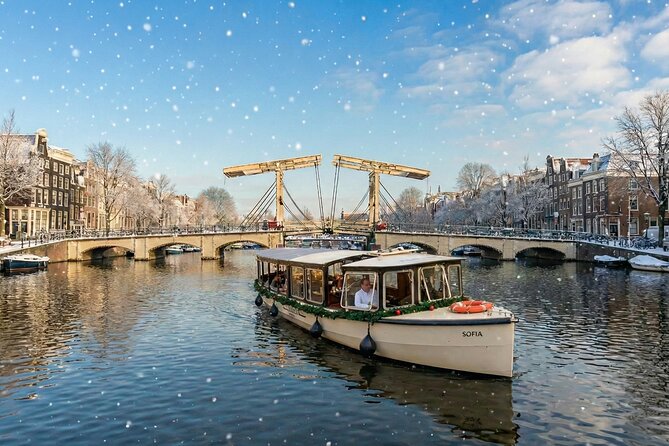
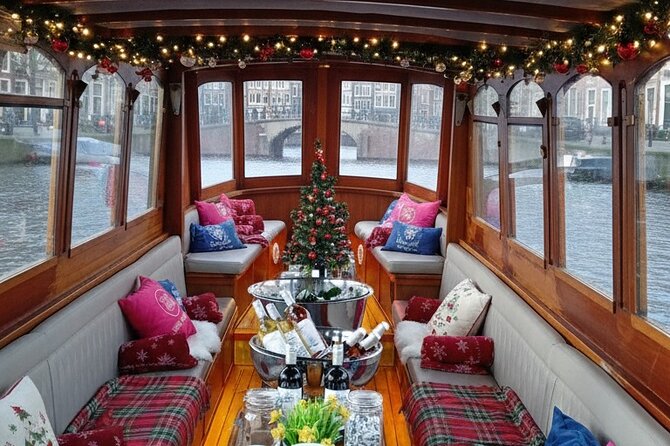
- Comfort on a moving boat: cushioned seating plus blankets; in winter, they use a closed and heated boat.
- A live guide with stories, not just names: you get context on what you’re seeing and why it matters.
- Electric-powered and quieter: the boat glides past canals without the noise you expect from older engines.
- Small-group feel: capped at a maximum of 30 travelers, which helps keep things personal.
- Prime Amsterdam sights in 60 minutes: you get a strong overview without spending your day in transit or lines.
- It can run a bit late: plan a buffer if you have a tight schedule after the cruise.
Electric boat comfort: why this cruise feels easier in real life
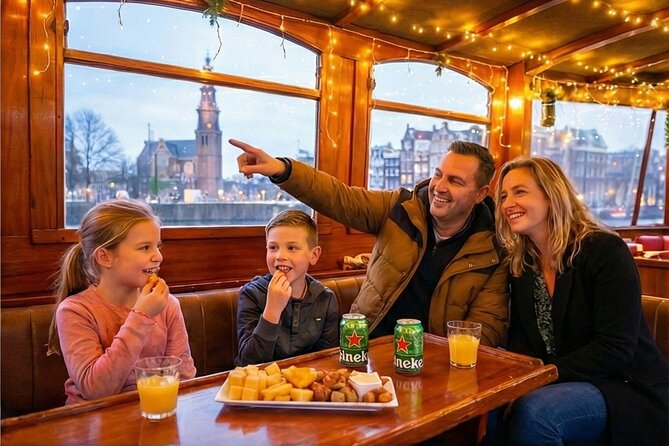
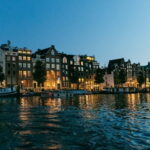
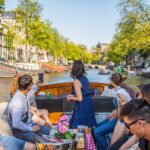
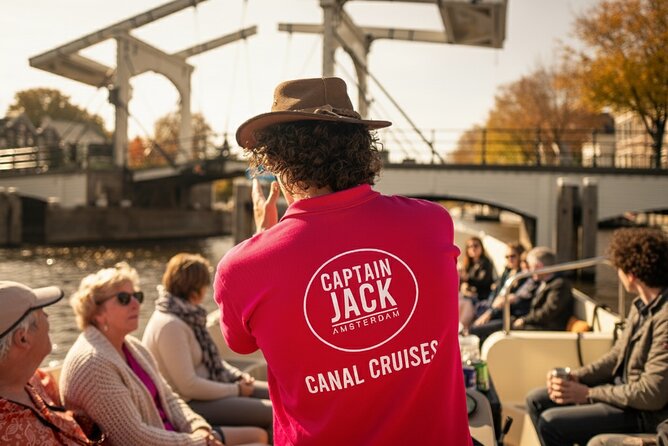
Amsterdam canals look lovely from a bridge. They look even better when you’re level with the buildings—without having to sprint between viewpoints. On this 1-hour cruise, the big win is that you’re on an electric-powered boat with an open-air deck and comfy seats.
On chilly days, you’re not just bundled up and hoping for the best. The tour includes blankets and umbrellas, and in winter they switch to a closed and heated boat. That matters because a lot of canal cruises either freeze you out or feel uncomfortable after the first 15 minutes. Here, the goal is to keep you comfortable for the full hour, which is exactly how you’ll enjoy the details the guide points out.
And since this ride is electric, the experience tends to feel calmer. You can actually focus on the narration and the passing architecture instead of competing with engine noise.
You can also read our reviews of more boat tours in Amsterdam

Price and what you really get for $26.59
At about $26.59 per person for a roughly 1-hour cruise, the price lands in the “worth it for convenience” zone. You’re paying for four things you’d otherwise have to piece together on your own:
- A boat ride timed for prime canal views
- Live commentary instead of guessing what you’re looking at
- Comfort items included (cushions, blankets, umbrellas)
- The sailing time itself, with a route designed to cover major highlights
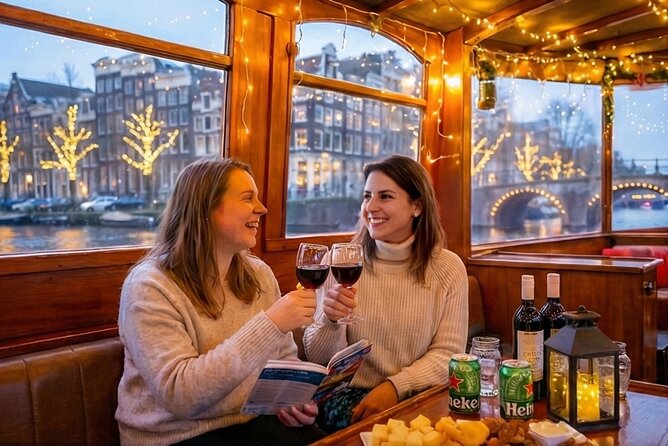
Alcohol and snacks are not included, but there is a bar onboard where you can buy drinks if you want. Nuts are available for purchase too. If your main goal is sightseeing and stories, you can keep it simple and spend just the base ticket.
If you’re deciding between options, I’d frame it like this: this cruise is a fast orientation to Amsterdam’s canal world. If you later want to pick one neighborhood for a longer walk, you’ll know where to go because you’ve already seen how the canal rings and bridges connect.
Getting to Prinsengracht 261a and boarding without stress
The tour meets at Prinsengracht 261a, 1016 GV Amsterdam and ends back at the same point. A mobile ticket is used, and the meeting spot is near public transportation, so you’re not stuck on the edge of town.
My practical advice: arrive early enough to settle before boarding. Even when the tour runs well, canal cruise departures can be tight, and one of the most common complaints is simple timing—some people experienced a late departure. If you’ve got a reservation later that same hour, give yourself breathing room.
Also, the boat setup matters. Some visitors found boarding a little harder for seniors, so if you need extra stability while getting on and off, arrive a bit earlier and watch your step.
What you’ll see on the route: from Anne Frank to the museum ring
This is a guided canal loop built around the city’s most recognizable scenes—plus a few “wait, that’s Amsterdam too” details. Expect a steady rhythm: the guide talks, the boat glides, and you get pass-bys of landmarks along the canals.
Anne Frank’s hiding house area: the emotional anchor
One of the first major historical stops is the area connected to Anne Frank’s hiding place on the Prinsengracht. The guide’s commentary helps you connect the canal streets to the human story—where Anne and her family hid for more than two years, and how that period ended with deportation. It’s the kind of moment where the canal scenery doesn’t feel like a postcard.
If you want to understand Amsterdam beyond the canals as a backdrop, this is a strong start point. Just be ready: it’s not purely scenic, and the topic carries weight.
You can also read our reviews of more guided tours in Amsterdam




The canal ring concept: why Amsterdam looks the way it does
As you move along, you’ll hear about Amsterdam’s Grachtengordel, the UNESCO-listed canal belt made of three main canals: Herengracht, Prinsengracht, and Keizersgracht. The guide explains how these canals were dug in the 17th century during the Dutch Golden Age, forming concentric belts around the city.
This is useful because it changes how you “read” the city. From the water, the canals don’t just look pretty—they show planning, wealth, and the way Amsterdam expanded. Once you understand the belt, you can start mentally mapping where you are.
Iconic wooden bridge views: Magere Brug
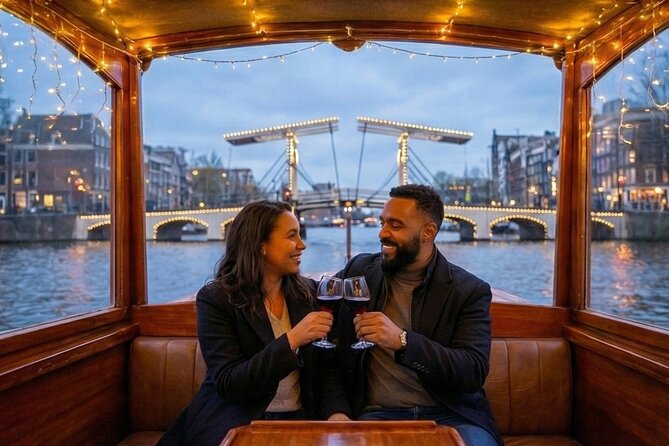
You’ll also pass by Magere Brug, famous as the English-speaking nickname Skinny Bridge. It’s a wooden drawbridge known for its narrow width, and the route often frames it as a romantic photo stop even though you’re not getting out and walking here. The guide ties it to the history of traffic and the bridge’s evolution.
Even if you’ve seen pictures before, seeing it from the boat gives you a better sense of scale—what’s narrow for pedestrians feels different when you’re watching the water pass underneath.
Rijksmuseum from the canal: spotting the art even at a glance
A highlight is the approach right in front of the Rijksmuseum. From the water, you get a clean look at the building, plus a quick orientation to why it’s such a big deal.
The guide specifically points to Rembrandt’s Night Watch, one of the museum’s world-famous works. Even if you don’t go inside that day, the cruise helps you understand what you’re looking at and why it’s anchored in Amsterdam culture.
Jordaan and the shop-and-stroll mood: the canal neighborhoods
The flagship route starts and ends in the Jordaan area (with commentary tied to that neighborhood). This is where Amsterdam feels most “walkable” in spirit, with canals lined by historic buildings and streets known for boutiques and small restaurants rather than big chains.
The best part from the boat: you get a feel for the neighborhood layout without stopping to find streets, crosswalks, or parking. If you want a next step afterward, Jordaan is a smart choice.
The Amstel and the bridges: where the city changes from canal to river
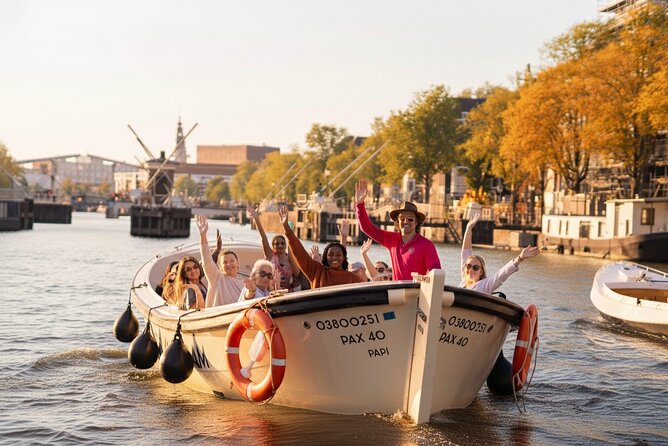
After the canal belt highlights, the route shifts into Amsterdam’s Amstel story—the waterway the city developed around. You’ll hear how Amsterdam’s founding is tied to building a “dam” and creating what became the city, and how the river’s name also connects to beer.
This matters because the Amstel is a different kind of water experience than the canal ring. The vibe feels wider and more central, especially with bridges and major buildings along the banks.
Westerkerk, Carré, Hermitage: landmark variety in one pass
On the Amstel stretch, the guide calls out several major sights, including:
- Westerkerk near the Jordaan
- Royal Theatre Carré, originally built with circus intent and now known for musicals, cabaret, and concerts
- Hermitage Amsterdam, a branch museum in a former Amstelhof building
Even though you won’t be touring these buildings today, the guided pass-by gives you a useful checklist. Later, when you decide which museum or show to add, you’ll know what’s worth your time.
Blue Bridge (Blauwbrug) and the cultural corner
You’ll also pass Blauwbrug (Blue Bridge), which connects areas near Rembrandtplein and Waterlooplein. The guide’s commentary frames how those zones work as hubs, not just random streets.
If you like to plan efficiently, this is where a canal cruise earns its keep. It shows you where the city’s “activity clusters” are located—so you can stop thinking in terms of individual buildings and start thinking in zones.
Churches, towers, theatres, and markets: the Amsterdam details you’d miss otherwise
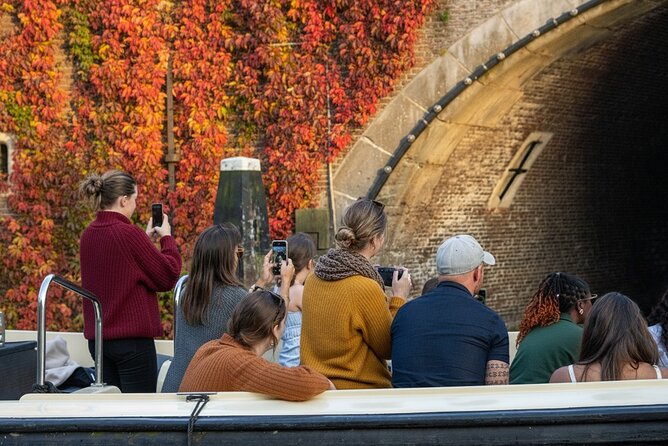
One reason this cruise works is that the guide doesn’t just throw out landmark names. You get context that helps you notice the city’s layers.
Duifkerk and the hidden church story
The commentary includes the Duifkerk and its predecessor, a 17th-century hiding church called Het Vrededuifje. That’s a key example of how Amsterdam’s history isn’t only in museums. It’s in buildings, facades, and what happened behind them.
Munttoren: from medieval walls to coin minting
You’ll also hear about the Munttoren (Mint Tower), part of medieval city gates, later used in the 1600s for minting coins. From the water, a tower like this can look just decorative. The narration gives it function and timeline.
Bloemenmarkt: seeing tulip culture without standing in line
The Bloemengracht and flower market area comes up too—tulip bulbs, souvenirs, and colorful market energy. From the boat, you’re not shopping, but you’re getting the “why” of why tourists associate this city with tulips.
Noorderkerk, Noordermarkt, and the market tradition
The cruise also connects the Noordermarkt tradition with local history, while referencing Noorderkerk as part of the neighborhood’s story. Even if you only catch one market in your trip, knowing how markets fit into Amsterdam life makes your time feel more local.
Houseboats, boutiques, and everyday living: why the calm moments matter
A common misconception is that a canal cruise is all big attractions and famous museums. This one also leans into day-to-day Amsterdam.
You may pass the houseboat museum area tied to the Prinsengracht, a way to see how people actually live along the canals. There’s a simple charm here: Amsterdam isn’t just history and art; it’s a city where people still choose the waterline.
The guide also points out areas with small boutiques and local eateries, not the generic storefronts. That matters if you’re traveling for authentic atmosphere, not just ticking off photos.
Jewish history and remembrance sites: when the scenery turns solemn
The route includes Jewish historical locations such as the Jewish Historical Museum area and references tied to memorials and World War II remembrance. The guide’s commentary covers why these places exist and what Amsterdam’s wartime story means today.
This is also where I think timing matters. Because the cruise is only about an hour, you don’t get to process each location slowly. If this subject matters to you deeply, plan one follow-up visit on a separate day so you can spend more time inside a museum or memorial.
Practical tips to make the hour feel like two
Here’s how to get maximum value from a cruise that’s designed to move.
- Pick your audio position: one visitor reported the radio being too loud to hear the guide. If you notice sound issues, shift closer to the speaking point.
- Bring layers: even in shoulder seasons, the wind off the canal can chill you faster than you expect. Blankets help, but a base layer makes everything easier.
- Plan a buffer afterward: at least one review flagged a late departure. If you’re connecting to a walking tour, don’t stack it back-to-back.
- Treat it as orientation: use the cruise to understand where the big sights sit relative to each other. Then choose one or two neighborhoods to go deeper on foot.
- Ask questions if the guide is open to it: this tour’s format and small group feel make conversation possible, which is often the difference between hearing facts and actually learning how Amsterdam fits together.
Who this cruise is best for (and who should skip)
This works best for you if:
- You want a quick, comfortable canal intro without sacrificing comfort to the weather
- You like live commentary that explains the “why” behind sights
- You’re traveling with kids or teens who still benefit from light history and entertaining pacing
- You want a low-effort way to see a lot of Amsterdam in a single hour
You might skip it if:
- You need a tour with lots of time at each stop. This is built for pass-bys, not long on-street exploration.
- You’re very sensitive to audio quality or have difficulty hearing over noise. Most of the time it works well, but it’s worth being mindful.
- You’re concerned about boarding steps or balance. Some guests found it a bit hard to get on.
Should you book this Amsterdam 1-hour canal cruise?
I’d book this cruise when you want the practical payoff: comfort, a live guide, and an efficient route packed with recognizable sights. At around $26.59, with cushions, blankets, umbrellas, and a quiet electric boat included, it’s strong value for a first day (or any day you feel museum-fatigued).
Book it especially if you’re trying to decide where to spend more time later—Rijksmuseum area, Jordaan, the Amstel, or the canal belt. The cruise gives you the map in motion.
If you want the kind of guided experience where you linger, step out, and go deep on architecture block by block, you’ll probably feel short-changed. For that, save your energy for a walking tour or museum day. For an hour at the right comfort level, this one fits Amsterdam perfectly.
FAQ
How long is the Amsterdam canal cruise?
It lasts about 1 hour.
How much does the tour cost?
The price is $26.59 per person.
Where do you meet the tour?
You meet at Prinsengracht 261a, 1016 GV Amsterdam, Netherlands, and it ends back at the same meeting point.
What’s included in the ticket price?
Included features are the luxury electric boat with comfy cushions, all fees and taxes, and blankets and umbrellas.
Are drinks or snacks included?
No. Alcoholic beverages and snacks are not included. There is a complete bar where you can buy non-alcoholic and alcoholic drinks.
What kind of boat do you ride on, especially in winter?
In winter, they use a closed and heated boat.
Is free cancellation available?
Yes. You can cancel up to 24 hours in advance for a full refund.