REVIEW · BIKE & E-BIKE TOURS
From Amsterdam: Countryside Bike Tour
Book on GetYourGuide →Operated by We Bike Amsterdam · Bookable on GetYourGuide
Dikes, windmills, and village bikes near Amsterdam. You’ll get a different Holland in a few hours: ferry across the IJ-lake, then pedal through fields, farm towns, and water-control country. It’s all tied together with the Dutch obsession with staying dry, plus a look at how the old windmill industry worked.
What I like most is the mix of scenery and story. You’ll learn water management as you ride over embankments and dams, and you’ll end with a photo stop at Holland’s last chalk windmill. The pacing also feels human: small-group riding (up to 12) with guide check-ins along the way.
One consideration: even though it’s flat and easy, you’re still covering about 18 miles (around 4 hours). If you’re new to cycling, plan for some saddle time.
In This Review
- Key highlights to circle in your mind
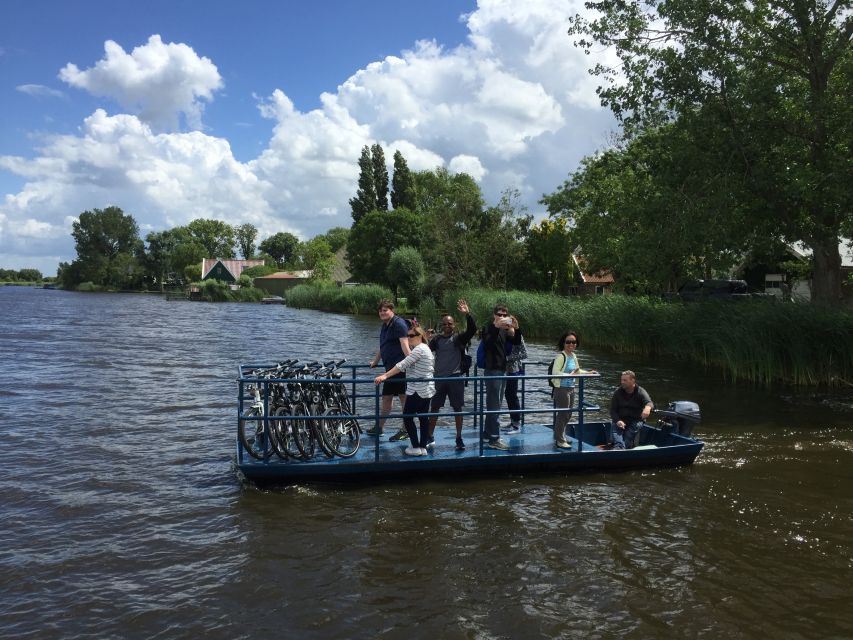
- From central Amsterdam to the IJ-lake ferry: the ride starts with a scene change
- Pedaling Dutch water management: dikes, embankments, and staying dry
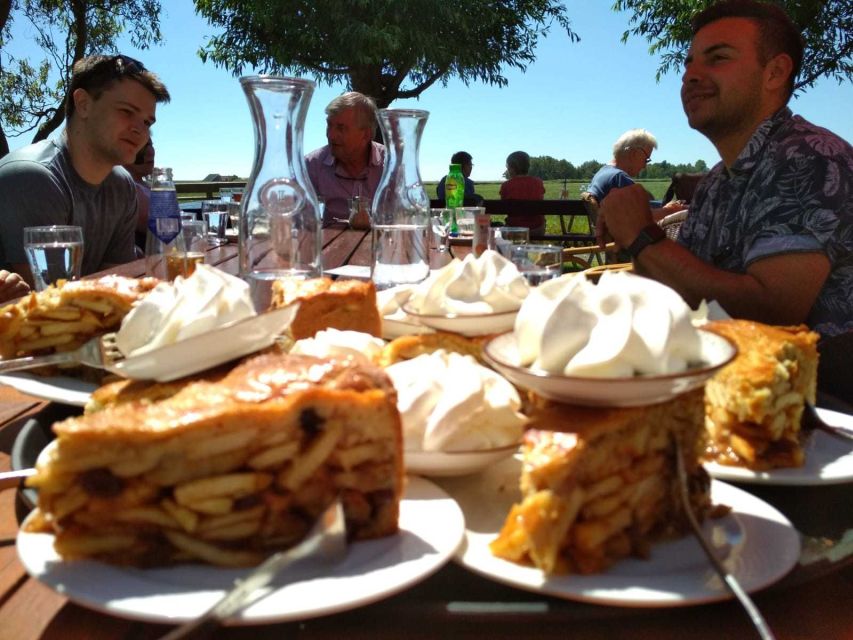
- The Holysloot stop: coffee, appeltaart, and a real breather
- Ransdorp: Waterland vibes and that flat church tower silhouette
- Holland’s last chalk windmill: why it mattered in the 17th and 18th centuries
- Cycling comfort and pace: flat doesn’t mean zero effort
- Value check: is $47 a smart use of your Amsterdam time?
- Logistics that actually matter: bring a plan for meeting point and weather
- Who should book this Amsterdam countryside bike tour?
- Should you book it? My straight answer
- FAQ
- How long is the countryside bike tour from Amsterdam?
- How far will I ride?
- Is the route flat?
- What’s included in the price?
- Are foods and drinks included?
- Is there an apple pie stop?
- Where does the tour go after the Holysloot break?
- Is the tour rain or shine?
- How big is the group?
- What are the cancellation and language details?
Key highlights to circle in your mind
- IJ-lake ferry start that flips you from city mode to countryside mode fast
- Dikes and embankments lessons on how the Dutch keep water where it belongs
- Holysloot coffee and apple pie break in a tiny farmlands village
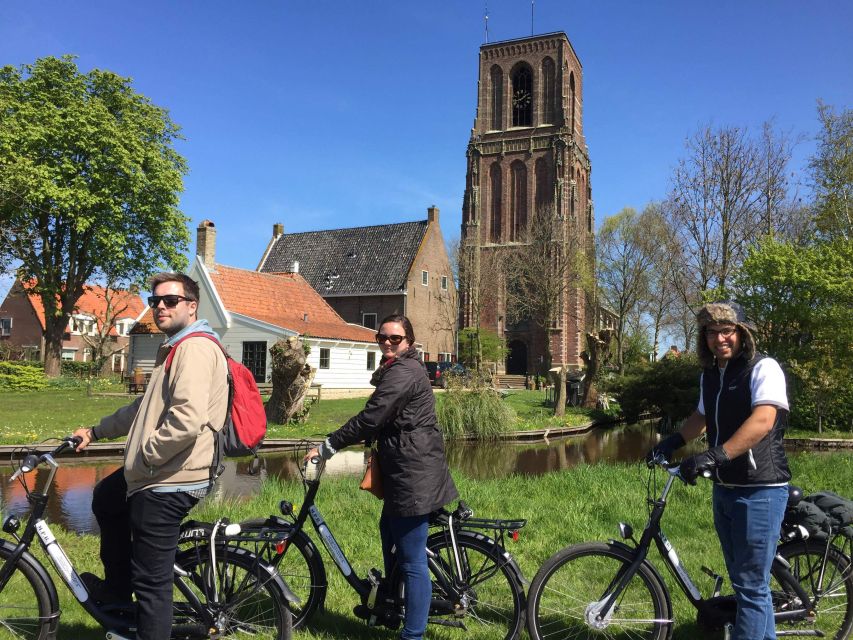
- Ransdorp’s Waterland character including the iconic flat church tower
- Last chalk windmill photo stop with context on 17th–18th century windmill industry
From central Amsterdam to the IJ-lake ferry: the ride starts with a scene change
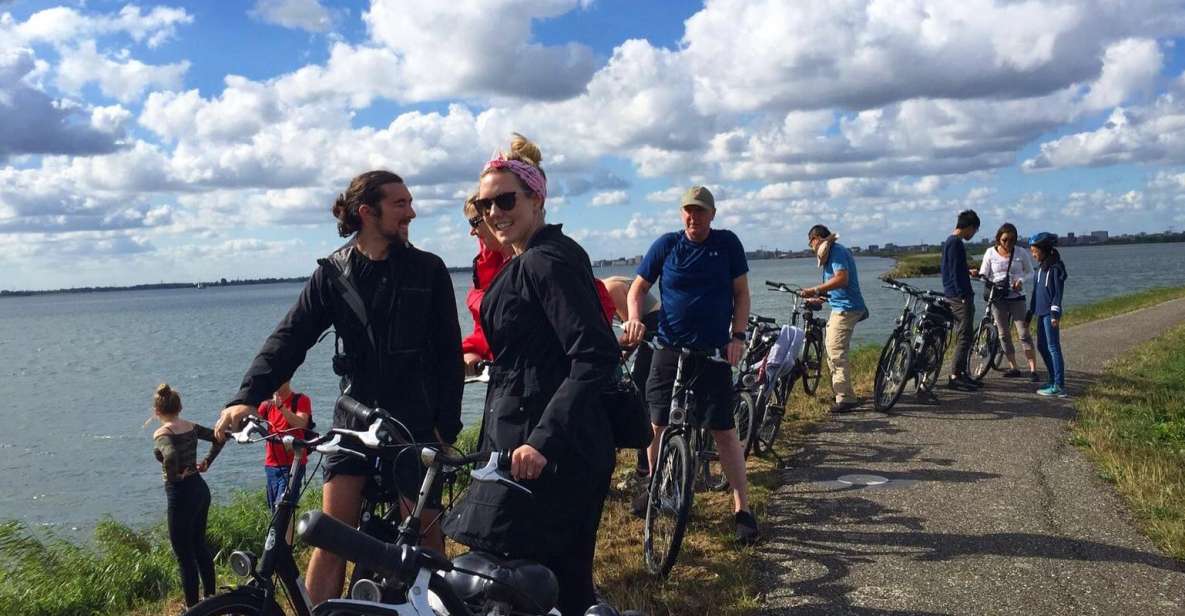
If you only know Amsterdam by canal views and tram stops, this tour gives you a clean contrast. The day begins in the city center, then you head for the ferry across the IJ-lake. It’s a quick, practical way to get you out of traffic life and into that classic Dutch pattern: water, low land, and wide open views.
Once your bike is in motion, the countryside feels close in a way that’s hard to get by bus. You’re not just looking at rural Holland from a distance—you’re traveling through it at bike speed, where you can actually notice the details: how villages sit next to the waterways, where farmland begins, and how the infrastructure shapes daily life.
And yes, this is where the tone changes. Amsterdam can be loud and fast. Out here, even with other riders in your group, the pace turns calmer. You can hear the wind. You can see farther. The guide’s stories also land better when the landscape matches the topic—water management makes more sense when you’re literally riding along the edges of it.
You can also read our reviews of more cycling tours in Amsterdam

Pedaling Dutch water management: dikes, embankments, and staying dry
The heart of this North Holland bike route is the Dutch relationship with water—and you’ll understand it more than you would from a museum stop. The tour has you cycling over embankments and dams designed to keep feet dry, and your guide explains how this system evolved into a way of life.
Here’s what you’ll likely appreciate as you ride:
- You’re not just passing scenery. You’re passing engineering.
- The land looks flat because the water-control system is doing its job.
- Village life developed where it was safer and more manageable, and that shows in the route.
Guides vary, but the quality of the storytelling seems consistent. People have mentioned guides such as William, Joris, Pierce, and Sen for making the history and water systems feel clear and relevant. If you get one of these guides (or another similarly strong one), you’ll probably find yourself asking questions mid-ride—about canals, dikes, flooding risks, and why windmills mattered so much.
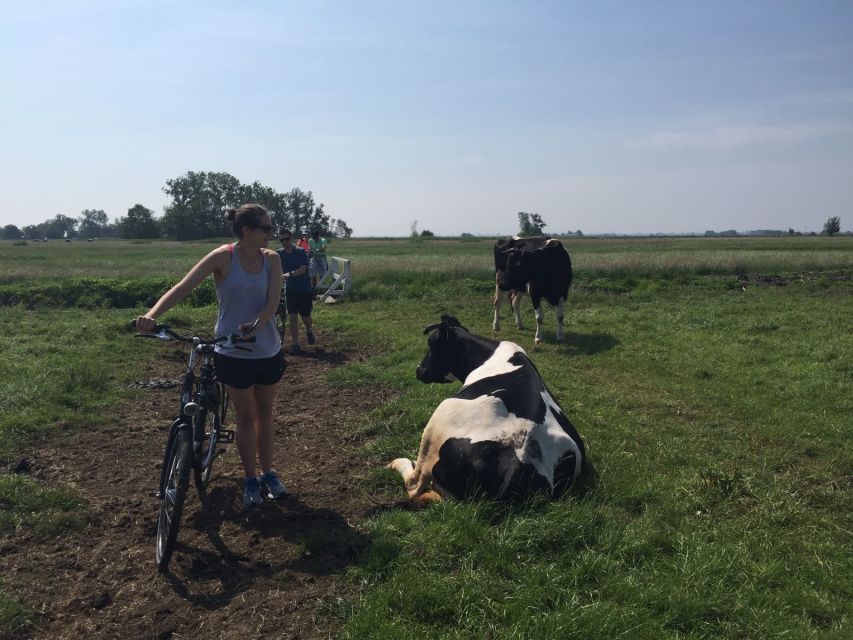
The route also includes those charming bits of countryside that make you look up from the road. In the safer, lower-traffic bike corridors, you can spot farm animals along the path—cows, sheep, and horses show up often enough that it’s not a rare event. It’s a gentle reminder that this isn’t a theme park ride. This is working farmland country.
One more practical point: because the Netherlands is flat, you won’t be fighting hills. But the wind can feel strong near open water and open fields. A light windproof layer helps you stay comfortable even if the sky can’t decide what it wants.
The Holysloot stop: coffee, appeltaart, and a real breather
Midway through the tour, you get a planned break in Holysloot, described as a tiny farmlands village. This is where the tour becomes more than motion—it turns into a proper pause.
What happens there:
- You stop for coffee at a little restaurant in the village.
- You can order the homemade apple pie that’s become a signature of the stop.
Even though the tour itself doesn’t list foods and drinks as included, the apple pie break is still a key part of the experience. Reviews consistently describe it as some of the best Dutch apple pie they ate in the country, which tells you something important for planning: make room in your schedule for this snack as a highlight, not a quick afterthought.
This break is also useful for your legs. After several miles of steady pedaling, a sit-down moment helps you reset. You can ask your guide questions without rushing, and the group vibe usually shifts into relaxed conversation before you roll on again.
If you’re picky about timing, don’t worry too much. The tour design builds in a halfway stop and then continues. That structure is exactly what makes the day work for people who want countryside without turning it into a grueling endurance event.
Ransdorp: Waterland vibes and that flat church tower silhouette
After Holysloot, the ride continues to Ransdorp. This is the “look closer” section of the route—less about one big monument and more about atmosphere.
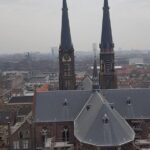
Ransdorp is known as a former capital in the Waterland region, and the standout visual is the iconic flat church tower. If you’re the type who likes to take a few photos and then keep riding (instead of stopping for long sightseeing blocks), this is a good match. You get something that feels distinctly Dutch and specific, without losing momentum for the rest of the tour.
During this part of the ride, your guide typically connects the dots: why the Waterland area developed the way it did, how communities formed around water and land boundaries, and how structures reflect those pressures. It helps you see the countryside as a living system, not just pretty geography.
A small drawback to mention (not a complaint, just a reality): since the tour is only 4 hours, you’re not going to get long time in each place. The stops are designed to keep you cycling, learning, and moving. If you want a slower, more museum-style pace, you might find yourself wishing for extra time at each village.
Holland’s last chalk windmill: why it mattered in the 17th and 18th centuries
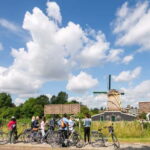
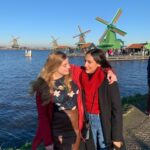
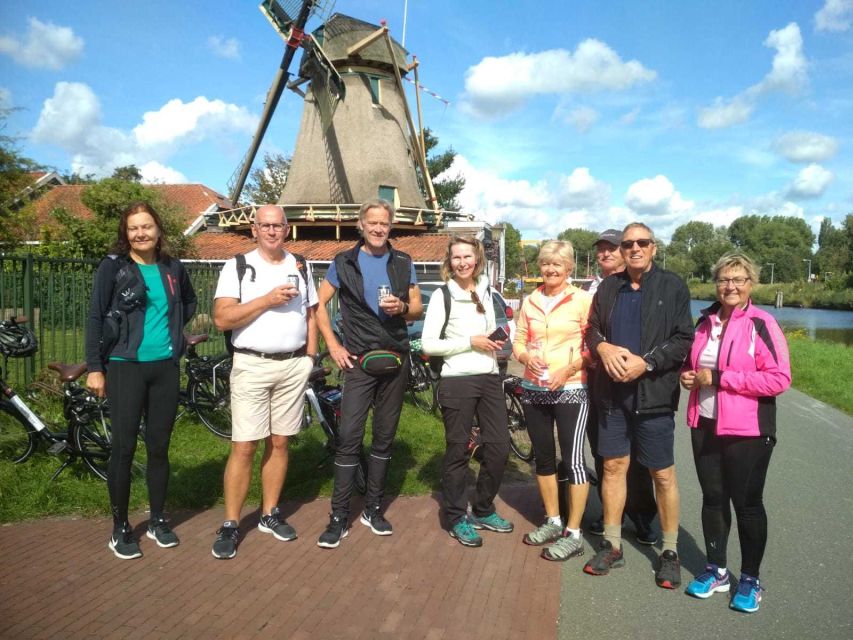
Near the end of the tour, you’ll stop to see Holland’s last chalk windmill. This is a major photo moment, and it’s also a learning moment.
The tour frames chalk windmills within the bigger windmill industry that shaped the Netherlands in the 17th and 18th centuries. You’ll likely talk about how windmills supported the water-control efforts—especially the idea that wind power helped move water and manage levels when nature didn’t cooperate.
Here’s the practical value: you’ll walk away understanding that windmills weren’t just decorative. They were part of a system. When you’ve just cycled dikes and embankments, the windmill stop feels like the missing piece that ties the whole route together.
Photo tip: treat this stop like a wind photo—aim quickly, protect your phone from gusts, and don’t wait until the last second to look for the best angle. You’ll be ready to snap a few pictures, then roll back toward Amsterdam.


Cycling comfort and pace: flat doesn’t mean zero effort
This tour is described as flat and leisurely, and that part is true. You’re not doing steep climbs or technical riding. But you are still covering about 18 miles (around 30 km) in roughly 4 hours.
So what does that mean in real life?
- You’ll be on the bike for long enough to feel your seat later.
- If you’re used to casual cycling, it’ll feel manageable.
- If you don’t ride often, take it seriously at the start and don’t rush.
Several riders have mentioned saddle soreness the next day, even when they loved the tour. That’s not a reason to avoid it—it’s just a reason to be prepared. If your body is sensitive, bring whatever you typically use for comfort on longer bike days.
Helmet availability is another practical note. The tour includes a bike, and a helmet is available if requested. If you prefer to ride with your own helmet, you can also bring it, but the option exists right there with the booking.
Group size helps too. The tour is limited to 12 participants, which makes it easier for the guide to keep everyone together without speed-stressing the group. People have also mentioned that guides made sure the group stayed safe and checked the pace regularly, so you shouldn’t feel dropped or left behind.
Finally, weather is not optional. This tour runs rain or shine. That’s fine, as long as you pack smart: bring a rain shell, wear shoes that don’t get instantly miserable, and accept that your ride might be damp at some point. The Netherlands doesn’t ask permission from the forecast.
Value check: is $47 a smart use of your Amsterdam time?
At $47 per person, this countryside bike tour is priced like a true “experience day” rather than a premium sightseeing add-on. You’re getting:
- A guided route with interpretation
- A bike provided (and helmet if requested)
- Small-group structure (up to 12 people)
What you’re not getting is food and drinks included. That matters, because the halfway stop at Holysloot is exactly where you’ll be tempted to spend a bit. Still, that’s part of the value story: your money buys the ride and the story, and then you choose what you eat during the break.
I think the best way to judge the value is by what it replaces. If you tried to DIY this day, you’d still need transport options into North Holland, you’d need routing confidence, and you might miss the water-management context that gives the countryside meaning. This tour does those jobs for you in a tight 4-hour window.
And because you’re getting that last chalk windmill stop plus the village rhythm (fishing village feel, farm towns, and Waterland character), it’s more than a simple “go pedal near Amsterdam” outing. It’s a guided theme that keeps you oriented the whole time.
Logistics that actually matter: bring a plan for meeting point and weather
A lot can go wrong with bike tours that rely on meeting points and street navigation. Here’s the practical stuff to keep in mind:
- Parking near the meeting area in Amsterdam can be awkward. One rider suggested using a taxi or Uber to meet up because paid parking can be limited. If you’re driving, don’t assume it’ll be easy to park close by.
- You’ll ride in rain or shine. That means you should dress for wet conditions, not for comfort fantasy.
- You must be able to ride a bike. This tour isn’t listed as suitable for people who can’t ride.
Also, because this is a small-group guided ride, arriving on time matters more than you might think. Guides can manage the pace and stops, but they’re not running a late-start recovery plan.
If you do all that, you’ll start the day feeling relaxed instead of stressed. And that’s when these Dutch bike routes work best.
Who should book this Amsterdam countryside bike tour?
This is a strong choice if you want an authentic North Holland perspective without turning your day into a full-day expedition.
You’ll probably love it if:
- You want countryside right outside Amsterdam, not a city-only itinerary
- You like cycling as a way to see real places
- You’re interested in water management, dikes, and windmills (and want it explained in plain terms)
- You want a small group (up to 12) so the guide can engage with questions
You might skip it if:
- You’re not comfortable riding a bike for around 18 miles total
- You prefer long museum-style stops over riding time
If you’re traveling as a couple, a small group of friends, or even with teens who can handle bike time, it tends to be a good fit. One reason: the pace is manageable, but the payoff is real.
Should you book it? My straight answer
Yes, I’d book it if your goal is a countryside day with clear Dutch context. The blend of IJ-lake ferry start, dike-and-embankment storytelling, a halfway Holysloot apple pie break, and the last chalk windmill stop is a lot to pack into 4 hours—and it’s built around an easy, flat ride format.
Just go in with the right mindset: it’s not a marathon, but it is time in the saddle. Pack for weather, plan on paying for snacks/drinks at the stop, and bring a calm attitude. Do that, and you’ll leave Amsterdam with a much more grounded sense of how this country lives with water.
FAQ
How long is the countryside bike tour from Amsterdam?
It lasts 4 hours.
How far will I ride?
You’ll cover approximately 18 miles in about 4 hours.
Is the route flat?
Yes. It’s described as flat and leisurely.
What’s included in the price?
The tour includes a bike, a tour guide, and a helmet if requested.
Are foods and drinks included?
No. Foods and drinks are not included.
Is there an apple pie stop?
Yes. You stop for coffee in Holysloot, and the restaurant serves homemade apple pie.
Where does the tour go after the Holysloot break?
After Holysloot, you continue to Ransdorp, then you see Holland’s last chalk windmill before returning to Amsterdam.
Is the tour rain or shine?
Yes. It runs rain or shine.
How big is the group?
The group is limited to 12 participants.
What are the cancellation and language details?
The tour has a live English-speaking guide, and you can cancel up to 24 hours in advance for a full refund.