REVIEW · BIKE & E-BIKE TOURS
Amsterdam: Off the Beaten Path Bike Tour in French
Book on GetYourGuide →Operated by Samy's Bike tours · Bookable on GetYourGuide
Cycling Amsterdam feels local in 2.5 hours. This French-guided ride threads you through the Jordaan and into the WWII-and-Anne-Frank story around the Jewish Quarter, with photo stops that connect real neighborhoods to real memory.
I love the practical setup: quality bikes for all sizes and a guide who keeps the group moving with clear direction. I also love the way the tour mixes day-to-day life topics (work, health, culture, food) with on-the-ground stories, so the history doesn’t feel like a lecture on a bench—it’s built into the streets you’re riding.
One watch-out: the tour is French-only, and some stops hit emotionally serious ground related to WWII and the Holocaust. If that’s not your thing, you might prefer a different tour route—or at least go in with a little extra emotional bandwidth.
In This Review
- Key reasons this bike tour works well
- Meeting at Bike Rental Reine: the smooth start matters
- Jordaan Quarter: narrow lanes, bridges, hofjes, and real neighborhood texture
- Amsterdam-Centrum: the classic grid, but with a local lens
- Prins Hendrikkade and Entrepotdok: moving from center to the warehouse side
- Plantage: a quieter shift before the WWII story
- Jewish Quarter and WWII memory: Anne Frank’s footsteps and the Holocaust Names Monument
- Magere Brug to Reguliersgracht: bridges, photo moments, and a strong finish
- Price and value: what $41 buys you in real terms
- Practical timing tips: choosing 10:30 vs 13:30 vs 16:15
- Who this tour fits best (and who should skip it)
- Should you book this French off-the-beaten-path bike tour?
- FAQ
- What language is the tour in?
- How long is the Amsterdam bike tour?
- Where do I meet the guide and bike rental service?
- Are bikes included, and are there options for children?
- Does the tour include food recommendations or snacks?
- Can I leave luggage at the start or end?
Key reasons this bike tour works well
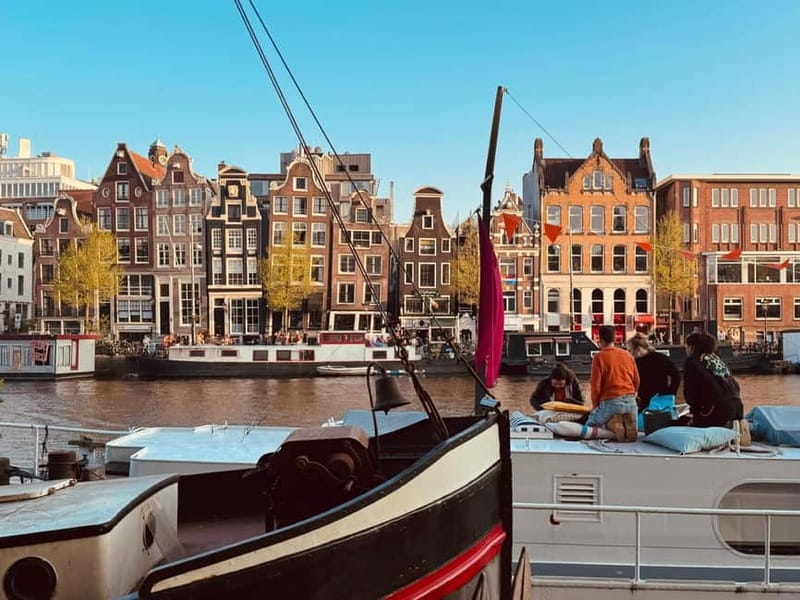
- Jordaan street-level feel: narrow lanes, bridges, canals, hofjes, and a neighborhood vibe that still feels like a village.
- WWII focus on the Jewish Quarter: guided context that follows the Anne Frank story through today’s streets.
- Thoughtful stop selection: from canal photo moments like Magere Brug to the National Holocaust Names Monument.
- Comfort-first bikes: included bikes for different sizes, plus child options with details on smaller heights.
- A guide who blends humor with context: French commentary that stays engaging while you ride.
- Local food guidance: a tailored list of Dutch, Indonesian, and Surinamese spots and brown cafés.
Meeting at Bike Rental Reine: the smooth start matters
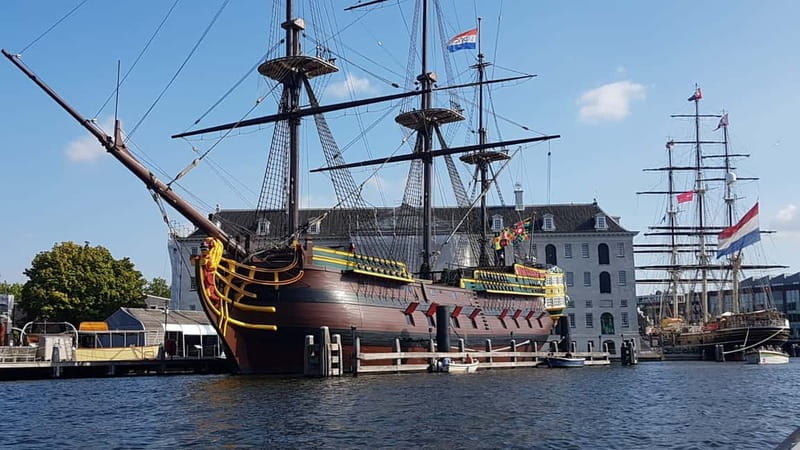
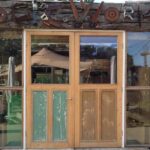
You meet outside Bike Rental Reine at Binnen Wieringerstraat 3, in a small alley about a ten-minute walk from Amsterdam Centraal. They ask you to arrive about 5 minutes early and bring your reservation QR code.
Once you’re checked in, the rhythm is simple: pick up your bike, get a map, and settle your luggage if you’re using the option to leave suitcases on arrival or departure (tell them in advance). The whole tour is built for a relaxed pace, so the goal is to get you riding quickly, not spending half the morning in bike-seat limbo.
You can also read our reviews of more cycling tours in Amsterdam
Jordaan Quarter: narrow lanes, bridges, hofjes, and real neighborhood texture
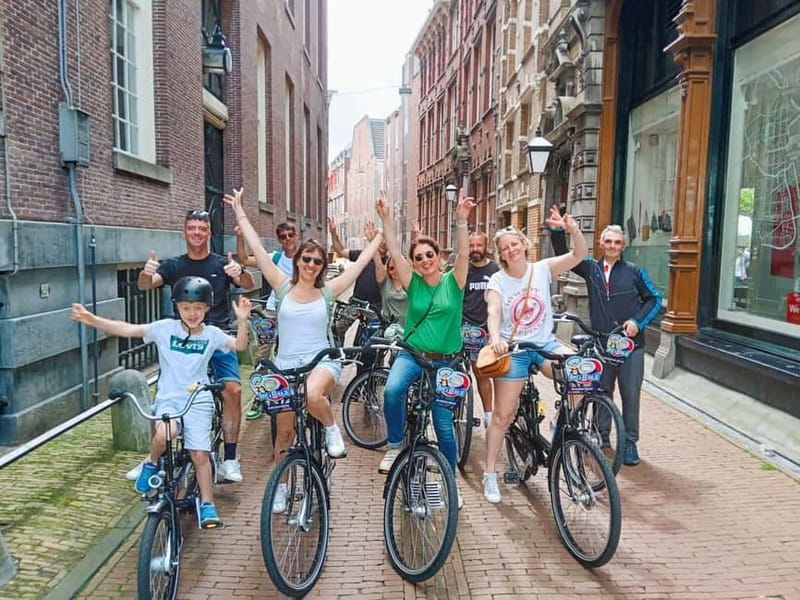
The tour begins in the Jordaan, a district with a working-class past that still shows up in the street shape and the community feel. It was created in the 17th century to house workers and artisans in small houses, and today it’s known for narrow streets, countless bridges, canals, and those little courtyard-like spaces called hofjes.
You’ll get a mix of guided riding and photo stops here, with enough time (about 20 minutes) to do more than glance. This is the kind of area where you can see why Amsterdam is famous for canals, but also why locals like the smaller lanes and the rhythm of everyday movement.
Practical consideration: Jordaan streets can be tight, and you’ll share space with other pedestrians and cyclists. You don’t need to be an expert rider, but you should be comfortable keeping your balance when turning and stopping.
Amsterdam-Centrum: the classic grid, but with a local lens
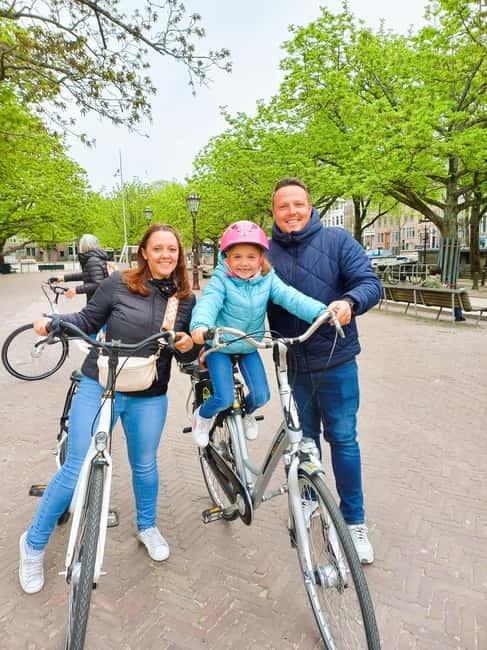
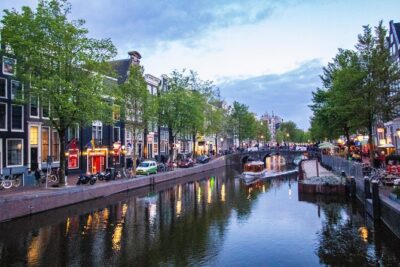
Next comes Amsterdam-Centrum for a shorter guided segment (around 15 minutes). This is where the city’s “postcard Amsterdam” look starts—canals, older streets, and the feeling that you’re always near something photogenic.
The value here is the angle: instead of only pointing at famous landmarks, the guide uses the ride to talk about daily life and how Amsterdam functions. You’ll also have time to ask questions, which is useful when you want to connect what you see to how people actually live—work patterns, health habits, culture, and what day-to-day food choices look like.
Drawback to keep in mind: because this is still a short tour, there isn’t time for long detours. If you want to linger at one specific spot, note it for later—use the bike tour to get oriented, not to fully exhaust every alley.
Prins Hendrikkade and Entrepotdok: moving from center to the warehouse side
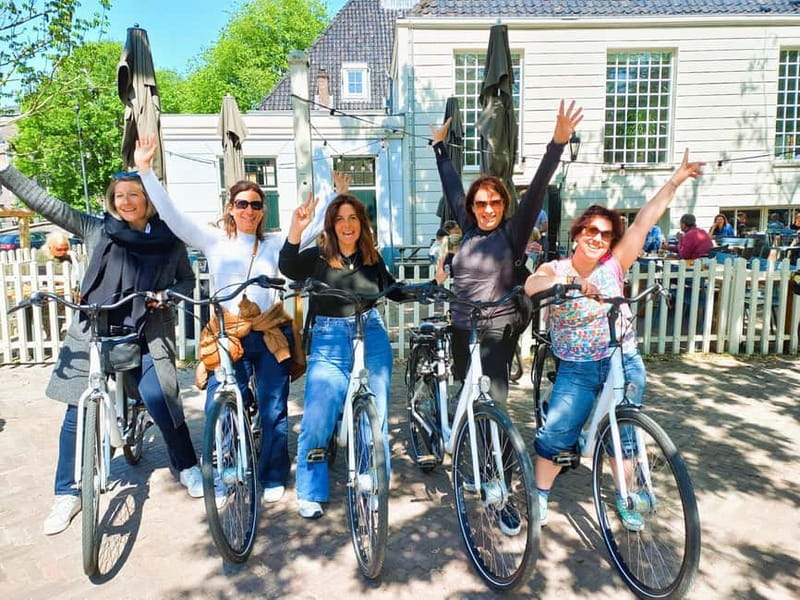
As the ride continues, you head toward Prins Hendrikkade (about 10 minutes) and then Entrepotdok (about 15 minutes). These stops matter because they shift you away from only the most obvious downtown scenes and into areas that feel more tied to the city’s working rhythms.
Prins Hendrikkade gives you views that connect canal life with the built environment along the water. Then Entrepotdok adds variety: you’ll get guided explanations while riding through a different urban mood—still in central Amsterdam, but less “museum” and more “city in motion.”
What I like about this section: it keeps the tour from turning into a straight line of big-photo moments. You’re riding through different textures, which helps you understand how Amsterdam’s neighborhoods relate to each other.
Possible drawback: if you prefer only iconic sites and bridges, this chunk may feel slightly more “city-walk education” than “wow landmark.” Still, it’s exactly the kind of local framing that makes the rest of the tour land better.
Plantage: a quieter shift before the WWII story
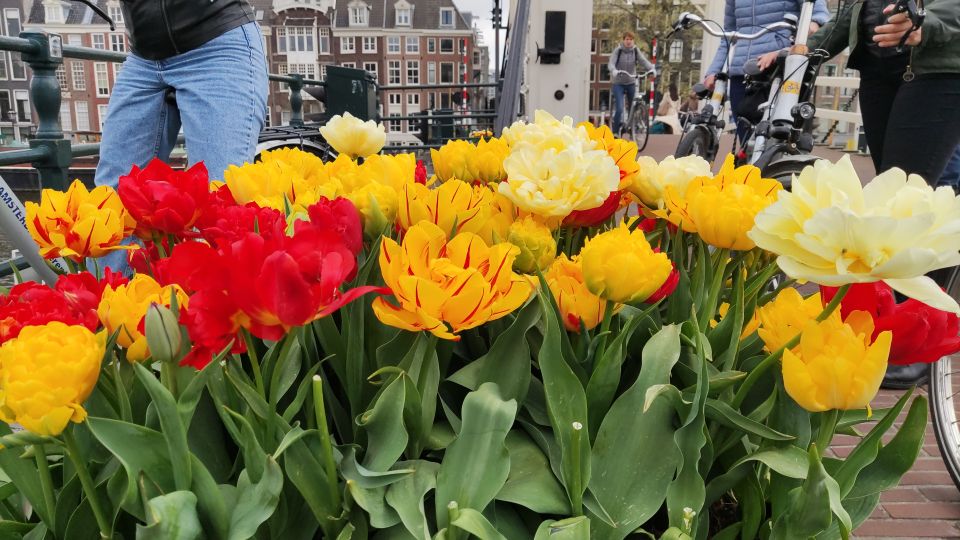
You’ll then spend time in Plantage (around 20 minutes) with guided context while you bike through the area. The tour description is clear that this part is about discovering authentic neighborhoods that see fewer tourists.
Plantage works as a mental reset. After the central-and-warehouse feel, this stretch gives you a chance to breathe, watch how streets flow, and absorb Amsterdam at a slower volume. It’s also a good point to ask your guide about what you should do next after the tour—especially food, since the tour includes a restaurant recommendation list.
One thing to remember: the tour doesn’t just cover geography. The guide uses the ride to discuss broader themes like culture and ecology, which can make even a non-famous neighborhood stop feel like more than “just passing through.”

Jewish Quarter and WWII memory: Anne Frank’s footsteps and the Holocaust Names Monument
The heart of the tour becomes more serious as you follow the WWII focus connected to the Jewish Quarter and Anne Frank. This part is designed to help you explore the area’s Jewish history and culture while walking through the story connected to Anne Frank’s world.
A key detail: the Jewish Quarter is described as including four sites located a few hundred meters from each other. During this segment, you’re led through the meaning behind the stops—how the community fits into Amsterdam’s story, and how the past connects to what you see today.
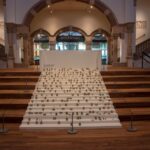
The emotional centerpiece is the National Holocaust Names Monument, where you have a photo stop plus guided time (about 25 minutes). It’s dedicated to the names of Holocaust victims and Anne Frank, and this stop alone makes the tour feel more purposeful than a typical sightseeing loop.
How to prepare: if you get thrown off by heavy memorial settings, bring that awareness with you. The tour is respectful and guided, but you’re still walking near material that can feel intense. Going with the right mindset makes the difference between rushing past it and truly understanding what you’re seeing.
Magere Brug to Reguliersgracht: bridges, photo moments, and a strong finish
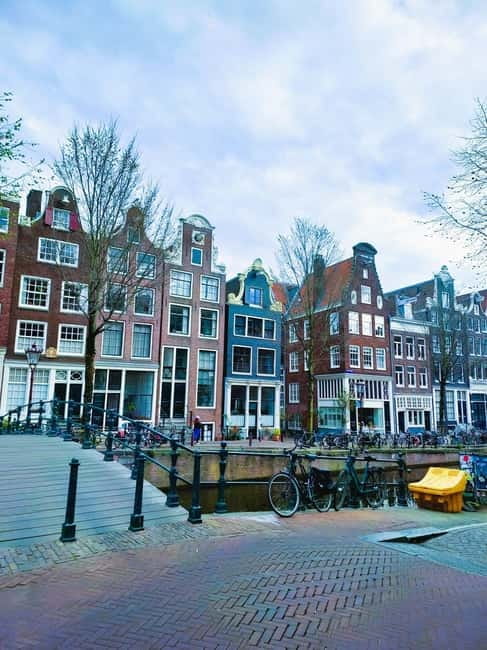
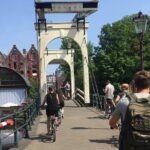
After the WWII-focused segment, the route brings you to some of Amsterdam’s most photogenic streets—this time with context layered in. You’ll stop at Magere Brug (about 10 minutes) with guided time, then make a photo stop at Amstelveld (about 10 minutes).
These are the moments where the city’s geometry takes over: narrow streets funnel your attention, bridges frame the canal view, and photo stops help you capture what you’ve been riding past. What makes this section better than many casual bridge photos is that you’ve already learned how to read neighborhoods. By now, you’re not just taking a picture—you’re recognizing a place.
Then you head to Reguliersgracht for photo moments and a short bike segment (about 10 minutes). The guide keeps you moving so you end with a full sense of how the city’s canal lanes stitch together.
There’s also one additional guided segment before returning to the bike shop. The practical effect is simple: you finish the ride feeling like you didn’t just scratch the surface—you learned how to notice Amsterdam.
Price and value: what $41 buys you in real terms
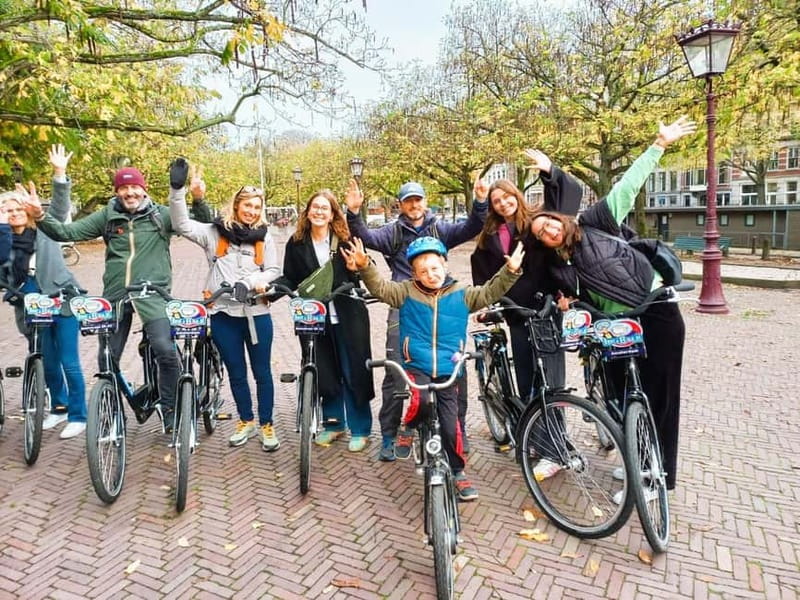
At $41 per person for about 2.5 hours, this is a solid value when you compare what’s included. You get a local guide with French commentary, quality bikes for all sizes, a map, and practical extras like a list of restaurant recommendations (Dutch, Indonesian, Surinamese, plus brown cafés).
The tour also includes a 10% discount on bike rental after the guided part, which matters if you want to keep exploring on your own right after. And there’s that luggage option to leave suitcases at the start or end—small detail, but it can save real stress if you’re traveling between train, hotel, and activities.
One balance note: electric bikes and cargo bikes are at your expense, so plan on the included standard bike unless you specifically need something else. Also, because the duration is short, it’s best for people who want a strong orientation and a curated narrative, not a slow, all-day roam.
Practical timing tips: choosing 10:30 vs 13:30 vs 16:15
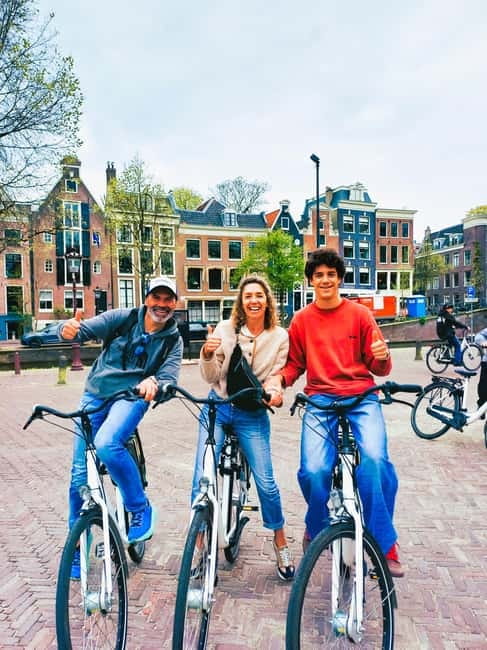
This tour runs for about 2.5 hours, with departures shown as 10:30 a.m. and 1:30 p.m., and a 4:15 p.m. option that may be available. The best choice depends on your day plan.
- If you want the route to shape the rest of your sightseeing, the earlier start can help you plan where to go next.
- If you prefer a late-afternoon pace, the 4:15 p.m. departure may fit better after museums or a slower morning.
In any case, treat the bike tour as your “get your bearings fast” moment. After that, use the restaurant list and map to build the rest of the day.
Who this tour fits best (and who should skip it)
This experience fits you if you want Amsterdam like a local and you like your city knowledge delivered through real neighborhoods, not only famous stops. The French commentary and guide’s storytelling style make it especially good for French speakers who enjoy history and everyday life topics.
It also makes sense for families in a specific way: bikes for children are referenced, and there’s a snack for children. If anyone in your group is under 1m50, the tour notes you should request the right setup, including things like baby seats if needed.
Skip or think twice if any of these are dealbreakers:
- You need the tour in a language other than French.
- You want only upbeat, light sightseeing without WWII memorial content.
- You can’t handle a 2.5-hour bike ride through city streets, even at a guided pace.
Should you book this French off-the-beaten-path bike tour?
Yes, if your goal is Amsterdam by bike with a story, and you’re happy mixing canal beauty with WWII memory. For the money, the included bike quality, French guide, and practical local recommendations (including brown cafés and cuisines like Indonesian and Surinamese) make it a smart way to spend half a day.
Skip it if French-only commentary would frustrate you, or if the Holocaust and Anne Frank-related stops would feel too heavy for your trip mood. If those points don’t bother you, this is one of the more balanced ways to understand the city’s contrasts—street life, canals, and history, all on two wheels.
FAQ
What language is the tour in?
The tour commentary is in French.
How long is the Amsterdam bike tour?
It lasts about 2.5 hours.
Where do I meet the guide and bike rental service?
Meet in front of the bike shop Bike Rental Reine at Binnen Wieringerstraat 3, 1013 EA Amsterdam. They ask you to arrive about 5 minutes early.
Are bikes included, and are there options for children?
Yes. Quality bikes are included for all sizes, and the information notes options for children and people measuring less than 1m50, with requests like baby seats handled if you contact them in advance.
Does the tour include food recommendations or snacks?
Yes. You get a list of recommendations for Dutch, Indonesian, Surinamese restaurants, and brown cafés, and there is a snack for children.
Can I leave luggage at the start or end?
There is the possibility of leaving suitcases on arrival or departure if you let them know in advance.