REVIEW · BIKE & E-BIKE TOURS
Amsterdam Highlights Bike or E-Bike Tour
Book on Viator →Operated by Mike's Tours Amsterdam · Bookable on Viator
Amsterdam looks best when you move like a local—on two wheels. This 2.5-hour guided bike (or e-bike) tour strings together the city’s top sights and some quieter corners, using Amsterdam’s famous network of bike lanes so you’re not stuck fighting crowds on foot. I like that you cover a lot of ground without turning it into a workout, and I love the way the guides connect places to stories you don’t get from a quick photo stop. One thing to consider: you do need a reasonable comfort with cycling and busy intersections, and you won’t always ride at a slow, relaxed shuffle.
In This Review
- What You’ll Notice Right Away
- Key Things That Make This Tour Worth Your Time
- Getting Oriented on Amsterdam’s Bike Lanes
- Centraal Station to Prinseneiland: Harbor Views Without the Guesswork
- Jordaan Canals and the Anne Frank Area: Beautiful Streets, Heavy Memory
- Vondelpark and Museum Square: Cultural Amsterdam in One Clean Route
- Classic Bridges and Canal Edges: Rijksmuseum to Magere Brug
- Holocaust Namenmonument and Nieuwmarkt: Brief Stops With Real Weight
- National Maritime Museum and the 18th-Century Ship
- How Hard Is the Ride, Really?
- Price and Value: What $45.35 Buys You in 2.5 Hours
- Guides, Pace, and the Difference Between a Fun Ride and a Stress Test
- Weather and Comfort: Amsterdam Does Not Follow Your Schedule
- Tips to Make the Most of Your Tour Day
- Should You Book This Amsterdam Highlights Bike Tour?
- FAQ
- How long is the Amsterdam Highlights Bike or E-Bike Tour?
- Is the bike included in the price?
- Where do I meet the guide?
- Is there a ticket included for the Anne Frank House?
- Does the tour include food or drinks?
- Is the tour offered in English?
- What fitness level do I need?
- Does the tour run in bad weather?
What You’ll Notice Right Away
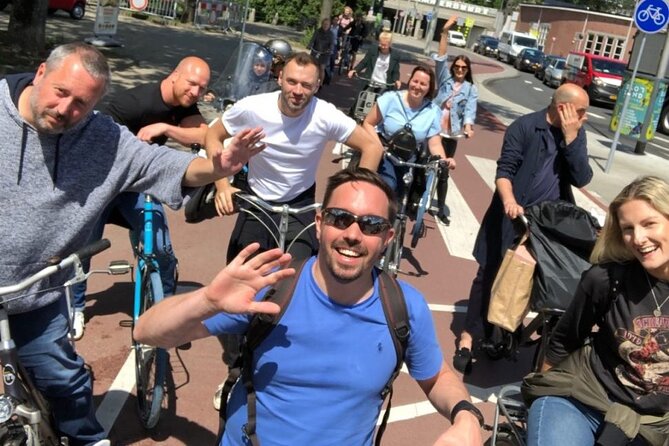
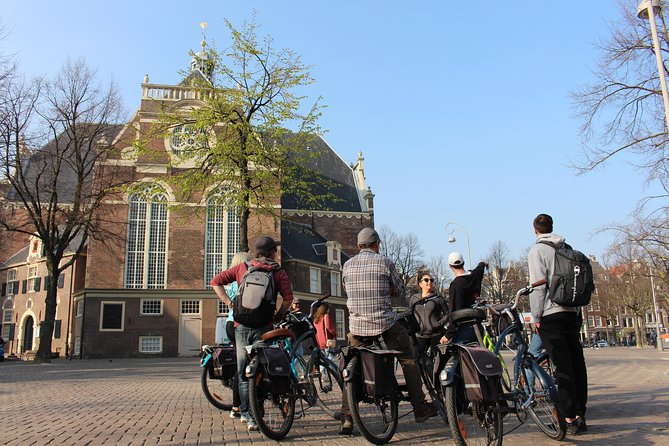
You meet your guide in central Amsterdam, get a short safety briefing, then roll out at a leisurely pace through neighborhoods that feel very different block to block. Guides show up often like Sierra, Sebastian, Ellie, Conny, and Shakira—each one focused on clear directions and city context, plus real tips for what to do next. With a max group size of 15, it stays friendly and trackable, even if Amsterdam traffic can get intense at certain crossings.
Key Things That Make This Tour Worth Your Time
- Small groups, big coverage: You see far more than you would wandering by foot in the same time.
- Jordaan, not just postcards: You get time in the photogenic canal-side streets people actually stroll.
- Museum-area orientation: You pass major cultural sites around Museum Square and Museum Quarter.
- History with context: You go by the Anne Frank House area and stop at the Holocaust Namenmonument.
- Bike lanes over walking: The route leans on Amsterdam’s cycle infrastructure so you spend less time stuck.
- A mid-ride reset: Vondelpark is built into the flow, and you’ll have a chance to grab a drink on your own.
You can also read our reviews of more cycling tours in Amsterdam

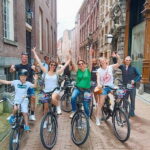
Getting Oriented on Amsterdam’s Bike Lanes
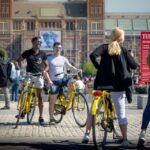
The start is practical. You show up at Mike’s Bike Tours Amsterdam at Oosterdoksstraat 106 (1011 DK), and you’re asked to be there about 15 minutes early so the bikes are ready and the tour can leave on time. The guide gives a quick safety briefing before you set off, and the plan is to ride at a steady, group-friendly pace.
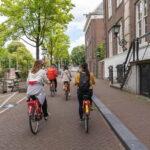
Amsterdam’s magic is that the bike lanes are not an afterthought. You’ll be following part of the city’s huge cycle network (400 km / 250 miles total). That matters because it changes how the city feels. Instead of spending your energy dodging crowds, you’re gliding through a city built around walking, cycling, and canals.
Bike choice tip: The tour is offered as bike or e-bike. Standard bikes work well if you’re comfortable cycling, but if you want to take the edge off or you’re not as confident with heavier city pacing, choose the e-bike option if it’s available for your date.
Centraal Station to Prinseneiland: Harbor Views Without the Guesswork
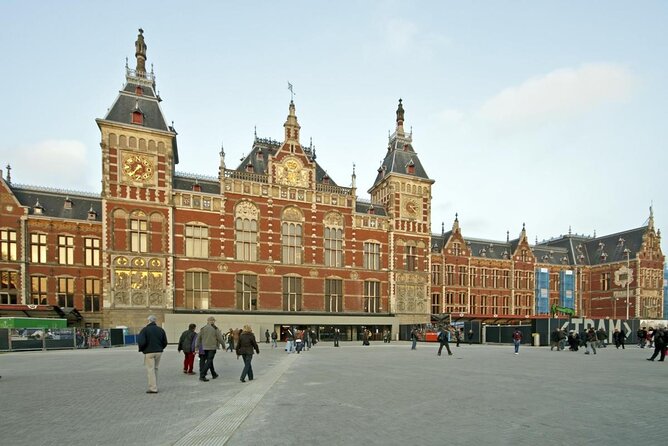
Your first stop is Amsterdam Centraal Station, including the biking garage area. It’s a good warm-up moment—flat ground, clear starting rhythm, and a sense of scale for where the city’s main hub connects to everything else.
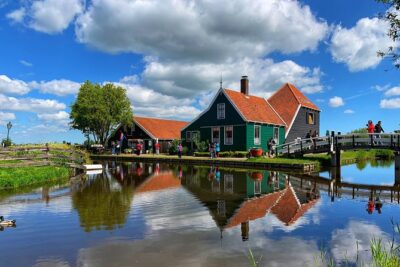
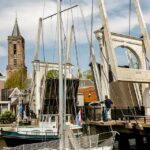
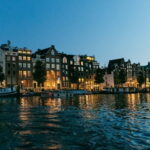
Then you head to Prinseneiland, part of the old western harbor area. This is one of those places where the photos look pretty, but the bike ride makes it better. You pass the small islands connected by draw bridges, with canal edges and working-urban vibes. You’ll get around 20 minutes here—long enough to soak in the canal lines and narrow layouts without turning it into a detour marathon.
A practical benefit: this early in the ride, you learn how your guide handles the group through route choices and crossings. After Prinseneiland, you’ll feel more confident predicting what’s coming next.
Jordaan Canals and the Anne Frank Area: Beautiful Streets, Heavy Memory
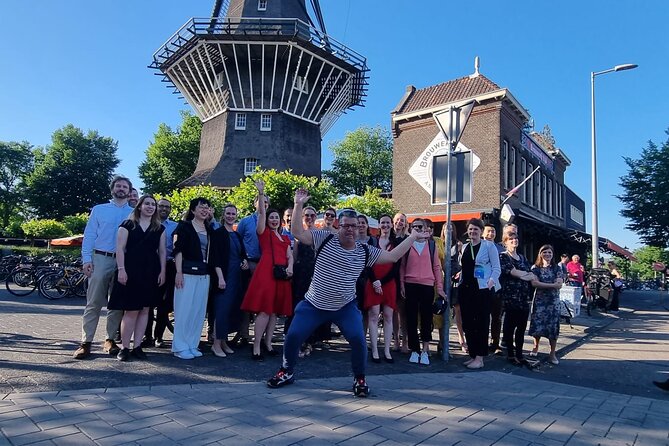
Next comes the Jordaan district, and it’s exactly the kind of Amsterdam that makes you stop and look around even when you’re moving. You’ll see narrow lanes, canal viewpoints, and classic little Dutch-café streets. Expect around 20 minutes for this stop, which is enough time to drift toward the canal edge for photos and then rejoin the group without losing momentum.
From there you pass the Anne Frank House area. You’re not going inside on this tour (admission isn’t included), but you’ll get the context as you ride by—where Anne Frank and her family were hiding for more than two years during World War II. It’s a short pass, about five minutes, which can feel quick, but it keeps the tour moving while still giving you historical framing instead of skipping over it.
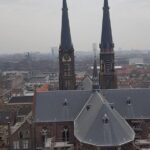
Right next to that area, you also pass Westertoren. This church’s connection to Rembrandt matters: he’s buried near there. Even if you don’t go up or tour inside, seeing the church shape in the neighborhood gives you a clearer sense of how art, religion, and daily life were intertwined in earlier Amsterdam.
Heads-up: If you find the Anne Frank-related history hard to process, you might want a minute to breathe when you pass. The tour is respectful, but the emotional weight is real.
Vondelpark and Museum Square: Cultural Amsterdam in One Clean Route

After the Jordaan, the route opens up toward Vondelpark, Amsterdam’s famous green oasis. The pace stays leisurely, and you’ll ride through the park area for about 20 minutes.
There’s also a social rhythm built in: since you’re about halfway through, the guide encourages a group drink stop in a favorite hangout near the park. You pay for your own drinks. This is a smart design. It breaks the ride into two mentally easier segments, and it gives you a chance to connect with what you’ve learned so far.
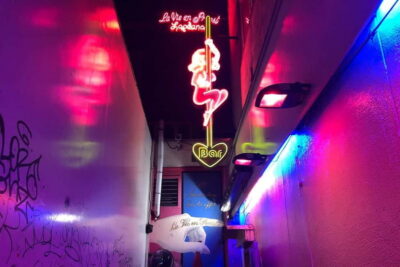
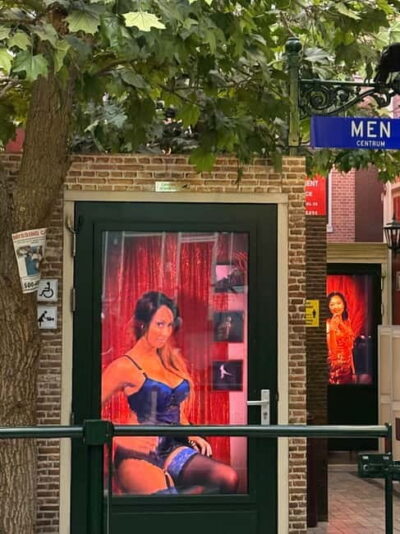
On the way to the park, you’ll hear about the Netherlands’ liberal laws, including those around marijuana and prostitution, and you’ll pass popular nightlife spots. This is one of the tour’s strengths: it doesn’t treat Amsterdam as only canals and museums—it talks about how the city really runs.
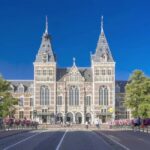
Then you reach Museum Quarter (Museumkwartier) and Museum Square, where you get a look at the three big museums clustered in that area. You’ll also bike under the Rijksmuseum, one of the clearest highlights for art-and-architecture fans because you get the scale from street level while moving.
You may also pass by major museum names depending on guide and weather. The route commonly includes the Van Gogh Museum area and the modern-art museum Moco (both are referenced as pass-by sights). You won’t have ticket time here, but you’ll leave knowing where everything sits.
You can also read our reviews of more tours and experiences in Amsterdam


Classic Bridges and Canal Edges: Rijksmuseum to Magere Brug
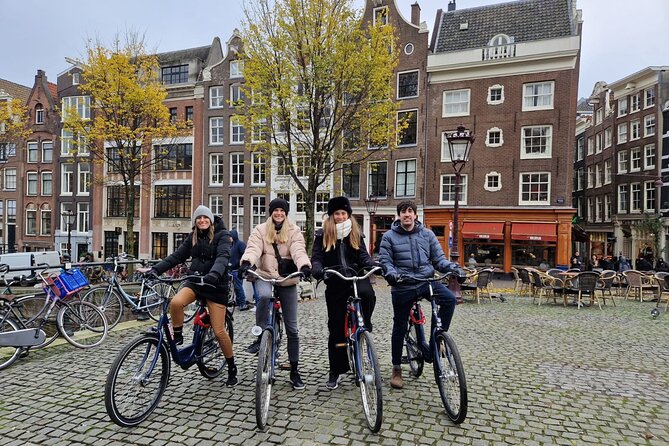
One of the reasons biking works so well in Amsterdam is the way bridges shape your view. After Museum Quarter and the Rijksmuseum ride-by, you move toward Amstelveld and the Amstel river area.
At Amstelveld, you’ll see Amsterdams last wooden church. That’s a small stop—around five minutes—but it’s the kind of detail that makes your mental map more accurate. Amsterdam isn’t only brick and glass; you’ll notice how older structures are still present and valued.
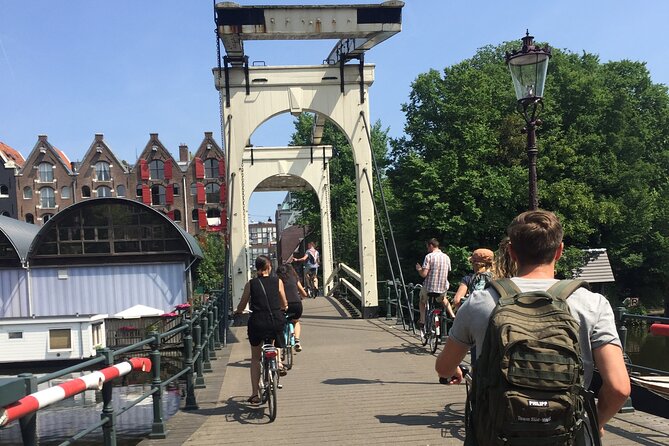
Then you head to Magere Brug, also known as the Skinny Bridge. You’ll cross or pass over it around 10 minutes, while you’re already in a good position to appreciate the river geometry and the way the city frames water. This is one of those moments where biking beats walking because you get a sense of motion—canals and bridges feel connected, not like separate photo backdrops.
Holocaust Namenmonument and Nieuwmarkt: Brief Stops With Real Weight
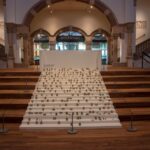
Next is a short but important stop at the Holocaust Namenmonument. You’ll pause at the name memorial for the 100,000 Dutch Jews who didn’t survive the Holocaust. It’s about five minutes.
This is not the kind of stop where you’re expected to “cover it quickly.” It’s intentionally short so the ride keeps moving, but the purpose is clear: acknowledge, read, and move on with context in your head instead of turning it into a sightseeing checklist item.
After that, you’ll ride on through Nieuwmarkt. You’ll go over the square and see Amsterdam’s oldest city gate. It’s another quick stop—about five minutes—but the location makes sense in the route: you shift from memorial weight to historic city structure and then toward the waterfront side again.
National Maritime Museum and the 18th-Century Ship
The final segment brings you near the National Maritime Museum. You’ll see an 18th-century Amsterdam ship laying next to the museum. This is a nice closing contrast after art museums and canal neighborhoods: maritime history ties into why Amsterdam grew the way it did.
The stop is short, around five minutes, but it rounds out the tour theme. Your route has covered:
- canal districts and local streets (Jordaan, Prinseneiland)
- major cultural zones (Museum Square / Rijksmuseum area)
- human history and memorial context (Anne Frank area, Namenmonument)
- city life and historic structure (Nieuwmarkt gate)
- maritime identity (National Maritime Museum ship)
Then you ride back to your departure point, where the tour ends.
How Hard Is the Ride, Really?
Amsterdam is famously flat, and many guests find that a standard bike is enough. But flat doesn’t mean friction-free. The real challenge is staying alert during crossings and around other cyclists and traffic. One review notes it can get intense at intersections when you’re with a full group of 15 bikes, especially if the light changes fast.
Here’s how to set yourself up for a smoother ride:
- Arrive early so you’re fitted to the bike and you’re not rushing.
- If you’re not a confident urban cyclist, choose the e-bike option if available.
- Pay attention at intersections, even when bike lanes feel continuous.
- If the guide asks about your cycling comfort, answer honestly. Safety comes first, and the guides decide if your skills are good enough to join.
Also note: the group is capped at 15, but some departures can be smaller (one group was nine people, and another was around six). Smaller groups tend to feel easier at crossings because the pace is less stretched.
Price and Value: What $45.35 Buys You in 2.5 Hours
At $45.35 per person for roughly 2 hours 30 minutes, this tour isn’t trying to be a budget hack. It’s paying for three things you can’t easily DIY:
- A guide who connects places to stories (including the liberal-law context and the WWII context).
- A bike in a city where cycling rules and routes matter.
- An efficient loop that hits major areas without you figuring out the safest, quickest path.
For that value, you also get the structure that makes bike tours work: safety briefing, a consistent route, stops that don’t run long, and a return back to the meeting point. If you’re only in Amsterdam for a short visit, this is one of the best ways to get your bearings fast.
If you have time for multiple days and you’re already a strong cyclist, you could self-guide parts of the route. But you’ll likely spend more time researching and less time riding the exact highlights in a logical order.
Guides, Pace, and the Difference Between a Fun Ride and a Stress Test
The best part of this tour is the human touch. When the guide is great at reading the group, cycling feels smooth and you actually learn stuff without feeling lectured. Names like Sierra, Ellie, Conny, and Shakira come up with the kind of feedback you want: clear directions, group care, and answers when people ask questions.
The pace is generally leisurely, but the route still moves. One guest noted the ride can feel faster when the guide is redirecting around crowds (like during Pride weekend). Another guest said standard bikes were fine and an e-bike was not necessary. The honest takeaway: your comfort will depend on your bike skill, your tolerance for busy city crossings, and the day’s crowd level.
Weather and Comfort: Amsterdam Does Not Follow Your Schedule
This tour runs in all weather conditions. That means you should dress for rain and wind as if it might happen, because it often does.
One practical detail from feedback: raincoats were provided and helped. Still, you’ll be safer and happier if you bring:
- a light waterproof layer
- closed-toe shoes
- a way to keep your phone and camera dry
Also, Amsterdam heat can surprise you in summer. If it’s unusually warm, plan for water and slow-down breathing, especially around the museum areas where you may stop briefly.
Tips to Make the Most of Your Tour Day
A few small moves will boost your experience a lot:
- Book early in your trip. A guide ride early helps you explore on your own afterward with less wandering.
- If you can, choose a morning departure. Less crowd pressure can make the intersections calmer and the ride feel more relaxed.
- Don’t plan a tight schedule right after the tour. Even with a 2.5-hour duration, you’ll likely want a few minutes to regroup and decide where to go next.
- Bring questions. If you ask about what to do after, good guides can point you toward realistic options.
Should You Book This Amsterdam Highlights Bike Tour?
Book it if you want an efficient intro to Amsterdam that blends major landmarks with quieter neighborhoods like the Jordaan, plus a route designed for real cycling—not sightseeing by GPS panic. It’s especially good for first-timers, couples, solo travelers who want structure, and anyone who wants to learn what to do next without turning the trip into an all-day museum crawl.
Skip it or consider an e-bike (or a different style tour) if you’re nervous about bike traffic or intersections, or if you want a slow, car-free relaxing ride with no urgency. The city is manageable on a bike, but you do need situational awareness.
If you fit the “comfortable cycling + ready for guided context” profile, this is a strong way to see Amsterdam’s highlights in a few hours—and leave with a map in your head, not just a camera roll.
FAQ
How long is the Amsterdam Highlights Bike or E-Bike Tour?
It runs about 2 hours 30 minutes.
Is the bike included in the price?
Yes. The tour includes the guided ride and the bike.
Where do I meet the guide?
You meet at Mike’s Bike Tours Amsterdam, Oosterdoksstraat 106, 1011 DK Amsterdam. The tour ends back at the same meeting point.
Is there a ticket included for the Anne Frank House?
No. The Anne Frank House is passed by on the tour, and admission is not included.
Does the tour include food or drinks?
Food and drinks are not included. You can grab a drink on your own during the tour.
Is the tour offered in English?
Yes, the tour is English language only.
What fitness level do I need?
You should have a moderate physical fitness level and a reasonable biking skill. The guides decide if your bike skills are good enough for safety.
Does the tour run in bad weather?
Yes. It operates in all weather conditions, so dress appropriately.