REVIEW · MUSEUMS
Amsterdam: Canal House Museum ‘Willet-Holthuysen’ Ticket
Book on GetYourGuide →Operated by Museum Willet-Holthuysen · Bookable on GetYourGuide
A 19th-century mansion, staged inside a real double canal house. Museum Willet-Holthuysen puts you in the middle of wealthy Amsterdam life, with a house route that moves room to room and an audio guide that’s detailed enough to keep the place from feeling like a showroom. Two things I really like: the Louis XVI-style ballroom and the way the collection is shown in situ, so the art and furniture feel tied to daily life. One thing to consider: if a temporary audio installation is playing loudly in the house, it can make your own audio guide harder to hear.
In This Review
- What Makes It Worth Your Time
- Key things to know before you go
- Museum Willet-Holthuysen: A double canal house built for portraits of power
- The basic facts
- Entering the house: Where the route starts and how to move through it
- The Louis XVI ballroom: Formal, theatrical, and easy to understand
- Beyond the showrooms: Dining rooms and salons that explain social life
- The art and furniture collection: How “in situ” changes what you notice
- The garden break: A French-style outdoor room inside Amsterdam
- Downstairs kitchen and pantry: The servant spaces that add honesty
- Audio guide: Many languages, and how to make it work in real life
- Price and value: $18 for a house, a collection, and a garden
- Who should book this Museum Willet-Holthuysen ticket?
- Should you book?
- FAQ
- Where is the meeting point?
- How long does the visit take?
- What is included with the ticket?
- Are meals and drinks included?
- What languages are available for the audio guide?
- Is smoking allowed inside?
- Is the museum suitable for wheelchair users?
- Where does the self-guided tour start?
- Can I go at my own pace during the audio tour?
- FAQ
- Is there free cancellation?
- Is the ticket valid for more than one day?
- Do I need to choose a fixed time slot?
- Is locker storage available?
- Should I avoid the museum if I’m bothered by loud audio?
What Makes It Worth Your Time
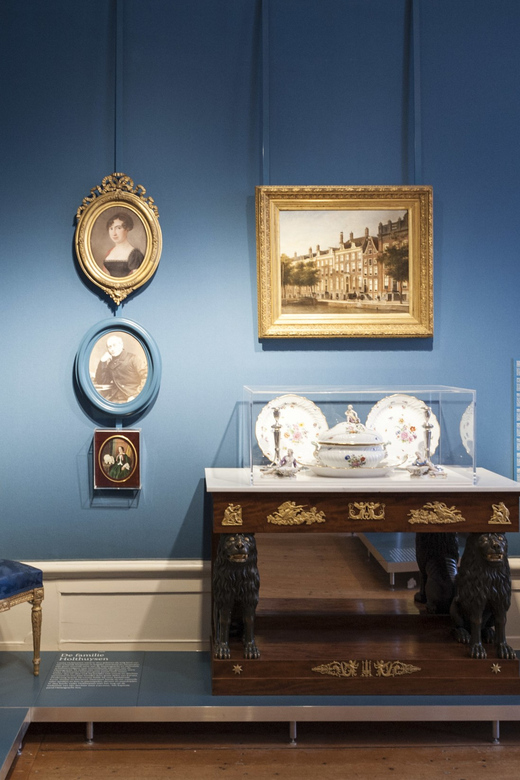
You’ll start on the first floor, then work your way through dining rooms and salons, before finishing with the garden and even the downstairs kitchen/pantry that hints at servant work. The museum’s French-style garden layout is especially effective, because it cools the whole experience right in the middle of the city. The main drawback is simple: the visit isn’t set up for wheelchair users, so plan around steps and interior movement.
Key things to know before you go
- A double canal house setting: You’re touring a grand 17th-century interior, not just a gallery.
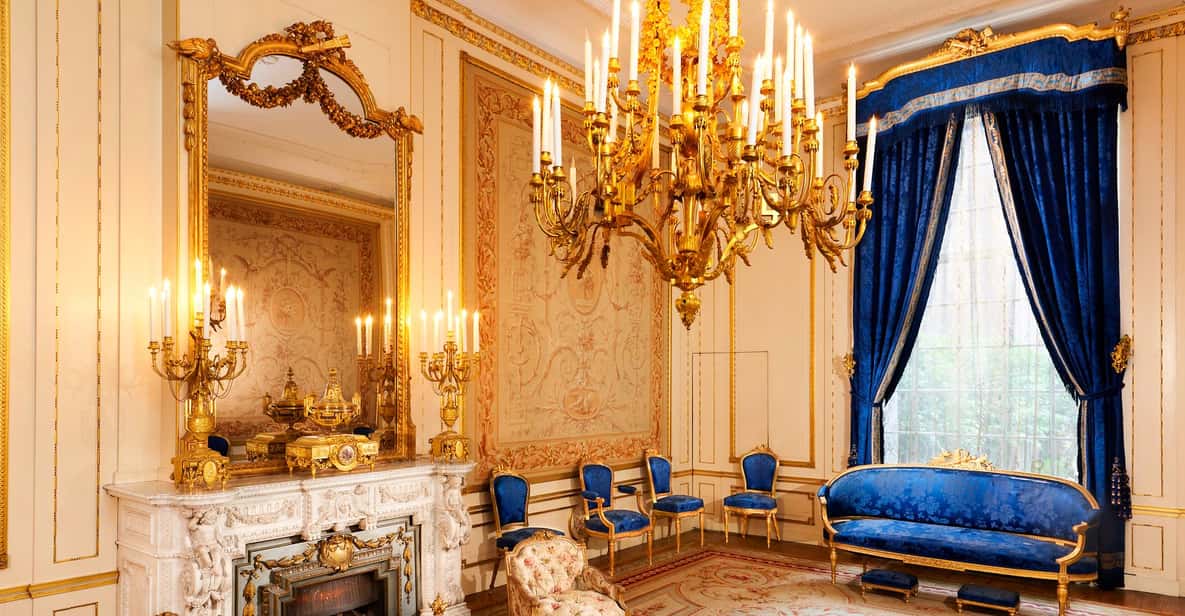
- Louis XVI ballroom on the first floor: A bold, formal room that sets the tone fast.
- A garden planned in 18th-century French style: A structured outdoor space that complements the house.
- Two stories at once: Wealth above, servant spaces below, so the museum doesn’t only flatter the owners.
- Audio guide with many languages: Spanish, English, Dutch, French, German, Italian, Russian.
- You can go at your pace: Choose stops and slow down where you want more detail.
You can also read our reviews of more tours and experiences in Amsterdam



Museum Willet-Holthuysen: A double canal house built for portraits of power
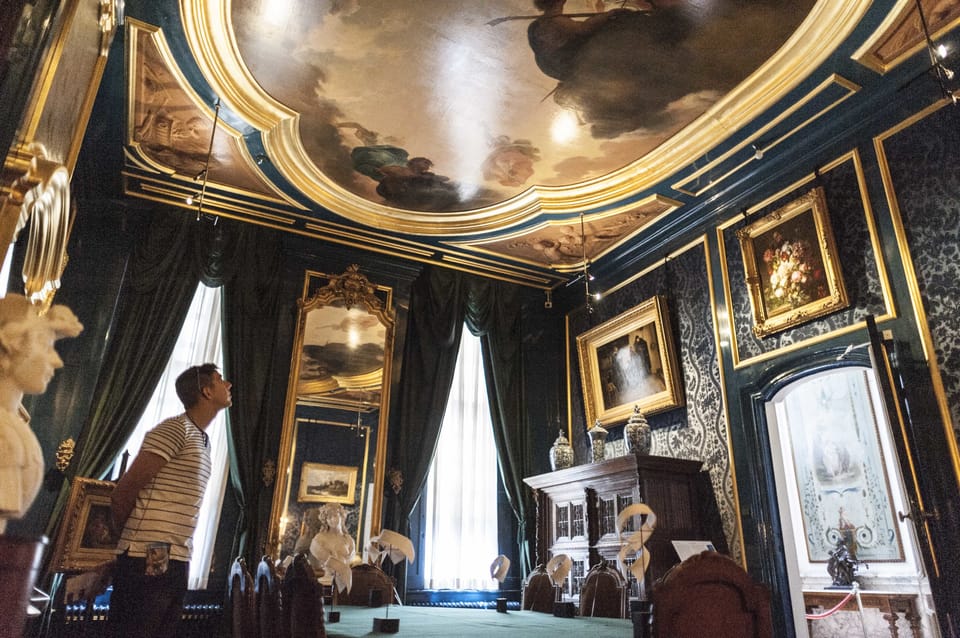
Museum Willet-Holthuysen is housed in a grand 17th-century double canal house on Amsterdam’s Herengracht. That matters, because the building itself is part of the story: canal houses were narrow and deep, and families used every inch of space. When you walk inside, you can feel how the layout supports social life—formal rooms up front, everyday rooms and service areas farther back and downstairs.
This is also why the museum feels more real than a lot of “look-but-don’t-touch” history spots. The pieces are not just displayed; they’re placed in the rooms they belong to. In a place like this, the difference between seeing furniture and understanding a home is huge.
And yes, you’ll spend your time inside. So even if Amsterdam weather is doing its usual thing, this works well because the core experience is the house itself, plus a planned garden break.
The basic facts
- Location/meeting point: Herengracht 605
- Price: $18 per person
- Time: about 1 day
- What you get: entrance ticket + audio guide
- Not included: meals and drinks
- Accessibility note: not suitable for wheelchair users
Entering the house: Where the route starts and how to move through it
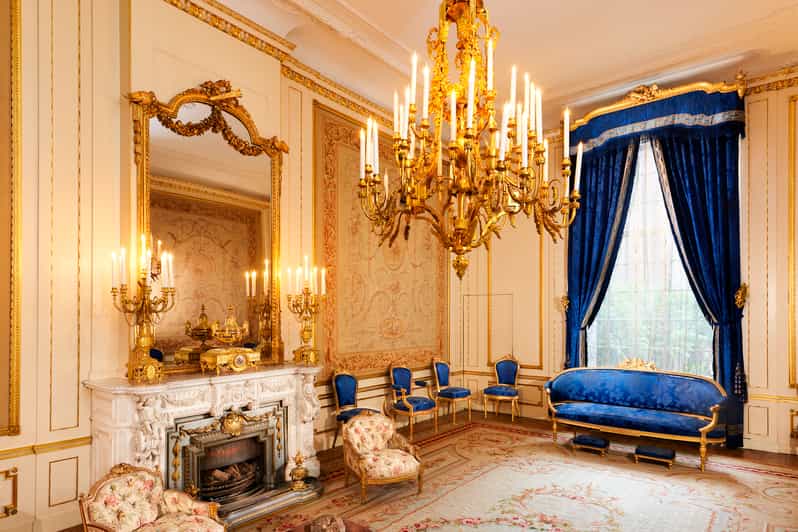
Your visit follows a clear flow, starting on the first floor. That’s practical advice for your time and attention. First-floor rooms are usually where the museum makes its strongest visual case, and here the ballroom is the anchor.
From there, you continue through rooms like the dining spaces and the salons associated with the lord and lady of the house. This sequence is useful: you begin with grandeur, then shift into the more intimate spaces where you can look at how art and objects are arranged around everyday living.
One of the best parts of the experience is that the audio guide approach gives you room to control your focus. Some stops can be richer than others, so you can spend extra minutes where something catches your eye—paintings, ornate furniture details, or the way art is paired with room design.
Tip for getting the most out of it: if you’re tempted to “speed through the pretty rooms,” don’t. This museum works when you pause. A canal house has layers—formal surfaces up top and practical realities below.
The Louis XVI ballroom: Formal, theatrical, and easy to understand
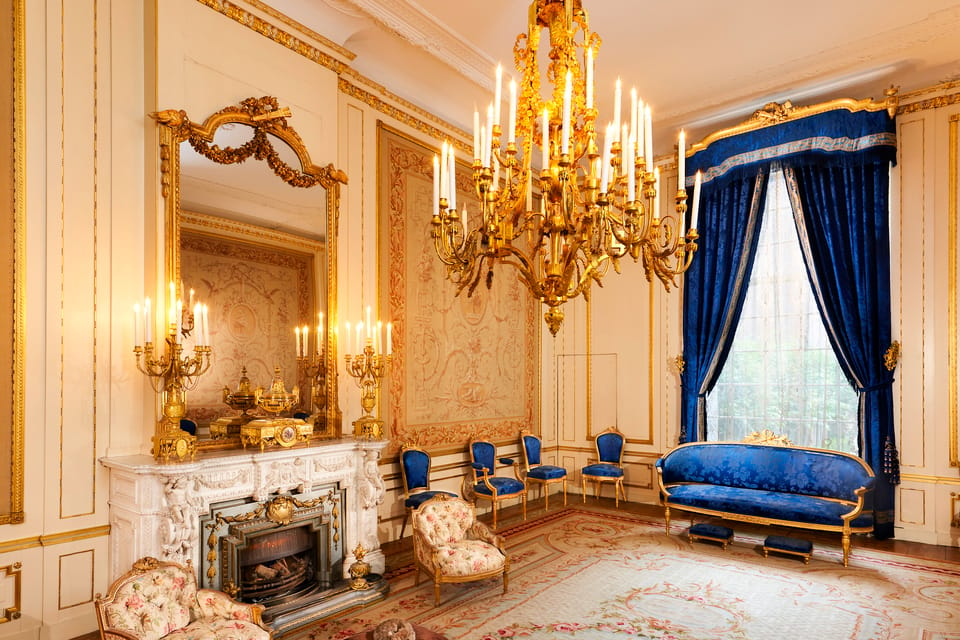
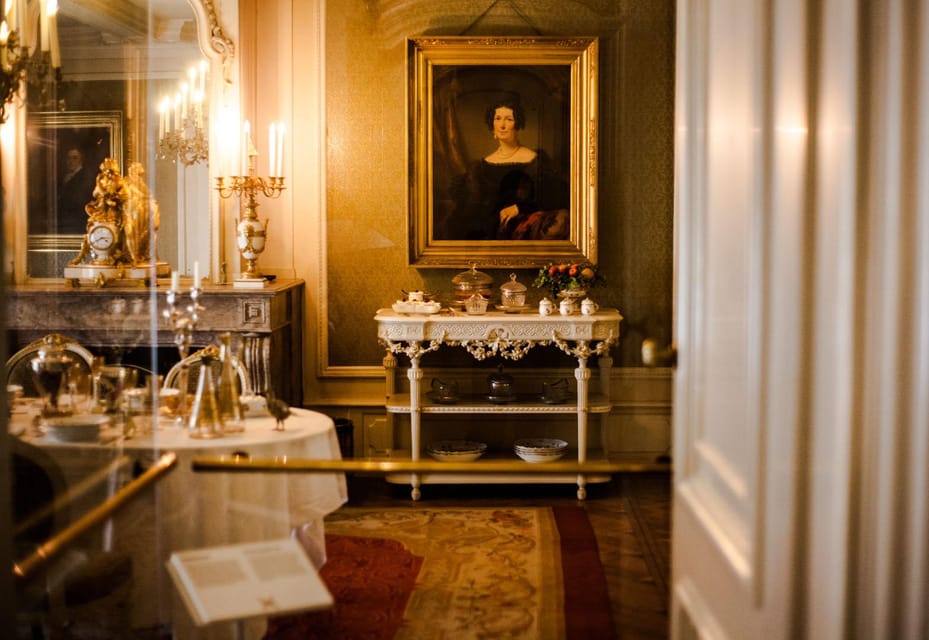
The first-floor ballroom is done in Louis XVI style, and it’s a strong opening move. Even if you don’t know the style name, you’ll recognize the vibe: the room is meant for display and conversation. The architecture, the proportions, and the overall sense of occasion help you understand what wealthy hosting looked like in 19th-century Amsterdam.
This is where the audio guide becomes more than background noise. Rather than listing facts, it helps connect objects to function: what these rooms were for, how people used them, and why families invested in the appearance of their homes.
If you like museums that let you “read” a room like a stage set, you’ll be happy here. If you only want quick viewing, the room might still impress you—but you’ll feel how it loses impact when you rush.
You can also read our reviews of more museum experiences in Amsterdam






Beyond the showrooms: Dining rooms and salons that explain social life
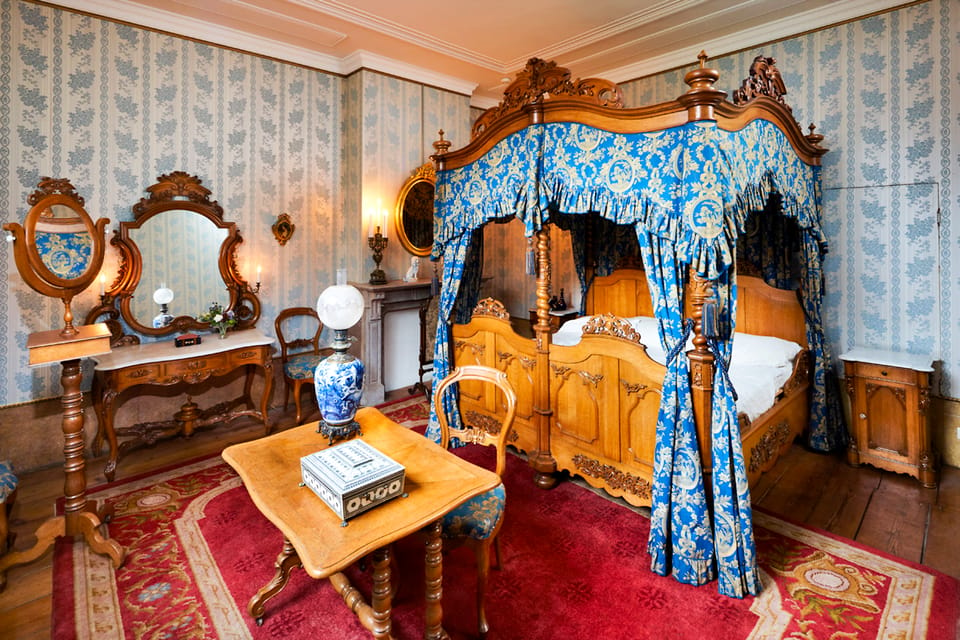
After the ballroom, the route moves into dining rooms and the salons tied to the lord and lady of the house. This is a good section for slow looking. Why? Because the furniture and decorative objects are not floating in space. They’re in context.
You’ll also get a feel for how display and daily routine overlap. In a wealthy home, “everyday” still had rules and rituals—where you sat, how the room looked when guests arrived, and what kinds of objects were worth showing.
The audio guide’s stop-and-go structure helps you here. Spend extra time if a painting pulls you in, or if you want to track how different rooms highlight different tastes—formal style up front, then more specific personal spaces as you continue.
The art and furniture collection: How “in situ” changes what you notice
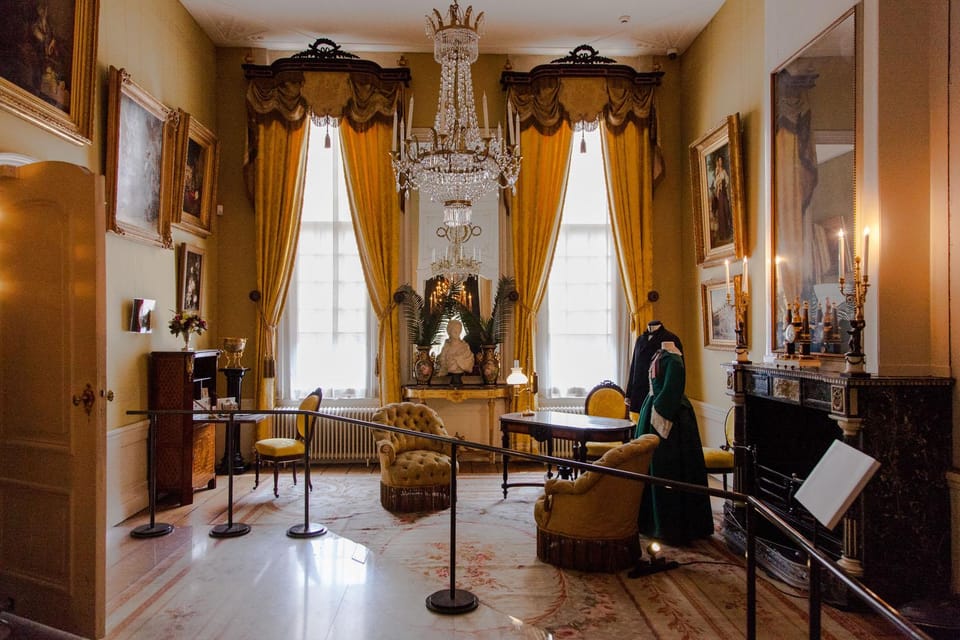
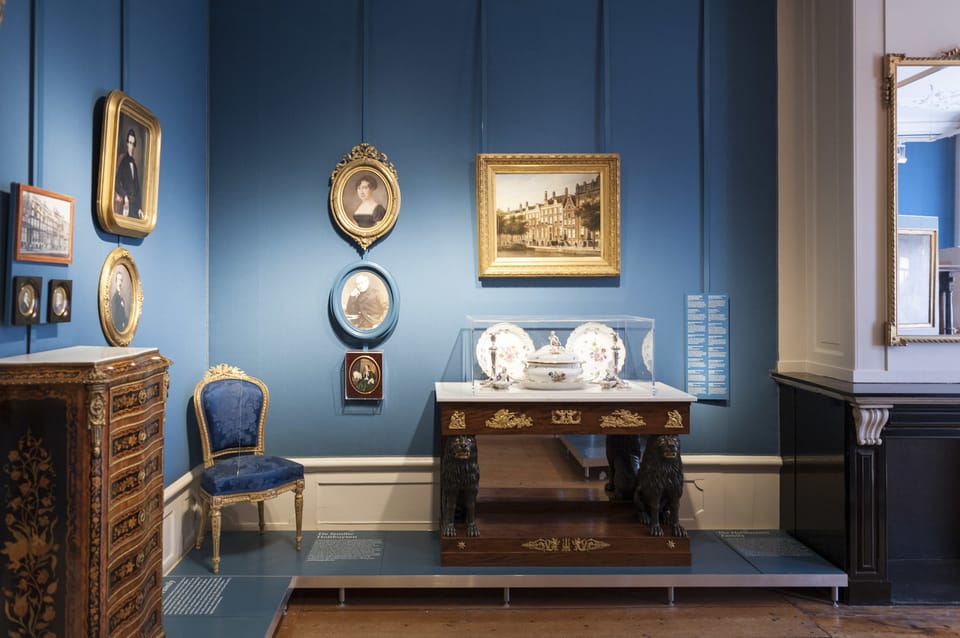
A big part of why this museum works is the collection itself: antique furniture, silver, ceramics, sculptures, paintings, and photographs. You’re not just seeing a random selection. You’re walking through a curated home space built around how those items were lived with.
Ornate furniture is one thing. But seeing it in the room it belongs to is another. In a home like this, objects carry meaning. They show taste, social connections, and what the owners wanted to signal—especially for a couple whose opulent house became part of Amsterdam’s public collection.
One review praise that matches the experience: the museum combines house history with modern displays, and the two feel connected instead of fighting each other. That’s a subtle point, but it helps you keep moving without getting pulled out of the story.
The garden break: A French-style outdoor room inside Amsterdam
Then comes the garden, and this is where your feet get a reset. The gardens here were laid out in 18th-century French style, with structure and intention rather than a free-form stroll.
In plain terms: it’s a designed garden, not just greenery. The museum uses it to show how wealthy people treated outdoor space as another kind of room. Paths, planting choices, and the sense of order all connect back to the house’s formality.
I like that the garden isn’t just a background view. It changes the pace. After hours of rooms and objects, the garden makes the whole museum feel more balanced.
Downstairs kitchen and pantry: The servant spaces that add honesty
One of the smartest aspects of Willet-Holthuysen is that it doesn’t stop at admiration. The route includes the kitchen and pantry in the basement, which gives you a clue about daily lives of the servants.
This isn’t only “sad history.” It’s practical context. It helps you understand how a house running at high social standards still depended on unseen labor. Without this section, a canal house museum can risk feeling like a costume drama. With it, the story gets more grounded.
If you enjoy museums that treat domestic life as real life—not just decoration—this downstairs section is a must-pay attention moment.
Audio guide: Many languages, and how to make it work in real life

The audio guide is included, and it comes in multiple languages: Spanish, English, Dutch, French, German, Italian, Russian. That’s a big plus for an Amsterdam museum, because it means you don’t have to rely on scattered signage or memory of an exhibit.
The best practical advice from the reviews is about volume and control. In most cases, you can actually hear the guide while walking room to room. Some people even liked that they could choose which stops mattered most to them, so they didn’t feel forced into a single pace.
The caution: there’s at least one documented complaint that a temporary art installation’s audio was loud enough to interfere with hearing the guide. So if you notice competing sound in a room, don’t suffer through it—pause, lower distractions when possible, or skip that particular audio-heavy stop and return later.
Price and value: $18 for a house, a collection, and a garden
At $18 per person for a roughly 1-day visit, the value depends on what kind of museum day you want.
If you want a quick photo stop, it might feel a bit pricey. You’re paying for time inside a full house experience with an audio guide, plus access to rooms, garden, and service spaces. But if you enjoy interiors, design, art collections in context, and understanding how people actually lived, the price starts to make sense.
You’re getting:
- a full double canal house route
- the Louis XVI ballroom and multiple principal rooms
- the garden planned in French style
- the basement kitchen/pantry context
- the audio guide in several languages
Also, many people like that you can move at your pace and hear the guide clearly. That’s part of the “value” you’re really buying: comfort and control, not just admission.
One practical perk that’s mentioned in reviews: locker storage and clean toilets are available, which helps you avoid turning the visit into a shoe-and-bag juggling act.
Who should book this Museum Willet-Holthuysen ticket?
This is an excellent match if you like:
- home museums and interiors
- canal houses and how Amsterdam space was used
- art and objects shown in the rooms where they fit
- a visit that includes both elegance and everyday labor
It may be less ideal if you:
- need wheelchair access (the museum is not suitable for wheelchair users)
- dislike audio guides or prefer fully guided group storytelling
- want only outdoor time (the garden is a portion of the visit, not the main event)
It’s also a strong choice for a calm, cultural morning or afternoon when you want something more atmospheric than a typical museum floorplan.
Should you book?
I’d book Museum Willet-Holthuysen if you want a one-day Amsterdam experience that feels like stepping into a real home, with the bonus of a designed garden and basement servant spaces that add context. At $18 with an included multi-language audio guide, it’s good value for the amount of room-by-room time you get.
Skip it (or expect frustration) if hearing the audio guide is critical for you and you know you’re sensitive to loud competing sound, since a temporary audio installation has been reported as distracting. And if mobility is an issue, know ahead of time that it’s not suitable for wheelchair users.
If your ideal museum day is quiet curiosity—paintings, furniture, rooms, and the meaning of layout—this ticket is a solid use of your Amsterdam time.
FAQ
Where is the meeting point?
The meeting point is Herengracht 605.
How long does the visit take?
The ticket is listed as duration: 1 day, and it’s meant for a day visit.
What is included with the ticket?
Your ticket includes entrance and an audio guide.
Are meals and drinks included?
No. Meals and drinks are not included.
What languages are available for the audio guide?
The audio guide is available in Spanish, English, Dutch, French, German, Italian, and Russian.
Is smoking allowed inside?
No, smoking is not allowed.
Is the museum suitable for wheelchair users?
No. It is not suitable for wheelchair users.
Where does the self-guided tour start?
The visit starts on the first floor.
Can I go at my own pace during the audio tour?
Yes. The audio guide experience allows you to move at your pace, and you can choose which stops you want to spend more time on.
FAQ
Is there free cancellation?
Yes. Free cancellation is available up to 24 hours in advance for a full refund.
Is the ticket valid for more than one day?
No. It’s valid for 1 day.
Do I need to choose a fixed time slot?
Availability shows starting times, so you’ll want to check what times are offered.
Is locker storage available?
Locker storage is mentioned as included with the ticket in reviews.
Should I avoid the museum if I’m bothered by loud audio?
If you’re sensitive to sound, note that there’s at least one complaint about a temporary art audio being loud enough to interfere with the audio guide, so you may want to be flexible with which rooms you focus on.